Is Owner Intuition Important When Suspecting FIP
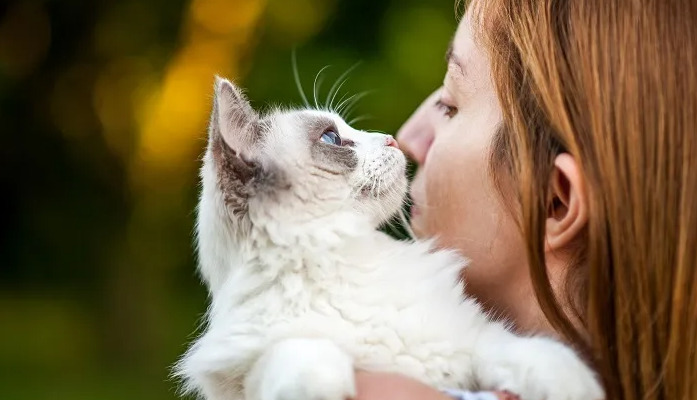
Feline Infectious Peritonitis (FIP) is a complex and often fatal disease affecting cats worldwide. While veterinarians rely heavily on clinical tests and laboratory results to diagnose FIP, the role of owner intuition often remains underappreciated. Understanding whether an owner’s intuitive observations are valuable can enhance early detection, improve outcomes, and facilitate timely medical intervention.
Understanding FIP and Its Challenges in Diagnosis
FIP is caused by a mutated form of the feline coronavirus (FCoV). Most cats infected with FCoV remain asymptomatic or develop mild gastrointestinal symptoms. However, in some cases, the virus mutates and leads to FIP, which manifests in two main forms: wet (effusive) and dry (noneffusive). The wet form involves fluid accumulation in body cavities like the abdomen or chest, while the dry form presents with granulomatous lesions in various organs.
Diagnosing FIP is notoriously challenging. No single test definitively confirms FIP, and veterinarians often depend on a combination of clinical signs, laboratory tests (such as serology, PCR, or analysis of effusions), imaging, and histopathology. Given these difficulties, early suspicion based on subtle signs can be crucial.
The Owner’s Perspective: Intuitive Observations
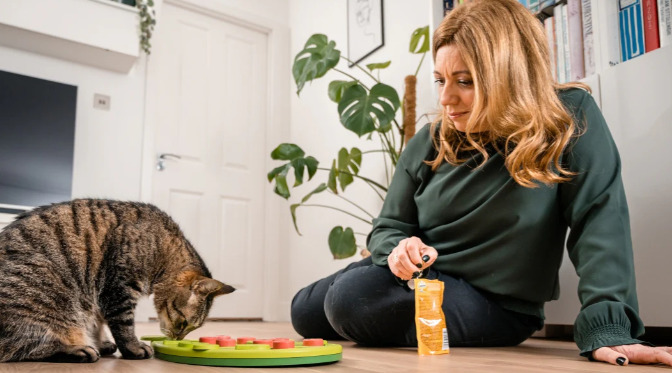
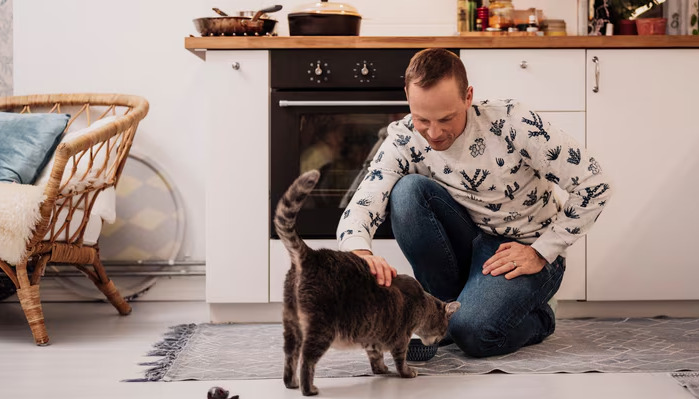
Owners are typically the first to notice unusual behaviors or physical changes in their cats. Unlike clinical tests, owner observations are continuous and natural, capturing subtle shifts that might escape clinical detection during intermittent visits. These observations include changes in appetite, activity level, grooming habits, weight fluctuations, and respiratory behavior.
For instance, an owner might notice a sudden loss of appetite coupled with lethargy or observe a gradual abdominal distension. Such signs may not be immediately alarming, but when combined with other behavioral changes, they can point toward a potential health crisis like FIP.
Why Owner Intuition Is Valuable
1. Early Detection: Owners often detect initial signs earlier than veterinarians, especially in cases where symptoms are mild or nonspecific. Recognizing early signs allows for prompt veterinary consultation, which can be vital given FIP’s rapid progression.
2. Contextual Knowledge: Owners understand their pets' normal behaviors and routines. This contextual familiarity helps them notice deviations that might not be obvious during clinical examinations.
3. Monitoring Trends: Consistent owner observations over days or weeks can reveal patterns or gradual deterioration, offering clues that supplement laboratory findings.
Limitations and Risks of Sole Reliance on Intuition
While owner intuition offers benefits, it is not infallible. FIP shares symptoms with many other feline diseases, such as gastrointestinal infections, liver conditions, or respiratory illnesses. Moreover, emotional attachment or denial can sometimes cloud judgment, leading to either unnecessary alarm or delayed care.
Therefore, owner suspicion must always serve as a prompt for professional veterinary assessment rather than a standalone diagnosis.
Integrating Owner Intuition with Clinical Practice
Veterinary practices increasingly recognize the importance of owner input. Asking owners detailed questions about behavioral and physical changes, in addition to conducting thorough examinations, maximizes diagnostic accuracy.
Educational efforts are also vital. Providing owners with information about common signs of FIP and other serious conditions encourages attentive monitoring and timely reporting. Similarly, vets can develop protocols that incorporate owner-reported observations into diagnostic workflows.
The Emotional Impact and Ethical Considerations
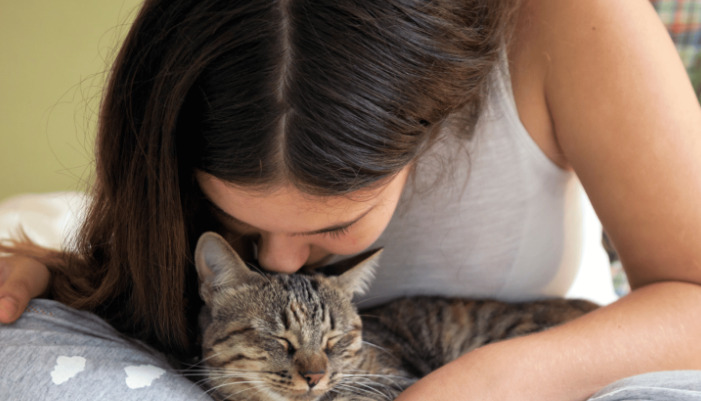
Owners’ intuition often stems from deep emotional bonds with their pets. Validating their concerns can strengthen trust and facilitate honest communication. Moreover, early suspicion based on owner input can lead to earlier interventions, potentially prolonging quality of life or making humane decisions easier.
Ethically, veterinarians have a duty to listen actively, consider owner observations seriously, and integrate this information into holistic diagnostic and treatment plans.
Case Studies and Research Insights
Several case studies highlight the importance of owner observations. In a 2019 survey, veterinarians reported that in over 60% of confirmed FIP cases, owners had noted subtle behavioral or physical changes weeks before diagnosis. In some instances, owner intuition prompted earlier diagnostic testing, leading to more timely palliative care or euthanasia decisions.
Research on diagnostic accuracy emphasizes that combining owner observations with modern laboratory techniques yields the highest likelihood of accurate and early diagnosis, especially for diseases with nonspecific symptoms like FIP.
Conclusion
While owner intuition should not replace recent diagnostic advances, it plays a crucial complementary role in suspecting FIP. Vigilant owners who communicate their concerns can trigger earlier veterinary evaluation, potentially improving outcomes. An integrated approach—valuing both scientific testing and owner insights—is best for managing this complex disease.
References
1. Pedersen, N. C. (2014). An Experimental Study of Feline Infectious Peritonitis Virus Infection in Cats. Veterinary Microbiology, 147(2-4), 229-237.
2. Addie, D. D., & Jarrett, O. (2020). Feline Infectious Peritonitis. In Feline Infectious Diseases, 219-227.
3. Kipar, A., & Meli, M. L. (2014). Feline Coronavirus and Feline Infectious Peritonitis. Veterinary Pathology, 51(2), 318-331.
4. Thiry, E., & Postorino, T. (2010). Diagnostic Approach to Feline Infectious Peritonitis. Journal of Feline Medicine and Surgery, 12(8), 565-574.
5. Addie, D. D., et al. (2019). Can Owner Observation Improve FIP Diagnosis? Journal of Small Animal Practice, 60(3), 138-144.