Can Cats Survive FIP
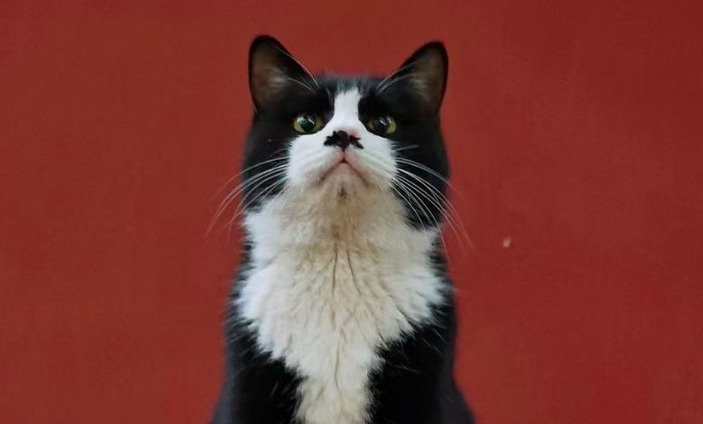
Can Cats Survive FIP? Understanding Feline Infectious Peritonitis, Symptoms, Treatment, and Prognosis
Feline Infectious Peritonitis, better known as FIP, has long been one of the most feared diagnoses in cats. For many years, it was considered almost always fatal, which led to anxiety for cat owners and frustration for veterinarians. Today, the answer to “Can cats survive FIP?” is much more hopeful than before. With earlier recognition, proper veterinary support, and modern antiviral treatment, many cats can live longer, recover, or achieve remission. Survival depends on the type of FIP, how quickly it is diagnosed, the cat’s overall health, and access to effective therapy.
FIP develops from feline coronavirus, a virus that is common in multi-cat environments. Most cats exposed to feline coronavirus do not develop FIP. In many cases, the virus causes only mild digestive upset or no visible illness at all. FIP occurs when the virus mutates inside the cat and triggers an abnormal immune response. That immune reaction causes widespread inflammation, damaging organs and tissues. The disease can appear in two major forms: wet FIP, which causes fluid buildup in the abdomen or chest, and dry FIP, which causes inflammatory lesions in organs, eyes, or the nervous system.
The first signs of FIP are often vague, which makes early diagnosis difficult. Cats may eat less, lose weight, become tired, or develop persistent fever that does not respond well to antibiotics. Some cats show a swollen belly, breathing difficulty, jaundice, or enlarged lymph nodes. Others develop eye inflammation, unsteady walking, weakness, seizures, or changes in behavior. Because these signs overlap with other diseases, veterinarians usually rely on a combination of blood tests, imaging, fluid analysis, and the cat’s full clinical history rather than one single test.
Wet FIP often progresses quickly. Fluid may collect in the abdomen, making the cat look bloated and uncomfortable, or in the chest, making breathing shallow and difficult. Dry FIP can be more subtle at first, but it may cause serious damage over time, especially if the brain or eyes are involved. Ocular FIP can lead to uveitis, vision problems, and discomfort. Neurological FIP may cause tremors, stumbling, paralysis, or seizures. These advanced forms are particularly serious, yet they are not automatically hopeless when treatment begins early enough.
Survival is now more realistic because antiviral therapy has changed the outlook for many cats. Supportive care is also important. Some cats need fluid therapy, nutritional support, anti-nausea medication, pain control, or treatment for secondary infections. Careful monitoring by a veterinarian helps track response to treatment and adjust the plan as needed. Cats that are still eating, breathing well, and receiving therapy before severe organ damage often have a better chance of improvement. Even cats with advanced signs may respond if treatment is started promptly and continued correctly.
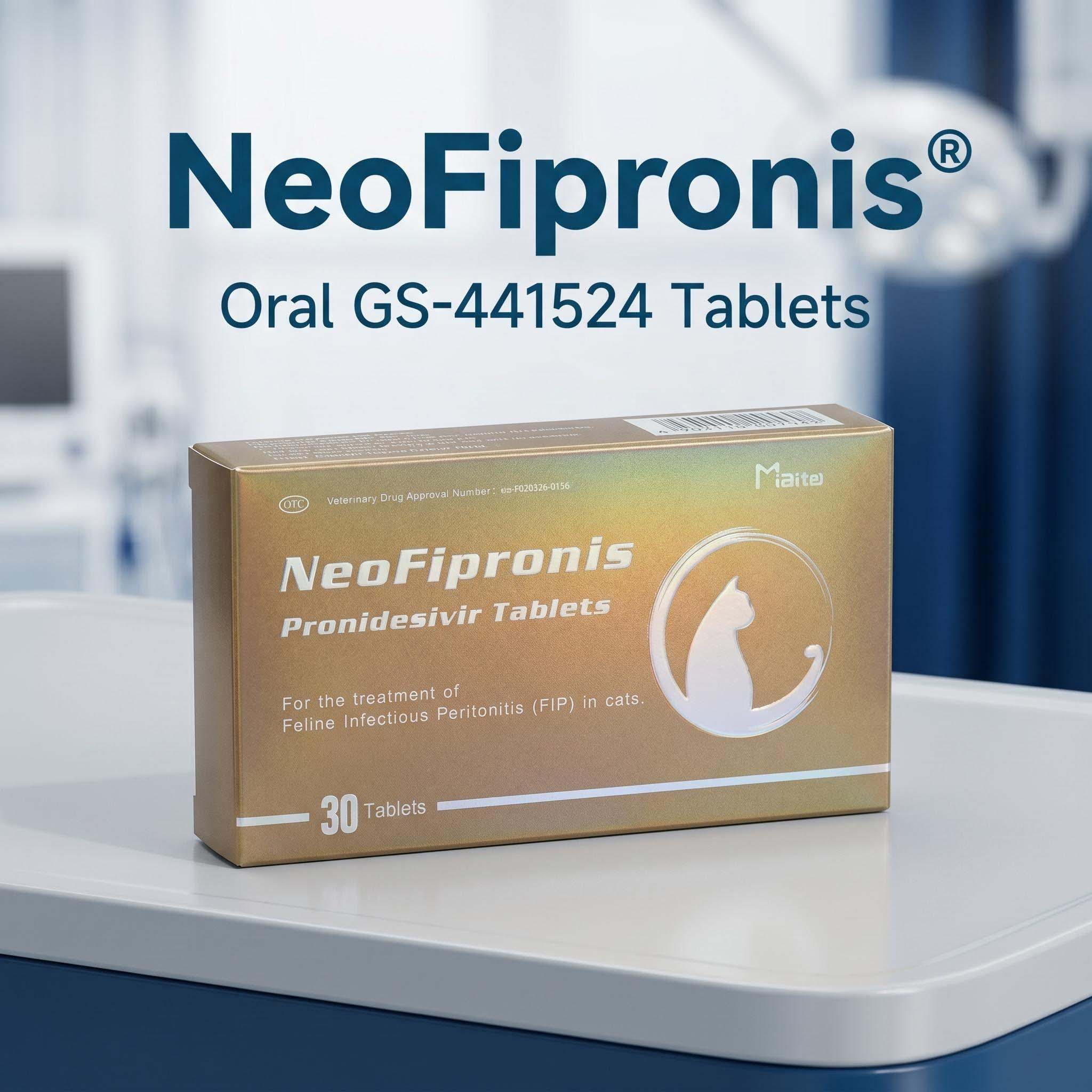
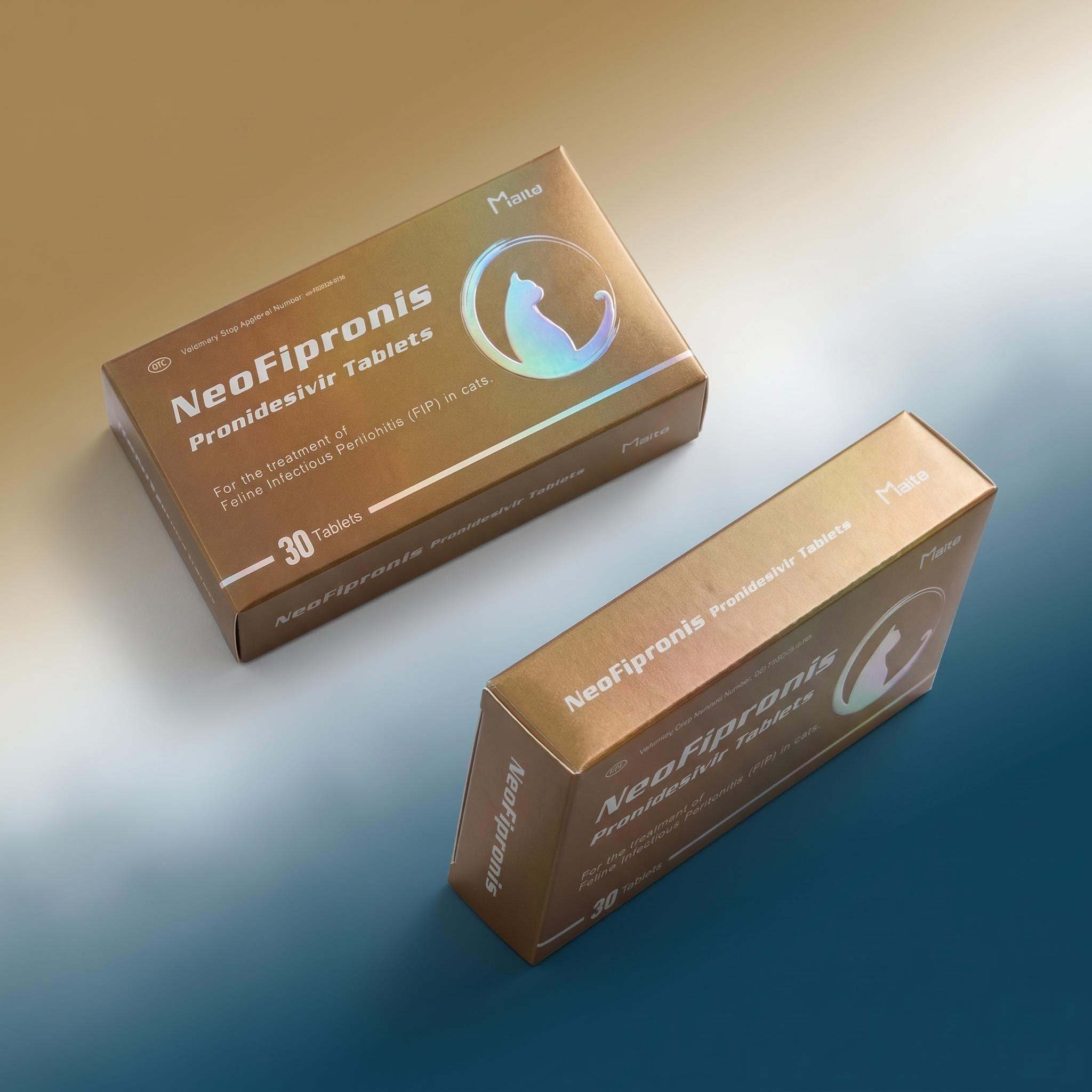
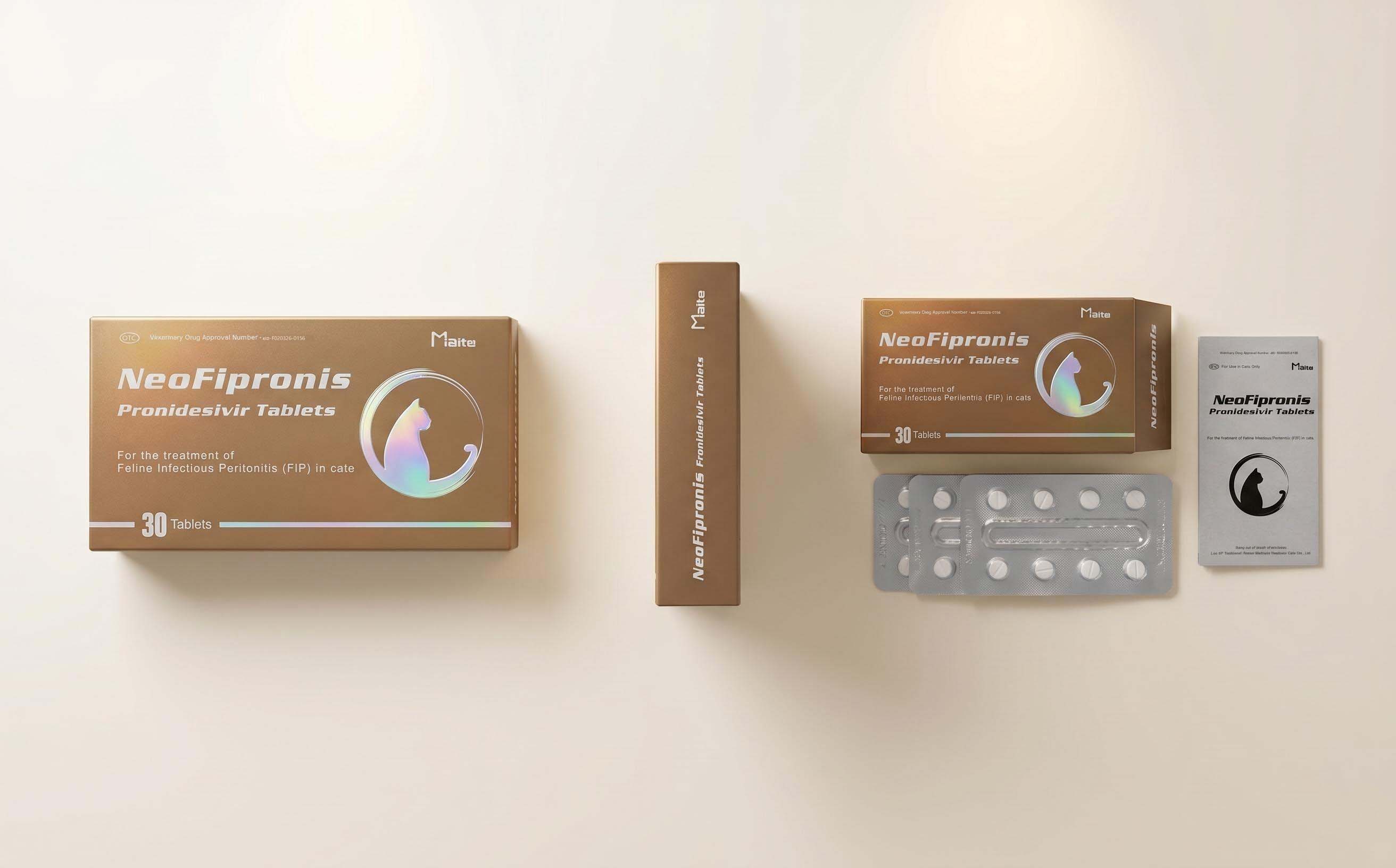
Product literature states the following: “Miaite NeoFipronis (Pronidesivir) GS-441524 is suitable for symptoms caused by feline infectious peritonitis (FIP), such as loss of appetite, lethargy, fever, ascites, pleural effusion, lymphadenopathy, inflammatory granulomas, nerve damage, and uveitis. It has excellent therapeutic effects on FIP. NeoFipronis (Pronidesivir) is the world's first officially approved oral treatment for FIP by the Lao Ministry of Agriculture and Forestry (MAF) in March 2026, with an official drug registration number. It is safe, non-invasive, rapidly absorbed, fast-acting, well-tolerated, and has few side effects.”
When discussing antiviral options, it is important to remember that treatment should always be guided by a veterinarian who understands FIP. The medication, dose, duration, and monitoring schedule must fit the cat’s condition, age, weight, and form of disease. Blood work during treatment helps assess liver function, inflammation, and overall progress. In many cases, the goal is not only to reduce symptoms but also to support a full return to normal appetite, energy, and daily activity. Cats that complete treatment and remain healthy afterward may be considered in remission, although continued observation is still wise.
Owners often ask whether a cat with FIP can live a normal life again. The answer depends on how early the disease is caught and whether the cat responds to therapy. Some cats recover quickly and return to play, grooming, and steady weight gain. Others need a longer recovery period, especially if they were very weak or had neurological or ocular signs. After treatment, follow-up visits help confirm that fever has resolved, fluid has disappeared, and blood values are improving. A cat that once seemed critically ill may still have a meaningful chance at long-term survival.
Diagnosis and treatment should never be delayed by waiting for perfect certainty. Because FIP can progress fast, a veterinarian may recommend starting therapy when the overall pattern strongly suggests the disease. This is especially true when a cat has classic signs such as persistent fever, abdominal fluid, low albumin, high globulins, or eye and nervous system involvement. Owners should also isolate sick cats from stressful environments, keep litter boxes clean, and reduce overcrowding where possible. Lower stress and better hygiene do not cure FIP, but they can support immune health and reduce complications.
Preventing feline coronavirus spread is also helpful, especially in shelters, catteries, and multi-cat homes. Clean litter box practices, reduced crowding, regular disinfection, and careful introduction of new cats may lower infection pressure. However, because feline coronavirus is widespread, prevention cannot eliminate all risk. Genetic susceptibility, stress, and immune response all play a role in whether FIP develops. That is why two cats exposed to the same virus may have completely different outcomes.
For cat owners searching online for “Can cats survive FIP,” the most useful answer is that survival is now possible and increasingly common with modern care. FIP is still a serious disease, and it remains dangerous without treatment. Even so, the outlook has changed dramatically compared with the past. Early veterinary evaluation, accurate monitoring, and appropriate antiviral therapy can turn a once-fatal diagnosis into a manageable medical challenge for many cats.
References
Scott-Moncrieff, J. C. R., et al., Feline Infectious Peritonitis: Diagnosis and Management
Pedersen, N. C., An Update on Feline Infectious Peritonitis: Diagnostics and Therapeutics
Addie, D. D., et al., Feline Coronavirus Infections and Feline Infectious Peritonitis
Cornell Feline Health Center, Feline Infectious Peritonitis
Merck Veterinary Manual, Feline Infectious Peritonitis
Zirkelbach, C. M., et al., Antiviral Therapy for Feline Infectious Peritonitis