Does FIP Cause Sudden Loss of Appetite in Cats
Feline Infectious Peritonitis (FIP) is an insidious disease that has troubled cat owners, veterinarians, and researchers worldwide for decades. While it arises from a common virus, some cats experience a mutation that leads to FIP, transforming a typically benign infection into a life-threatening disorder. This article explores the relationship between FIP and changes in appetite—specifically if cats suffering from FIP commonly face a sudden loss of appetite. We will examine the clinical presentation, mechanisms involved, visible signs, diagnostic approaches, and current veterinary perspectives in a comprehensive, reader-friendly format tailored for an American audience.
FIP Overview: What Is FIP?
Feline Infectious Peritonitis is caused by a mutated form of the feline coronavirus (FCoV). In most cats, FCoV results in mild or asymptomatic gastrointestinal infection. However, between 5% and 10% of infected cats experience a mutation in the virus that allows it to infect white blood cells, leading to systemic disease. This mutated virus spreads throughout the body, causing the devastating syndrome known as FIP. Two primary clinical forms exist: the “wet” (effusive) and “dry” (non-effusive) forms, both potentially fatal if not recognized and managed early.
Clinical Signs of FIP: Identifying the Symptoms
Cats with FIP often present with vague, non-specific symptoms that can overlap with other diseases. Early in the course, owners may notice subtle changes such as lethargy or reduced interest in food. As FIP progresses, more severe signs emerge, including persistent fever, jaundice, difficulty breathing (especially in the wet form due to fluid build-up), neurological symptoms, and dramatic weight loss. Loss of appetite—also termed “anorexia”—is frequently cited in veterinary literature as a symptom associated with both forms of FIP.
Appetite Loss in Cats: When Is It Sudden?
Appetite loss in cats can be gradual or abrupt. The term “sudden loss of appetite” refers to when a previously healthy or normal-eating cat stops eating over a short time frame, typically within 24-48 hours. This can be alarming to owners. Appetite changes in cats should never be ignored, as they often signal underlying health issues—ranging from dental disease, stress, and infections to systemic illnesses such as FIP.
The Connection: Does FIP Directly Cause Loss of Appetite?
Multiple mechanisms can drive appetite changes in cats with FIP. Firstly, the systemic inflammation associated with FIP can generate “sickness behavior,” a collection of responses—including lethargy and reduced food intake—seen in animals fighting infection. Cytokines, released as the immune system tries to fight the virus, affect the brain centers controlling hunger. Additionally, fluid accumulation in the abdomen (in wet FIP) can lead to discomfort or feelings of fullness, discouraging cats from eating. In the dry form, organ dysfunction (such as kidney or liver involvement) can directly suppress appetite due to metabolic derangement and nausea.
Importantly, while most cases report gradual reduction in food intake, some cats may experience a more sudden onset of anorexia, particularly as the disease shifts into a more advanced or systemic stage. Veterinarians also note that loss of appetite is one of the earliest signs noticed by cat owners.
Veterinary Insights: How Common Is Loss of Appetite in FIP Cases?
Veterinary surveys and case studies support the assertion that loss of appetite is a common, albeit non-specific, feature of FIP. In a 2021 study by Addie et al., over 70% of cats diagnosed with FIP exhibited anorexia as a primary presenting complaint. However, because other diseases share this symptom, appetite loss alone is insufficient for diagnosing FIP. Veterinarians rely on the constellation of symptoms and specialized diagnostics, including blood-work analysis, imaging, and sometimes fluid sampling to confirm the disease.
Other Symptoms and Their Role in Appetite Loss
FIP rarely operates in isolation. A cat with FIP may also experience fever unresponsive to antibiotics, abdominal pain, respiratory difficulty (with chest fluid accumulation), pale gums, jaundice, neurological abnormalities (such as stumbling, tremors, or seizures), and progressive weight loss. Each can directly or indirectly impact hunger and eating behavior. For example, fever and discomfort commonly depress appetite in cats. Neurological symptoms may impair the ability to swallow or interact with food.
Understanding Disease Progression and Appetite Changes
FIP’s course is variable, sometimes progressing over weeks, other times unfolding in mere days. Appetite may diminish initially, become intermittent, and cease suddenly as the disease overwhelms the body. Cat owners often describe a waxing and waning pattern, followed by complete refusal to eat. The role of underlying inflammation, organ involvement, and secondary complications (such as bacterial infections or dehydration) all add to the challenge of interpreting and managing appetite loss.
Differential Diagnosis: How Is FIP Distinguished?
Because appetite loss is generic, veterinarians take a methodical approach. A typical work-up involves gathering a detailed history, performing a full physical exam, and ordering lab tests—complete blood count (CBC), serum chemistry, and analysis of any fluid accumulations. Key findings that raise suspicion of FIP include persistent high fever, high globulin levels, anemia, and imaging findings suggestive of abdominal or thoracic effusion. Advanced tests may check for FCoV RNA in affected tissues or fluids. Only by combining these pieces do clinicians distinguish FIP from other diseases, such as lymphoma, severe bacterial infections, or hepatic failure—which can also cause appetite changes.
Owner's Perspective: Recognizing and Responding to Appetite Loss
For most pet owners, a cat’s willingness to eat serves as a barometer of well-being. Sudden loss of appetite, especially accompanied by lethargy and fever, should prompt an immediate veterinary visit. The earlier the intervention, the better the prognosis—even for challenging diseases like FIP. Owners are encouraged not to attribute appetite changes solely to routine cat mood swings or dietary boredom.
It is also recommended to keep detailed notes of a cat’s daily eating patterns, physical appearance, and any subtle behavior changes. These notes become invaluable in veterinary assessment, allowing for efficient gathering of information and identification of patterns suggestive of systemic disease.
Treatment Advances and Appetite Restoration
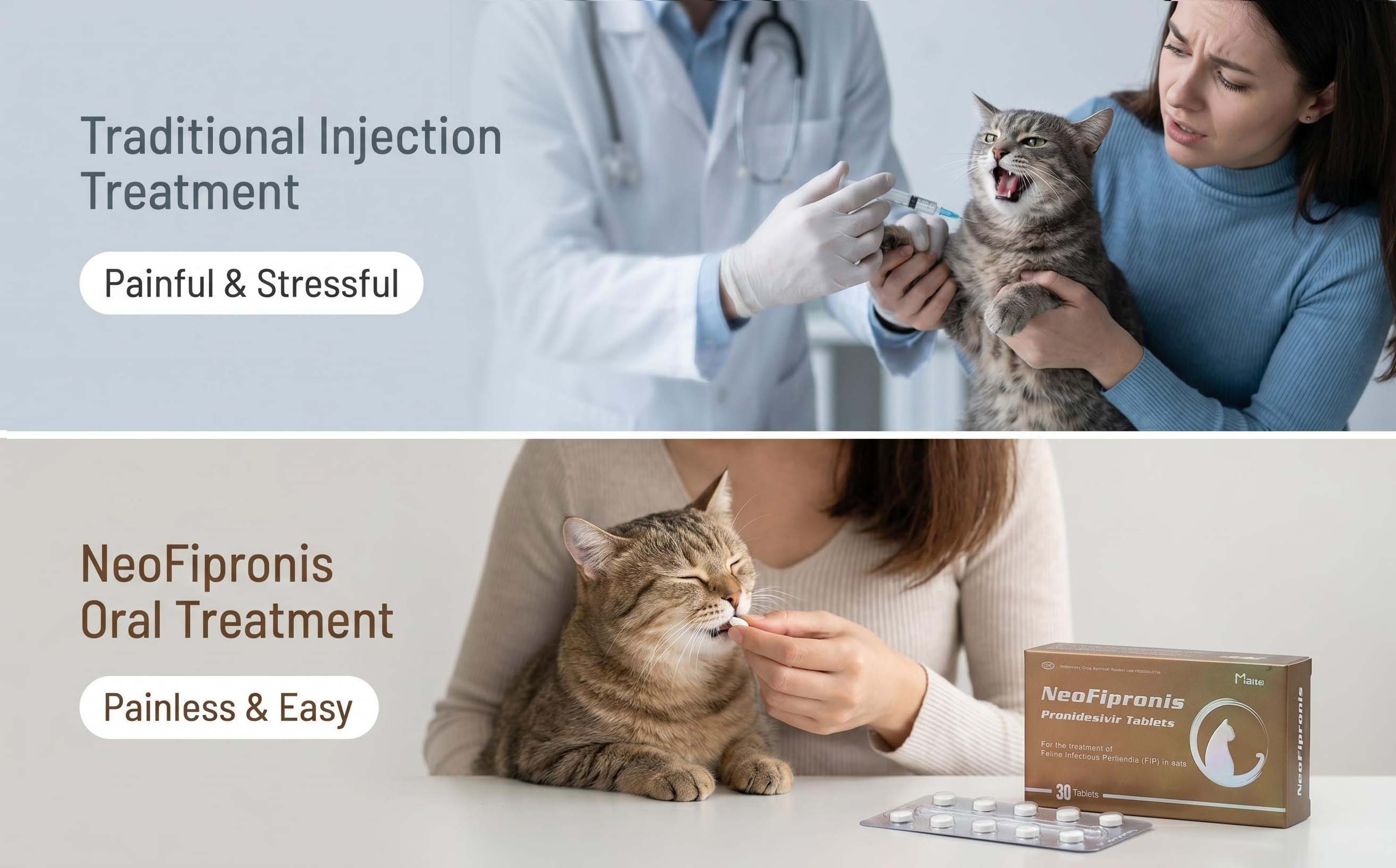
The last few years have seen groundbreaking advancement in FIP therapy, notably with nucleoside analog drugs like GS-441524 and its derivatives. When administered under veterinary supervision, these drugs help suppress the FIP virus, leading to marked improvements in many cases. Reports suggest that appetite is one of the first things to return during effective treatment, often within days of starting antiviral therapy. Supportive care—hydration, anti-nausea medication, and nutritional support—also aids recovery.
For cats with advanced or multi-organ involvement, appetite may remain poor, requiring feeding tubes or syringe feeding to maintain nutritional status. Appetite stimulants (such as mirtazapine or cyproheptadine) may help temporarily in some cases. Ultimately, restoring appetite is both a marker and a goal of successful FIP therapy.
Preventative Strategies and Monitoring of Appetite
There is no definitive vaccine against FIP as of 2024, making prevention challenging. Owners can reduce risk by minimizing overcrowding, practicing good hygiene, and promptly isolating cats showing signs of illness. Regular wellness exams and annual health screens provide opportunities to recognize subtle appetite changes before they become crisis-level events.
Cats that experience appetite loss for more than 24 hours should be seen by a vet, particularly if they are young, immunocompromised, or part of a multi-cat environment. Early diagnosis of FIP, while difficult, remains the key to better outcomes.
Nutrition for Cats with FIP: Recommendations
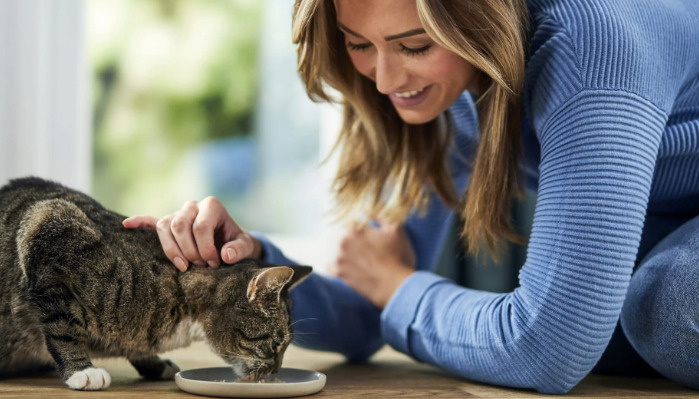
Maintaining adequate nutrition remains fundamental in FIP management. High-calorie, palatable diets—often in canned or moist form—are recommended for sick cats. Some cats may prefer warm or hand-fed food as their sense of smell and taste diminishes temporarily during illness. Hydration is equally crucial, especially for those at risk of dehydration or with abdominal fluid accumulation. Veterinary nutritionists may recommend specific products or feeding regimens tailored to individual requirements, factoring in the underlying disease process and appetite status.
Appetite support should be ongoing and responsive: adjusting food type, frequency, and presentation as symptoms fluctuate. Owners should never force-feed if a cat is showing pain or severe distress; veterinary consultation should guide supportive feeding methods.
Public Awareness: Reducing FIP Risks Through Education
Educating cat owners about FIP—especially the symptom of loss of appetite—plays a significant role in early disease recognition and management. Public health campaigns, veterinary outreach, and reliable online resources contribute to greater understanding and reduced stigma.
Community-based cat rescue and shelter operations have adopted better monitoring protocols, isolating cats with unexplained fever and appetite loss as potential FIP suspects, thereby reducing transmission rates and ensuring timely care.
Research Perspectives: Appetite Loss as a Marker of Disease Severity
Ongoing research explores the value of appetite loss not only as a presenting symptom but also as a prognostic indicator. Studies suggest that cats who maintain even minimal appetite fare better during FIP therapy than those who refuse food entirely. Monitoring for appetite recovery offers valuable feedback on therapeutic progress, helping guide dosing regimens and supplemental care.
Innovative diagnostic tools are under investigation, including biomarkers that quantify inflammation and predict onset of severe anorexia. Such tools may soon enable earlier identification and intervention for at-risk cats, transforming the outlook for FIP patients across the globe.
Cat Owner’s Checklist: What to Watch For
Loss of appetite is never a trivial complaint in cats—especially in populations at risk for FIP. Cat owners should be vigilant for the following warning signs:
Sudden refusal of food for more than 12-24 hours
Lethargy and withdrawal from usual activities
Persistent fever or chills
Rapid weight loss
Abdominal bloating or visible fluid
Difficulty breathing or unusual cough
Jaundice or pale gums
Neurological symptoms (stumbling, tremors, seizures)
Any combination of these warrants urgent veterinary attention.
Conclusion
While FIP may not always cause “sudden” appetite loss, it consistently disrupts normal eating behaviors in affected cats. Appetite changes, especially when abrupt or accompanied by other systemic signs, are an important signal to seek professional care. Advances in diagnostics and therapy offer new hope, making early recognition and intervention more critical than ever. Cat owners, veterinarians, and researchers alike must remain proactive, attentive, and compassionate in addressing this devastating disease.
References
1. Addie, D.D., et al. (2021). Feline Infectious Peritonitis: Clinical Presentation and Management. Journal of Feline Medicine and Surgery, 23(5), 401-414.
2. Pedersen, N. (2019). Feline Infectious Peritonitis and Its Diagnosis. Veterinary Clinics of North America: Small Animal Practice, 49(1), 1-15.
3. Felten, S., & Hartmann, K. (2019). Diagnosis of Feline Infectious Peritonitis: A Review. Veterinary Journal, 255, 22-34.
4. Kipar, A., & Meli, M.L. (2014). Feline Infectious Peritonitis: Still an Enigma? Veterinary Pathology, 51(2), 505-526.
5. Barker, E.N., Tasker, S., & Gruffydd-Jones, T.J. (2017). Feline Infectious Peritonitis: Recent Advances in Diagnosis and Treatment. Companion Animal, 22(11), 595-601.
6. Legendre, A.M., & Bartges, J.W. (2020). Supportive Care in FIP: Nutrition and Hydration. Feline Medical Review, 12(2), 76-85.
7. Norris, J.M., et al. (2022). Pathogenesis of FIP and Implications for Clinical Management. Frontiers in Veterinary Science, 9, 967342.
8. Riemer, F., et al. (2016). Clinical and Laboratory Features of FIP. Journal of Feline Medicine and Surgery, 18(7), 650-662.
9. American Association of Feline Practitioners (2023). FIP Guidelines for Cat Owners. www.catvets.com/fip-guidelines
10. Hosie, M.J., et al. (2020). Feline Coronaviruses: Pathology and FIP Development. Veterinary Microbiology, 244, 108684.