What is FIP
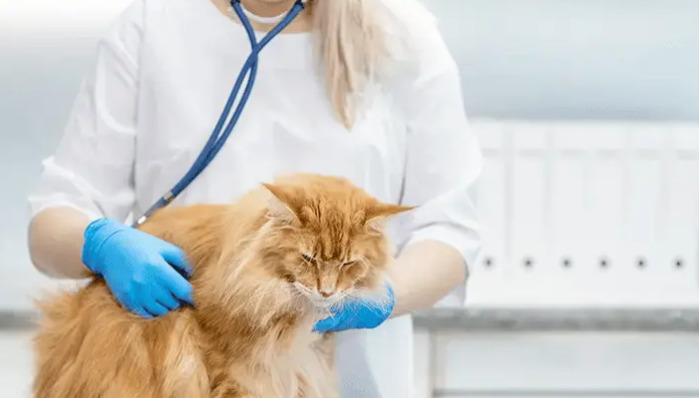
Feline Infectious Peritonitis (FIP) is a complex and often fatal disease affecting domestic cats and some wild feline species. It emerges as a complication of infection with a feline coronavirus (FCoV), which is widespread among cat populations. While many cats may carry FCoV without showing symptoms, some develop FIP, which is characterized by severe immune-mediated inflammatory responses.
Etiology and Transmission
FIP originates from a mutated form of feline coronavirus, which belongs to the family Coronaviridae. The initial infection commonly occurs through:
Oral ingestion of contaminated feces or food
Exposure to infectious secretions in multi-cat environments such as shelters or breeding facilities
For most cats, FCoV remains benign, causing mild gastrointestinal distress or no symptoms at all. However, in a small percentage of cases, the virus mutates within the host, leading to FIP.
Pathogenesis
The disease’s progression depends heavily on the host’s immune response:
In cats with a robust immune system, the infection might be contained or cleared.
In susceptible individuals, mutated FCoV triggers an exaggerated immune response.
This response causes widespread inflammation, especially in the abdominal cavity, kidneys, liver, brain, or eyes, resulting in the diverse clinical signs observed in FIP.
The immune-mediated nature of FIP means tissue damage is often more destructive than the virus itself.
Types of FIP
FIP manifests mainly in two forms:
Wet (Effusive) Form:
Characterized by the accumulation of fluid in body cavities, such as the abdomen or chest. Symptoms include distension, difficulty breathing, and a general decline in health.
Dry (Non-effusive) Form:
Lacks significant fluid buildup but involves granulomatous lesions in organs leading to symptoms like weight loss, neurological issues, or ocular abnormalities.
Some cats experience a transition between these forms, complicating diagnosis and treatment.
Clinical Signs
Since FIP can affect multiple organs, clinical signs are variable and often subtle. Common indicators include:
Fever that doesn't respond to antibiotics
Weight loss and loss of appetite
Lethargy and depression
Abdominal distension caused by fluid accumulation
Neurological signs such as ataxia or seizures
Ocular changes like scleral injection or retinal lesions
The variability makes early detection challenging, especially in the early stages.
Diagnosis Challenges
Diagnosing FIP is notoriously difficult due to overlapping symptoms with other feline diseases. There is no single definitive test. The diagnostic approach involves:
Complete medical history and physical examination
Blood work showing inflammatory markers and sometimes anemia
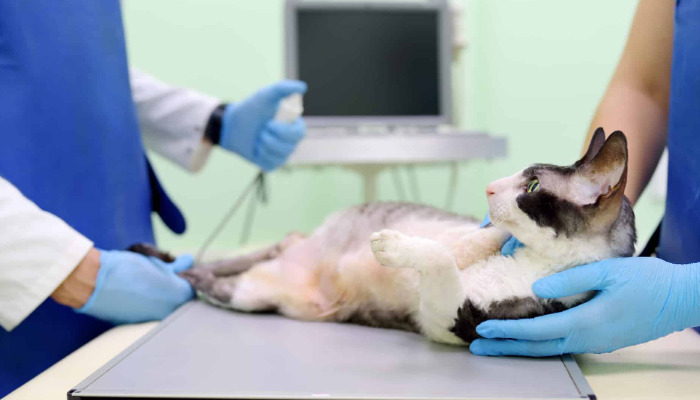
Imaging studies like ultrasound to detect fluid accumulation or organ lesions
Laboratory tests for coronavirus antibodies or viral RNA — yet, their presence isn’t conclusive since many cats carry FCoV without developing FIP
Analysis of effusions, if present, to identify characteristic protein levels and cytology
Advanced diagnostics like tissue biopsies or specialized PCR tests can aid, but often, a definitive diagnosis remains elusive until post-mortem examination.
Treatment Options and Prognosis
Currently, FIP is considered incurable, with most affected cats facing a poor prognosis. Traditional management focuses on supportive care, including:
Fluid therapy to alleviate dehydration
Anti-inflammatory medications to reduce immune responses
Immunosuppressive drugs in some cases
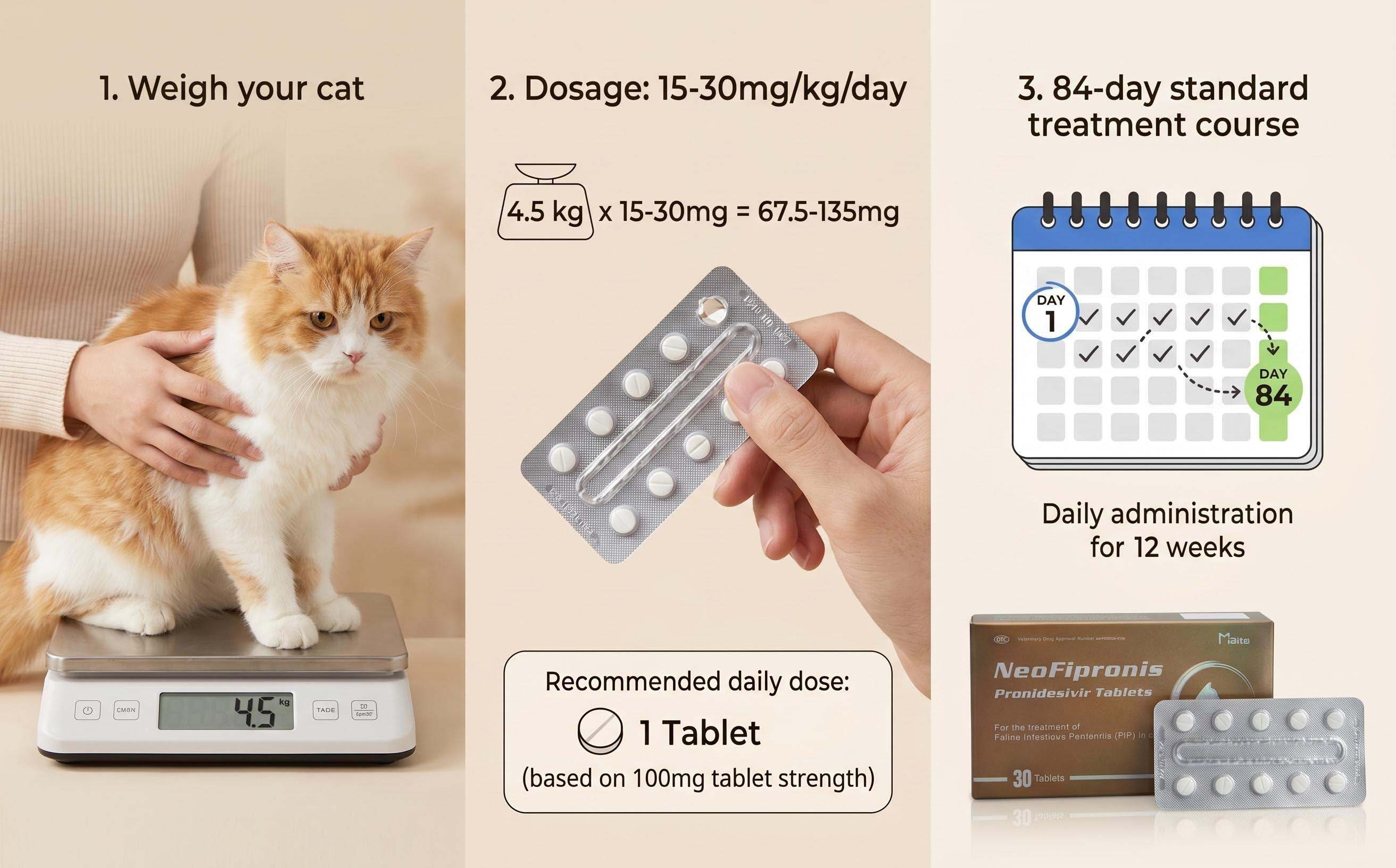
Novel antiviral agents showing promise in experimental settings have emerged, such as GS-441524, but these are not yet widely approved or accessible. The disease's course can be rapid, and survival beyond a few months remains uncommon.
Prevention Strategies
Vaccine development for FIP has faced significant hurdles, and existing vaccines offer limited protection. Preventative measures focus on reducing exposure:
Keeping cats in low-density, clean environments
Practicing strict hygiene and sanitation in multi-cat households
Screening for FCoV in multi-cat setups and isolating infected cats
Reducing stress, which can influence disease progression
Understanding the dynamics of coronavirus mutations within individual cats emphasizes the importance of monitoring and managing infections carefully.
Emerging Research and Future Outlook
Recent studies suggest that understanding the immune response pathways involved in FIP could open doors to targeted therapies. Researchers are exploring immunomodulators, antiviral compounds, and genetic factors influencing susceptibility.
Furthermore, advancements in genomic technologies are enabling deeper insights into the viral mutations associated with FIP. As a result, the future might hold more effective diagnostic tools and promising treatments, transforming the outlook for cats diagnosed with this once dire disease.
A deeper understanding of FIP underscores its complexity, reiterating the importance of ongoing research, responsible pet ownership, and vigilant healthcare practices to mitigate its impact.