Does FIP Affect Appetite First

Feline Infectious Peritonitis (FIP) is a serious, often fatal disease that impacts domestic cats worldwide. Caused by a mutated strain of the feline coronavirus (FCoV), FIP has puzzled veterinarians and cat owners alike due to its complex presentation and variable progression. One common question is whether a loss of appetite is an initial symptom, or if it tends to develop later in the disease course.
Understanding FIP and Its Pathogenesis
FIP develops when a feline coronavirus mutates within the host, leading to a severe inflammatory response. The disease primarily manifests in two forms: the "wet" or effusive form, characterized by fluid accumulation in body cavities, and the "dry" or non-effusive form, marked by granulomatous tissue formation. Both types involve widespread immune system involvement, especially affecting the blood vessels and tissues.
The clinical signs depend on the form and stage of FIP. Symptoms generally include lethargy, weight loss, fever, and, in some cases, neurological or ocular signs. Since FIP affects multiple organ systems, the clinical picture can vary significantly among affected cats.
Appetite Changes in FIP: A Common Symptom?
Among the various clinical signs, appetite loss—or anorexia—is frequently observed in cats with FIP. However, the question remains: does appetite decline occur early in the disease, serving as a potential initial indicator, or does it develop as a consequence of more advanced illness?
Early vs. Late Presentation
Research and clinical observations suggest that decreased appetite can be among the early symptoms of FIP, but it is not always the first sign. Many cats initially present with subtle changes, such as slight lethargy or a mild fever, with anorexia developing as the disease progresses. Nonetheless, some cats may abruptly stop eating before other noticeable symptoms appear, especially in cases with neurological involvement where central nervous system inflammation impacts the cat’s ability or desire to eat.
Mechanisms Behind Appetite Loss
Multiple factors contribute to anorexia in FIP. The systemic inflammation triggers cytokine release, which can suppress appetite. Additionally, fluid accumulation in the abdomen or chest can cause discomfort, making eating unpleasant. Organ involvement, such as liver or kidney damage, may also impair metabolic functions related to appetite regulation.
Furthermore, neurological signs, such as depression or disorientation, can diminish a cat’s interest in food, often arising in the later stages but sometimes presenting earlier in neurological FIP cases.
Variability Among Individual Cats
It is important to recognize that not all cats exhibit the same progression. Some may show appetite loss early on, while others might maintain a normal appetite until more severe symptoms emerge. Age, immune response, and the form of FIP can influence this progression. For instance, kittens and young cats are more prone to rapid progression and early loss of appetite, whereas older cats might experience a more insidious course.
Diagnosing FIP Based on Appetite and Other Symptoms
While appetite loss is a significant clinical sign, it is rarely specific to FIP alone. Veterinarians rely on a combination of symptoms—such as persistent fever unresponsive to antibiotics, weight loss, abdominal distension, neurological signs, and laboratory findings—to reach a diagnosis. Recognizing that appetite decline can be an early sign is helpful, but it should be considered alongside other clinical and laboratory data.
Implications for Pet Owners and Veterinarians
Awareness that appetite loss can occur early in FIP emphasizes the importance of prompt veterinary consultation when a cat shows even subtle changes in eating behavior. Early detection remains challenging due to the disease's variable presentation, but understanding the potential progression can aid in faster diagnosis and management.
Current Treatment and Prognosis
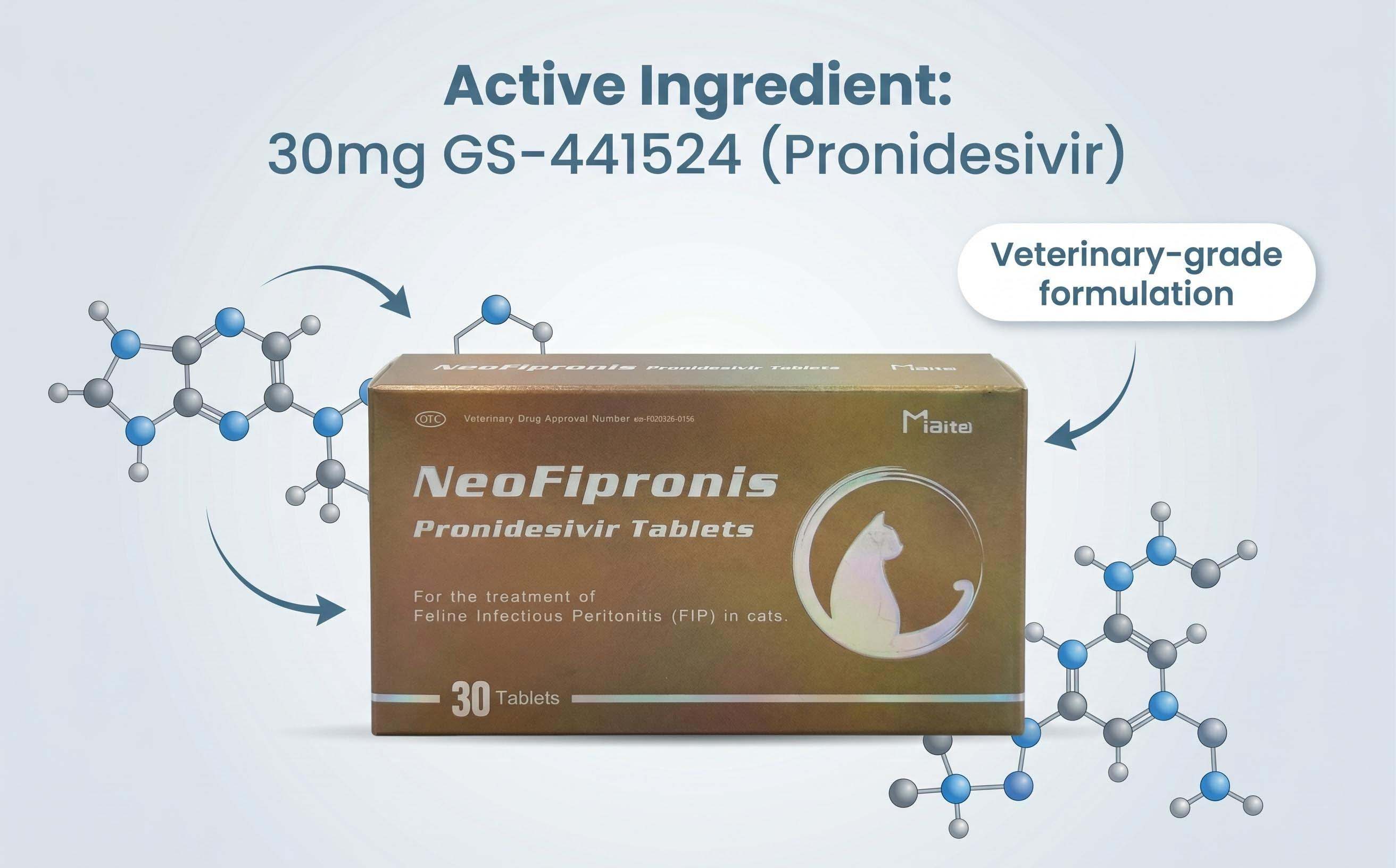
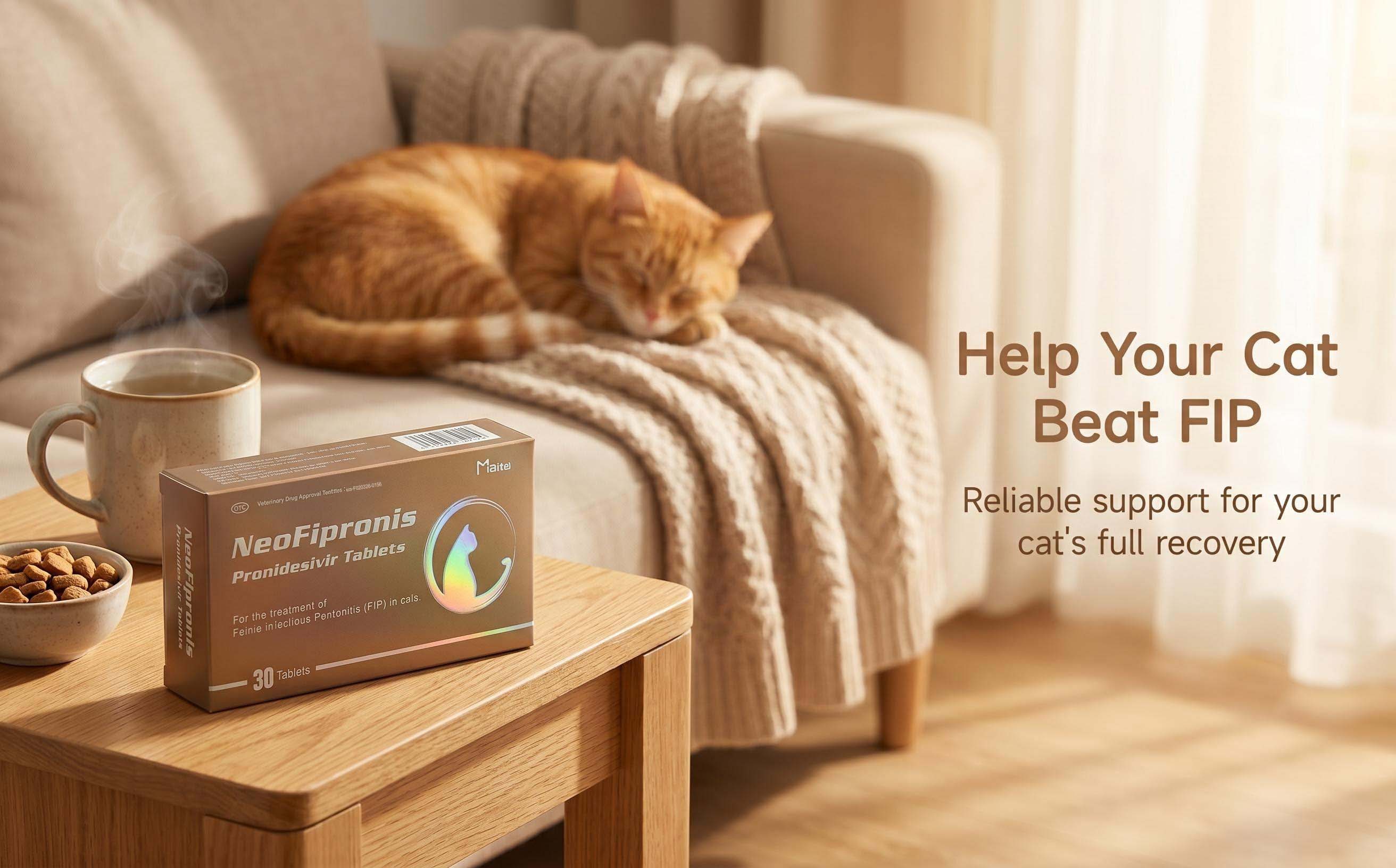
Unfortunately, FIP has historically been considered almost universally fatal. Nevertheless, recent advances in antiviral treatments have shown promise in some cases, especially if diagnosed early. Supportive care, symptomatic treatment, and potential antiviral therapy can improve quality of life temporarily, but no definitive cure exists as of now.
Conclusion
In summary, appetite loss in cats with FIP can sometimes be an early symptom, but it often develops later as the disease advances. The variability depends on multiple factors, including the form of FIP and the individual cat's immune response. Recognizing subtle early signs, including decreased appetite, and seeking veterinary care promptly can make a significant difference in the management of this complex disease.
References
1. Pedersen, N. C., & Black, J. W. (2010). Feline infectious peritonitis: Recent development in diagnosis and treatment. Veterinary Clinics of North America: Small Animal Practice, 40(4), 853-866.
2. Kipar, A., & Menges, R. (2014). Pathogenesis of feline infectious peritonitis. Advances in Veterinary Medicine, 66, 245-261.
3. Addie, D. D., et al. (2009). The role of feline coronavirus in feline infectious peritonitis. veterinary Journal, 180(2009), 133-139.
4. Pennisi, M. G., et al. (2018). Feline infectious peritonitis: Recent advancements in diagnosis and treatment. Veterinary Medicine and Science.
5. Herrewegh, A. A., et al. (1995). Feline coronavirus type I and II: Molecular characterization and phylogenetic analysis. Journal of General Virology, 76(3), 715-722.