Is FIP Treatable With Modern Treatment Options

Feline Infectious Peritonitis (FIP) has long been regarded as a fatal disease among cats, sparked by a mutation of the feline coronavirus. Historically, veterinary professionals believed there was no effective cure, leading to immense distress among cat owners and practitioners alike. Over the past few years, rapid advances in diagnostics, antivirals, and immunotherapies have shifted the narrative: FIP may no longer be untreatable. This article analyzes current modern treatment strategies, breaking down how recent scientific progress has transformed the outlook for affected cats.
Understanding FIP: Etiology and Pathogenesis
FIP arises when feline coronavirus mutates in an infected cat, causing a switch from benign enteric infections to lethal systemic disease. Feline coronavirus itself is extremely common; transmission typically occurs via the fecal-oral route among groups of cats, especially in shelters and breeding facilities. Not all cats exposed to feline coronavirus will develop FIP; only a tiny percentage experience the dangerous mutation. FIP manifests in two major forms: effusive (“wet,” causing fluid accumulation in body cavities) and non-effusive (“dry,” causing granulomatous lesions in organs). Clinical signs often start subtly: fever, weight loss, lethargy, inappetence, and jaundice. In severe cases, accumulation of abdominal or thoracic fluid leads to breathing difficulties or neurological symptoms.
Historical Perspective: Untreatable Prognosis
For decades, veterinarians focused almost exclusively on supportive care: fluid therapy, nutritional support, corticosteroids for inflammation, and broad-spectrum antibiotics to prevent secondary infections. Despite these efforts, prognosis remained grim, with survival times post-diagnosis often less than months. Euthanasia was a frequent outcome. The lack of disease-specific therapies gave rise to substantial research into FIP pathogenesis, leading to the search for targeted treatment options.
Modern Diagnostic Tools
FIP’s clinical presentation frequently overlaps with other feline diseases, making definitive diagnosis a challenge. Blood tests often reveal anemia, increased globulins, and decreased albumin levels. Recently, Polymerase Chain Reaction (PCR) assays targeting the mutated FIP virus have greatly improved diagnostic specificity, enabling early and more accurate detection. Immunohistochemistry and analysis of effusion fluid for FIP virus antigens and gene mutations further confirm diagnosis. The use of sophisticated imaging modalities, like ultrasound and CT scans, assists in detecting fluid accumulations and organ involvement.
Revolution in Antiviral Therapy
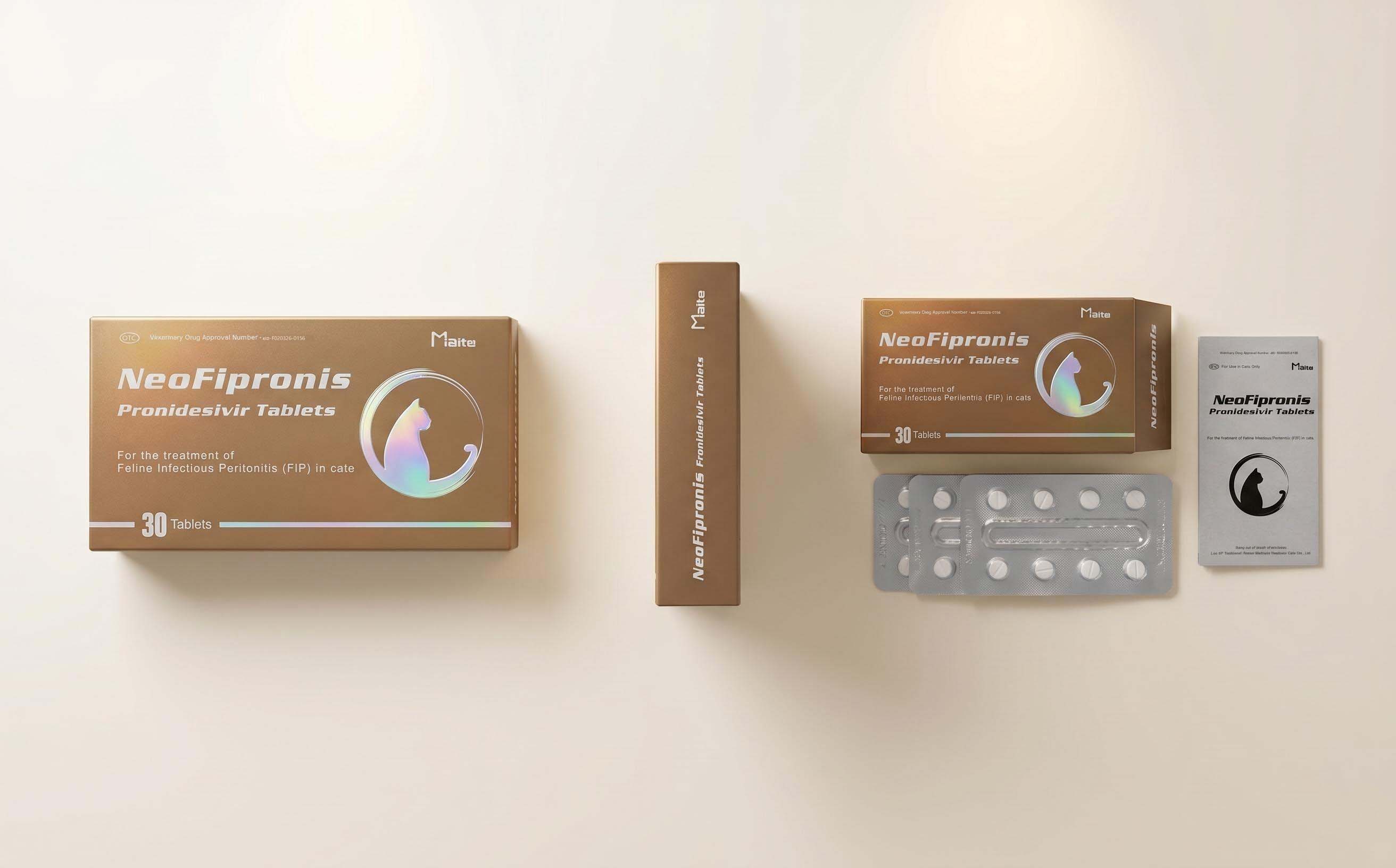
The most critical leap in FIP management arrived in the form of novel antiviral drugs. GS-441524, an adenosine nucleoside analog that inhibits viral RNA replication, has emerged as a groundbreaking therapy. Unlike previous treatment modalities, GS-441524 directly targets the mutated FIP virus. Clinical trials and field reports have shown dramatic improvement in cats treated with GS-441524, including complete recovery in many cases. This medication, first tested by researchers at UC Davis, has been used off-label in the U.S., making headlines among cat guardians and veterinarians.
GC376 is another protease inhibitor that blocks FIP virus replication. While GS-441524 has garnered more success in practice, GC376 remains an important option, particularly for cases with neurological symptoms or relapsing disease. Both drugs have demonstrated effectiveness via daily subcutaneous injections over 12-16 weeks, though oral formulations are now under development for easier administration.
Barriers and Accessibility
Although GS-441524 has transformed FIP therapy, its use is complicated by regulatory and commercial hurdles. At present, GS-441524 is not officially FDA-approved for veterinary use. Responsible cat owners have acquired unlicensed products through online sources, raising concerns regarding product purity, dosing accuracy, and safety. Several advocacy organizations continue to push for proper drug approval, clinical trial expansion, and widespread accessibility. Veterinary professionals must navigate ethical and legal boundaries while prioritizing patient welfare.
Combination Therapies and Adjuncts
Immunity plays a major role in FIP progression. Some studies suggest combining antivirals with immunomodulators—such as interferon or polyprenyl immunostimulant—to enhance host resistance to viral replication. Corticosteroids and anti-inflammatory drugs serve as adjuncts in severe cases to reduce pain and inflammation. Supportive care remains essential, focusing on proper hydration, nutrition, and management of secondary infections.
Effectiveness in Practice
Published case series and anecdotal reports reveal that up to 80-90% of cats treated early with GS-441524 survive long-term. Success rates depend on FIP subtype, severity, organ involvement, age, and how quickly therapy is initiated. Wet FIP responds faster to antiviral intervention than dry or neurological forms, which may require longer or higher-dose regimens. Most responding cats exhibit rapid improvement in appetite, weight, fever resolution, and activity levels within two weeks. Regular blood work, ultrasound, and clinical monitoring are essential throughout and after the treatment period to gauge response and watch for relapse.
Potential Side Effects
Initial studies report minimal and manageable side effects: transient pain and swelling at injection sites, mild liver enzyme elevation, and occasional gastrointestinal upset. Rarely, cats experience relapse after initial improvement, necessitating retreatment or dose escalation. Proper monitoring and individualized therapy reduce the likelihood of complications.
Challenges in Treatment Delivery
Due to the need for daily injections over several months, treatment protocols pose logistical and financial challenges. Many cat owners lack experience administering injections, leading to stress for cats and caregivers alike. Training, guidance from veterinary professionals, and online support groups empower owners to succeed with home-based protocols. Improving affordability and scaling veterinary access to antivirals will be critical to ongoing progress.
Emerging Therapies and Future Directions
Research on new generations of antivirals, improved immunotherapies, and potential vaccines continues. Ongoing developments promise oral drugs with excellent bioavailability and safety. Nanotechnology, gene editing, and targeted immunomodulation offer future hope. Clinical trials are evaluating newer protease inhibitors and host-directed therapies for refractory or relapsed cases. Potential FIP vaccines are in early research phases, striving to induce robust immunity without triggering pathological inflammation. Advances in feline coronavirus genetics and disease modeling will further sharpen FIP management and prevention strategies.
Societal Impact and Owner Advocacy
The arrival of effective treatment options for FIP has profound impact on cat owners, shelter systems, and veterinary medicine. Enthusiastic advocacy groups actively disseminate treatment information and support families in crisis, transforming what was once a hopeless diagnosis into a manageable condition. Veterinary professionals are adapting protocols, updating guidelines, and implementing rigorous diagnostic standards. Social media communities and nonprofit organizations provide resources, emotional support, and networking for those affected. Ethical controversies regarding unregulated drug sourcing underscore the need for comprehensive legislative solutions to legitimize and expand therapeutic access.
Costs and Resource Allocation
Treatment costs can be substantial; GS-441524 courses may run anywhere from $3,000 to $10,000 or more, depending on cat weight and recovery speed. Additional expenses include diagnostics, supportive medications, and veterinary oversight. Nonprofit organizations and veterinary schools increasingly provide subsidized access and sliding-scale fees to assist affected families. As drug approval broadens and competition grows, prices are expected to decline, making therapy attainable for more cat owners.
Veterinary Perspectives and Continuing Education
Veterinarians play a critical role in identifying, diagnosing, and treating FIP, as well as providing emotional guidance to owners. Continuing education on antiviral protocols, diagnostics, and side effect management is essential for best patient outcomes. Some practices are forming FIP specialty clinics and telemedicine services for remote counseling and monitoring. Veterinary schools are introducing FIP modules into the curriculum, ensuring new graduates are prepared to handle this once-intractable disease.
Global Context
While the U.S. and Europe have seen breakthrough developments, many regions—especially in Asia, South America, and Africa—struggle with drug access and regulatory challenges. Collaborative efforts are underway to globalize FIP research, harmonize disease reporting standards, and extend drug access through compassionate use programs. International veterinary organizations increasingly recognize FIP as a model for rapid therapeutic innovation in animal medicine.
Prevention, Screening, and Shelter Impact
Efforts at the population level focus on reducing feline coronavirus spread through proper hygiene, population density management, and early screening in multi-cat households. Vaccination against feline coronavirus provides partial protection, reducing but not eliminating FIP risk. Regular health checks, prompt isolation of sick cats, and thorough facility disinfection help curtail outbreaks, especially in shelters and catteries.
Conclusion
State-of-the-art treatment options—primarily the introduction of GS-441524—have radically altered the FIP prognosis. What was once a terminal disease can now be effectively treated in the majority of cases given timely intervention and proper dosing. Ongoing hurdles with drug approval, affordability, and accessibility underscore the need for continued advocacy and research. Rapid progress in diagnostic tools, adjunct therapies, and owner education promise an optimistic future for FIP-affected cats and the veterinary industry.
References
1. Pedersen, N. C., et al. (2019). Efficacy and safety of the nucleoside analog GS-441524 for cats with naturally occurring feline infectious peritonitis. Journal of Feline Medicine and Surgery, 21(4), 271–281.
2. Murphy, B., et al. (2020). Feline infectious peritonitis: Developments in diagnosis, pathogenesis, and treatment. Veterinary Clinics: Small Animal Practice, 50(5), 1011–1027.
3. Izes, A. M., et al. (2020). Feline infectious peritonitis: A review of current status and future directions. Pathogens, 9(9), 757.
4. Dickinson, P. J., et al. (2020). Antiviral therapy for coronavirus disease in cats: GC376 trial results. Veterinary Microbiology, 247, 108784.
5. Hartmann, K. (2022). Advances in feline infectious peritonitis diagnosis and therapy. Veterinary Journal, 278, 105789.
6. Addie, D. D., & Jarrett, O. (2020). Coronavirus infections in cats: Feline infectious peritonitis. Veterinary Record, 186(21), 652–656.
7. Hosie, M. J., et al. (2021). Vaccination against feline coronavirus: Prospects and challenges. Viruses, 13(7), 1377.
8. American Association of Feline Practitioners (2022). Feline Infectious Peritonitis: Practice Guidelines and Resources.
9. U.S. Food and Drug Administration (FDA). (2021). Animal Drug Approval Process for Feline Infectious Peritonitis Therapies.
10. UC Davis Center for Companion Animal Health. All About FIP Research and Treatment. Available: https://ccah.vetmed.ucdavis.edu/fip-research