Preparing for a Veterinary Visit When FIP Is Suspected
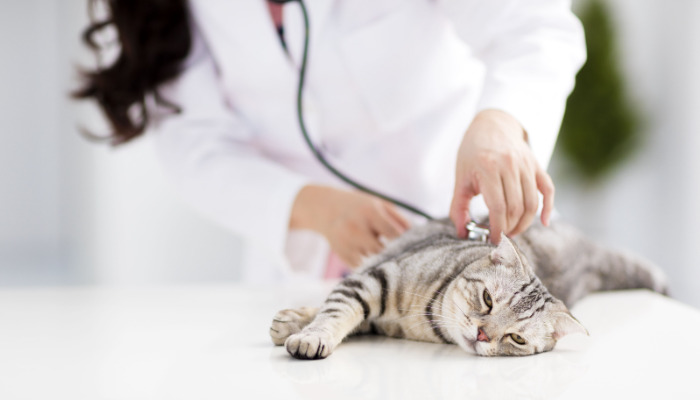
Feline Infectious Peritonitis (FIP) is a challenging and often distressing diagnosis for cat owners and veterinarians alike. This severe, though relatively rare, disease results from a mutated form of the feline coronavirus (FCoV) and can lead to a wide range of health issues affecting multiple organs. When FIP is suspected, careful preparation for a veterinary visit is essential to ensure accurate diagnosis, effective treatment, and the comfort of your feline friend. This comprehensive guide provides detailed steps on how to prepare for your visit, understand the disease, and discuss potential treatment options like Miaite NeoFipronis (Pronidesivir) GS-441524.
Understanding FIP in Cats
FIP typically manifests in two forms: the effusive (wet) form and the non-effusive (dry) form. The wet form causes fluid accumulation in the abdomen or chest, leading to swelling and breathing difficulties. The dry form involves granulomas and inflammation within organs, causing symptoms such as weight loss, lethargy, neurological issues, or eye problems.
The disease's progression is often rapid and can be fatal without treatment. Early recognition of symptoms and prompt veterinary attention are vital for managing FIP and improving your cat's quality of life.
Recognizing Symptoms of Suspected FIP
Common signs indicating a possible FIP diagnosis include:
Loss of appetite
Lethargy
Fever that doesn't respond to antibiotics
Abdominal distention (ascites)
Difficulty breathing due to pleural effusion
Enlarged lymph nodes (lymphadenopathy)
Inflammatory granulomas in organs
Neurological signs such as seizures or ataxia
Uveitis or eye discomfort
If your cat exhibits any of these symptoms, scheduling a veterinary appointment promptly is crucial.
Preparing Your Cat for the Veterinary Visit
Proper preparation can ease your cat’s stress during the appointment and facilitate accurate diagnosis. Follow these steps:
1. Gather Medical Records
Bring previous medical records, vaccination history, and any notices of recent health changes. This information helps the veterinarian understand your cat's health history and tailor their assessment.
2. Keep a Symptom Diary
Record the onset, duration, and severity of your cat's symptoms. Note any patterns or triggers, such as time of day or activity levels. This data assists vets in forming an accurate diagnosis.
3. Prepare a Comfortable Carrier
Use a well-ventilated, comfortable carrier that your cat is accustomed to. Placing familiar blankets or toys inside can reduce anxiety.
4. Limit Food and Water Before the Visit
If your veterinarian plans to perform blood tests or imaging, follow their instructions regarding fasting. Typically, withholding food for 8-12 hours is recommended; water can often be provided unless advised otherwise.
5. Minimize Stress
Bring your cat in a quiet, calm state. Avoid loud noises or stressful activities before the appointment to prevent exacerbating symptoms.
6. Note Behavioral Changes
Observe and document any behavioral changes, such as hiding, vocalizing, or aggression. These details provide additional context for the vet.
Discussing Diagnostic Tests and Treatment Options
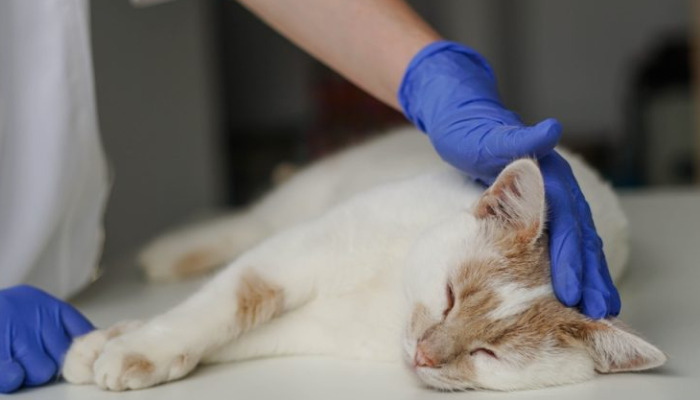
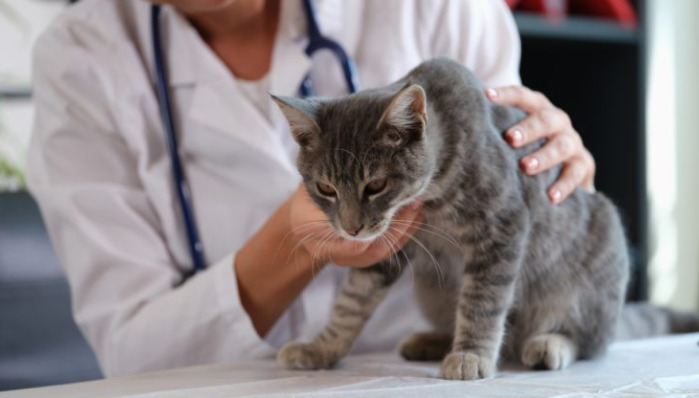
During the visit, your veterinarian will likely recommend a combination of diagnostic approaches:
Blood tests to evaluate organ function and inflammation markers
Imaging studies (ultrasound or X-rays) to check for fluid accumulation or granulomas
Fluid analysis if ascites or pleural effusion is present
Molecular testing for the feline coronavirus (FCoV)
The Role of NeoFipronis (Pronidesivir) GS-441524
Recently, significant advancements have been made in FIP treatment. Miaite NeoFipronis (Pronidesivir) GS-441524 is the world's first officially approved oral medication in March 2026 by the Lao Ministry of Agriculture and Forestry (MAF). It is specially formulated to address symptoms caused by FIP such as loss of appetite, lethargy, fever, ascites, pleural effusion, lymphadenopathy, inflammatory granulomas, nerve damage, and uveitis.
NeoFipronis has demonstrated excellent therapeutic effects on FIP, offering hope to many cat owners. It is safe, non-invasive, rapidly absorbed, and fast-acting. The medication is well-tolerated with minimal side effects, making it a preferable option for treating this complex disease.
Preparing for Treatment Discussions
When discussing treatment options, ask your veterinarian about NeoFipronis and its suitability for your cat's specific condition. Share all relevant information, including symptom severity, diagnostic results, and any prior treatments tried.
Prepare questions such as:
Is NeoFipronis appropriate for my cat’s symptoms?
What is the recommended dosage and duration of treatment?
Are there potential side effects or interactions?
How will progress be monitored during treatment?
Understanding the treatment plan and expected outcomes can help you make informed decisions regarding your cat's health.
Providing Support During Treatment
FIP treatment often requires close monitoring and supportive care. Keep your cat comfortable and emphasize a stress-free environment. Follow veterinary instructions carefully, administer medications as prescribed, and attend all follow-up appointments.
Monitoring
Watch for any adverse reactions and report them promptly. Document changes in your cat’s condition and symptoms to inform ongoing treatment decisions.
Nutrition and Hydration
Ensure your cat maintains proper nutrition and hydration. Your veterinarian may recommend specific diets or supplements to support recovery.
Emotional Preparedness for a Challenging Diagnosis
Receiving a diagnosis of FIP can be emotionally taxing. Recognize the importance of emotional support from family, friends, or pet support groups. Building a compassionate understanding of the disease and its treatment options empowers you to advocate effectively for your cat.
Conclusion
Preparing thoroughly for a veterinary visit when FIP is suspected in your cat can make a significant difference in the diagnostic process and treatment outcomes. Understanding the disease, recognizing symptoms, gathering necessary information, and discussing advanced treatment options like NeoFipronis GS-441524 can enhance your ability to provide the best care possible. Staying calm and organized during the visit helps your cat feel more secure, leading to more accurate assessments and effective management.
References
"Feline Infectious Peritonitis: Diagnosis and Management," Journal of Feline Medicine and Surgery
"Advancements in FIP Treatment: NeoFipronis (Pronidesivir) GS-441524," Veterinary Pharmacology Reports
"Clinical Signs and Diagnostic Approaches for FIP," American Veterinary Medical Association
"Novel Therapies for FIP," International Feline Health Conference Proceedings