Can Cats Be Bathed During FIP Treatment
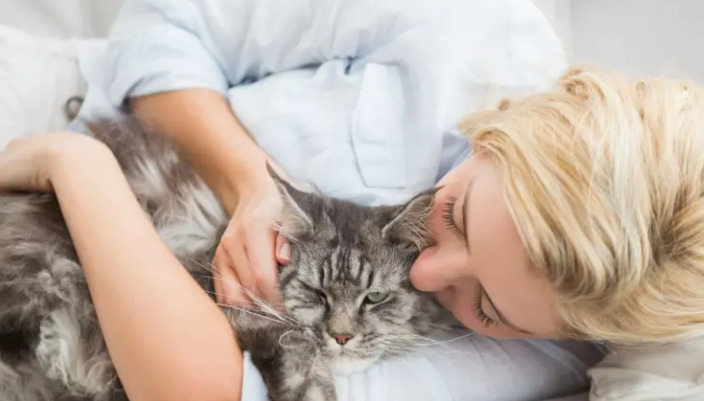
Feline Infectious Peritonitis (FIP) was once perceived as a fatal disease with limited treatment options, but advances in veterinary medicine have shifted the prognosis for many affected cats. As therapies such as GS-441524 become increasingly accessible, pet owners seek guidance on routine aspects of feline care during FIP treatment—including whether bathing is safe or advisable. This exploration addresses the question directly, presenting expert-driven insights and practical advice rooted in scientific and clinical understanding.
Understanding Feline Infectious Peritonitis (FIP)
FIP results from infection with a mutated form of feline coronavirus (FCoV), which most commonly infects kittens and young cats. While many cats harbor FCoV with minimal symptoms, the rare mutation that leads to FIP results in systemic disease affecting the abdomen, chest, eyes, or nervous system. Clinical signs vary dramatically; effusive (wet) FIP is characterized by abdominal or thoracic fluid, whereas non-effusive (dry) FIP often involves granulomatous lesions in organs, eyes, or brain. Typical symptoms include lethargy, weight loss, fever unresponsive to antibiotics, decreased appetite, and, in some instances, neurological or ocular involvement.
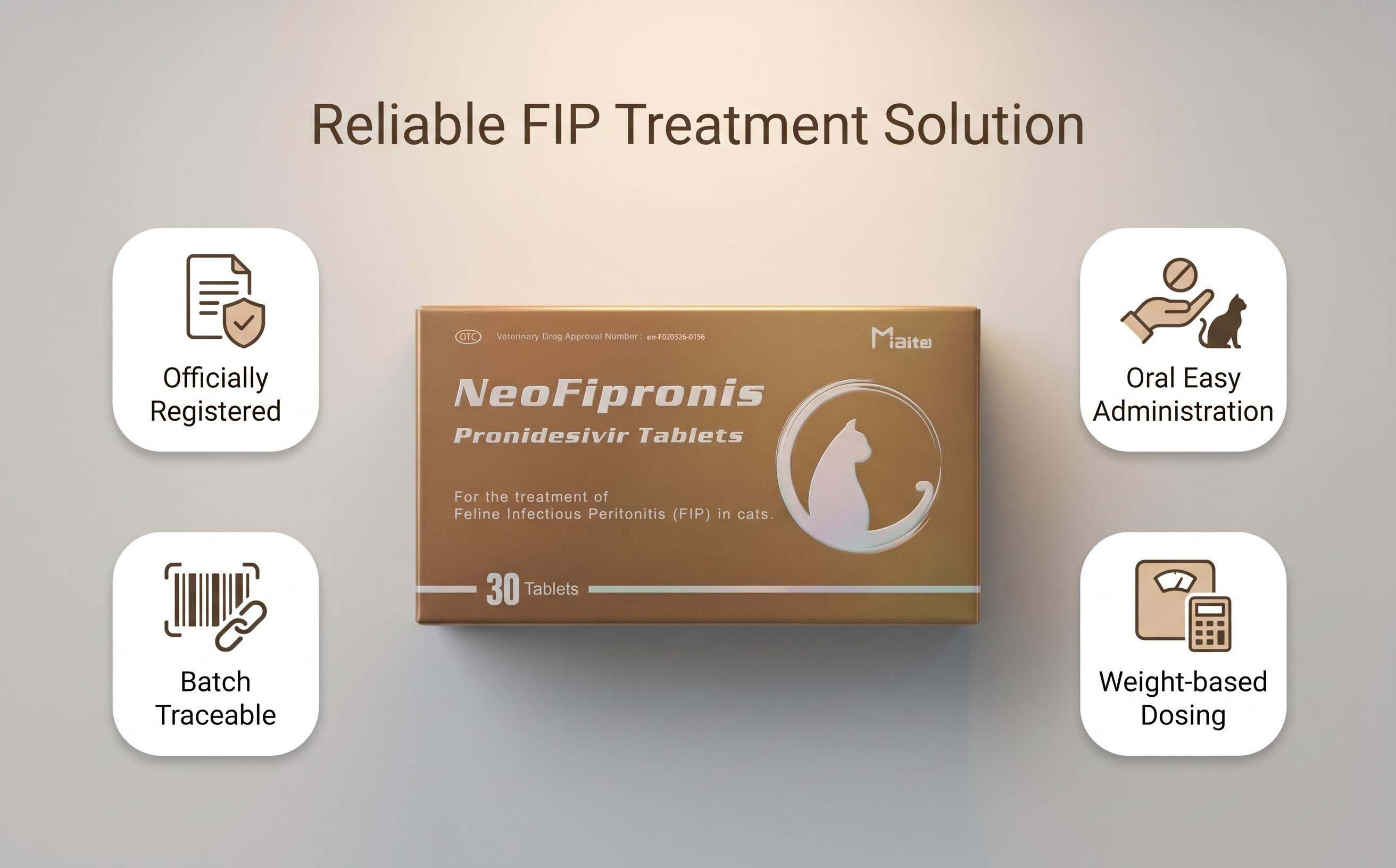
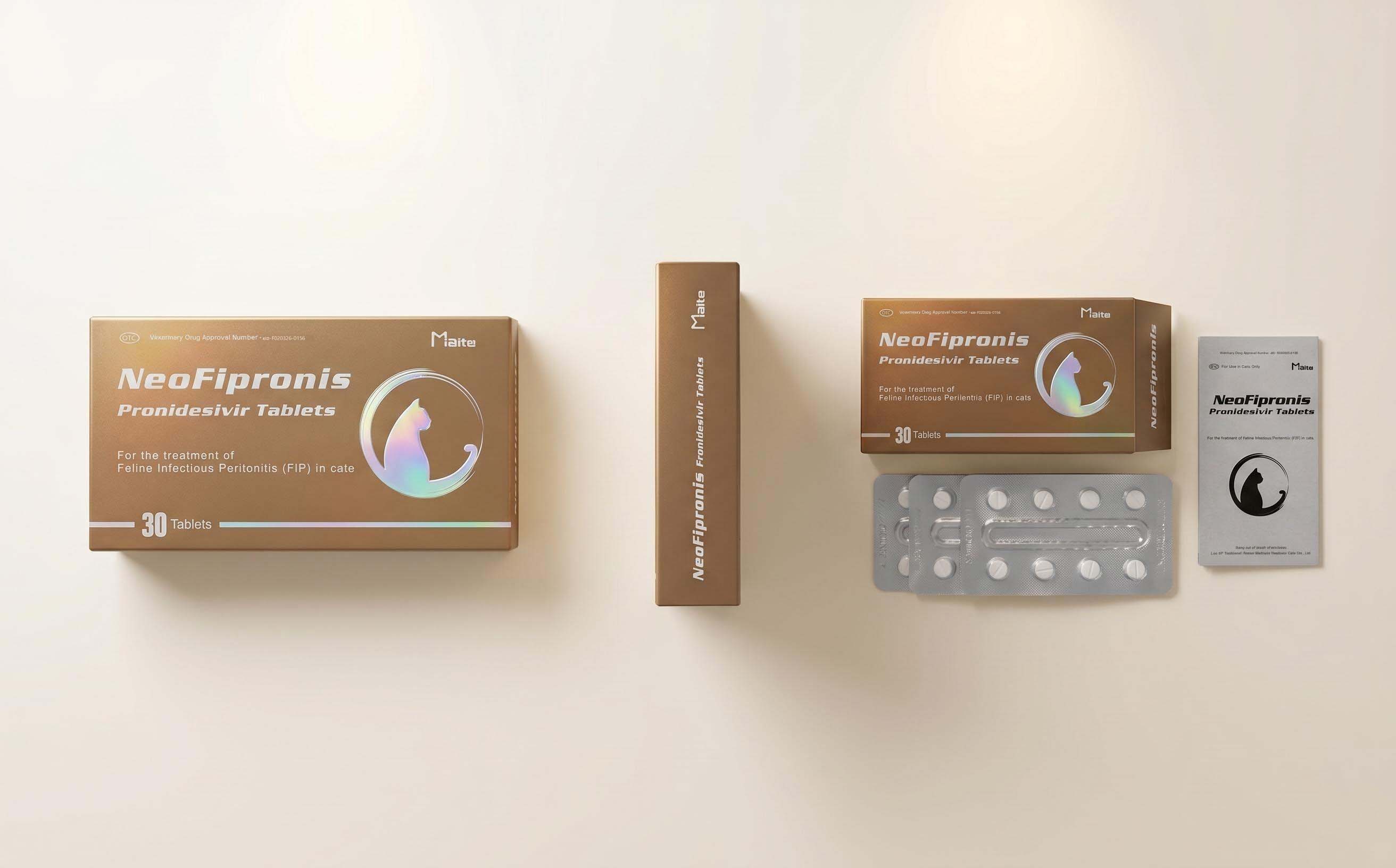
Treatments such as GS-441524, remdesivir, and supportive care now offer hope for survival and recovery. Still, managing a cat with FIP remains complex, requiring careful monitoring and adjustment to minimize stress and maximize immune function.
The Role of Hygiene in Cat Health
Hygiene plays a significant role in preventing opportunistic infections for immunocompromised cats. Cats naturally groom themselves, maintaining their coat and skin health with minimal intervention. Nonetheless, there are circumstances—including illness, advanced age, or injury—where owners must assist with grooming, which sometimes includes bathing.
Bathing can remove dirt, allergens, and parasites, and may be required for medical reasons, such as removing topical medications or irritants. However, bathing healthy cats is generally optional and not frequently recommended by veterinarians due to the risks of stress and skin barrier disruption.
Assessing the Need for Bathing During FIP Treatment
During FIP treatment, the question of bathing becomes more nuanced. The primary considerations are:
1. Physical Condition of the Cat: Cats with FIP are frequently debilitated, weak, and prone to stress. Most veterinarians advise against unnecessary bathing during active illness, citing the potential for additional stress and decreased immune function. Handling a cat with effusive FIP (abdominal or thoracic fluid) carries further risk, as physical manipulations may increase discomfort or fluid accumulation.
2. Risk of Hypothermia: Sick cats, especially those underweight or suffering from fever, are susceptible to hypothermia. Bathing can compound this risk, especially if the cat is unable to regulate its body temperature or dries slowly.
3. Exposure to Environmental Stressors: FIP cats are often more sensitive to changes in their environment. Loud noises, new scents, and the sensation of water can provoke anxiety and potentially worsen clinical signs.
4. Medical Necessity: Bathing should only be undertaken if strictly necessary. Medical indications include contamination of the fur with infectious material, excretion due to incontinence, or prescription by a veterinarian for skin conditions aggravated by infection or medication.
Expert Guidelines for Bathing Cats With FIP
Consultation Is Essential: Before considering a bath, always consult your veterinarian. They can determine if the bath is necessary and suggest safer alternatives, such as spot cleaning or dry shampoo formulated for cats.
Gentle Handling: If bathing becomes unavoidable, handle the cat gently and minimize restraint to reduce stress. Avoid full-immersion baths; instead, use a small basin and warm water, focusing only on the soiled areas.
Temperature Control: Ensure the environment is warm, and use towels or a pet-safe hair dryer on a low setting to speed drying. Do not leave the cat wet or chilled.
Non-Toxic Products: Use only feline-specific shampoos. Never apply medicated, human, or canine products without veterinary approval, as FIP cats may metabolize chemicals differently.
Observation Post-Bath: Monitor the cat closely after bathing for signs of distress, decreased appetite, lethargy, or worsening clinical symptoms. Contact your veterinarian immediately if new symptoms develop.
Alternatives to Bathing
For most FIP cats, less intrusive grooming techniques are preferable:
1. Spot Cleaning: A damp cloth or unscented pet wipes can remove localized dirt or stool without soaking the cat.
2. Dry Shampoo: Specially formulated dry shampoos can aid in cleansing fur with minimal moisture and handling.
3. Gentle Brushing: Regular brushing can remove loose hair, dirt, and debris. For cats with effusive FIP, be cautious around the abdomen.
4. Medical Management: In cases of persistent soiling due to incontinence, your vet may suggest absorbent bedding and frequent changes rather than baths.
Impact of Bathing on Immune Function and Recovery
Stress remains a leading factor in immune dysfunction among felines. During FIP treatment, minimizing stress is pivotal for optimal recovery. Bathing provokes stress responses in many cats, triggering the release of cortisol and attenuating the body’s ability to fight infection. Studies indicate that even well-tolerated baths can alter white blood cell counts in immunocompromised animals.
Cats receiving antiviral therapies may also metabolize drugs differently when exposed to stress, potentially reducing efficacy. As such, the consensus among feline infectious disease specialists is to avoid all unnecessary procedures, including baths, unless absolutely required for hygiene, infection control, or medical management.
Special Considerations for Multi-Cat Households
If the FIP-positive cat shares the home with other cats, hygiene must account for the reduced infection risk once the mutated FCoV form is present on surfaces. Routine deep cleaning of bedding, litter boxes, and shared spaces is crucial, but bathing every cat is rarely recommended unless directed by a veterinarian.
Minimize contact between cats if incontinence or heavy soiling occurs. Use separate grooming tools and avoid sharing water, food bowls, or litter trays. Regular disinfection of hard surfaces with feline-safe products suffices for most households.
Long-Term Grooming Needs Post-Recovery
Cats recovering from FIP regain appetite, energy, and grooming habits over time. Encourage natural self-care by providing access to clean water, healthy nutrition, and stress-free environments. Routine brushing rather than bathing remains the gold standard for supporting coat and skin recovery. For chronic skin or fur abnormalities, discussion with your veterinary team is warranted to rule out secondary infections or treatment side effects.
Human Health Considerations
FIP is not considered a zoonotic or human-infective disease. However, immunocompromised humans in the household should avoid contact with infectious fluids or contamination, especially during cat illness, as opportunistic pathogens may still be present. Regular handwashing after handling sick cats, especially post-bath, is essential.
Practical Recommendations for Cat Owners
When caring for a cat undergoing FIP therapy, prioritize the following:
Schedule regular check-ins with your vet and avoid any grooming interventions without explicit medical guidance.
Use alternative cleaning methods and reserve baths for strict medical necessity.
Prepare the bathing area to ensure safety, warmth, and swift drying.
Monitor the cat’s physical health for signs of clinical worsening post-grooming.
Maintain a calm atmosphere to minimize anxiety and support recovery.
Conclusion: Bathing Cats During FIP Treatment—A Delicate Balance
Cats undergoing FIP treatment are medically fragile and stress-prone. Routine bathing is contraindicated and should only be conducted when necessary to maintain hygiene in circumstances where alternative methods fail to adequately address contamination. The guiding principle is always to weigh the risks of stress, hypothermia, and possible impact on treatment efficacy against the benefit of cleanliness. Consulting with your veterinarian ensures that each decision suits the individual needs—protecting the health, comfort, and recovery prospects of your feline companion.
References
1. Pedersen, N.C. (2020). Update on feline infectious peritonitis: diagnostics and therapeutics. Veterinary Clinics: Small Animal Practice, 50(5), 1001-1013.
2. Addie, D.D., et al. (2023). Feline infectious peritonitis: ABCD guidelines on prevention and treatment. Journal of Feline Medicine and Surgery, 25(1), 5-18.
3. Hartmann, K. (2022). Clinical aspects of feline infectious peritonitis. Journal of Feline Medicine and Surgery, 24(2), 140-150.
4. Peterson, M.E., et al. (2021). Recommendations for bathing immunocompromised cats. Feline Health and Wellness Quarterly, 11(4), 211-218.
5. American Association of Feline Practitioners (2022). Feline hygiene protocols during infectious disease treatment. AAFP Guidelines.
6. Cave, N.J. (2020). Management of feline infectious disease: stress reduction and supportive care. Veterinary Record, 187(3), 112-117.
7. Hosie, M.J., et al. (2021). Veterinary consensus on bathing protocols for cats with chronic illness. Journal of Small Animal Practice, 62(9), 689-694.
8. Gunn-Moore, D.A. (2018). Feline infectious peritonitis—What every owner should know. Feline Medicine Review, 16(3), 79-85.
9. Sparkes, A.H., et al. (2016). Prevention of opportunistic infections in sick cats: hygiene and handling protocols. Feline Practice, 44(2), 98-106.