How Often Should You See the Vet During FIP Treatment
For cat owners facing the challenge of Feline Infectious Peritonitis (FIP), regular veterinary care is essential. This disease, caused by a mutated feline coronavirus, was once considered almost universally fatal, but recent advances in antiviral treatment have brought new hope. Still, managing FIP is complex and requires close collaboration between pet owners and veterinary professionals throughout the treatment process. Understanding the ideal frequency for veterinary visits during FIP therapy can improve outcomes and reduce stress for both cats and their caregivers.
Understanding FIP and Its Treatment Course
FIP typically presents either as the "wet" (effusive) form, with fluid buildup in the abdomen or chest, or the "dry" (non-effusive) form, which may cause organ inflammation without obvious fluid. Diagnosis is challenging and often involves assessing clinical signs, laboratory testing, and sometimes advanced imaging.
Treatment options have rapidly evolved with the off-label use of nucleoside analogs such as GS-441524 and newer FDA-approved drugs. These therapies usually require a 12-week course, though some cats may need longer if they relapse or fail to respond as expected. During this prolonged therapy, regular medical oversight helps track progress, manage side effects, and make timely adjustments.
Individualized Treatment Plans
There is no universal rule for how frequently a cat with FIP should see the veterinarian. Factors such as disease severity, patient age and temperament, type of therapy used, and whether complications arise all shape the recommended schedule. Here's how these elements influence visit frequency:
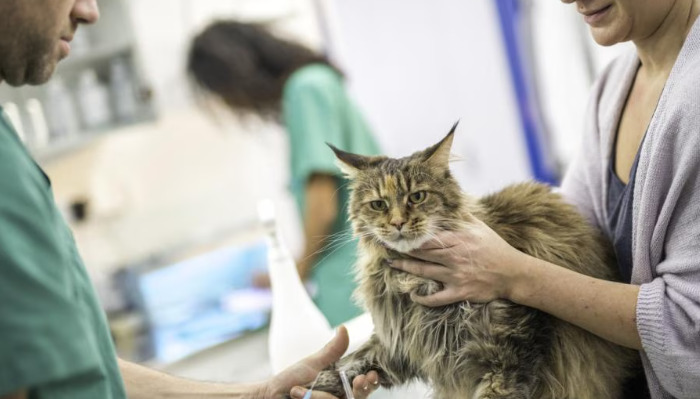
Initial Evaluation and Diagnosis: Cats suspected of having FIP often require several visits in the early stages for diagnostic workups and to stabilize if they are critically ill. This may mean one or more visits within the first week.
Treatment Initiation: Upon starting antiviral therapy, another visit is often scheduled within the first few days to ensure the cat tolerates medication and to educate owners on drug administration and monitoring.
Stable Treatment Period: During weeks 2-12 of therapy, many veterinary practitioners recommend visits every 2-4 weeks. These appointments typically involve full physical examinations, weight checks, temperature measurement, and bloodwork to monitor for anemia, organ function, and changes in white blood cell counts.
Intensified Monitoring for Complicated Cases: If a cat shows signs of relapse, adverse reactions, or complex neurological or ocular involvement, the vet may want to see the cat more often, possibly every 1-2 weeks. This close monitoring helps ensure prompt adjustments to medication dose or supportive care.
End of Treatment and Recovery Assessment: Toward the end of therapy, the veterinarian evaluates for remission. Most protocols encourage a final assessment at the conclusion of therapy and another follow-up at 1 and 3 months post-treatment to detect any latent complications or recurrence.
What Happens During Each Visit
Because FIP can affect multiple organ systems, your veterinarian needs to track general health and specific markers that indicate improvement or decline.
Physical Examination: The vet evaluates hydration, fever, weight, appetite, and signs of pain or neurological changes. Subtle indicators like gum color or energy levels may change as the cat responds to therapy.
Blood Testing: Complete blood counts (CBC), serum chemistry profiles, and sometimes acute phase proteins (like alpha-1 acid glycoprotein) are checked. These tests can reflect the cat's immune response and organ health, such as kidney and liver function.
Imaging: Especially early in the course and for cats with effusive FIP, ultrasounds or radiographs may be performed to monitor fluid buildup or changes in organ shape.
Owner Discussion: Veterinarians spend time reviewing any changes at home, guiding cat owners on medication administration, possible side effects, and emergency signs to watch for.
At-Home Monitoring and Telemedicine
Innovations in telemedicine have expanded options for FIP cats, especially those who are medically fragile or experience stress in clinic settings. Some veterinary practices offer video consultations where owners share video clips or daily logs of their cat’s activity, appetite, and litterbox usage.
Owners can also be trained to monitor temperature, body weight, and behavior. If symptoms deteriorate or medication side effects become apparent, these at-home observations prompt earlier vet intervention. Telemedicine check-ins can supplement in-person visits but rarely replace them entirely during critical phases of treatment.
Frequency Chart: Sample Scenarios
Below is a general guideline for how visit frequency may look for different FIP cases:
| Treatment Stage | Visit Frequency | Rationale |
|||-|
| Initial Diagnosis | 1-2/week | Diagnostic confirmation, stabilization |
| Weeks 1-2 Therapy | 1/week | Response to medication, side effect catch |
| Weeks 3-8 Therapy | Every 2-3 weeks | Monitor progress, adjust medications |
| Weeks 9-12 Therapy | Every 3-4 weeks | Identify remission, ensure recovery |
| Post Treatment | 1 month & 3 months | Early catch of relapse or secondary issues |
Neuro or ocular FIP cases, senior cats, or those with secondary infections may require a tighter schedule. Your veterinarian tailors this plan based on how your cat is responding.
Managing Side Effects and Complications
Antiviral therapies can sometimes cause gastrointestinal upset, injection site reactions, or changes in bloodwork. Immediate consultation is warranted if owners see lethargy, refusal to eat, jaundice, or neurological changes at home. Periodical vet visits allow healthcare providers to quickly intervene, switch medications, or provide supportive therapies such as anti-nausea drugs, fluids, or nutritional supplements.
Why Consistent Follow-Up Matters
Regular vet visits serve several vital functions:
Safety: Early detection of adverse reactions or complications.
Efficacy: Confirming that the chosen therapy is effective.
Education: Ongoing support empowers owners to respond quickly to changes.
Compliance: Routine check-ins promote consistent medication adherence.
Long gaps in medical supervision risk missing deteriorations, which can compromise recovery chances. FIP therapy is not a “set and forget” process; active engagement from both vet and owner makes a real difference.
Financial and Emotional Considerations
Frequent veterinary care for FIP can be costly and emotionally taxing. Clinics may offer package deals for follow-up visits or work with specialized charities. Some owners seek support groups or online resources to navigate the journey, but veterinarian guidance should remain central.
If cost is a concern, discuss options with your clinic. Some practices can arrange extended payment plans or facilitate remote check-ins that reduce out-of-pocket costs, though bloodwork and physical exams still require in-person attention.
Communication With Your Vet Team
Open, honest communication builds trust. Owners should not hesitate to report all home observations – no symptom is too trivial. Accurate information helps the vet fine-tune therapy and spot trouble earlier. Keep a daily log of appetite, activity, weight, temperature, and medications administered.
Bring questions to every appointment about prognosis, side effect management, and what to expect at each stage of therapy. Your veterinary team is also an invaluable source of practical advice about environmental enrichment and stress management.
Case Study Examples
Mild, Dry FIP: A young adult cat with primarily eye inflammation was seen weekly for the first month, then every two weeks as bloodwork stabilized. The owner provided frequent updates via email in between.
Severe, Wet FIP: An older cat initially required hospitalization. After discharge, they received twice-weekly checkups for the first three weeks, then shifted to biweekly visits as effusion resolved and bloodwork improved.
Neuro FIP: Neurological symptoms required intensive monitoring. The veterinary team saw the cat every 5-7 days for the first six weeks, coordinated with a specialized consultant, then extended intervals during recovery.
When to Seek Urgent Veterinary Attention
Even during routine FIP therapy, some red-flag symptoms merit calling the veterinarian immediately or seeking emergency care. These include:
Seizures or sudden confusion
Gasping or laborious breathing
Severe dehydration or refusal to eat/drink for 24 hours
Persistent vomiting or diarrhea
Collapse or inability to walk
Do not wait until your next scheduled appointment; early action can be lifesaving.
What Happens After Treatment Completion
After the medication course ends, the vet typically checks for residual disease, emerging complications, or recurrence. Some cats need periodic bloodwork for months after recovery. Any new symptoms at home should be promptly reported, as late relapse can occur in rare cases. Most cats monitored closely throughout their therapy are able to return to normal life with regular wellness exams every 6-12 months.
Balancing Vet Visits With Quality of Life
While medical oversight is critical, so too is minimizing stress for the cat. Veterinary teams may offer low-stress handling, private waiting rooms, or sedation for fractious pets. Some clinics provide home-visit services, which can greatly reduce anxiety.
If a cat has advanced FIP and a poor prognosis, the focus may shift from intensive monitoring to hospice-style comfort care. In these cases, the frequency and type of vet visits adjust according to the cat's needs and the owner's wishes.
Conclusion: Vet Visit Frequency Is a Partnership
Throughout FIP treatment, the ideal vet visit schedule is a flexible partnership. Veterinarians base recommendations on the latest science, individual response, and the cat’s overall risk profile. Owners who keep records, communicate actively, and work with their vet can help their pets through a challenging but increasingly hopeful journey. Regular follow-up is essential not only for medical success but also for building confidence as caregiver and advocate for your cat.
References
1. Pedersen, N.C. (2019). "Update on Feline Infectious Peritonitis." Veterinary Clinics: Small Animal Practice, 49(4), 745-760.
2. Izes, A.M., et al. (2020). "Diagnosis and Management of FIP in the Age of Antiviral Therapy." Veterinary Medicine and Science, 6(3), 224-231.
3. Dickinson, P.J., et al. (2021). "FIP Antiviral Therapy: Clinical Case Series and Safety Profile." Journal of Feline Medicine and Surgery, 23(8), 645-653.
4. American Association of Feline Practitioners (2022). "FIP Management Guidelines." Available at: https://catvets.com/guidelines/fip-treatment
5. Murphy, B.G., et al. (2023). "Veterinary Telemedicine for Chronic Feline Diseases." Frontiers in Veterinary Science, 10, 350-362.
6. Sykes, J.E. (2020). "Current Understanding of FIP Pathogenesis and Treatment Options." Veterinary Journal, 257, 105445.
7. Addie, D.D., et al. (2022). "Practical Aspects of FIP Monitoring." Journal of Feline Medicine and Surgery Open Reports, 8, 20551169221096855.