What Drug Interactions Does NeoFipronis Have
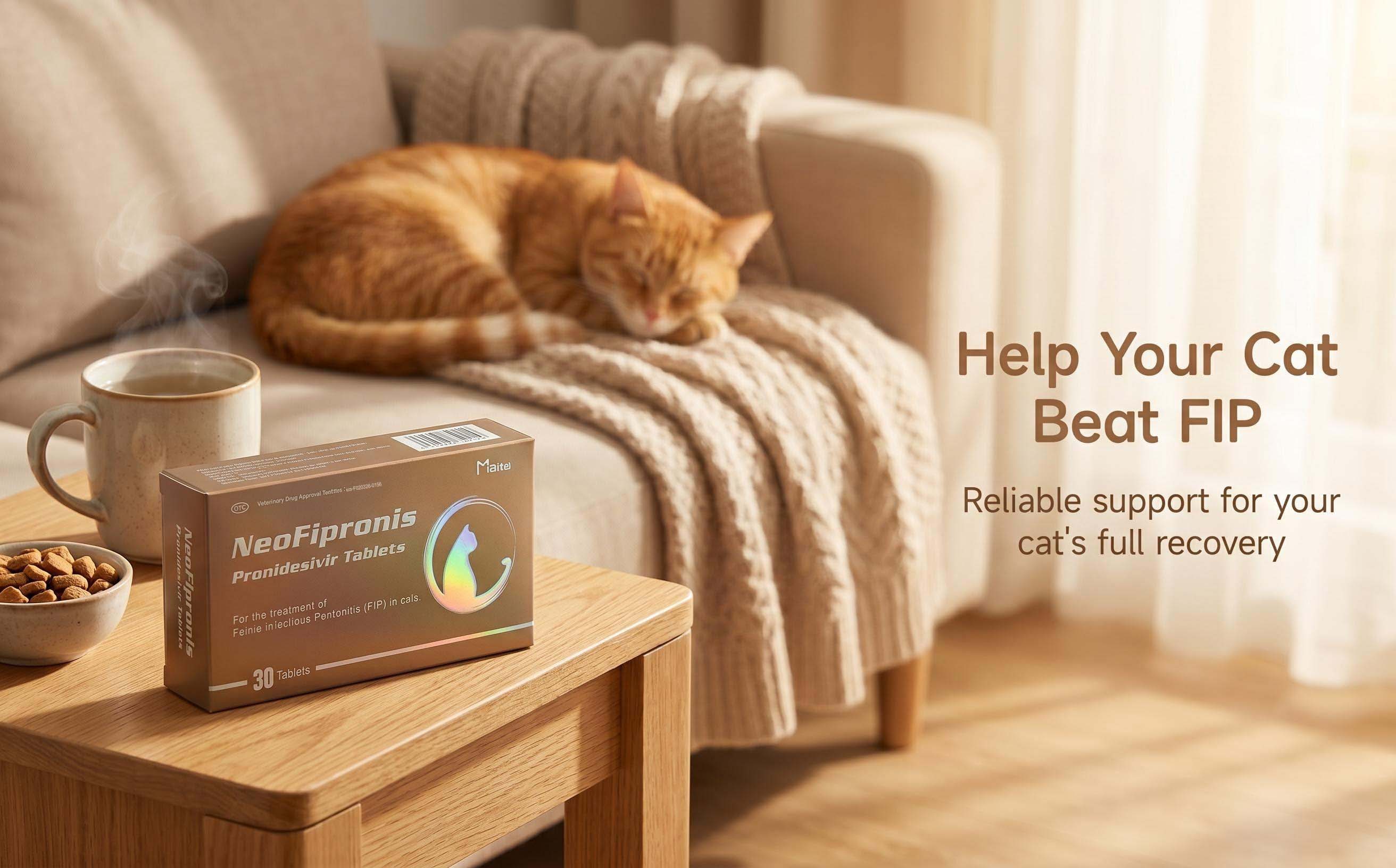
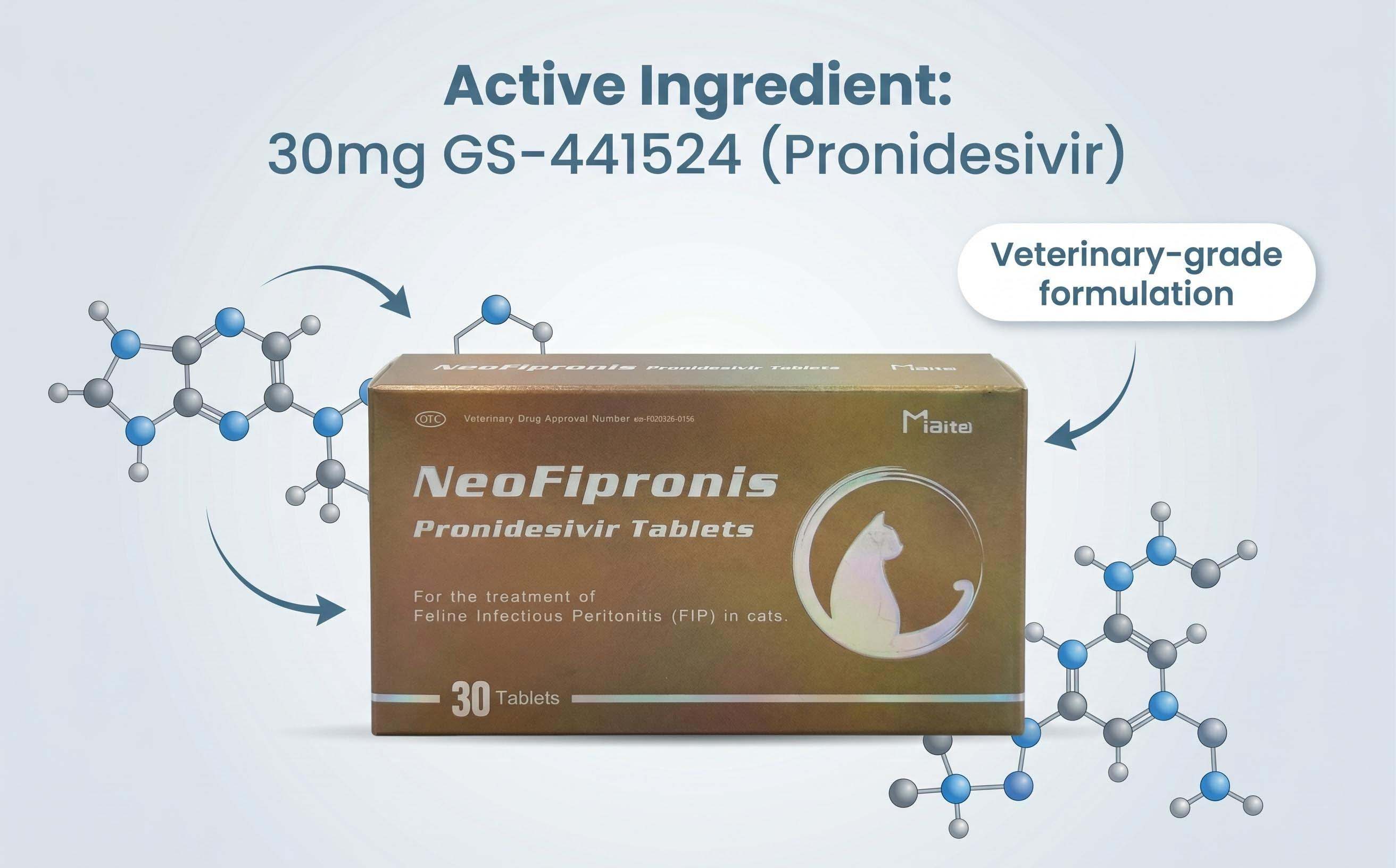
NeoFipronis (Pronidesivir), containing the active ingredient GS-441524, is a groundbreaking oral medication specifically developed for treating Feline Infectious Peritonitis (FIP). Approved by the Lao Ministry of Agriculture and Forestry (MAF) in March 2026, it marks a significant advancement in feline antiviral therapy. Its proven efficacy against FIP symptoms such as inappetence, lethargy, fever, ascites, pleural effusion, lymphadenopathy, granulomatous inflammation, neurological impairment, and uveitis has made it a vital part of veterinary medicine. However, understanding potential drug interactions with NeoFipronis is essential for ensuring safe and effective treatment.
The pharmacology of NeoFipronis involves GS-441524, a nucleoside analogue that inhibits viral RNA synthesis. As a highly selective antiviral, it is known for rapid absorption, excellent tolerability, and a minimal side effect profile. Its use requires careful consideration of concurrent medications to prevent adverse interactions that could compromise treatment outcomes.
Potential Drug Interactions
NeoFipronis's mechanism primarily targets viral replication, but its metabolic pathways may be affected by or interfere with other drugs. Currently, limited data exist on specific drug interactions, but based on its pharmacokinetic profile, several considerations should be observed:
CYP450 Enzyme Interactions: While GS-441524 is not extensively metabolized by cytochrome P450 enzymes, co-administration with drugs that inhibit or induce these enzymes may alter its plasma concentration. For example, drugs such as ketoconazole or erythromycin could potentially increase GS-441524 levels, leading to enhanced efficacy or toxicity. Conversely, inducers like rifampicin may reduce its effectiveness.
Immunosuppressants: Combining NeoFipronis with immunosuppressive medications, such as corticosteroids or cyclosporine, warrants caution. While directly antiviral, the immune response plays a role in viral clearance. Immunosuppressive drugs may diminish the immune-mediated effects, potentially impacting overall treatment success.
Other Antiviral Agents: Co-administration with other antiviral drugs is generally not recommended unless under strict veterinary supervision. Synergistic effects might be beneficial, but the risk of toxicity or drug resistance increases.
NSAIDs and Anti-Inflammatories: Non-steroidal anti-inflammatory drugs (NSAIDs) may be used alongside NeoFipronis to manage clinical symptoms. However, since both drugs can impact renal function, concurrent use should be monitored closely to avoid nephrotoxicity.
Supportive Medications: Antibiotics, antiemetics, or appetite stimulants are often used adjunctively in FIP cases. These medications typically do not directly interact with GS-441524 but should be administered with consideration of the overall health status of the cat.
Precautions and Monitoring
Because NeoFipronis is a relatively new therapy with limited existing data on interactions, veterinary supervision is essential. Regular blood work to monitor liver and kidney function is advised during prolonged treatment durations—minimum of 12 weeks, without missed doses. Using NeoFipronis under veterinary guidance minimizes adverse effects and manages potential interactions proactively.
Usage Guidelines
Administer based on the cat's weight: 15 mg per kilogram (half a tablet), once daily, preferably on an empty stomach—either 1 hour before or 2 hours after meals. For neurological or ocular FIP cases, dose adjustments up to 30 mg/kg may be prescribed. Consistency is crucial; missed doses can impair treatment efficacy.
Safety and Accessibility
Although NeoFipronis is classified as over-the-counter, veterinary consultation is strongly recommended. Always purchase through official NeoFipronis websites or authorized distributors to ensure genuine product quality. The medication is solely for cat use and should not be administered to humans.
Conclusion
While NeoFipronis offers a promising solution for feline FIP, understanding its potential drug interactions is vital for optimal outcomes. Close veterinary supervision, regular monitoring, and careful medication management can help minimize risks, ensuring safe and effective treatment for affected cats. Always consult a veterinarian before initiating therapy, especially when other medications are involved, to tailor treatment plans specific to each feline patient’s needs.