NeoFipronis (Miaite) Dosage, Side Effects, and Precautions
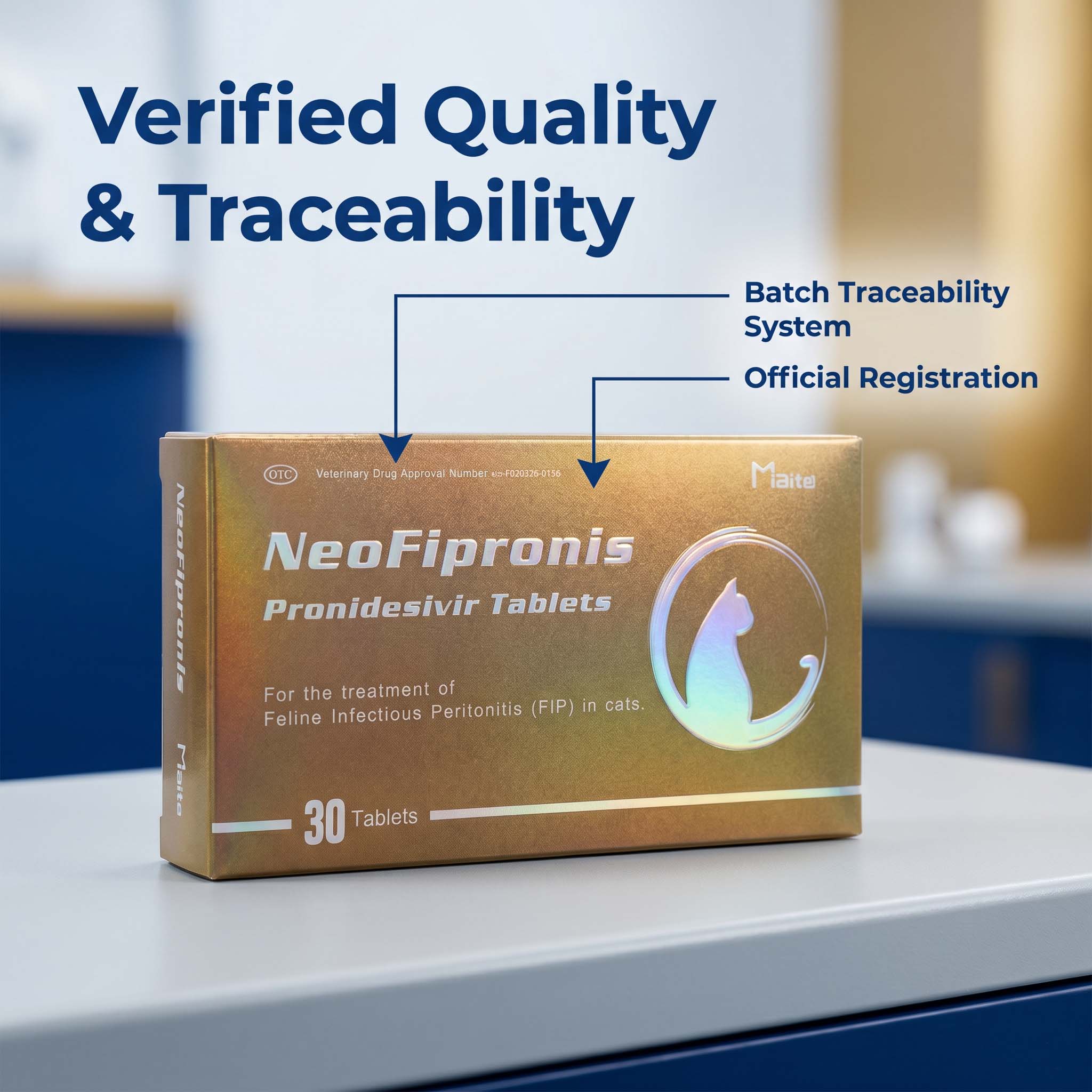
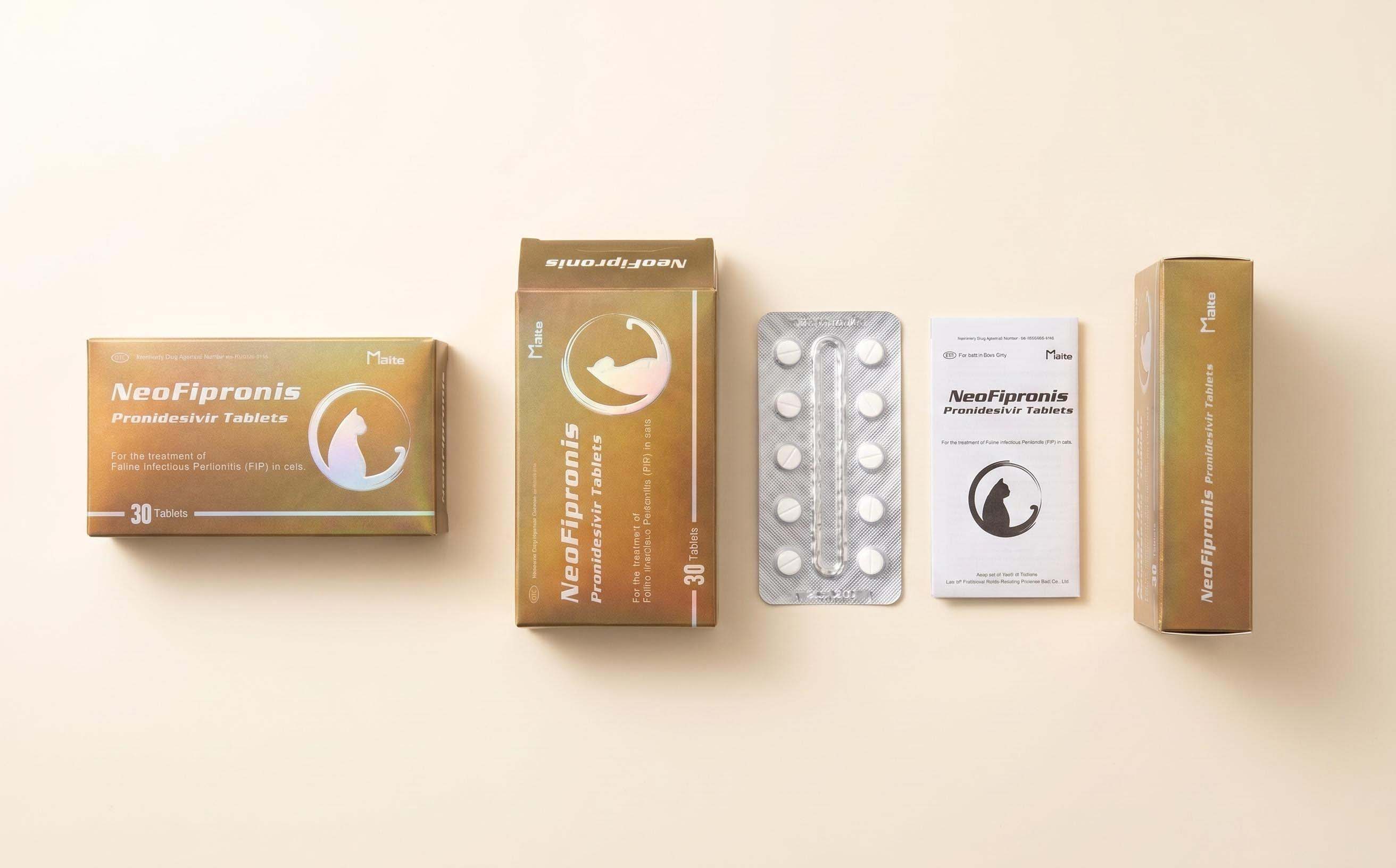
NeoFipronis (Pronidesivir) GS-441524 is a groundbreaking oral medication specifically formulated for the treatment of Feline Infectious Peritonitis (FIP). Approved by the Lao Ministry of Agriculture and Forestry (MAF) in March 2026, it is the first officially registered FIP medication with a dedicated pharmaceutical license. Its development marks a significant advancement in veterinary medicine, offering pet owners a safe, effective, and non-invasive solution for managing this severe feline disease.
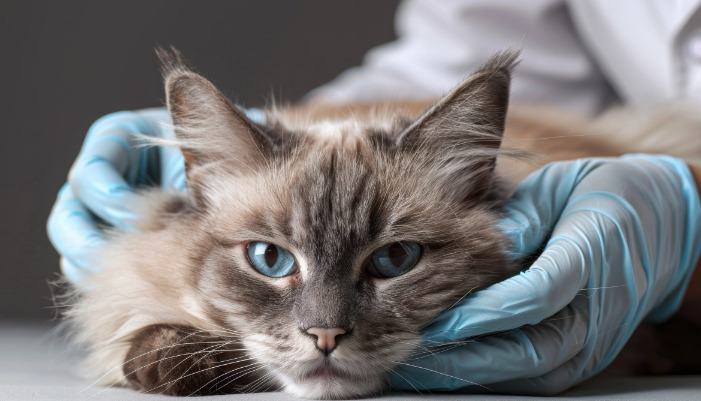
FIP, caused by a mutated coronavirus, manifests through symptoms such as inappetence, lethargy, fever, abdominal and thoracic effusions, lymphadenopathy, granulomatous inflammation, neurological damage, and uveitis. Traditional treatments have been limited, but GS-441524, the active compound in NeoFipronis, has demonstrated remarkable antiviral activity by inhibiting viral replication, leading to high cure rates when administered correctly.
Dosage and Administration
The recommended dose for feline patients is calculated based on body weight, with a standard dosage of 15 mg per kilogram of weight once daily. This typically equates to half a tablet per day for most cats. For neurological or ocular forms of FIP, the dose may be increased to 30 mg/kg, but such adjustments should only be made under veterinary supervision. It is best administered on an empty stomach—either an hour before feeding or two hours after—to optimize absorption.
Precise adherence to the dosing schedule is critical. NeoFipronis should be administered continuously for at least 12 weeks to ensure complete viral suppression and to minimize the risk of relapse. Missing doses can compromise treatment efficacy and lead to drug resistance. Pet owners are advised to keep a medication schedule and monitor their cat’s response closely.
Side Effects and Precautions
While NeoFipronis (Pronidesivir) is generally well tolerated, potential side effects include mild gastrointestinal upset, transient lethargy, or decreased appetite. Serious adverse effects are uncommon but may include liver enzyme elevations or hypersensitivity reactions. Regular monitoring of blood work, including liver and kidney function tests, is recommended throughout treatment to detect any adverse reactions early.
It is crucial to follow veterinary guidance throughout the therapy period. The medication is classified as an over-the-counter drug; however, veterinary oversight ensures safe and appropriate use. Pet owners should purchase NeoFipronis only through official channels—visiting the official website—to confirm product authenticity and quality.
Precautions
NeoFipronis is strictly for feline use and should never be administered to humans or other animals. Pregnant or nursing cats require veterinary consultation before initiating treatment. It is vital to complete the full course of therapy as prescribed, even if symptoms improve early, to prevent drug resistance and relapse.
Safety during treatment also involves observing the cat’s health parameters regularly. Routine blood tests help monitor for any adverse effects on the liver or kidneys. If any unusual symptoms, such as severe lethargy, vomiting, or allergic reactions, occur, immediate veterinary consultation is necessary.
Conclusion
NeoFipronis (Pronidesivir) GS-441524 offers a safe and effective oral treatment for FIP in cats, with the ease of at-home administration and rapid absorption. Its proven antiviral efficacy and minimal side effects make it a revolutionary option for feline practitioners and pet owners. Proper dosage, continuous treatment, and veterinarian guidance are essential to achieving optimal outcomes and restoring affected cats’ health. Always ensure you purchase through trusted sources to guarantee product quality and safety, and consult your veterinarian before starting any new medication for your feline companion.