What Should Owners Do While Waiting for FIP Test Results
Feline Infectious Peritonitis (FIP) is a feared diagnosis for many cat owners in the United States, even more so due to its unpredictable manifestation and the challenges associated with accurate testing. If your veterinarian suspects FIP, waiting for test results can be incredibly stressful. Understanding what to do during this period is pivotal, both for your cat’s well-being and your own peace of mind. This guide will help you navigate the complex waiting period by providing actionable steps, accurate information, and emotional support grounded in veterinary best practices.
Understanding FIP and Its Testing Process
FIP is caused by a mutated form of feline coronavirus (FCoV). Transmission usually occurs via fecal-oral contact, but only a small percentage of cats exposed to FCoV will develop FIP. There are two major forms: effusive (wet) and non-effusive (dry). Diagnosis is complicated, as no single test definitively confirms FIP. Veterinarians typically use a combination of bloodwork, imaging, and analysis of fluid or tissue samples to rule in or out the disease.
Waiting for FIP test results can involve PCR testing, antibody titers, examination of effusions, and sometimes tissue biopsies. These tests can take several days to weeks, depending on your location and laboratory capacity.
Immediate Care Measures for Your Cat
1. Minimize Stress
Cats suspected of having FIP are often feeling unwell. Keep your cat in a calm, quiet environment to minimize physical and emotional stress. Limit visitors, loud noises, and changes in their daily routine.
2. Monitor Symptoms Closely
Document any changes in your cat’s condition daily. Watch for appetite fluctuations, energy shifts, changes in bathroom habits, and alterations in breathing or abdomen shape. Provide your veterinarian with regular updates, as new symptoms may influence urgency or treatment options.
3. Support with Basic Needs
Ensure your cat has easy access to fresh water, a clean litter box, and comfortable resting spots. Sick cats may prefer warmth or solitude, so offer spaces that suit their preferences.
4. Nutrition and Hydration
Do not force-feed but encourage eating by offering palatable foods, including warmed wet food or prescribed diets. Consult your vet if your cat refuses food or fluids for more than 24 hours, as dehydration and malnutrition can develop quickly.
Communication with Veterinary Professionals
A proactive approach to communication supports your cat and relieves your own anxiety.
Ask Detailed Questions
When you visit your veterinarian, ask about expected timelines for test results, what each test may indicate, and what signs to watch for at home. Bring a written list to make sure you cover all your concerns.
Update on Changes
Email or call your veterinary office if you notice significant changes in your cat’s health. Physicians can offer guidance on whether hospital care or emergency treatment may be needed before test results arrive.
Prepare for Contingencies
Discuss potential treatment paths depending on test outcomes. Ask your vet to explain what management might look like for FIP, including experimental therapies, referral specialists, and supportive care plans.
Emotional Well-being of the Owner
Being in limbo is deeply challenging for cat owners. Your own mental health impacts your ability to care for your pet.
Seek Support
Reach out to FIP support networks, online communities for cat owners, or animal welfare organizations. Talking to others who have been through similar periods can provide perspective and hope.
Practice Self-Care
Try to maintain your routine sleep, meals, and exercise. Grief and anxiety are common in waiting periods; acknowledge these feelings and discuss them with trusted friends, family, or counselors.
Isolate if Necessary
Though FIP itself is not contagious, the feline coronavirus can be. If you have other cats, consult with your veterinarian about whether isolation or extra hygiene measures are warranted.
Separate Litter Boxes
Provide sick cats with their own litter box and feeding station. Wash hands after handling and clean surfaces regularly.
Monitor Other Cats
Watch for new symptoms in other household cats, including lethargy, loss of appetite, or abdominal swelling. Alert your veterinarian if changes occur.
Maintaining Hygiene and Home Care
Good hygiene reduces stress and disease risk.
Regular Cleaning
Keep floors, bedding, and feeding stations clean. Use pet-safe disinfectants. Dispose of waste appropriately.
Hand Washing
Wash hands before and after handling your cat or their belongings, and clean up any secretions or fluids promptly.
Keep Records Organized
Accurate records help your veterinarian and can speed up decision-making when test results arrive.
Symptom Journal
Keep a daily log of behaviors, nutrition, bathroom habits, weight, and any medication given. Note dates, times, and severity.
Medical Records
Organize all veterinary receipts, lab reports, prescription notes, and communication from your clinic. This is especially helpful in multi-cat households or if referral to a specialist is needed.
Understanding Potential Outcomes
The waiting period is ideal for learning about the disease and preparing for every possibility.
Research Treatment Advances
FIP used to be almost universally fatal, but new antiviral therapies, such as GS-441524, have shown promise in clinical studies. Ask your veterinarian about emerging treatment options or clinical trial access.
Plan for Palliative Care
If FIP is confirmed, some cases may not be treatable. Know what supportive measures, including fluids, pain management, and nutritional support, can keep your cat comfortable.
Consider Insurance and Financing
Investigate pet insurance coverage or financial planning for potential treatments or supportive care needs. Veterinary costs can rise rapidly, especially if hospitalization is needed.
Analyzing Environmental Risks
Understanding your cat’s history and environment may offer clues about FIP risk factors—valuable for current and future planning.
Multicat Households
FIP incidence is higher in densely populated environments. Consider reducing stressors and crowding in your home.
Prior Illness
Cats who have experienced regular illness, stress (moving, new pets), or immunosuppression are at higher risk for FIP development.
Preparing for Result Discussion
As the test results near, prepare to ensure veterinary discussions are productive.
Create a Question List
Ask about result interpretation, what if results are equivocal, and next steps if FIP is confirmed or ruled out.
Discuss Broader Health
Ask your vet if other conditions (like lymphoma or bacterial infection) are possible if FIP is not confirmed.
Knowledge Is Power
Waiting can feel like powerlessness. Knowledge about FIP, its symptoms, and advances in management lets you make informed choices.
Read Current Literature
Utilize resources from AAHA, Cornell Feline Health Center, and the American Association of Feline Practitioners. Explore peer-reviewed articles and trusted organizations for up-to-date information.
Educate Family
Share accurate information with family or roommates so everyone in the home can support the cat’s needs and reduce confusion or fear.
Helping Your Cat Feel Safe and Loved
The bond between you and your cat is crucial during illness.
Gentle Interaction
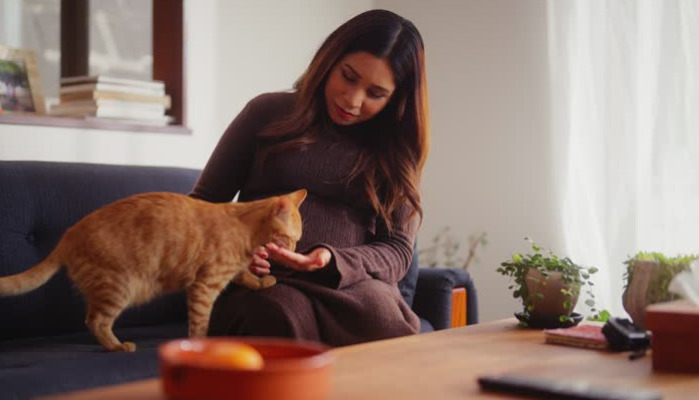
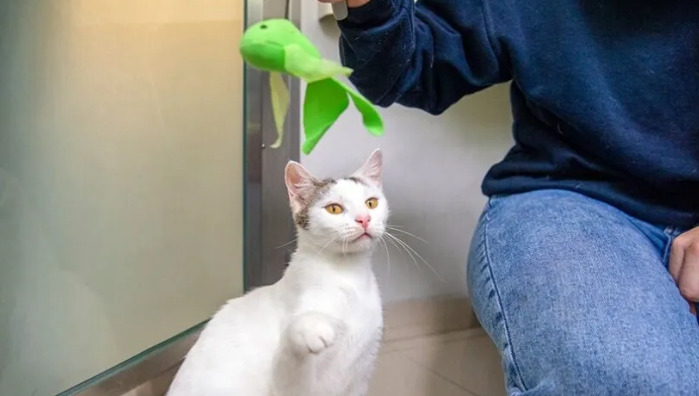
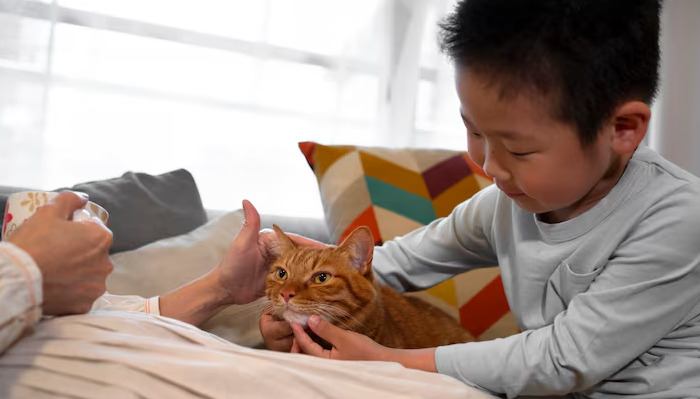
Offer soft pets, quiet companionship, and avoid sudden changes to routines. Engage using toys or brushing only if the cat feels up to it.
Comfort Measures
Cats may seek warmth, so provide blankets or heated beds. Make sure medications or treatments prescribed are administered gently and consistently.
Re-evaluate Regularly
Remember, cats with FIP symptoms may improve or deteriorate quickly. It is essential to adjust care as symptoms and circumstances change.
Set Check-Ins
Have scheduled calls or visits with your vet to track progress, even if results are delayed. Share your symptom log and ask if additional tests or interventions are needed.
Taking Preventive Steps for the Future
Even beyond diagnosis, learning about FIP risk can guide future decisions.
Vaccination Status
Ask your veterinarian about the current recommendations for FIP vaccination. The efficacy of FIP vaccines is still controversial, but other core vaccines prevent secondary illnesses.
Household Management
Regularly clean shared spaces, monitor health status, and limit exposure to stray or high-risk cats, especially in catteries or foster homes.
Acceptance and Hope
Facing the unknown can be emotionally exhausting. While not every cat with suspected FIP will be diagnosed, knowing what to expect—good or bad—lets you prepare practical and compassionate plans for care.
Stay proactive, engaged, and open to emerging scientific updates as feline medicine evolves rapidly in the United States. Whatever the results, your vigilance will ensure your cat receives the best possible support.
References
Pedersen NC, Feline Infectious Peritonitis: An Update, Veterinary Medicine Today
Cornell Feline Health Center, Feline Infectious Peritonitis Brochure
American Association of Feline Practitioners, FIP Guidelines
Hartmann K, Feline Infectious Peritonitis: Recent Advances, Journal of Feline Medicine and Surgery
American Animal Hospital Association, FIP Testing and Management Overview
Addie DD, Feline Coronavirus Infections, Veterinary Clinics of North America: Small Animal Practice