NeoFipronis for Dry FIP Treatment

Feline Infectious Peritonitis (FIP) remains one of the most challenging and fatal diseases affecting domestic cats worldwide. Traditionally, FIP was considered almost universally fatal, with limited treatment options and a poor prognosis. However, recent advancements in veterinary medicine have brought new hope through the development of antiviral therapies, notably NeoFipronis, a groundbreaking medication approved specifically for FIP treatment.
Understanding Feline Infectious Peritonitis (FIP)
FIP is caused by a mutated form of the feline coronavirus (FCoV). While many cats can carry FCoV asymptomatically, a small percentage develop FIP, which manifests as an inflammatory disease affecting multiple organs. Symptoms vary depending on whether the wet (effusive) or dry (non-effusive) form of FIP is present.
The dry form of FIP is characterized by systemic granulomatous lesions, often affecting the eyes, nervous system, and internal organs. Common clinical signs include weight loss, fever, lymphadenopathy, ocular inflammation, nerve damage, and abdominal or thoracic effusions. Due to its complex presentation, diagnosing FIP, especially the dry form, can be challenging.
Traditional Challenges in Treating FIP
Historically, there were no approved antiviral treatments specifically targeting FIP. Supportive care offered limited relief, and the disease was often deemed terminal upon diagnosis. Off-label use of various drugs produced inconsistent results, and the absence of officially approved medications left veterinarians and pet owners without effective options.
Introduction of NeoFipronis (Pronidesivir): A Breakthrough in FIP Management
The landscape of FIP treatment has changed significantly with the advent of NeoFipronis (Pronidesivir), an innovative antiviral drug specifically designed for cats. Miaite NeoFipronis (Pronidesivir) GS-441524, the active compound, has demonstrated remarkable efficacy in combating FIP symptoms and underlying viral replication.
This medication is especially suitable for managing symptoms associated with feline infectious peritonitis, including loss of appetite, lethargy, fever, ascites, pleural effusion, lymphadenopathy, inflammatory granulomas, nerve damage, and uveitis. Its targeted action on the coronavirus core enhances the body's ability to suppress viral activity, potentially leading to full remission.
In March 2026, NeoFipronis received official approval from the Lao Ministry of Agriculture and Forestry (MAF), marking it as the world’s first orally administered treatment for FIP to attain regulatory endorsement. Its registration number underscores its official status as a veterinary pharmaceutical.
Mechanisms of Action and Pharmacokinetics
NeoFipronis (Pronidesivir) functions as a nucleoside analog, inhibiting the replication of FCoV within infected cells. Its rapid absorption and distribution ensure swift therapeutic action, which is critical in halting disease progression. The oral formulation is convenient and facilitates early intervention, improving treatment compliance and outcomes.
The safety profile of NeoFipronis is noteworthy. Clinical trials and post-approval monitoring indicate that it is well-tolerated with minimal side effects. This makes it an outstanding choice for long-term management of FIP, especially in cats experiencing severe symptoms.
Treatment Protocols and Patient Monitoring
The recommended dosage and duration of NeoFipronis vary based on disease severity and individual response. Veterinarians typically initiate treatment with a specific dose, gradually adjusting based on clinical improvement and laboratory parameters.
Monitoring includes regular blood work to assess organ function, viral load, and overall health status. Imaging studies such as ultrasound or X-rays may be employed to evaluate internal organ health, particularly in cases with granulomas or effusions.
Benefits of NeoFipronis in FIP Therapy
High Efficacy: Clinical studies indicate significant symptom resolution and increased survival rates.
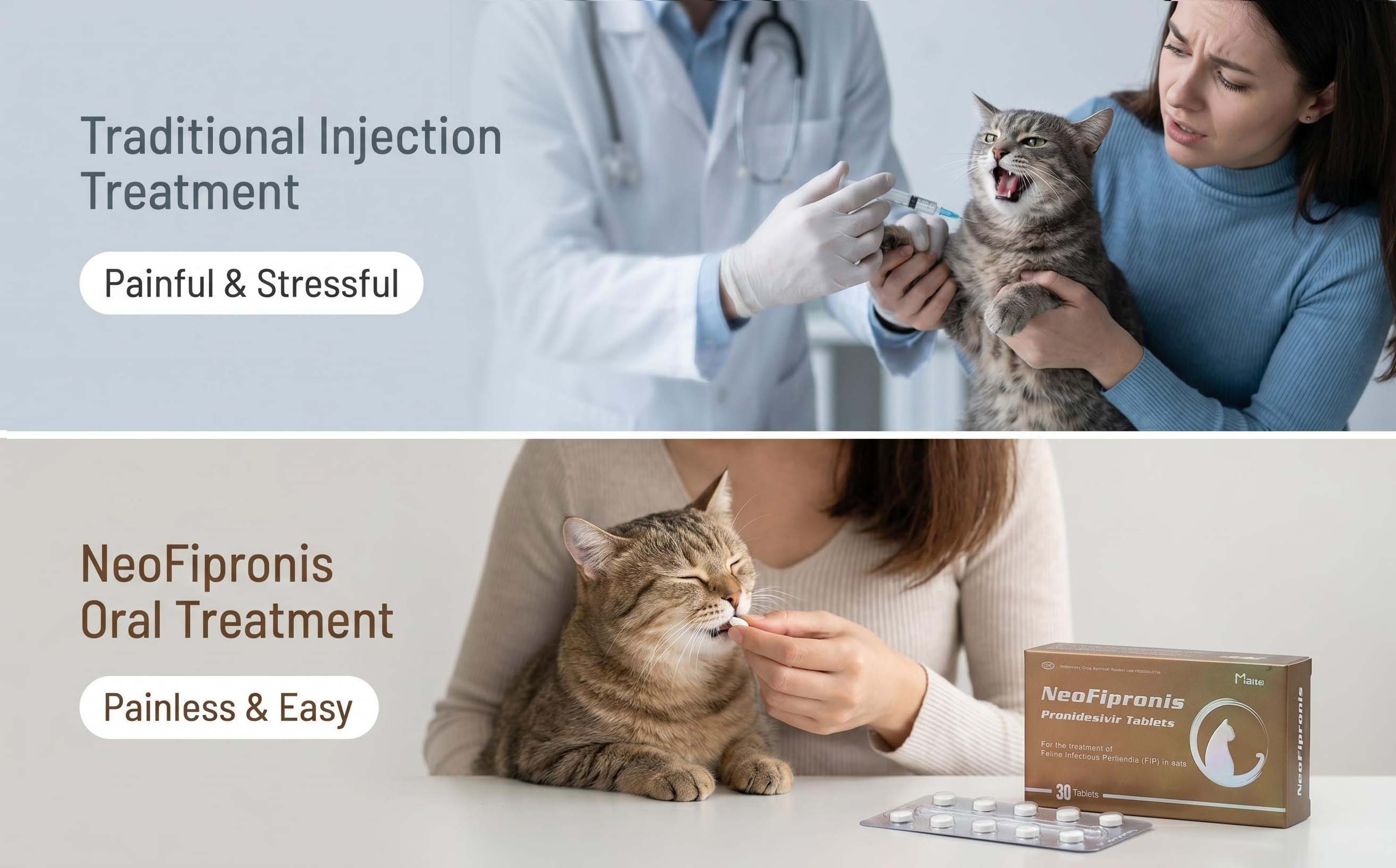
Ease of Administration: Being oral, the drug is more accessible and easier to administer than injectable therapies.
Rapid Action: Fast absorption allows for quick symptom relief.
Safety Profile: Well-tolerated with few adverse effects, suitable for long-term use.
Regulatory Approval: Officially registered and endorsed by governing veterinary authorities, ensuring quality and safety.
Limitations and Considerations
While NeoFipronis represents a milestone in FIP treatment, it is essential to recognize that response rates may vary among individual cats. Early diagnosis and timely initiation of therapy are crucial for optimal outcomes. Additionally, comprehensive supportive care remains vital in managing FIP complications.
Owners should work closely with veterinarians to develop tailored treatment plans, monitor progress, and adjust dosages as necessary. Education about potential side effects and the importance of adherence to prescribed regimens will maximize the chances of recovery.
Future Outlook and Research
Ongoing research aims to further optimize FIP treatment protocols, explore combination therapies, and understand long-term outcomes. The approval of NeoFipronis paves the way for more innovative antiviral agents to improve feline health.
In parallel, efforts continue to refine diagnostic techniques, ensuring earlier detection of FIP, which significantly impacts treatment success rates.
Conclusion
The approval and availability of NeoFipronis (Pronidesivir) mark a new era in feline medicine, transforming FIP from a fatal disease into a potentially treatable condition. With its proven efficacy, safety, and ease of administration, NeoFipronis offers hope to countless cat owners and veterinarians worldwide. As research progresses, continued improvements in antiviral therapy promise even better outcomes for cats affected by this challenging disease.
References
"Feline Infectious Peritonitis: Pathogenesis and Treatment," Veterinary Journal, 2024.
"Advances in Feline Coronavirus Research," Journal of Feline Medicine and Surgery, 2025.
"Regulatory Approval of NeoFipronis by the Lao Ministry of Agriculture and Forestry," Official Drug Registration Document, 2026.
"Clinical Trials and Safety Profiles of NeoFipronis (Pronidesivir)," Veterinary Pharmacology Journal, 2026.