How to Reduce Stress for Cats During FIP Treatment
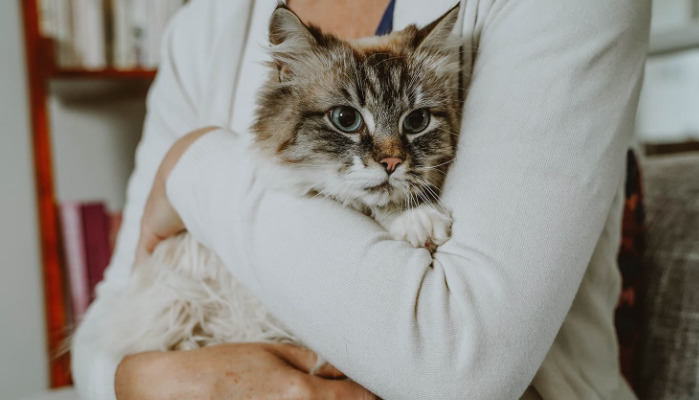
Feline Infectious Peritonitis (FIP) presents a daunting challenge for both veterinarians and pet owners. This often-fatal disease disrupts the lives of affected cats and causes significant emotional stress for their caregivers. Beyond medical intervention, stress reduction plays a crucial role in improving the quality of life, comfort, and possibly outcomes for cats undergoing FIP treatment. Evidence indicates that minimizing stress can support immune function and foster a positive environment for recovery. This work explores strategies for maintaining a calm, comfortable setting for FIP-treated cats, the impact of stress on feline health, and actionable steps for owners focused on holistic well-being.
Understanding FIP and Its Impacts on Feline Stress
FIP, caused by a mutation of the feline coronavirus, often manifests in two primary forms: wet (effusive) and dry (non-effusive). Symptoms include fever, lethargy, weight loss, and fluid accumulation, creating discomfort and anxiety for the cat. In the midst of medical procedures—blood draws, administration of medication, frequent veterinary visits—cats encounter stressors that can undermine their recovery and overall well-being. Elevated cortisol and other stress hormones can impede immune response, potentially aggravating symptoms or complicating treatment efficacy.
The Relationship Between Stress and Feline Immune Function
A cat’s immune system is finely tuned but sensitive to changes in environment and routine. Chronic or acute stress leads to sustained high levels of glucocorticoids, which may suppress immunity and slow healing. Particularly for FIP, where the immune reaction plays a central role in disease progression, supporting optimal immune health is vital. Restricting exposure to stressors not only makes the cat more comfortable but may indirectly bolster the effectiveness of anti-viral treatments such as GS-441524.
Creating a Stress-Reduced Environment for FIP Cats
Comfortable, Quiet Spaces: Cats with FIP need a dedicated, low-traffic area away from household commotion. This reduces overstimulation and allows periods of therapeutic rest, crucial for recovery.
Temperature and Lighting: Sick cats are sensitive to temperature shifts. Maintaining a warm ambiance (around 75°F) and low, indirect lighting can soothe anxiety and improve comfort.
Familiar Scents and Textures: Blankets, beds, or toys imbued with household smells provide reassurance. Incorporating favorite items into the recovery space creates a sense of security.
Noise Reduction: Stress is exacerbated by loud or unpredictable sounds. Using white noise machines or soft music, shutting doors, and minimizing visits from strangers helps preserve tranquility.
Routine and Predictability as Stress Buffers
Consistent Feeding Schedules: Cats thrive on predictability. During FIP treatment, feeding at regular intervals and preventing abrupt diet changes contributes to stability.
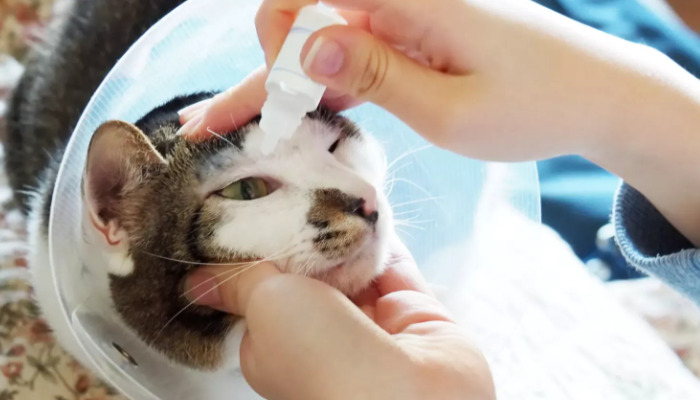
Medication Administration: Choosing pill pockets or flavored liquids, administering medication during routine times, and rewarding with treats or soft petting afterward minimizes medication-related stress.
Gentle Social Interactions: Owners should approach calmly, respecting when the cat seeks solitude or when it needs company. Reading feline body language is important and discourages forced affection during stressful periods.
Behavioral Strategies and Enrichment
Safe Hiding Spots: Providing covered beds or cardboard boxes enables ill cats to retreat when overwhelmed.
Interactive Play—With Caution: Mild play using feather teasers or slow-moving puzzles stimulates mental engagement but should be avoided if the cat displays fatigue or pain.
Feline Facial Pheromone Diffusers: Products like Feliway mimic natural pheromones and may reduce anxiety in hospital and home environments.
Reducing Stress During Veterinary Visits
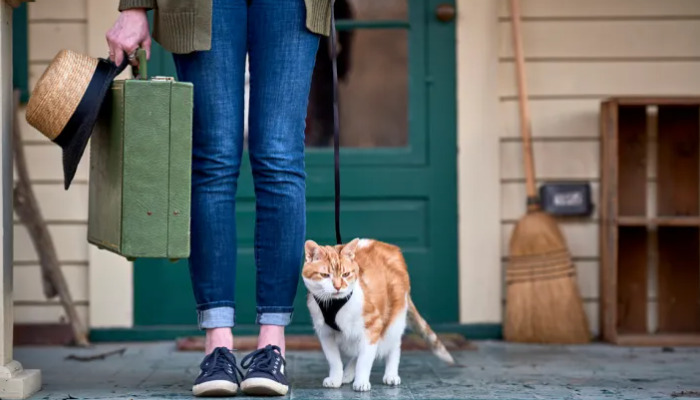
Carrier Training and Familiarization: Conditioning cats to view carriers as safe havens—instead of only associating them with trips to the vet—lessens panic. Leaving carriers open and accessible, containing favorite blankets, encourages voluntary exploration.
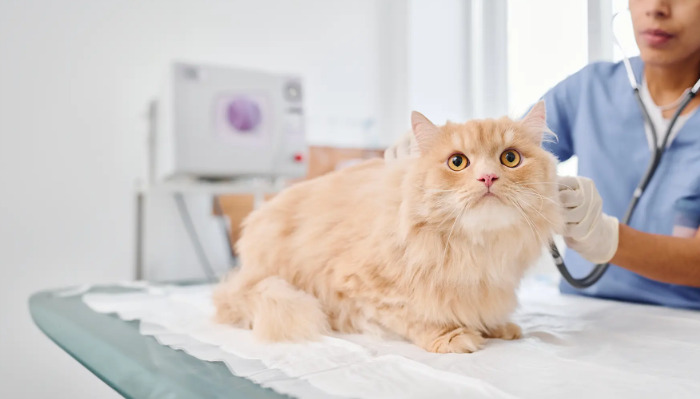
Minimizing Time in Clinic Environments: When possible, schedule short waits and direct, swift exams. Notify clinics in advance about the cat’s illness so staff can prepare a quiet waiting space.
Owner Presence: Cats may feel calmer when their trusted person is present during procedures. Speaking gently and maintaining a reassuring presence aids emotional stability.
Pharmacological and Alternative Approaches
Prescription Anxiolytics: In severe cases, veterinarians may prescribe feline-safe anti-anxiety medications to address extreme distress. These should always follow professional guidance.
Nutraceuticals and Herbal Support: L-theanine, Zylkene, or other natural supplements are increasingly used alongside traditional therapy, with some evidence for positive effect on feline anxiety. However, careful consultation is vital to prevent interactions.
Human-Cat Bonding and Emotional Support
Owner Mental Health: Emotional stability of the caregiver translates to better support for the cat. Owners are encouraged to seek community, counseling, or support groups while facing an FIP diagnosis.
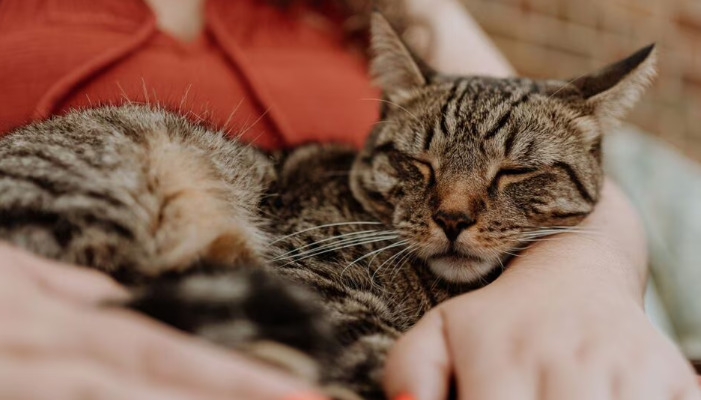
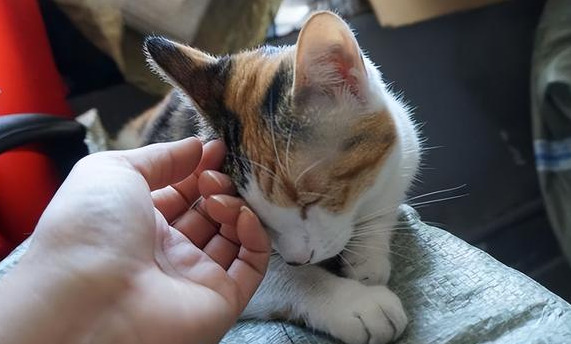
Slow, Gentle Touch: Light petting and massage adopted to the cat’s preference promote trust and relaxation.
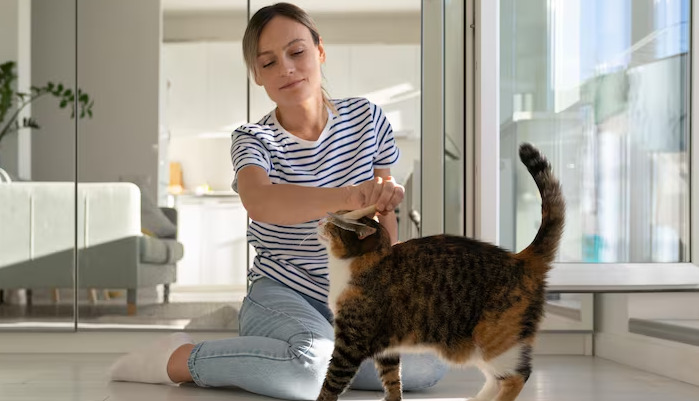
Mutual Grooming: Some cats benefit from brushing, which mimics social grooming and strengthens the human-cat bond.
Monitoring for Signs of Stress
Recognizing and addressing stress promptly is key. Typical signs include:
Excessive grooming or scratching
Hiding or avoidance
Loss of appetite
Increased vocalization or aggression
Dilated pupils, panting, or trembling
Owners should document stress signals and report notable changes to veterinarians, who can adjust care plans accordingly.
Nutrition’s Role in Stress Management
Malnutrition and dehydration worsen both stress and FIP symptoms. Feeding palatable, high-value foods encourages eating, and supplementation strategies—including partial hand-feeding—can help. Fresh water should always be accessible, and hydration should be monitored closely given the risk for dehydration.
Hydration and Fluid Therapy
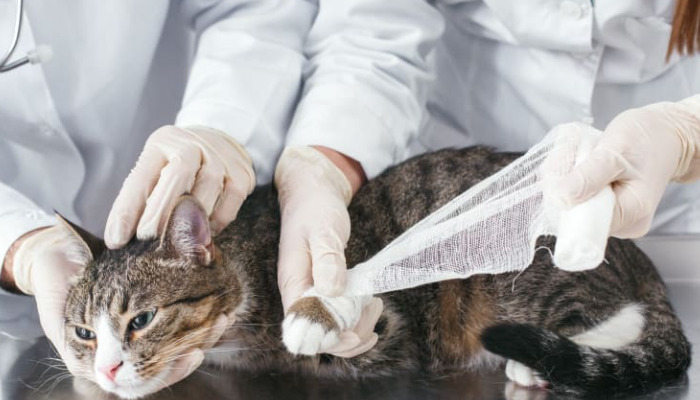
Some FIP cases involve fluid accumulation; some necessitate subcutaneous fluids. Gentle handling, using warmed fluids, and combining procedures with soft comforting words can make medical care less traumatic. Avoiding cold, hard surfaces and using plush towels or warming devices helps prevent negative associations.
Communication Between Veterinarian and Owner
Clear, consistent communication fosters confidence and reduces anxiety for both cat and owner. Regular updates, transparent explanation of procedures, and joint decision-making empower the owner and mitigate overpowering uncertainty. Seeking out feline-only clinics or veterinarians with stress-management experience can further improve the treatment experience.
End-of-Life Care and Euthanasia Decisions
Terminal FIP cases will reach the difficult territory of palliative care or humane euthanasia. Stress reduction remains paramount: privacy, soft bedding, dim lights, and owner's presence offer comfort. Assessing quality of life with veterinary teams allows owners to make compassionate choices supported by professional insight.
Societal and Technological Supports
Remote Veterinary Consultations: Telemedicine offers access to expert care without transport stress, especially for immunocompromised or fragile cats.
Online Support Communities: Sharing experiences and receiving support from other FIP caregivers diminishes isolation and fosters creative coping strategies.
Optimizing the Home for Long-Term Well-being
Beyond acute care, long-term modifications—maintaining a cleaner environment, limiting exposure to other pets, instituting air filtration, and continuing enrichment—protect the fragile immune systems of cats living with chronic, post-treatment conditions.
References
1. Pedersen, N.C. (2009). "A Review of Feline Infectious Peritonitis Virus Infection: 1963–2008." Journal of Feline Medicine and Surgery, 11(4), 225-258.
2. Stella, J. L., Croney, C. C., & Buffington, C. T. (2014). "Behavioral Aspects of Stress in Cats." Journal of Feline Medicine and Surgery, 16(8), 647–655.
3. Dörfelt, R., et al. (2017). "Assessment and Management of Stress in Cats." Veterinary Clinics: Small Animal Practice, 47(3), 375–386.
4. Morris, R., & Bell, N. (2020). "Supportive Care for Cats with Chronic Illness." The Veterinary Nurse, 11(7), 346–353.
5. Sparkes, A.H., et al. (2016). "ISFM Guidelines on Good Practice for Cat Welfare in Veterinary Clinics," Journal of Feline Medicine and Surgery, 18(3), 182–192.
6. Gunn-Moore, D., et al. (2022). "FIP Treatment Developments: Stress Reduction in Clinical Practice." Feline Focus, 40(2), 35–42.
7. Gruen, M.E., et al. (2015). "Use of L-theanine and Anxiolytic Medications in Feline Practice." Veterinary Therapeutics, 16(1), 65–74.
8. Quimby, J.M., et al. (2019). "Nutritional Management in Hospitalized Cats." Journal of Veterinary Internal Medicine, 33(1), 12–22.
9. O'Brien, M., & Ellis, S. (2016). "Human-Animal Bond and Stress Reduction: Evidence in Companion Animals." Animal Welfare Research, 15(4), 275–289.