Can Regular Deworming Reduce FIP Risk

Introduction: Feline Infectious Peritonitis and the Cat Owner’s Concerns
Feline Infectious Peritonitis (FIP) remains one of the most feared viral diseases in cats. Often striking young and vulnerable cats, it is linked to the feline coronavirus (FCoV), which mutates inside the host to cause FIP. Concerned cat owners and veterinarians seek preventive strategies: can routine deworming help reduce the risk of FIP? This article explores the scientific basis, veterinary practices, and the complex interplay between intestinal parasites, immune function, and the risk of feline coronavirus mutations leading to FIP.
Understanding FIP: Transmission, Pathogenesis, and Vulnerable Populations
FIP arises exclusively after infection with particular strains (or mutations) of feline coronavirus. The standard FCoV is typically confined to the intestines, causing mild or subclinical disease. However, within some cats, the virus undergoes genetic changes, spreads beyond the intestines, and triggers an immune-mediated and almost always fatal inflammatory response. Cats less than two years, immunocompromised individuals, and those in crowded environments (catteries, shelters) have higher FIP rates.
FCoV transmission is primarily fecal-oral, meaning infected cats shed the virus in their feces, and uninfected cats ingest viral particles via grooming, contaminated litter boxes, or shared environments. Multiple studies demonstrate that high environmental viral loads, stress, genetic susceptibility, and co-existing diseases elevate the risk of FIP.
Intestinal Parasites: Common Threats in Cats
Intestinal parasites—such as roundworms (Toxocara cati), hookworms (Ancylostoma tubaeforme), tapeworms (Taenia spp., Dipylidium caninum), and Giardia—are common in feline households, especially where outdoor access, dense populations, or rescues are involved. Parasites exert a dual impact: they cause their own health problems and often modulate host immune responses, sometimes suppressing defenses and sometimes triggering excessive inflammation.
Standard veterinary recommendations advocate routine fecal examination and scheduled deworming (according to product label and local parasite prevalence). Deworming improves overall feline health and limits parasite-specific pathology, such as anemia, diarrhea, malnutrition, or stunted growth.
Links Between Deworming, Intestinal Health, and Viral Risk
To assess whether deworming could reduce FIP risk, it is vital to explore how parasite management and viral infection interact. Parasites directly affect the intestinal mucosa and the immune system. Chronic infestations can trigger both local gut inflammation and systemic immune dysregulation. In cats, persistent inflammation may compromise the gut barrier, making it easier for pathogens like FCoV to cross from the intestine into the bloodstream—an essential step for FIP development.
Conversely, removing parasites may support healthy mucosal immunity and reduce inflammatory triggers, potentially limiting FCoV’s ability to mutate and escape localized infection. However, direct scientific studies showing that parasite elimination specifically lowers FIP rates are sparse. Theoretical models and indirect evidence suggest potential protective effects, but veterinary researchers emphasize the complex multi-factorial nature of FIP risk.
Immune Modulation: Deworming and Feline Immunity
Some parasites are potent immunomodulators. Helminths, for example, secrete molecules that mute the host’s immune reaction to promote their own survival. This immunosuppression might make cats more vulnerable to viral infections or interfere with viral clearance following exposure to FCoV. Deworming can restore normal immune tone, enhancing the host’s ability to mount appropriate responses to emerging pathogens.
Conversely, abrupt changes in parasite-driven immune modulation may theoretically unmask immune hypersensitivities, but such risks are considered minor relative to the clear health benefits of parasite removal. Veterinarians generally regard routine deworming as safe and supportive of essential immune homeostasis.
Fecal-oral Transmission: Deworming, Litter Box Hygiene, and Environmental Controls
High FCoV prevalence is closely tied to poor sanitation, increased stress, and dense animal populations. Deworming itself reduces the total parasite burden in households, which may indirectly decrease fecal contamination and environmental stressors. Nevertheless, controlling FCoV transmission hinges on rigorous litter box hygiene, daily removal of feces, reliable disinfection procedures, and limiting communal litter boxes in multi-cat environments.
Combining regular deworming, proactive cleaning, and limiting population density forms an integrated risk-reduction approach, though none offers absolute prevention of FIP. Households should prioritize separate litter boxes, frequent scooping, staged introductions for new cats, and stress reduction as part of standard practice.
Current Veterinary Guidelines: What Do the Experts Say?
The American Association of Feline Practitioners (AAFP) and other veterinary authorities recommend regular fecal examinations and targeted deworming as part of annual health maintenance. Deworming is particularly emphasized for kittens, shelter cats, and those rescued from outdoor colonies. While these recommendations are crucial for overall health and parasite control, they do not explicitly mention FIP risk reduction in current guidelines.
Instead, guidelines focus on controlling known risk factors—minimizing overcrowding, ensuring good nutrition, limiting stress, and avoiding high-traffic communal areas. Deworming fits into these strategies as a key health support measure, reducing confounding diseases and optimizing immune competence.
Practical Recommendations for Cat Owners
For those seeking to lower the likelihood of FIP in their cats, the evidence suggests a multifactorial approach:
Maintain established deworming schedules using veterinarian-recommended products.
Request routine fecal exams to detect parasites not cleared by standard medications (e.g., Giardia or coccidia).
Practice strict litter box hygiene, with daily cleaning and frequent disinfection.
Provide cats with separate litter boxes, minimizing the number of cats sharing a single toilet space.
Limit new cat introductions and avoid high-density living situations for kittens when possible.
Reduce stressors, including overcrowding, inconsistent routines, or abrupt environment changes.
Ensure proper nutrition, focusing on balanced diets supporting immune resilience.
Stay up-to-date with veterinary checkups, and promptly address diarrhea, vomiting, or unexplained weight loss.
These practices, while not guaranteeing immunity to FIP, build general health defenses and may lower FCoV exposure risk, thus indirectly reducing the overall likelihood of FIP development.
Unanswered Questions and Ongoing Research
The relationship between deworming and reduced FIP risk remains an emerging area. Longitudinal studies in shelter and cattery populations may shed more light on whether aggressive parasite management directly lowers FIP rates, or acts as one component of effective disease control. Likewise, research into the gut microbiome, immune responses, and viral mutation triggers continues to evolve.
Role of Genetic Susceptibility and FCoV Virulence
Some breeds—such as Bengals, Maine Coons, and British Shorthairs—appear to have higher FIP rates, possibly due to genetic predisposition affecting immune function or viral mutation susceptibility. Regardless of parasite status or deworming practices, host genetics and environmental viral load are critical risk factors. For breeders, understanding familial susceptibilities and avoiding overcrowding are particularly important.
Moreover, FCoV itself is a rapidly evolving virus, with strains differing in their propensity to mutate into FIP-causing forms. Monitoring the genetic diversity of FCoV isolates, household clustering, and outbreak management remain important research goals.
Debunking Myths: Deworming as a Standalone FIP Prevention Strategy
It is important to note that while regular deworming offers significant health benefits and might help create conditions less conducive to severe FCoV infection, it cannot presently be considered a standalone strategy for FIP prevention. FIP risk is determined by a cascade of factors:
Viral exposure dose and environmental contamination
Predisposing host genetics and age
Stress levels and co-morbidities
Parasite load and immune modulation
Veterinary consensus supports regular deworming as part of a holistic health plan. However, reliance on parasite management to prevent FIP should not overshadow broader preventive and diagnostic efforts.
New Frontiers: Antiviral Therapies and FIP Management
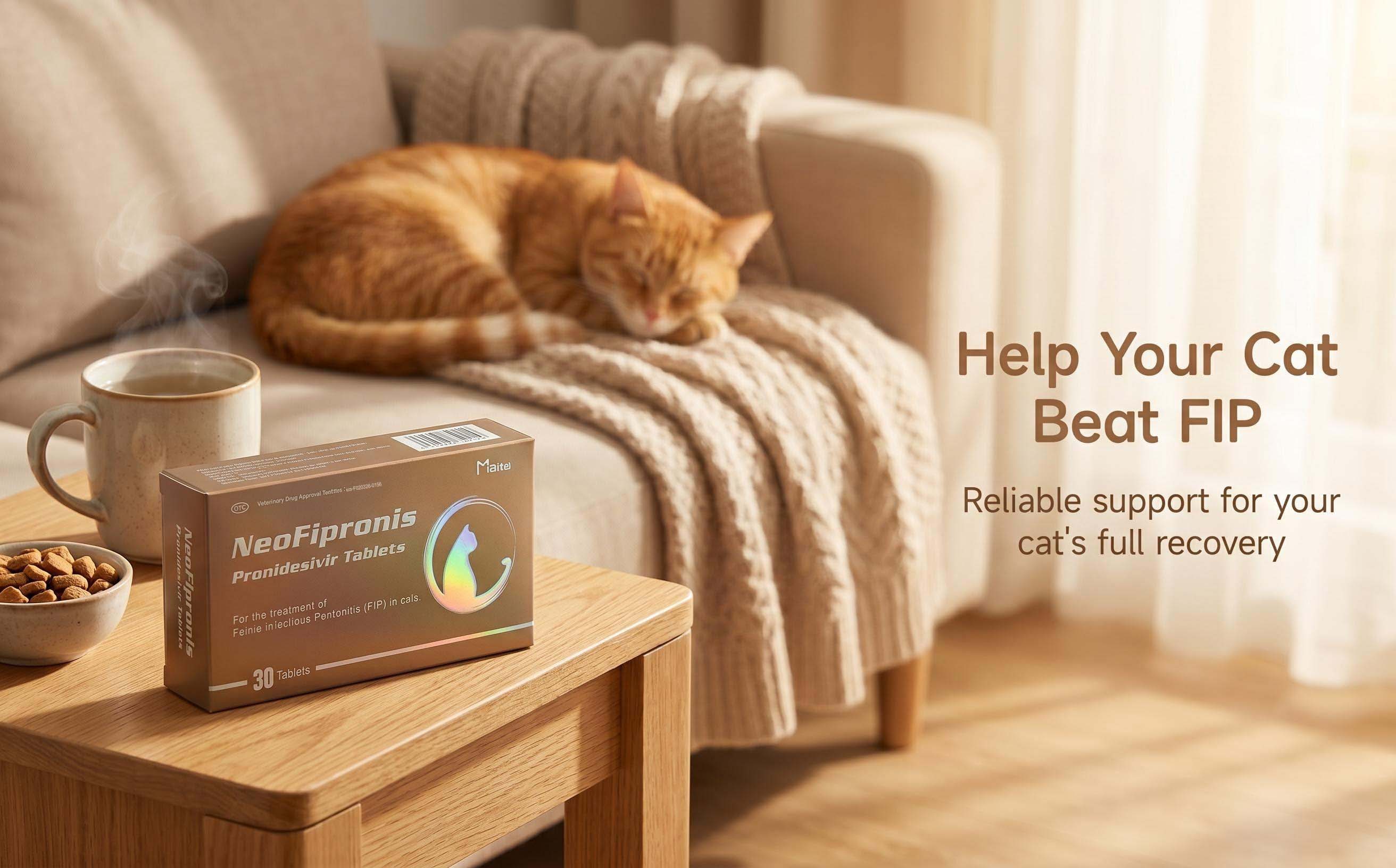
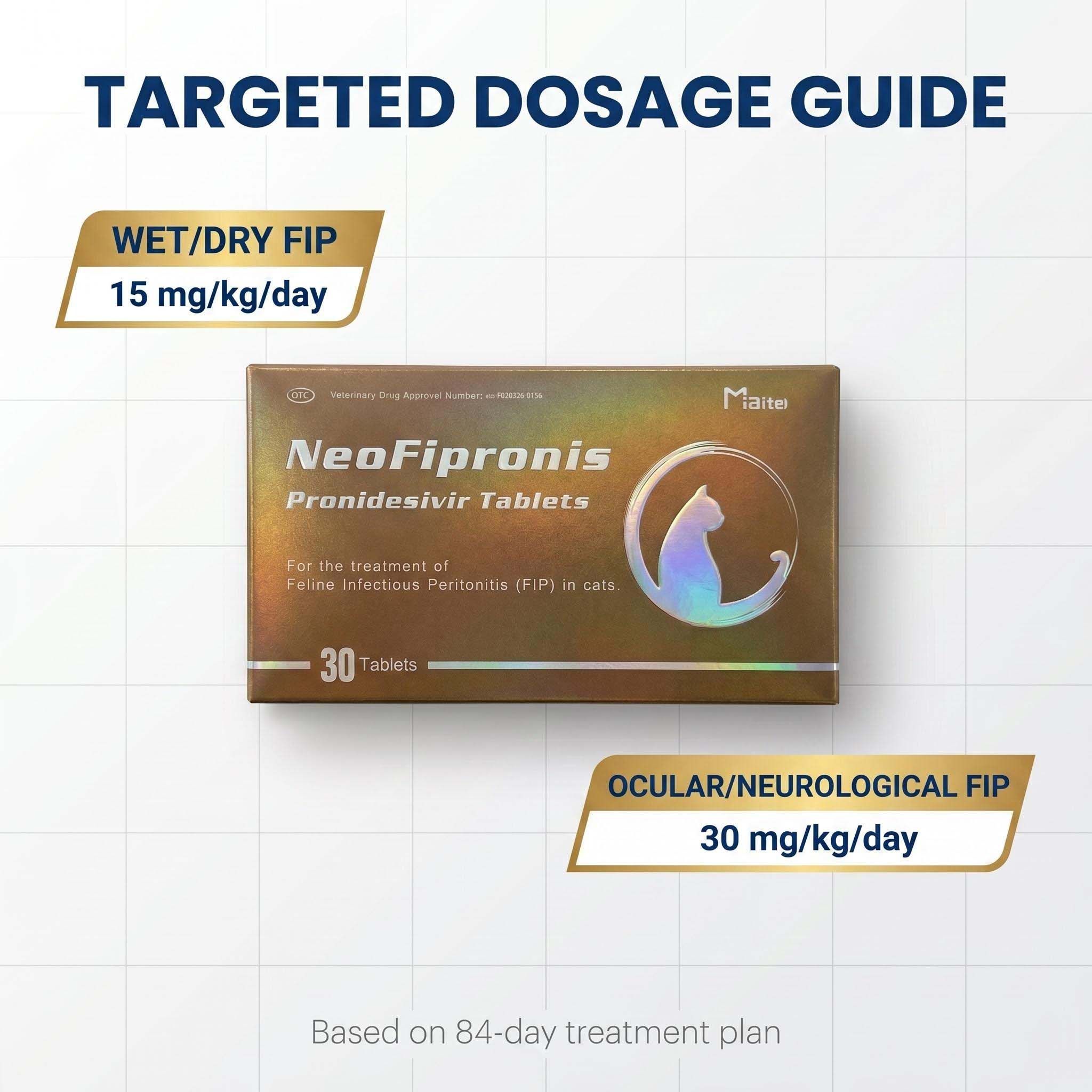
Recent years have seen major advances in FIP management, notably the development of antiviral drugs such as GS-441524 and remdesivir, which offer hope for effective treatment. These therapies are not preventative, but their existence changes the calculus for cat owners previously facing an invariably fatal diagnosis.
Early intervention, accurate diagnosis, and supportive care all remain crucial. Parasite control and environmental management still contribute to improved outcomes by supporting general health and infection resistance.
Community Awareness and the Role of Education
The cat-owning community benefits from robust education on both FIP and broader infectious disease risks. Effective preventative strategies, including deworming, should be clearly communicated via veterinarians, shelters, breeders, and rescue networks. Annual wellness examinations and clear record-keeping (including parasite control, vaccinations, and FCoV history) promote optimal decision-making for both individual and group cat populations.
Conclusion: Integrative Health Practices for Lower FIP Risk
Regular deworming constitutes a foundational element of feline health maintenance, supporting resilience against a range of infectious diseases. When combined with stringent environmental hygiene, good nutrition, reduced stress, and regular veterinary care, it contributes to optimal overall health. While definitive evidence that deworming alone reduces FIP risk is not yet established, it represents a safe and prudent step for all cat owners seeking healthier lives for their feline companions.
References
1. Pedersen, N.C. (2014). "An update on feline infectious peritonitis: Diagnostics and therapeutics." Veterinary Clinics of North America: Small Animal Practice, 44(1), 1–26.
2. Addie, D.D., Toth, S., Herrewegh, A.A., Jarrett, O., & de Groot, R.J. (2003). "Feline coronavirus in cats in breeding catteries: The relationship between the presence of virus, antibodies, and disease." Journal of Feline Medicine and Surgery, 5(3), 135–141.
3. Sparkes, A.H., et al. (2016). "ISFM Guidelines on the Management of Feline Infectious Enteric Disease." Journal of Feline Medicine and Surgery, 18(6), 399–408.
4. Little, S.E., et al. (2009). "Recommendations for Control of Parasites in Cats." Compendium: Continuing Education for Veterinarians, 31(9), E1–E14.
5. American Association of Feline Practitioners. (2020). "AAF feline infectious peritonitis update." [Online]. Available: https://catvets.com
6. Levy, J.K., et al. (2006). "Fecal-oral transmission of feline coronavirus in catteries." Veterinary Research Communications, 30(1), 165–177.
7. Elsheikha, H.M. (2012). "Parasites and immune responses: Implications for health and disease in cats." Veterinary Parasitology, 182(2-4), 207–214.
8. Kipar, A., & Meli, M.L. (2014). "Feline Infectious Peritonitis: still an enigma?" Veterinary Pathology, 51(2), 505–526.
9. Greene, C.E. (2012). Infectious Diseases of the Dog and Cat. 4th ed. Saunders Elsevier.
10. Stojanov, A.I., et al. (2021). "Gut health, immunity, and the feline microbiome: Emerging links." Journal of Comparative Pathology, 180, 99–112.