NeoFipronis (Pronidesivir) Instructions and Dosage Guide
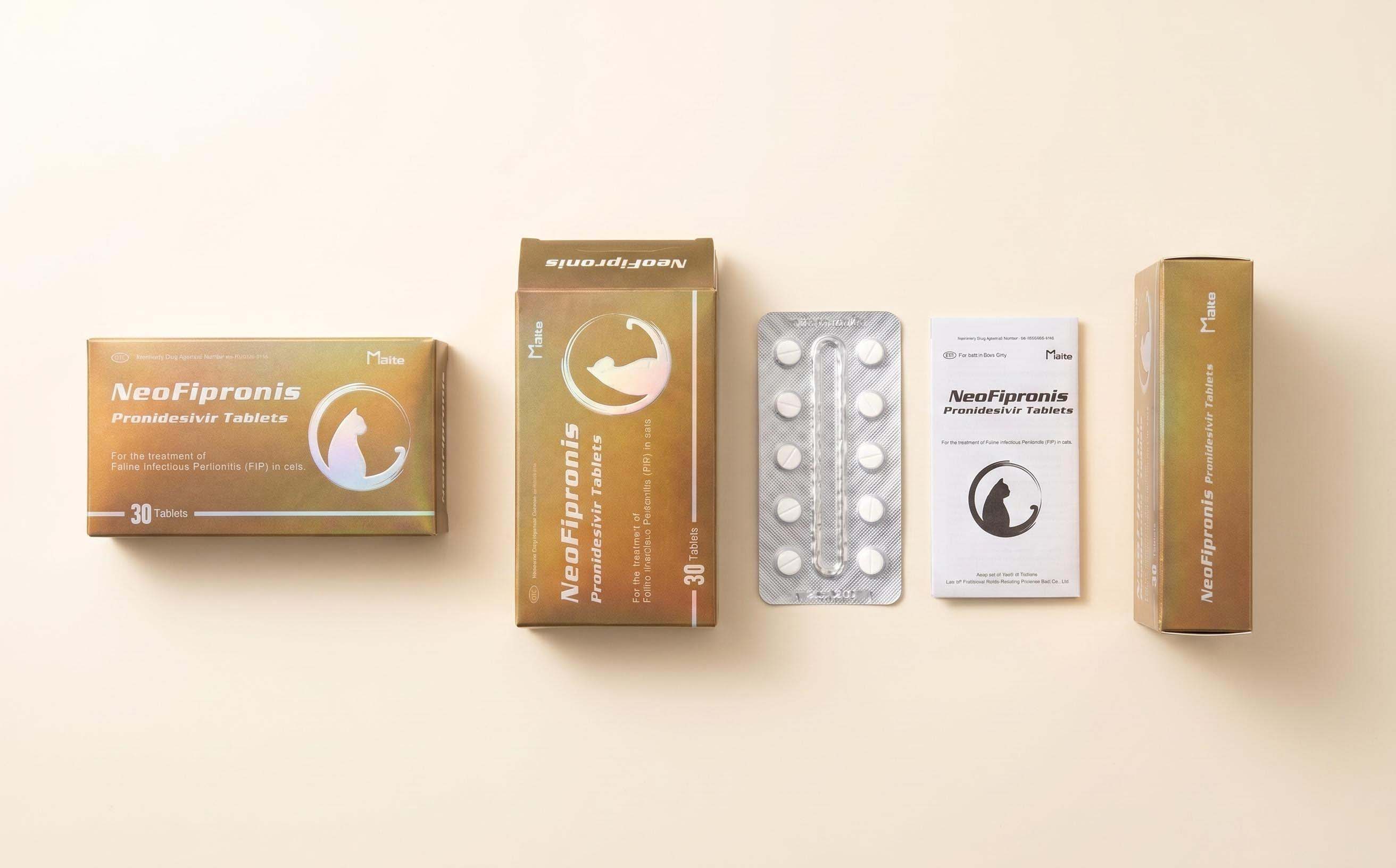
NeoFipronis (Pronidesivir) is an oral FIP treatment for cats formulated with GS-441524, a compound widely discussed in veterinary antiviral care for feline infectious peritonitis. FIP is a serious and often life-threatening disease caused by feline coronavirus mutation, and early treatment can make a major difference in a cat’s comfort and recovery. Common symptoms include poor appetite, lethargy, fever, abdominal fluid, chest fluid, enlarged lymph nodes, inflammatory granulomas, neurological signs, and uveitis. For cats showing these signs, prompt veterinary evaluation is essential.
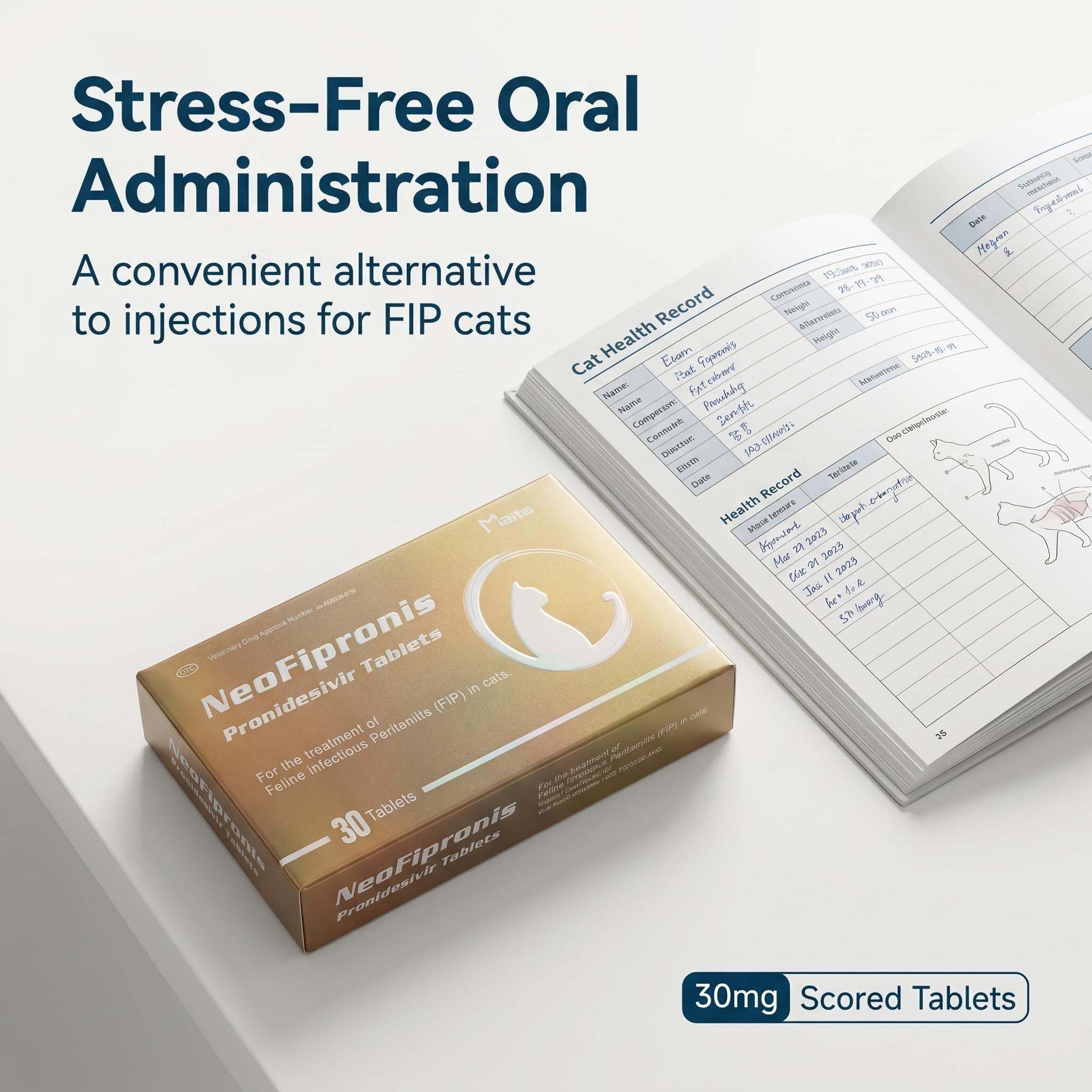
NeoFipronis is designed for ease of use, with fast absorption, convenient oral administration, and a generally good tolerance profile. Many cat owners prefer oral antiviral therapy because it is non-invasive and easier to continue for the long treatment period that FIP typically requires. When used correctly and consistently, it can support improved appetite, energy, and overall clinical stability in affected cats.
How NeoFipronis Works for FIP
The active ingredient in NeoFipronis, GS-441524, is an antiviral compound used to target feline coronavirus replication. By reducing viral activity, treatment may help relieve inflammation and improve FIP-related symptoms over time. This makes it especially relevant for wet FIP, dry FIP, and mixed presentations, including cases involving the nervous system or eyes.
Because FIP can progress quickly, treatment should begin as soon as a veterinarian confirms or strongly suspects the disease. Cats with severe weakness, breathing difficulty, tense abdominal swelling, or neurological changes need urgent care and close monitoring.
Dosage Guide
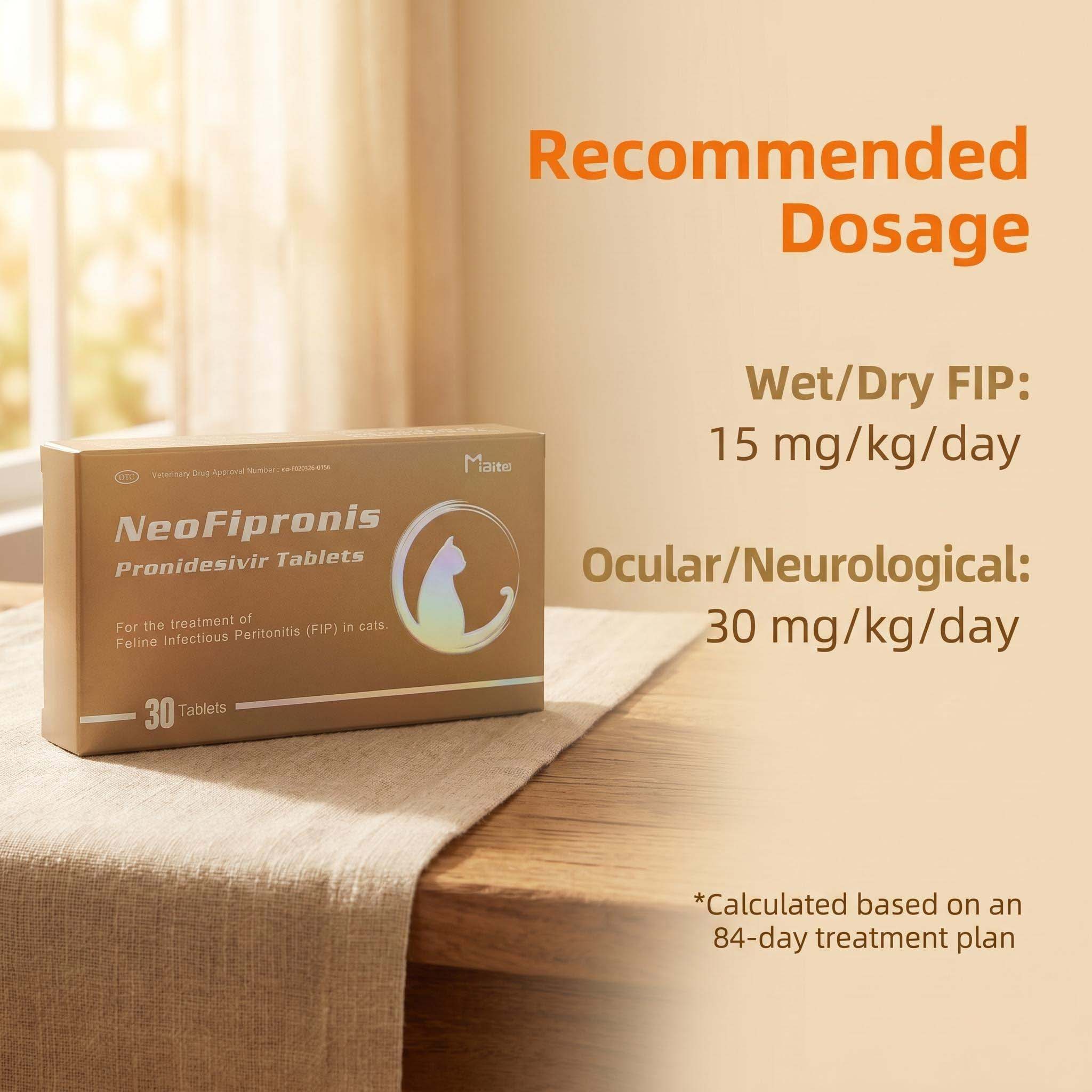
Standard dosing is based on body weight. The usual recommended dose is 15 mg per kilogram of body weight once daily, which is approximately half a tablet per kilogram, depending on tablet strength and product formulation. For neurological FIP or ocular FIP, veterinarians may increase the dose to 30 mg per kilogram once daily.
NeoFipronis should be given once daily, ideally on an empty stomach, either 1 hour before feeding or 2 hours after feeding, to support absorption. It is important to measure the cat’s weight accurately before starting treatment and adjust the dose if the cat gains or loses weight during therapy.
Treatment Duration and Compliance
FIP treatment requires patience and consistency. NeoFipronis should be given continuously for at least 12 weeks, and doses must not be missed. Skipping medication can reduce antiviral control and may slow recovery. If a dose is delayed, follow your veterinarian’s instructions rather than doubling the next dose unless specifically directed.
Cats with neurological or ocular involvement may require longer treatment or dose adjustments, depending on response. Regular follow-up is important to evaluate whether the cat is improving and whether the dosage remains appropriate.
Monitoring During Treatment
During therapy, monitor the cat’s appetite, body temperature, activity level, hydration, and weight. Veterinary checkups should include bloodwork, liver function, and kidney function to help assess safety and response. Improvement is often seen gradually, including better appetite, reduced fever, increased energy, and less fluid buildup.
If symptoms worsen, new neurological signs appear, or breathing becomes difficult, contact a veterinarian immediately.
Important Precautions
NeoFipronis is for cats only and must never be used in humans. Although it may be available without a prescription in some places, using it under veterinary guidance is strongly recommended. This helps ensure correct dosing, monitoring, and safer long-term management.
To reduce the risk of counterfeit products, purchase only from the official NeoFipronis website or authorized channels. Product quality matters greatly in FIP treatment, and reliable sourcing helps protect your cat’s health.
If you want, I can also turn this into a more SEO-optimized blog format with meta title, meta description, and FAQ section.