Does Early Treatment Improve Survival in Cats With FIP
Feline Infectious Peritonitis (FIP) is a devastating disease in cats that, until very recently, was considered almost universally fatal. Caused by a mutation of the feline coronavirus (FCoV), FIP has haunted cat owners and veterinarians for decades due to its complex symptoms, rapid progression, and the frustration of limited treatment options. However, with new antiviral treatments available, early identification and intervention may offer hope to many feline patients. This article explores the importance of early treatment in FIP, outlining clinical manifestations, diagnostics, recent breakthroughs, and current research, while focusing specifically on whether starting therapy early improves survival rates in cats.
Understanding FIP: A Medical Challenge
FIP develops when a benign feline coronavirus, commonly found in multi-cat environments, mutates within a cat’s body and triggers a fierce immune response. Unlike the typical FCoV, which usually results in mild gastrointestinal upset, the mutated virus targets white blood cells, disseminating throughout the body. This can lead to multisystemic inflammation, often affecting the abdomen, kidneys, liver, eyes, or nervous system.
FIP exists in two main forms: effusive (wet) FIP and non-effusive (dry) FIP. Wet FIP is characterized by fluid accumulation in the abdomen or chest, often resulting in breathing problems and distended abdomens, while dry FIP involves granulomatous lesions in organs like the liver, kidneys, or central nervous system, causing a diverse array of symptoms such as jaundice, neurological deficits, or ocular changes. Misdiagnosis is common due to overlapping signs with other diseases.
Clinical Signs and Diagnostic Hurdles
Diagnosing FIP remains challenging. The symptoms are nonspecific: fever unresponsive to antibiotics, weight loss, lethargy, poor appetite, and variable neurological or ocular signs. In wet FIP, effusions in the abdomen or thorax are typical, but in dry FIP, a combination of subtle and progressing symptoms can lead to delays in diagnosis.
Laboratory testing often reveals anemia, increased total protein (esp. high globulin levels), reduced albumin, increased bilirubin, and fluctuating white blood cell counts. Rivalta’s test and protein analysis of abdominal fluid can support a diagnosis but are not entirely definitive.
Confirmatory diagnosis requires analyzing the affected tissues or fluids for FCoV RNA by polymerase chain reaction (PCR) or immunohistochemistry. Positive immunostaining of coronavirus antigen within macrophages in the affected tissues is regarded as nearly definitive, but these procedures are often only done post-mortem or during advanced disease.
Advances in FIP Treatment: The Role of GS-441524 and GC376
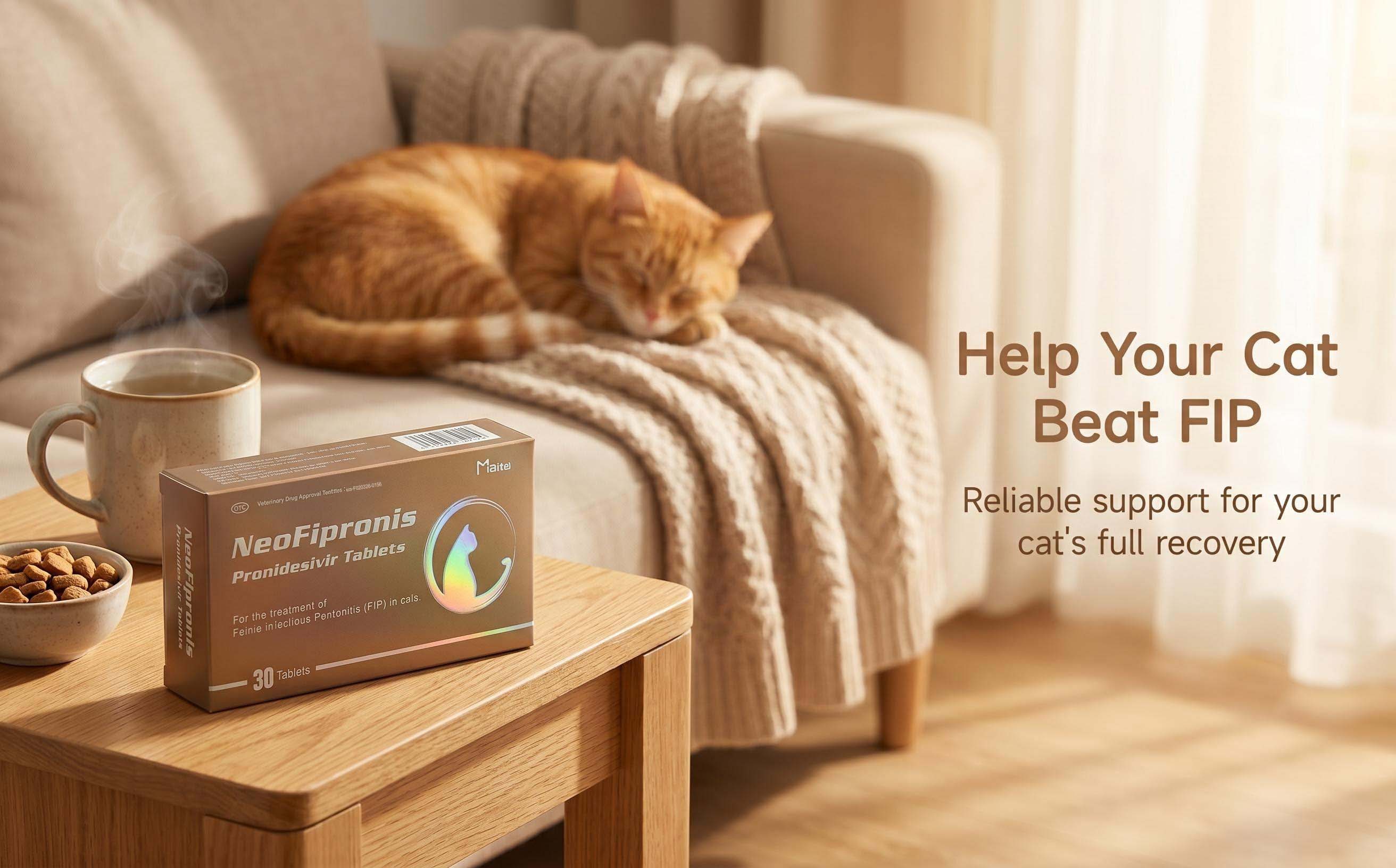
Historically, FIP’s prognosis was poor. During the decades before effective antiviral therapy was available, almost all cats died within weeks or months of diagnosis. Recent game-changing research introduced nucleoside analogues such as GS-441524 (the active metabolite of remdesivir) and viral protease inhibitors like GC376. Both compounds disrupt viral replication and have documented success in treating cats with FIP.
Multiple studies show remission in up to 80% of treated cats, sparking hope and advocacy for legal access to these drugs. The data suggest that prompt initiation of therapy, ideally before severe organ dysfunction sets in, is vital. As a result, veterinary recommendations have shifted towards earlier diagnosis and intervention.
Why Early Treatment Matters: Pathophysiology and Outcomes
When FIP is identified in the preliminary stages, before extensive damage occurs, chances of recovery improve. This is because FIP’s most severe symptoms stem not only from viral replication but also from widespread tissue inflammation and organ failure. Quick therapeutic intervention halts viral multiplication, minimizing cumulative tissue destruction and supporting normal organ function.
Delayed treatment often means the virus has caused irreversible injury to critical organs—brain, liver, eyes—making remission less likely even with the best available drugs. Evidence from clinical trials emphasizes that cats with mild to moderate symptoms at the start of therapy are significantly more likely to survive the 12-week treatment regimen, compared to those with severe neurologic or ocular involvement.
Clinical Evidence: Case Series and Survival Rates
Several feline medicine researchers have published case series over the past five years detailing outcomes with early versus late treatment. A landmark study by Dr. Niels Pedersen reviewed 31 cats treated with GS-441524, reporting a survival rate exceeding 80% in cats treated early after diagnosis. Among cats with wet FIP and minimal organ involvement, the success rate was even higher. Conversely, cats treated later in the disease course, especially those with advanced central nervous system signs or ocular damage, fared worse.
Further retrospective analyses support these findings: cats receiving antiviral drugs during the initial phase of weight loss and inappetence were more likely to respond, whereas those with long-standing neurological deficits or multi-organ failure had a poorer response and a greater risk of relapse.
Assessing Dry Versus Wet FIP: Treatment Implications
Wet FIP tends to be recognized more rapidly due to obvious abdominal or thoracic fluid accumulation, expediting treatment onset. Dry FIP presents a greater challenge, as symptoms can be insidious and vague. This delayed identification often means that by the time therapy starts, the disease is further advanced and the likelihood of full recovery diminishes. Therefore, education for owners and veterinarians about the subtle signs of dry FIP is essential for achieving better outcomes.
Reports indicate that the earlier dry FIP is identified—frequently through thorough workups of young cats with persistent fever, eye problems, or neurologic manifestations—the greater the likelihood of survival after treatment. For both forms, early therapeutic intervention appears crucial for a positive prognosis.
Neurologic FIP: A Special Challenge
Neurologic manifestations of FIP (seizures, ataxia, head tilt, behavioral changes) are among the most daunting complications. They usually develop late in the disease, correlating with advanced tissue damage or long-standing inflammation. Several studies have shown that cats initiated on therapy during early neurological involvement fare better than those with severe, longstanding symptoms.
It is also important to note that treating neurologic FIP requires higher drug dosages and longer treatment periods than non-neurologic forms. Even with optimal protocols, complete remission is not guaranteed, underscoring the paramount importance of prompt recognition and early intervention.
The Owner’s Role: Recognizing Early Signs
Pet owners play a central role in early detection. Most cats who develop FIP are young or immunosuppressed, but the disease can affect any age group. Recognizing subtle signs—weight loss, reduced appetite, lethargy, unresponsive fever, abdominal swelling, or changes in behavior—should prompt rapid veterinary attention. Prompt diagnostics may improve the efficacy of antiviral therapy.
Routine screening of kittens from high-density environments (catteries, shelters) with a history of FCoV exposure, coupled with educational outreach, may increase early diagnosis and survival rates. Early suspicion, confirmation, and immediate initiation of treatment are critical components of effective management.
Availability and Access to Treatment
Legal access to GS-441524 and related compounds varies. In the United States, remdesivir (a related compound) has received expanded attention, and several animal-health pharmaceutical companies are pursuing approval for feline-specific formulations of GS-441524. The illegal or black-market distribution of the drug persists due to lack of full regulatory approval, but the veterinary community urges caution and pursues the expansion of legitimate access.
The earlier the drug is administered—once FIP is suspected and preliminary diagnostics confirm its presence—the greater the chance for a sustained remission. Ongoing studies are refining protocols, but consensus across feline medicine experts suggests the same: time is of the essence in FIP treatment.
Relapses: How Timing Influences Outcomes
Relapses after treatment can occur, especially if therapy is halted prematurely or if the initial phase of disease was severe. Early treatment generally results in milder, more manageable relapses, if any. In contrast, late-stage treatment where neurological or ocular involvement is pronounced has a higher risk of treatment resistance, relapse, or non-response.
This has led to evolving recommendations for longer therapy duration, careful clinical monitoring, and follow-up bloodwork for cats with advanced FIP—a direct result of accumulated evidence pointing to the advantages of early disease intervention.
Public Health and Future Directions
Increased awareness about FIP, its symptoms, and the necessity of early treatment is essential for improved survival across pet populations. Support for ongoing funding and research into better diagnostics and therapeutics remains paramount. As more data is gathered, especially from well-constructed, large-scale clinical trials, protocols continue to be refined.
Novel anti-viral agents, immunomodulatory therapies, and vaccine development may further improve outcomes and emphasize the role of early detection and intervention in managing FIP.
References
1. Niels C. Pedersen et al., "Efficacy of a 3C-like protease inhibitor in treating various forms of acquired feline infectious peritonitis," Journal of Feline Medicine and Surgery, 2018.
2. Niels C. Pedersen et al., "GS-441524 treatment of cats with naturally occurring feline infectious peritonitis," Journal of Feline Medicine and Surgery, 2019.
3. Krentz, D. et al., "Clinical efficacy and safety of the nucleoside analog GS-441524 for treatment of cats with FIP," Veterinary Microbiology, 2019.
4. Barker, E. N. et al., "Feline coronavirus-associated diseases and their management," Veterinary Journal, 2020.
5. Addie, D. D. et al., "Feline infectious peritonitis: ABCD guidelines on prevention and management," Journal of Feline Medicine and Surgery, 2022.
6. Fischer, Y. et al., "New developments in feline infectious peritonitis treatment strategies," Companion Animal, 2022.
7. Healey, G. F. et al., "FIP: diagnosis, treatment, and the significance of early intervention," Veterinary Clinics of North America: Small Animal Practice, 2021.
8. Felten, S. and Hartmann, K., "Diagnosis of feline infectious peritonitis: a review," Veterinary Sciences, 2019.
9. Kipar, A. and Meli M. L. "Feline infectious peritonitis: still an enigma?" Veterinary Pathology, 2014.