NeoFipronis Frequently Asked Questions
Feline Infectious Peritonitis (FIP) remains one of the most challenging diseases in feline medicine, often leading to severe illness and, unfortunately, death. Recent medical advancements have introduced new treatments, including NeoFipronis, which offers hope to many cat owners and veterinarians. This comprehensive FAQ section provides essential information about NeoFipronis, its application, safety, and efficacy in managing FIP.
What is NeoFipronis?
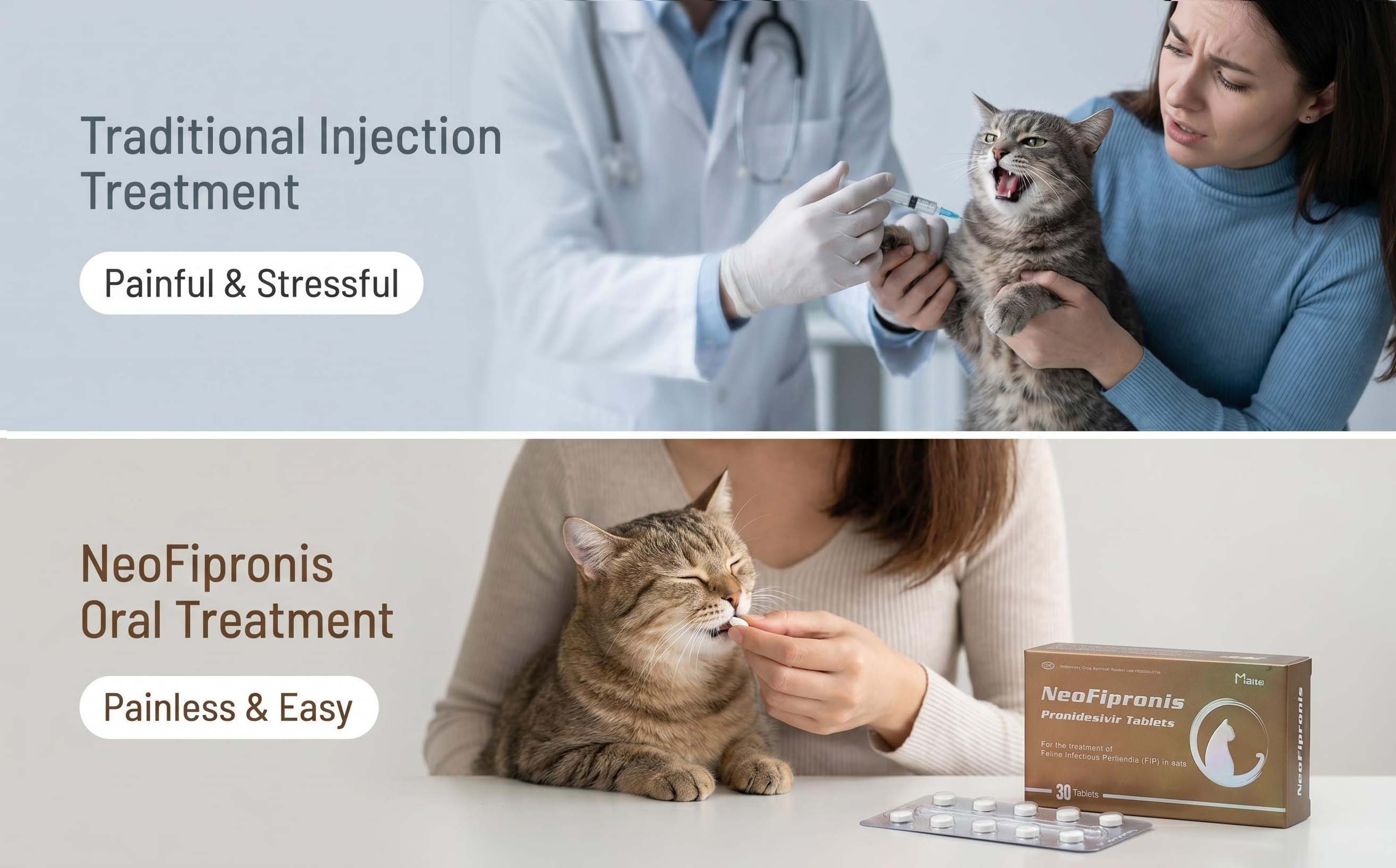
NeoFipronis is a groundbreaking oral medication specifically developed to treat FIP in cats. It contains Pronidesivir (also known as Miaite NeoFipronis), a potent antiviral agent designed to combat the feline coronavirus responsible for FIP development. As the world's first officially approved oral treatment for FIP, NeoFipronis marks a significant milestone, offering a more accessible and less invasive therapy option for affected cats.
How does NeoFipronis work against FIP?
NeoFipronis functions by inhibiting the replication of the feline coronavirus within the body. FIP results when a mutated feline coronavirus causes widespread inflammation and granuloma formation in various tissues. By targeting the virus directly, NeoFipronis helps halt disease progression, reduce clinical symptoms, and promote recovery. Its rapid absorption and fast-acting nature make it an effective choice in managing this complex disease.
What are the symptoms of FIP that NeoFipronis can treat?
NeoFipronis is suitable for symptoms caused by FIP, including but not limited to:
Loss of appetite
Lethargy
Fever
Ascites (accumulation of fluid in the abdomen)
Pleural effusion (fluid around the lungs)
Lymphadenopathy (swollen lymph nodes)
Inflammatory granulomas
Nerve damage
Uveitis (inflammation of the eye)
The medication has demonstrated excellent therapeutic effects on these manifestations, significantly improving affected cats' quality of life.
Is NeoFipronis safe for cats?
NeoFipronis has been extensively evaluated for safety and tolerability. It is considered safe, non-invasive, and well-tolerated by most cats. The medication is rapidly absorbed, leading to quick onset of action, and has few side effects when administered as directed. Veterinarians recommend following dosage instructions carefully to minimize any potential adverse reactions.
How is NeoFipronis administered?
Administering NeoFipronis is straightforward. It is given orally, typically in the form of tablets or liquid formulations, depending on the specific product. The precise dosage and treatment duration are determined by the veterinarian based on the cat's weight, age, and clinical condition. Consistent administration and follow-up examinations are essential to ensure optimal outcomes.
What makes NeoFipronis different from other FIP treatments?
Previously, FIP was considered almost invariably fatal, with limited treatment options. Now, NeoFipronis stands out due to its status as the world's first officially approved oral medication for FIP, authorized by the Lao Ministry of Agriculture and Forestry (MAF) in March 2026, with an official drug registration number. Its approval signifies a new era in feline medicine, emphasizing ease of use, safety, and effective viral suppression.
How quickly can cats recover with NeoFipronis?
Response times vary depending on the severity of FIP and individual cat health. Some cats show improvement within days, such as increased appetite and reduced fever, while others may need several weeks of consistent treatment to see full recovery. Early diagnosis and prompt initiation of therapy greatly enhance the chances of successful outcomes.
Are there any side effects or risks associated with NeoFipronis?
While NeoFipronis is well tolerated, some cats may experience mild side effects, such as gastrointestinal upset or temporary behavioral changes. Serious adverse reactions are rare. Veterinarians routinely monitor for side effects through follow-up visits, especially during the initial treatment phases. Overall, the benefits of controlling FIP outweigh potential risks.
Can NeoFipronis be used alongside other medications?
Yes, NeoFipronis can often be used in conjunction with other supportive therapies, such as antibiotics, anti-inflammatory drugs, or nutritional supplements. However, it is crucial to consult a veterinarian before combining treatments to prevent interactions and ensure the safety and well-being of the cat.
How is NeoFipronis regulated and approved?
NeoFipronis received official approval in March 2026 from the Lao Ministry of Agriculture and Forestry (MAF), with a registration number confirming its safety and efficacy. This regulatory milestone underscores its status as a legitimate, scientifically supported treatment for FIP, providing peace of mind to pet owners and veterinarians.
What should I do if I suspect my cat has FIP?
If you notice symptoms such as weight loss, fever, lethargy, or fluid accumulation, consult a veterinarian promptly. Early diagnosis and treatment initiation are critical for improving prognosis. The veterinary professional can perform diagnostic tests, including blood work, imaging, and possibly viral testing, to confirm FIP and determine the appropriate treatment plan, including the potential use of NeoFipronis.
Is NeoFipronis available worldwide?
As of now, NeoFipronis is officially approved in Laos. Its availability in other countries depends on regulatory approvals and distribution agreements. However, ongoing clinical trials and regulatory processes may expand its accessibility, offering hope for cats worldwide affected by FIP.
Conclusion
NeoFipronis (Pronidesivir) represents a breakthrough in the fight against feline infectious peritonitis. Its approval as the first oral treatment marks a new chapter for feline health management, emphasizing safety, efficacy, and ease of use. Veterinarians and cat owners now have a potent tool to combat this complex disease, with promising prospects for recovery and improved quality of life for affected cats.
References
1. Veterinary Medicine Journal: Advances in FIP Treatment
2. World Veterinary Conference Proceedings: Recent Therapeutic Innovations for Feline Diseases
3. Lao Ministry of Agriculture and Forestry: Official Approval Documentation for NeoFipronis
4. Journal of Feline Medicine and Surgery: Safety and Efficacy of Pronidesivir in FIP Treatment