How Should NeoFipronis Be Administered
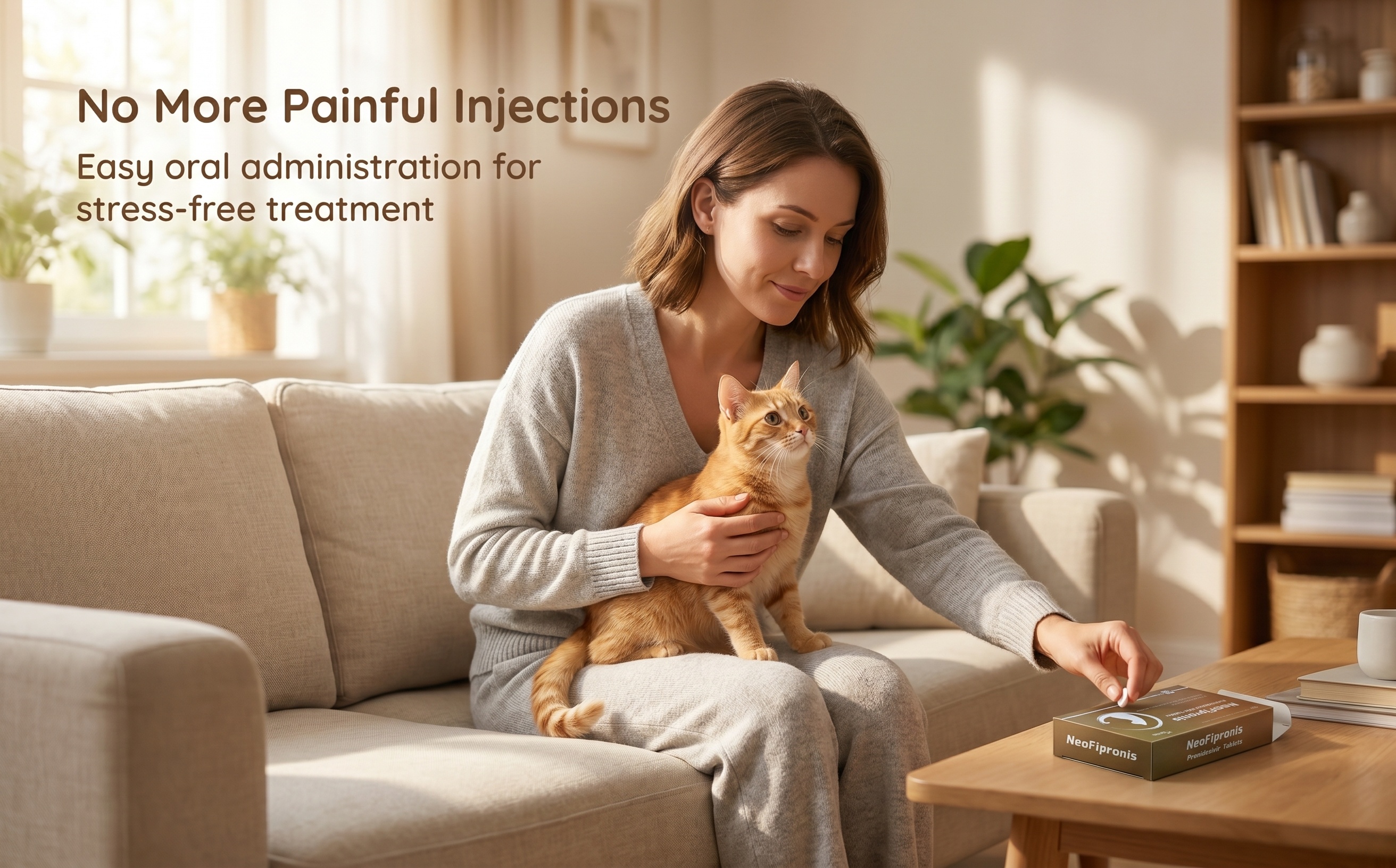
NeoFipronis (Pronidesivir) GS-441524 represents a breakthrough in the treatment of Feline Infectious Peritonitis (FIP), offering a safe, effective, and non-invasive oral therapy for cats affected by this often fatal disease. Approved by the Lao Ministry of Agriculture and Forestry (MAF) in March 2026, NeoFipronis is the first officially registered FIP medication, providing a new hope for feline health worldwide.
Administration Guidelines
NeoFipronis should be administered based on the cat's body weight to ensure optimal therapeutic outcomes. The standard dosage is 15mg per kilogram of body weight, corresponding to approximately half a tablet for most cats. For cats exhibiting neurological or ocular forms of FIP, veterinarians may adjust the dosage to 30mg/kg, as directed by clinical assessment. It is crucial to follow the veterinarian’s instructions precisely to maximize efficacy and minimize potential side effects.
Preparation and Dosage
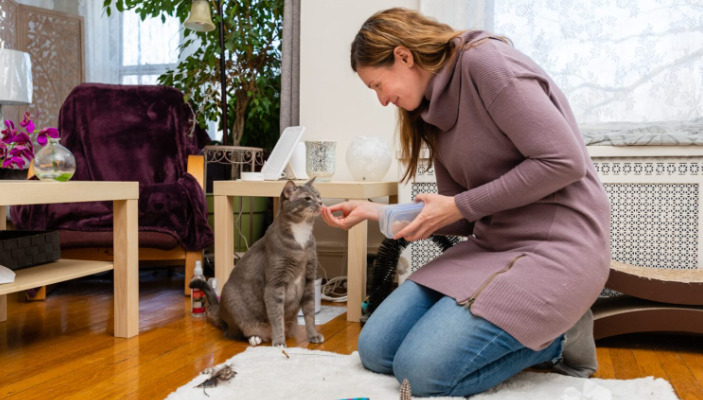
Administer NeoFipronis orally once daily. The medication is best given on an empty stomach—either one hour before feeding or two hours after—to enhance absorption. Precise dosing is essential; under-dosing may result in suboptimal viral suppression, while over-dosing could increase the risk of adverse effects. Use the prescribed dosage consistently and do not modify the dose without veterinary consultation.
Treatment Duration
A minimum treatment duration of 12 weeks is recommended for effective viral clearance. Continuous administration without interruption helps prevent viral rebound and resistance. Cats must be monitored throughout treatment to identify any changes in appetite, activity levels, or body temperature, indicative of disease progression or side effects.
Monitoring and Follow-up
Regular veterinary examinations are vital during therapy. Blood tests should be performed periodically to assess liver and kidney function, as well as overall health status. Observing for signs such as anorexia, lethargy, or abnormal behaviors is important. Adjustments in dosing or supportive care may be necessary based on the cat’s response to treatment.
Safety and Precautions
Though NeoFipronis is generally well-tolerated with minimal side effects, it should be used under veterinary guidance to ensure safety. While it is available over the counter, consultation with a veterinarian is advised before initiating therapy. NeoFipronis is intended solely for feline use; human consumption is strictly prohibited.
Product Sourcing
To guarantee product authenticity and quality, purchase NeoFipronis from official websites or authorized veterinary suppliers. Avoid unverified sources to prevent counterfeit or substandard products, which can compromise treatment outcomes.
Summary
NeoFipronis (Pronidesivir) GS-441524 is a highly efficacious oral treatment for FIP, displaying rapid absorption, good tolerability, and minimal side effects. Administering it correctly involves careful dosing, strict adherence to the treatment schedule, and regular veterinary monitoring. With proper use, NeoFipronis offers new hope for cats battling FIP, significantly improving their quality of life and survival prospects.