How Veterinarians Diagnose and Treat Feline Infectious Peritonitis
Introduction to Feline Infectious Peritonitis
Feline Infectious Peritonitis (FIP) is a devastating viral disease in cats, caused by a mutation of feline coronavirus (FCoV). While FCoV is widespread and often innocuous, it can transform into the more dangerous FIP virus. The mutated virus triggers widespread inflammation, particularly in the abdomen, and can affect multiple organ systems. FIP is most commonly seen in cats under two years old, though it can affect adults. Diagnosing and treating FIP presents unique challenges, requiring a combination of clinical acumen, advanced diagnostics, and evolving therapies.
FIP Pathogenesis and Disease Variants
The pathogenesis of FIP starts with initial infection by feline coronavirus, frequently encountered in cattery or multi-cat environments. Most cats mount an effective immune response; however, in some animals, the virus mutates in macrophages and becomes pathogenic. These cats develop FIP, characterized by vasculitis and immune-mediated inflammation.
FIP manifests in two clinical forms: the "wet" (effusive) and "dry" (non-effusive) variants. The wet form is distinguished by the accumulation of fluid in body cavities, such as the abdomen or chest. The dry form presents granulomatous lesions in organs like the liver, kidneys, or nervous system and typically lacks effusions. The diverse presentation often complicates diagnosis.
Clinical Signs and Presentation
Cats with FIP display a wide spectrum of clinical signs that depend on the disease variant and affected organs. Common symptoms include persistent fever unresponsive to antibiotics, lethargy, decreased appetite, and weight loss. In effusive FIP, fluid accumulation causes abdominal distension or difficulty breathing, depending on the site. Cats with dry FIP may develop neurological symptoms—such as seizures, ataxia, or behavioral changes—or ocular abnormalities like anterior uveitis and retinal detachment.
Veterinarians routinely consider the disease in young cats with history of exposure to other felines, especially if clinical signs are progressive and unexplained.
Diagnostic Approach to FIP
Diagnosing FIP requires a multi-faceted approach. There is no single test that definitively identifies FIP; instead, veterinarians depend on a combination of history, clinical signs, laboratory findings, and advanced diagnostics.
Initial Assessment
A thorough medical history often reveals recent stressors, such as adoption, surgery, or multi-cat housing, which may predispose cats to FIP. Physical examination uncovers signs like abdominal fluid, pale gums, or irregular pupils.
Laboratory Diagnostics
Complete Blood Count (CBC) and biochemistry profiles are indispensable. Cats with FIP typically have anemia, elevated white cell counts, and increased globulins. Liver enzymes and bilirubin may be elevated, reflecting organ involvement. Hyperglobulinemia and a decreased albumin:globulin (A:G) ratio are common laboratory markers for FIP. An A:G ratio below 0.8 is particularly suggestive. Veterinarians also use acute phase proteins like alpha-1 acid glycoprotein. When elevated, it increases suspicion of FIP.
Effusion Analysis
In effusive FIP, fluid from the abdomen or chest is analyzed for color, clarity, protein content, and cellular composition. Most FIP effusions are straw-colored, viscous, and contain high protein levels (>3.5 g/dL) with low cell counts. Rivalta’s test is helpful in assessing the likelihood of FIP: a positive result supports the diagnosis. Cytology often reveals a predominance of neutrophils and macrophages.
Imaging Studies
Ultrasound and X-rays assist in evaluating fluid accumulation, organ enlargement, and granulomas. These modalities are crucial for locating effusions, guiding fluid aspiration, and identifying abnormalities that may not be visible on physical examination.
Advanced Molecular Techniques
Veterinarians increasingly use quantitative PCR (polymerase chain reaction) and immunohistochemistry. PCR can detect feline coronavirus RNA in tissue or fluid samples, but only histopathology with immunostaining for viral antigens confirms FIP. Many PCR-positive results are not definitive, since non-mutated FCoV can circulate in healthy cats.
Fluorescent antibody testing or immunohistochemistry on tissue samples can reveal FIP-specific antigen within affected macrophages, establishing the diagnosis.
Ruling Out Differential Diagnoses
To reach a diagnosis, veterinarians must exclude diseases that can mimic FIP. Differential diagnoses include lymphoma, toxoplasmosis, bacterial peritonitis, and other infectious diseases. The combination of young age, high-risk environment, clinical signs, and laboratory abnormalities points towards FIP, while tissue or effusion immunostaining affirms the diagnosis.
Therapeutic Advances in FIP Management
Until recently, FIP was universally fatal. However, scientific progress has dramatically altered the prognosis. Treatment focuses on supportive care and targeted antiviral therapy.
Supportive Care Strategies
Veterinarians prioritize stabilization. For effusive FIP, fluid removal relieves discomfort and respiratory distress. Nutritional support, anti-inflammatory medications, and management of secondary infections are critical. Cats may need appetite stimulants, pain relief, and supplements to boost general health. Treating concurrent conditions—such as anemia or liver dysfunction—is tailored individually.
Antiviral Therapy
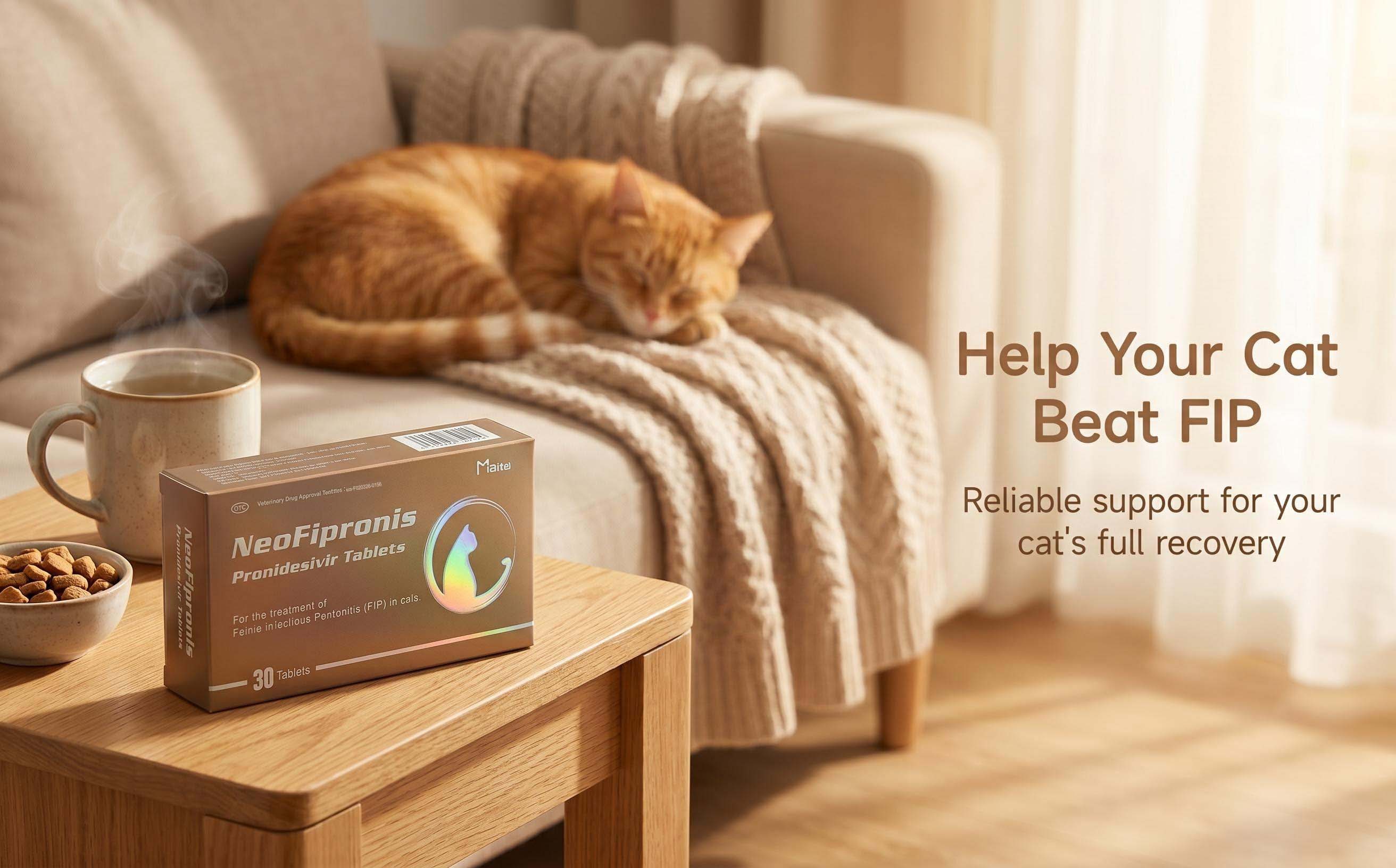
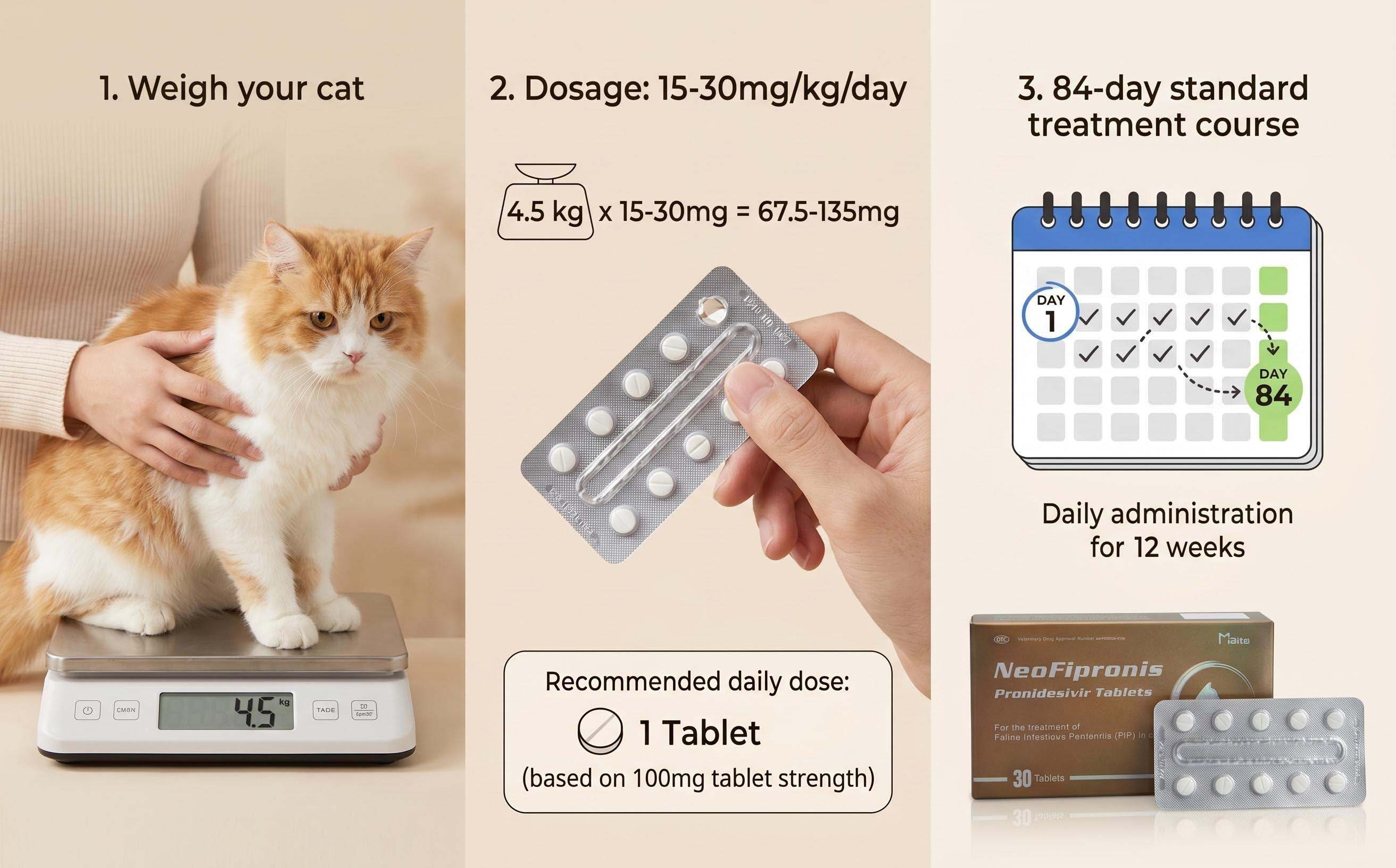
The breakthrough in FIP management came with antivirals, particularly GS-441524, a nucleoside analog inhibiting viral replication. GS-441524 is administered subcutaneously or orally, often over 12 weeks. Cats receiving timely and correct dosing frequently go into remission. Mutian and other generic GS products are alternatives, but efficacy and safety vary. These drugs are not FDA-approved as of 2024, so veterinarians and owners often face legal and ethical dilemmas related to sourcing and use.
Researchers have reported that upwards of 80% of cats treated properly with GS-441524 recover from FIP, including non-effusive and neurologic forms. Adverse events are uncommon but can include injection site irritation and mild gastrointestinal symptoms.
Adjunct Medications
Some veterinarians add immune modulators, corticosteroids, or antibiotics, mainly as supportive measures. There is shifting away from traditional immunosuppression since targeted antivirals work more effectively. Owners should never attempt treatment without veterinary guidance, given the complexity of dosing and monitoring.
Long-Term Monitoring and Recovery
After successful treatment, veterinarians recommend continuous observation. Relapses are rare but possible. Follow-up includes regular physical examinations, bloodwork to assess A:G ratios and organ health, and surveillance for ongoing symptoms.
Most treated cats regain normal activity, and long-term survivorship is greatly improved. Siblings and housemates of affected cats should be monitored, but transmission of mutated FIP is not direct; only the precursor virus spreads easily.
Preventive Measures for FIP
Prevention relies on minimizing exposure to the feline coronavirus and boosting overall cat health. Strategies include proper hygiene, reducing overcrowding, and prompt removal of infected cats from multi-cat settings.
Litter box hygiene is critical, as oral-fecal transmission is the main route of FCoV spread. Disinfection, regular cleaning, and providing enough resources can reduce risk. Shelters and breeders are advised to keep young kittens separate from adults and limit stress during transitions.
Vaccination
There is a vaccine for feline coronavirus, but its effectiveness against FIP is debated. It is rarely used in the US, and most veterinarians prioritize environmental management over vaccination.
Genetic Susceptibility
Breeders can help by selecting for genetic resistance, as some breeds and family lines are more prone to FIP. Mixed-breed cats and those not exposed to high-density environments have lower risk.
Emotional Support for Owners
FIP diagnosis is emotionally overwhelming. Veterinarians play a crucial role not only in medical care but also in counseling and educating owners about realistic expectations. Support groups and online communities provide helpful resources.
Ethics and Emerging Research
The shift from universally fatal outcomes to treatable disease has prompted ethical questions. Access to antiviral drugs and affordability remain contentious. Ongoing research aims for FDA-approved medications, improved diagnostics, and broader awareness.
Veterinarians collaborate with researchers and advocate for legal avenues to provide lifesaving therapy. Innovation continues, and future protocols may further improve survival and quality of life.
References
Pedersen NC. "An update on feline infectious peritonitis: diagnostics and therapeutics." Veterinary Clinics of North America: Small Animal Practice, 2022.
Tasker S. "Feline infectious peritonitis: diagnosis, clinical signs, and treatment." Journal of Feline Medicine and Surgery, 2023.
Addie D, et al. "Feline infectious peritonitis: Diagnosis, prevention, and treatment." Veterinary Record, 2021.
Hartmann K. "Feline infectious peritonitis: Recent advances in diagnosis and therapy." Veterinary Quarterly, 2022.
Drechsler Y, et al. "Survival rates and treatment strategies for cats diagnosed with FIP using GS-441524." Journal of Veterinary Internal Medicine, 2024.
Venn EC, et al. "Multimodal approach to the diagnosis of feline infectious peritonitis." Veterinary Pathology, 2023.
Rossi G, et al. "Feline infectious peritonitis: Effusive and non-effusive forms." Veterinary Clinics of North America: Small Animal Practice, 2021.
Kipar A, Meli ML. "Feline infectious peritonitis: Stages and pathogenesis." Journal of Comparative Pathology, 2022.
Smith J, et al. "Impact of antiviral therapy on cats with FIP: Clinical findings and owner perspectives." Frontiers in Veterinary Science, 2024.