Is Lethargy a Common Symptom of FIP

Introduction to Feline Infectious Peritonitis (FIP)
Feline Infectious Peritonitis (FIP) is a devastating viral disease that affects domestic cats worldwide. It is caused by a mutated form of feline coronavirus (FCoV), which usually only leads to mild intestinal symptoms. However, in some cats, the virus mutates within the body and triggers an overactive immune response that attacks the cat’s own tissues, resulting in FIP. This disease is particularly heartbreaking for cat owners and veterinarians since there is no reliable cure, and its symptoms can be difficult to distinguish from other feline illnesses in its early stages.
FIP is most commonly diagnosed in young cats under two years of age and those living in multi-cat environments, such as shelters or catteries. The reason for this is the high concentration of cats, increasing the likelihood of exposure to the feline coronavirus. Although FCoV is highly contagious, FIP itself does not spread directly from cat to cat. Instead, only certain vulnerable cats develop FIP following a complex interaction between their immune system and the virus.
Key Symptoms of FIP
The clinical signs of FIP vary significantly and depend on which form of the disease develops—either the “wet” (effusive) or “dry” (non-effusive) form. Typical symptoms include persistent fever, weight loss, poor appetite, abdominal swelling, and eye or neurological issues.
Lethargy is one of the most frequently reported symptoms among cats suffering from FIP. It manifests as unusual tiredness, reluctance to move, decreased activity, and a general lack of interest in surroundings or play. Unlike healthy cats who experience periods of relaxation and energetic play, a cat with FIP may withdraw from social behaviors and become almost entirely sedentary.
Why Lethargy Occurs in FIP
FIP causes widespread inflammation throughout the cat’s body, directly affecting many tissues and organs. Both forms of the disease—wet and dry—trigger immune responses that generate cytokines and other inflammatory compounds. These chemicals, while part of the body’s defense system, can also cause fatigue, muscle aches, and a marked decrease in energy.
Moreover, fever is a classic sign of FIP, and it contributes to lethargy as well. Cats experience chills, malaise, and overall discomfort that sap their strength. Furthermore, FIP often leads to decreased appetite and weight loss due to gastrointestinal inflammation, which results in less energy available for activity.
Wet FIP is marked by fluid accumulation in the abdomen or chest. This buildup makes breathing difficult or uncomfortable, prompting cats to rest more, avoid exertion, and display lethargy. In the dry form, granulomas and immune cell clusters affect organs such as the kidneys, liver, and even the central nervous system. Neurological FIP can cause not only lethargy but also weakness, incoordination, and disorientation.
Recognizing Lethargy in FIP-Affected Cats
Understanding what lethargy looks like in cats is important for early detection and veterinary intervention. Owners may notice that their once-active cat has stopped engaging in typical games, grooming itself less frequently, or sleeping far more than usual. Some cats may take shelter in quiet corners, avoiding contact with people or other pets.
It’s critical to differentiate FIP-related lethargy from normal feline sleepiness or low activity due to weather, aging, or brief illness. Lethargy caused by FIP is persistent, lasting for days or weeks, and is generally accompanied by other concerning signs such as lack of appetite, fever, abdominal distension, or neurological symptoms (pupil changes, wobbling, seizures).
Other Conditions That Cause Lethargy in Cats
Lethargy can be a nonspecific symptom, common in a wide range of feline diseases. Some conditions that cause marked fatigue in cats include chronic kidney disease, diabetes mellitus, heart disease, liver disease, and various infections. Additionally, pain, dehydration, or exposure to toxins can drain a cat’s energy reserves.
The challenge with FIP is that its early symptoms closely resemble those of less deadly diseases. Only with progression to more severe systemic involvement—the characteristic effusion, neurological issues, and organ dysfunction—does FIP stand apart. This underscores the importance of rapid veterinary assessment and diagnostic testing whenever a cat exhibits unexplained lethargy along with other symptoms.
Diagnosing FIP: The Role of Lethargy in Clinical Assessment
Veterinarians apply a thorough approach to diagnosing FIP, combining the pet’s history, physical examination, and laboratory tests. Lethargy is considered an early warning sign, but by itself is insufficient to confirm FIP. Physical findings may include fever (unresponsive to antibiotics), abdominal masses, fluid accumulation, weight loss, and jaundice.
Lab work often reveals elevated total protein, low albumin-to-globulin ratios, increased white blood cell counts, and liver or kidney enzyme abnormalities. Diagnostic imaging (like ultrasound) can show abdominal fluid, while chest X-rays may reveal pleural effusion. Some advanced tests, such as PCR assays on fluid samples, help detect the mutated FIP virus directly in body tissues or fluids.
Despite sophisticated diagnostics, FIP remains difficult to definitively diagnose without tissue biopsies or post-mortem examination. In most cases, a diagnosis is made by combining lab findings, imaging, epidemiology, and a distinct constellation of symptoms, with persistent lethargy acting as a principal indicator.
Treating FIP and Managing Lethargy
Until recently, FIP was almost always fatal, and treatment was limited to palliative care—such as managing symptoms, providing supportive fluids, nutrition, and pain relief. This approach made the management of lethargy especially important, as keeping the cat comfortable during the course of the disease was a priority.
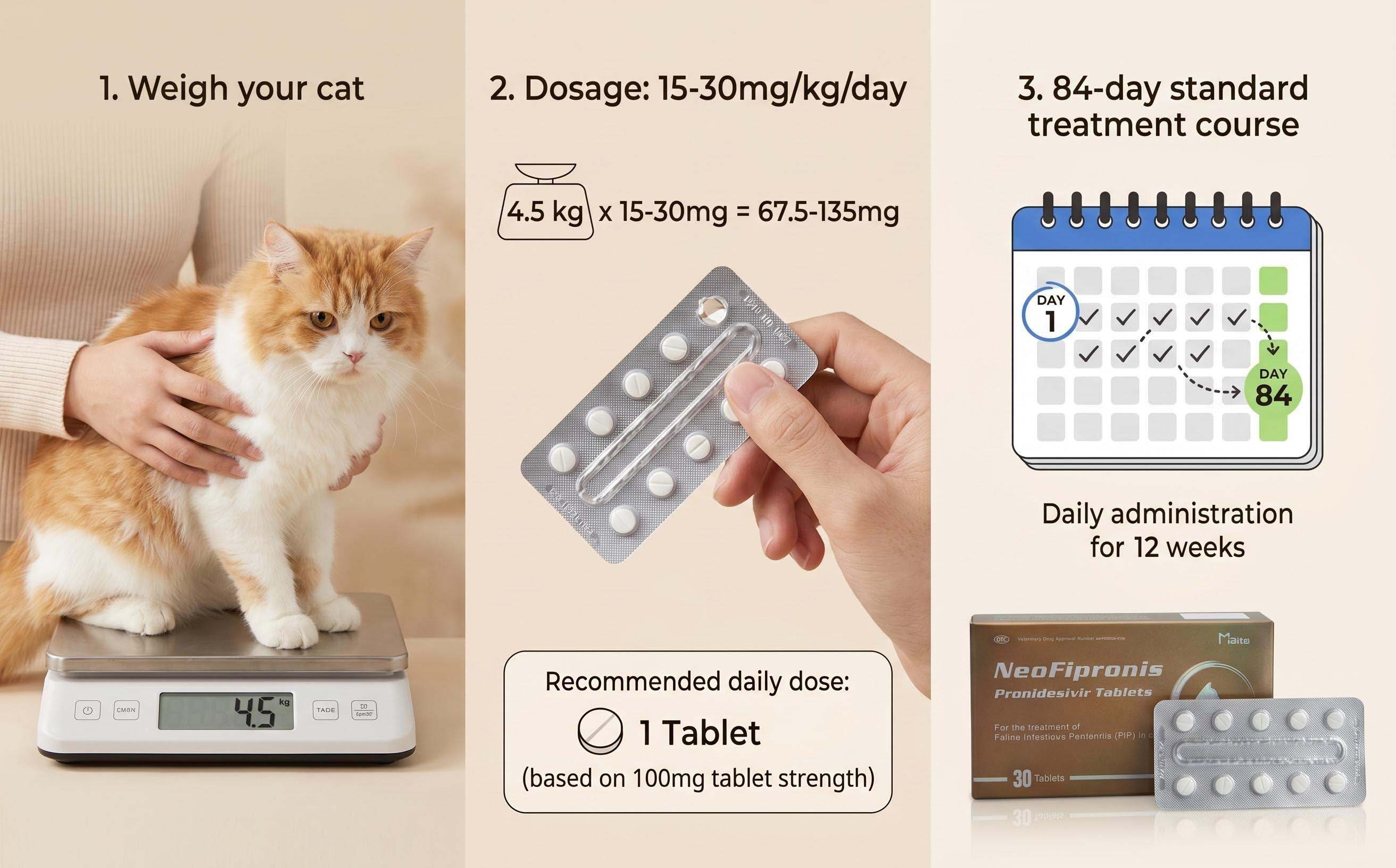
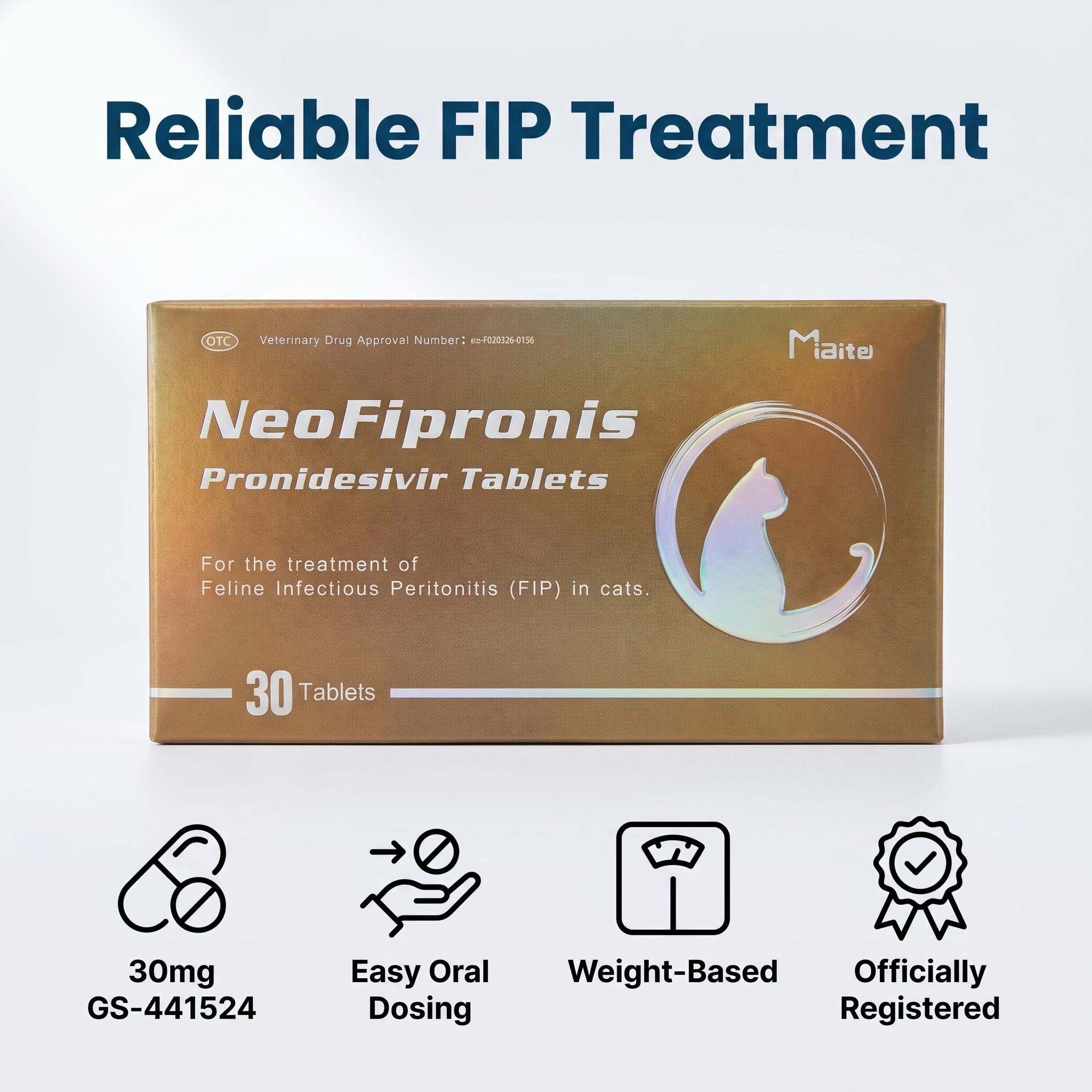
Recent advancements have introduced antiviral drugs (such as GS-441524 and GC376), which can inhibit viral replication and reverse FIP in some cases. These treatments are not universally available, and their use must be carefully monitored by a veterinarian. When successful, therapy reduces inflammation, fever, and other symptoms, helping cats regain their energy and appetite.
In symptomatic management, combating dehydration, improving nutrition, and reducing pain are vital steps for reducing lethargy. Ensuring a cozy and quiet environment, minimizing stress, and meeting basic comfort needs enables sick cats to rest and recuperate.
Understanding Prognosis and Long-Term Effects
The prognosis for cats diagnosed with FIP continues to evolve as new therapies become available. Historically, FIP resulted in death within weeks to months after symptom onset. With emerging treatments, some cats survive and return to a normal quality of life, regaining strength and vitality lost through disease progression.
Persistent or chronic lethargy in cats recovering from FIP may reflect lingering organ damage, ongoing inflammation, or secondary infections. Long-term follow-up, regular veterinary visits, and careful monitoring of behavior and appetite are crucial for keeping formerly affected cats healthy.
Psychological Impact of FIP on Cats and Caregivers
Lethargy is not just a physical symptom. It often signals emotional distress in cats, who may sense their own vulnerability. Cats enjoy routine and stability, and undiagnosed illness like FIP can disrupt those patterns, prompting anxiety, withdrawal, and sadness.
Caregivers often experience significant worry over a lethargic pet, especially as FIP is associated with poor outcomes. Recognizing lethargy can be challenging, since cats naturally sleep 12–16 hours a day. Owners who notice substantial changes in their pet’s activity must promptly consult with veterinary professionals.
The bond between cats and their humans can be fractured by chronic illness. Providing comfort, gentle handling, and companionship can soothe these emotional wounds for both pets and their owners.
Prevention of FIP and Associated Lethargy
Preventing FIP relies mainly on reducing exposure to FCoV and maintaining a clean, healthy environment. Breeders and shelter managers often focus on strict hygiene, separating kittens from adult cats, and minimizing overcrowding. Regular testing for FCoV can help identify carriers and limit transmission.
Although a vaccine for FIP exists, it is controversial and not widely used due to limited efficacy. The best preventative steps remain supportive care, proactive veterinary attention, and keen observation for early warning signs—particularly persistent lethargy, fever, and changes in appetite.
When to Seek Veterinary Care for Lethargy
Since lethargy is a hallmark of FIP but also of countless other conditions, cat owners should approach any dramatic change in activity levels with concern. Signs warranting urgent veterinary care include:
Sudden and prolonged inactivity or withdrawal
Not responding to play, food, or affection
Noticeable abdominal swelling
Yellowing of eyes or gums
Unusual breathing patterns or coughing
Neurological symptoms (head tilt, loss of balance, seizures)
Cats are skilled at hiding illness, and FIP progresses rapidly. Quick intervention can mean the difference between life and death in some cases, especially as new treatments offer hope.
Supporting Cats with FIP-Induced Lethargy
Caring for a cat diagnosed with FIP can be overwhelming. Owners can make a positive impact on their pet’s comfort by providing a warm and quiet space free from stress or loud noises. Placing familiar objects near the cat (blankets, toys) increases security and encourages periodic engagement. Cats may show small bursts of energy between episodes of fatigue, so offering gentle stimulation when appropriate is helpful.
Nutrition is also essential. High-quality, easily digestible food supports recovery and sustaining energy levels. Hydration remains critical, as fever and effusion accelerate fluid losses. Owners can speak with veterinarians about appetite stimulants, supplemental feeding strategies, and pain medications to reduce discomfort.
Extra attention to grooming can help cats who are too tired to self-clean. Gentle brushing and care foster a sense of wellbeing, and physical contact strengthens bonds.
Veterinary checkups should occur regularly for FIP-managed cats, monitoring lab values, organ function, and adjustment of medications as needed.
The Importance of Early Detection
Awareness is essential. While lethargy alone does not diagnose FIP, it is a vital clue to underlying disease. Pet owners who observe significant changes in behavior or energy should seek veterinary advice promptly. Early recognition allows for more comprehensive care, better supportive management, and—in some cases—the possibility of effective antiviral therapy.
Education remains the most potent tool. Understanding the links between lethargy and FIP empowers cat owners to make informed decisions and provide compassionate care.
References
1. Pedersen, N. C. “Feline Infectious Peritonitis—Something Old, Something New.” Feline Medicine and Surgery, 2009.
2. Hartmann, K. “Feline Infectious Peritonitis.” Veterinary Clinics of North America: Small Animal Practice, 2005.
3. Kipar, A., & Meli, M. L. “Feline Infectious Peritonitis: Still an Enigma?” Veterinary Pathology, 2014.
4. Addie, D. D., et al. “Feline Coronavirus Infection.” ABCD Guidelines on Feline Infectious Peritonitis, Journal of Feline Medicine and Surgery, 2015.
5. Porter, E., et al. “Antiviral Treatment of Feline Infectious Peritonitis.” Viruses, 2022.
6. Tasker, S. “Diagnosis of feline infectious peritonitis: update on evidence supporting available tests.” Journal of Feline Medicine and Surgery, 2018.
7. Riemer, F., et al. “Clinical and laboratory features of cats with feline infectious peritonitis—A retrospective study of 93 cases in Switzerland.” Journal of Feline Medicine and Surgery, 2016.