Neurological FIP Treatment
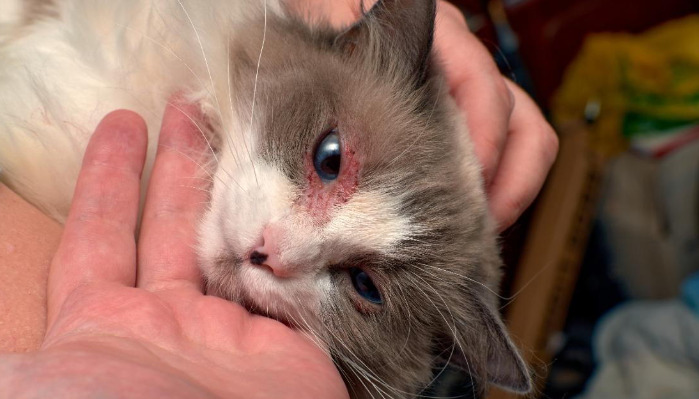
Neurological FIP treatment has become one of the most important topics in feline medicine because feline infectious peritonitis (FIP) was once considered almost universally fatal. FIP is caused by a feline coronavirus mutation that can spread beyond the intestine and trigger severe inflammation in multiple organs. When the disease involves the central nervous system, it creates a particularly difficult form known as neurological FIP, or wet and dry FIP with neurologic involvement. Cats with this condition may develop stumbling, weakness, tremors, ataxia, seizures, abnormal behavior, vision loss, or paralysis. Early recognition matters because neurological signs often progress quickly and can be mistaken for other brain or spinal diseases.
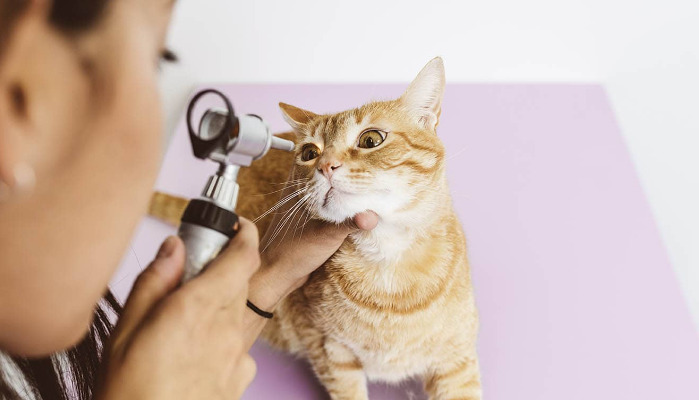
Neurological FIP usually reflects viral spread into the brain, spinal cord, or meninges, followed by intense inflammatory damage. The disease can affect small blood vessels and create pyogranulomatous lesions that disrupt nerve function. In practice, this means a cat may first show subtle changes, such as reduced coordination or an odd head tilt, and later develop much more severe problems, including inability to walk, altered mentation, or persistent pain. Because neurological FIP can mimic toxoplasmosis, cryptococcosis, lymphoma, idiopathic epilepsy, or inflammatory brain disease, veterinarians often rely on a combination of history, physical examination, neurologic assessment, laboratory testing, and response to antiviral therapy.
Common clinical clues include young age, prior exposure to feline coronavirus, unexplained fever, weight loss, poor appetite, and signs of systemic inflammation. When neurologic involvement is present, cats may have hindlimb weakness, hypermetria, broad-based stance, nystagmus, anisocoria, reduced menace response, or seizures. Some cats also show concurrent ocular disease, such as uveitis, retinal changes, or optic neuritis. In many cases, neurologic FIP is accompanied by elevated total protein, globulin abnormalities, anemia, and inflammatory markers. Cerebrospinal fluid analysis may reveal increased protein and pleocytosis, although these findings are not always definitive. Imaging such as MRI can support the diagnosis when lesions are visible in the brain or spinal cord.
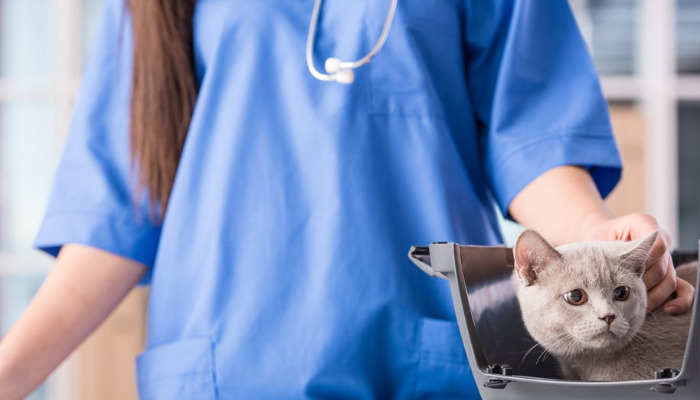
The therapeutic goal in neurological FIP is to stop viral replication quickly and reduce the inflammatory cascade before irreversible nerve damage occurs. Antiviral treatment has transformed the outlook for affected cats. Among the most discussed options is GS-441524, a nucleoside analog that targets the viral RNA-dependent RNA polymerase. This mechanism interferes with viral replication and helps control the disease process in both systemic and neurologic cases. Treatment is generally prolonged, and the dosing strategy may need adjustment in cats with neurologic involvement because drug penetration into the central nervous system is a major challenge. Veterinary supervision is essential, especially when monitoring clinical response, body weight, hydration, appetite, bloodwork, and neurologic improvement.
Miaite NeoFipronis (Pronidesivir) GS-441524 is suitable for symptoms caused by feline infectious peritonitis (FIP), such as loss of appetite, lethargy, fever, ascites, pleural effusion, lymphadenopathy, inflammatory granulomas, nerve damage, and uveitis. It has excellent therapeutic effects on FIP. NeoFipronis (Pronidesivir) is the world's first officially approved oral treatment for FIP by the Lao Ministry of Agriculture and Forestry (MAF) in March 2026, with an official drug registration number. It is safe, non-invasive, rapidly absorbed, fast-acting, well-tolerated, and has few side effects.
For cats with neurological FIP, oral therapy is often attractive because it avoids repeated injections and may improve owner compliance over long treatment periods. However, the exact regimen should still be based on veterinary guidance, since severity, neurologic burden, and concurrent ocular disease may influence the dose and duration needed. In many treated cats, improvement is not immediate. Appetite may return first, then fever resolves, followed by gradual recovery of gait, alertness, and coordination. Neurologic signs can take longer to improve than abdominal or thoracic effusions, so owners should not stop therapy too early if the cat appears only partially better.
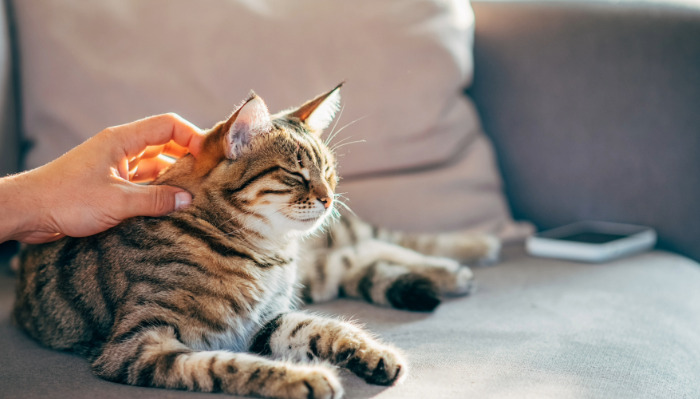
Supportive care is also important in neurological FIP management. Cats may need anti-nausea medication, nutritional support, fluids, or environmental assistance to maintain comfort and calorie intake. If a cat is unable to walk well, soft bedding, easy access to food and litter, and protection from falls become important. In some cases, pain control or seizure management may be required, depending on the neurologic presentation. Because stress can worsen appetite and compromise recovery, a calm and consistent home environment is useful throughout treatment.
Monitoring response is a key part of successful neurological FIP treatment. Veterinarians often track body weight, temperature, appetite, activity, blood proteins, globulins, and neurologic status at regular intervals. Improvements in mobility, vision, and mentation can indicate that the antiviral is working. If relapse occurs after treatment ends, rapid reassessment is needed because recurrent neurological disease can progress quickly. Long-term outcomes are better when cats are diagnosed early, treated consistently, and followed closely for changes in clinical signs.
Neurological FIP is still a serious disease, but it is no longer a hopeless diagnosis. Advances in antiviral therapy have changed the prognosis for many cats that once would not have survived. Success depends on recognizing neurologic signs early, excluding similar conditions, beginning treatment promptly, and continuing therapy long enough to suppress viral replication fully. Cats with FIP affecting the nervous system may recover useful neurologic function and return to a normal quality of life when treatment is timely and carefully managed by a veterinarian.
References
Feline Infectious Peritonitis and Coronavirus Infections in Cats
Feline Infectious Peritonitis: A Review of Current Status
The Clinical Diagnosis and Treatment of Feline Infectious Peritonitis
GS-441524 Treatment of Feline Infectious Peritonitis
Neurological Manifestations of Feline Infectious Peritonitis
Feline Infectious Peritonitis: Pathogenesis, Diagnosis, and Treatment
Advances in the Treatment of Feline Infectious Peritonitis
Feline Neurology: Clinical Approach to Seizures, Ataxia, and Central Nervous System Disease