Is FIP Related to Parasite Infections
Feline Infectious Peritonitis (FIP) stands as one of the most enigmatic and devastating diseases affecting domestic cats worldwide. The complexity of its origin, combined with confusion regarding its relationship to various infectious agents—including parasites—has fueled ongoing debate in both veterinary research and clinical settings. This article evaluates the scientific evidence regarding the association, or the lack thereof, between FIP and parasite infections. Through an examination of virology, immunology, epidemiology, and clinical presentation, the discussion aims to clarify whether parasite infections play a role in the development or progression of FIP.
Introduction to Feline Infectious Peritonitis (FIP)
FIP is a fatal, immune-mediated disease caused by certain mutated forms of feline coronavirus (FCoV). While the majority of FCoV infections are benign or result in only mild enteric symptoms, a small percentage of cats will experience viral mutation leading to FIP. This disease presents with two primary forms: wet (effusive) and dry (non-effusive), each characterized by distinctive symptoms and pathological findings. The origin of this disease, its transmission, and possible cofactors are of significant concern to veterinarians and cat owners.
The Etiology of FIP: Viral Mutation as the Primary Cause
Far from an ordinary infection, FIP emerges when a common enteric feline coronavirus (FCoV) mutates in an individual cat, allowing the virus to infect macrophages—a type of immune cell. This ability marks the key pathogenic step, resulting in a widespread immune response and severe systemic inflammation. Most infected cats never develop FIP; the disease is not directly contagious, but rather arises from spontaneous mutation within a host cat already harboring FCoV.
Current Understanding of Parasites in Feline Infectious Diseases
Parasites, ranging from protozoa (like Giardia spp.), helminths (such as Toxocara cati), to ectoparasites (fleas, ticks), are prevalent among domestic and feral cats. Parasitic infections contribute significantly to feline morbidity, causing gastrointestinal disturbances, anemia, and secondary immune suppression. However, the direct role of parasites in triggering or promoting the development of FIP has remained a point of speculation rather than substantiated fact.
Separating Correlation from Causation: Challenging the FIP-Parasite Link
In scientific literature, it is essential to differentiate correlation (events occurring together) from causation (one event directly leading to another). Cats diagnosed with FIP may also carry evidence of parasite infections—especially in shelters and multi-cat environments—simply because both illnesses are common in these populations. Epidemiological studies do not show a statistically significant increase in FIP cases among cats with active parasitic infections compared to those without. Likewise, there is no evidence that anti-parasitic treatment affects FIP outcomes.
Immunological Crossroads: Do Parasites Affect FIP Susceptibility?
One of the more nuanced questions is whether parasite-induced immune modulation could influence a cat's vulnerability to coronavirus mutation, thereby increasing the risk of FIP development. Parasites can certainly impact host immunity, sometimes suppressing immune function or provoking chronic inflammation. While some researchers have hypothesized that parasite-related immune changes might predispose cats to other infections, controlled studies have not confirmed that parasites directly facilitate FIP-causing mutation or enhance disease progression. Instead, the immunopathology of FIP is highly specific to the mutated coronavirus and the cat’s genetic predisposition.
Clinical Overlap and Diagnostic Challenges
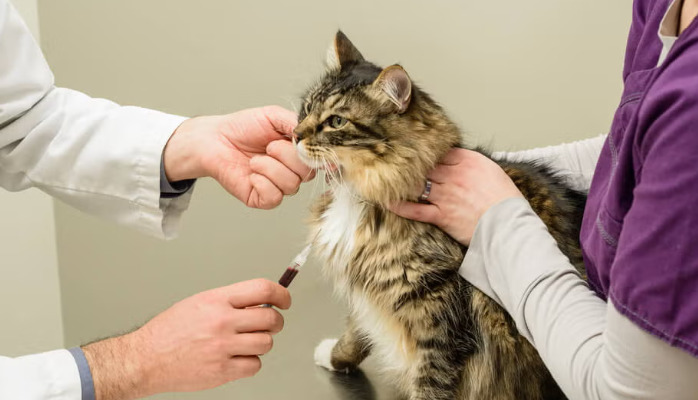
Clinical symptoms of parasite infections and FIP can overlap, particularly in multi-cat households and catteries. Both can present with nonspecific signs like fever, lethargy, weight loss, and abdominal distension. Misdiagnosis may occur if veterinarians assume causality based on coexisting infections. Diagnostic confirmation of FIP relies on detection of mutated coronavirus via advanced laboratory techniques—PCR, immunohistochemistry, or serology—rather than the presence or absence of parasites.
Shelter and Cattery Environments: Increased Exposure, Not Increased Risk
Crowded living conditions can expose cats to a variety of pathogens, including both FCoV and parasites. Higher rates of both infections in such environments might falsely imply a link between the two. Nevertheless, comprehensive studies reveal that risk factors for FIP encompass age (young cats are most susceptible), genetic disposition, stress, and high viral load—not direct effects of parasitic infection.
Treatment Modalities: Antiviral Therapy versus Antiparasitic Management
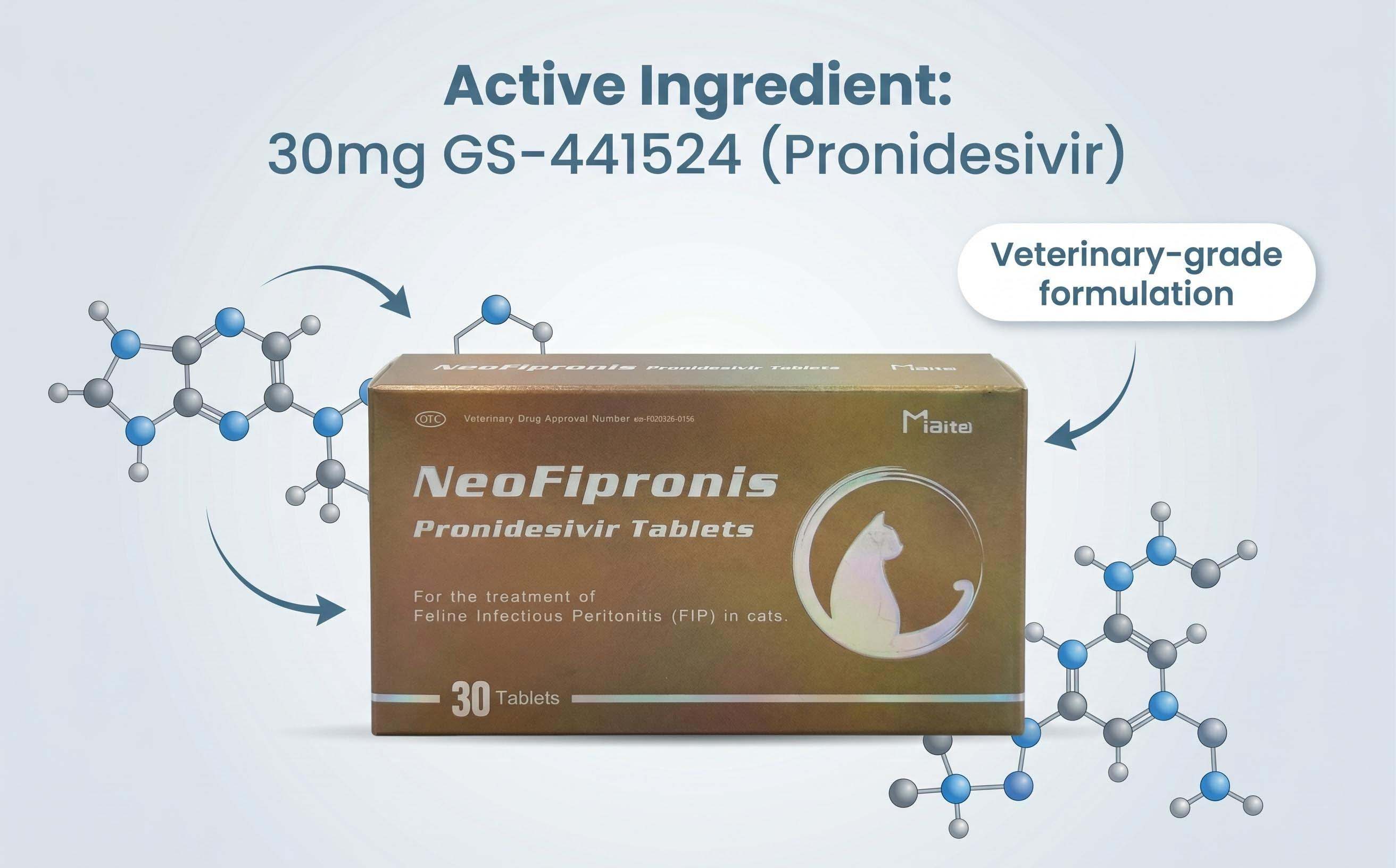
Historically, FIP was considered untreatable; recent advances in antiviral therapy—most notably with drugs like GS-441524—have revolutionized prognosis for affected cats. These therapies target the underlying mutated coronavirus. Antiparasitic drugs, while essential for parasite eradication and general feline health, do not alter the clinical course of FIP. The distinction between supportive care for parasite infections and targeted FIP treatment underscores the lack of direct relationship between the two conditions.
Molecular Perspective: Genetic and Viral Factors Predominate
Genetics play a substantial role in FIP susceptibility—certain breeds, and even individual cats within a breed, may be at heightened risk because of innate immune system characteristics. Research identifies viral factors, such as spike gene mutations, as essential for the transition from enteric coronavirus to FIP-causing variant. No molecular evidence exists to implicate parasite genomes or co-infection dynamics as contributors to this mutation process.
Veterinary Consensus and Practice Guidelines
Veterinary consensus, as reflected in guidelines from organizations like the American Association of Feline Practitioners (AAFP) and International Society of Feline Medicine (ISFM), clearly distinguishes FIP from parasite-associated illnesses. Practitioners are advised to assess for parasitic infections as a routine part of preventive medicine but to treat FIP as a separate entity with unique diagnostic and therapeutic algorithms.
Emerging Research: Exploring Multi-pathogen Interactions
Despite the lack of a proven causal link, researchers continue to explore the broader context of multi-pathogen interactions. For instance, could chronic inflammation from parasites marginally affect the likelihood of coronavirus mutation, or perhaps worsen clinical outcomes? At present, data are insufficient for any such claims, and larger longitudinal studies are needed to draw robust conclusions.
Prospective Directions in FIP Investigation
Future investigations into FIP are likely to focus on the genetic determinants of susceptibility, environmental stressors, and mechanisms of coronavirus mutation. Parasite control remains a priority for feline health overall, but its role in FIP, if any, appears to be indirect at best—limited to co-morbidity rather than direct causation.
Owner Education and Preventive Strategies
Educating cat owners about the true nature of FIP is crucial. Misconceptions regarding parasites as triggers of FIP can lead to misplaced efforts or inadequate care. Vigilant hygiene, stress reduction, routine deworming, and careful introduction of new cats into a household are key preventive strategies for reducing both FCoV and parasite transmission.
Conclusion: FIP and Parasite Infections Are Unrelated in Pathogenesis
Current scientific understanding places FIP squarely in the domain of viral mutation and immune response—distinct from the pathogenesis of parasitic diseases. While co-infection is possible and clinically relevant, parasites are not direct contributors to the development or progression of FIP. Continued research and nuanced clinical care are needed to fully unravel the causes of FIP and improve outcomes for affected cats.
References
1. Pedersen, N. C. (2014). "Feline Infectious Peritonitis." Veterinary Clinics of North America: Small Animal Practice, 44(1), 1-19.
2. Kipar, A., & Meli, M. L. (2014). "Feline Infectious Peritonitis: A Review of Pathogenesis and Immunity." Veterinary Immunology and Immunopathology, 159(3-4), 179-186.
3. Dempsey, S. (2020). "Feline Coronavirus Infections." Merck Veterinary Manual. https://www.merckvetmanual.com/cat-owners/digestive-disorders-of-cats/feline-coronavirus-infections
4. Addie, D. D., et al. (2009). "Feline Infectious Peritonitis: An Update on Pathogenesis and Diagnostics." Journal of Feline Medicine & Surgery, 11(4), 223-234.
5. Levy, J. K., et al. (2020). "Feline Infectious Peritonitis (FIP) in Shelter Cats: Epidemiology, Diagnosis, and Management." Frontiers in Veterinary Science, 7, 575.
6. Scherk, M., et al. (2013). "2013 ISFM Feline Vaccination Advisory Panel Report: ABCD Guidelines on Feline Coronavirus and Feline Infectious Peritonitis." Journal of Feline Medicine & Surgery, 15(7), 587-593.
7. Hartmann, K. (2005). "Feline Infectious Peritonitis." Veterinary Clinics of North America: Small Animal Practice, 35(1), 39-79.
8. Little, S. (2011). "The Cat Owner's Home Veterinary Handbook." Howell Book House.
9. Dinnage, J. D., et al. (2009). "Feline Infectious Diseases: General Overview and Impact of Shelter Environment." The Veterinary Journal, 187(2), 181-186.
10. Stoddard, M., et al. (2015). "Factors Associated with Development of FIP in Cats: A Case-Control Study." Journal of Veterinary Internal Medicine, 29(1), 159-165.