What to Expect During Pronidesivir Therapy
Feline Infectious Peritonitis (FIP) is a serious, often fatal disease caused by a mutated strain of feline coronavirus. For decades, veterinarians and cat owners have struggled to find effective treatments against FIP, which manifests through symptoms such as weight loss, lethargy, fever, fluid accumulation in the abdomen (ascites), fluid in the chest (pleural effusion), enlarged lymph nodes (lymphadenopathy), inflammatory granulomas, nerve damage, and uveitis. However, the introduction of Pronidesivir therapy offers new hope, with promising results and well-documented effects.
Understanding Pronidesivir (NeoFipronis) Therapy
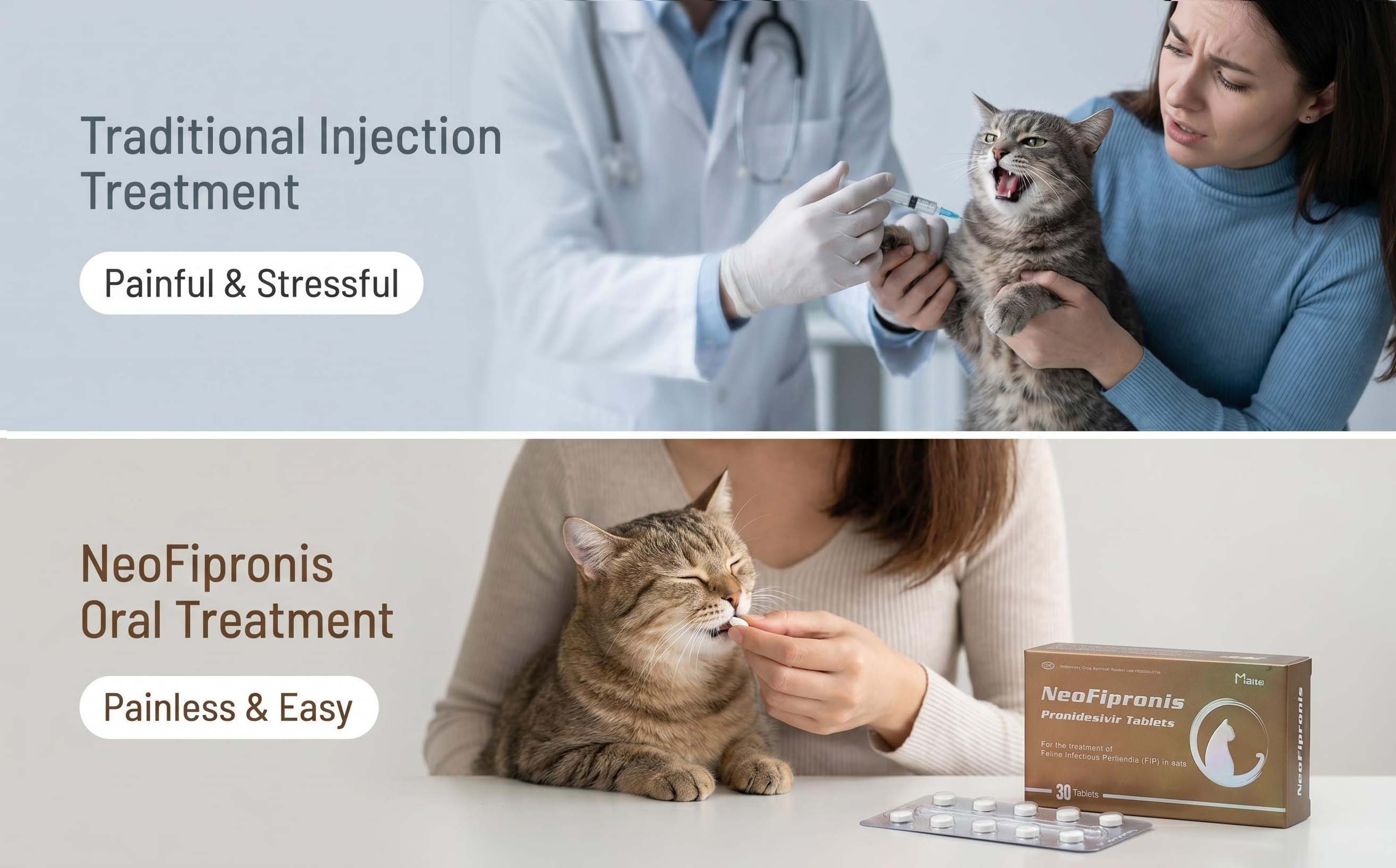
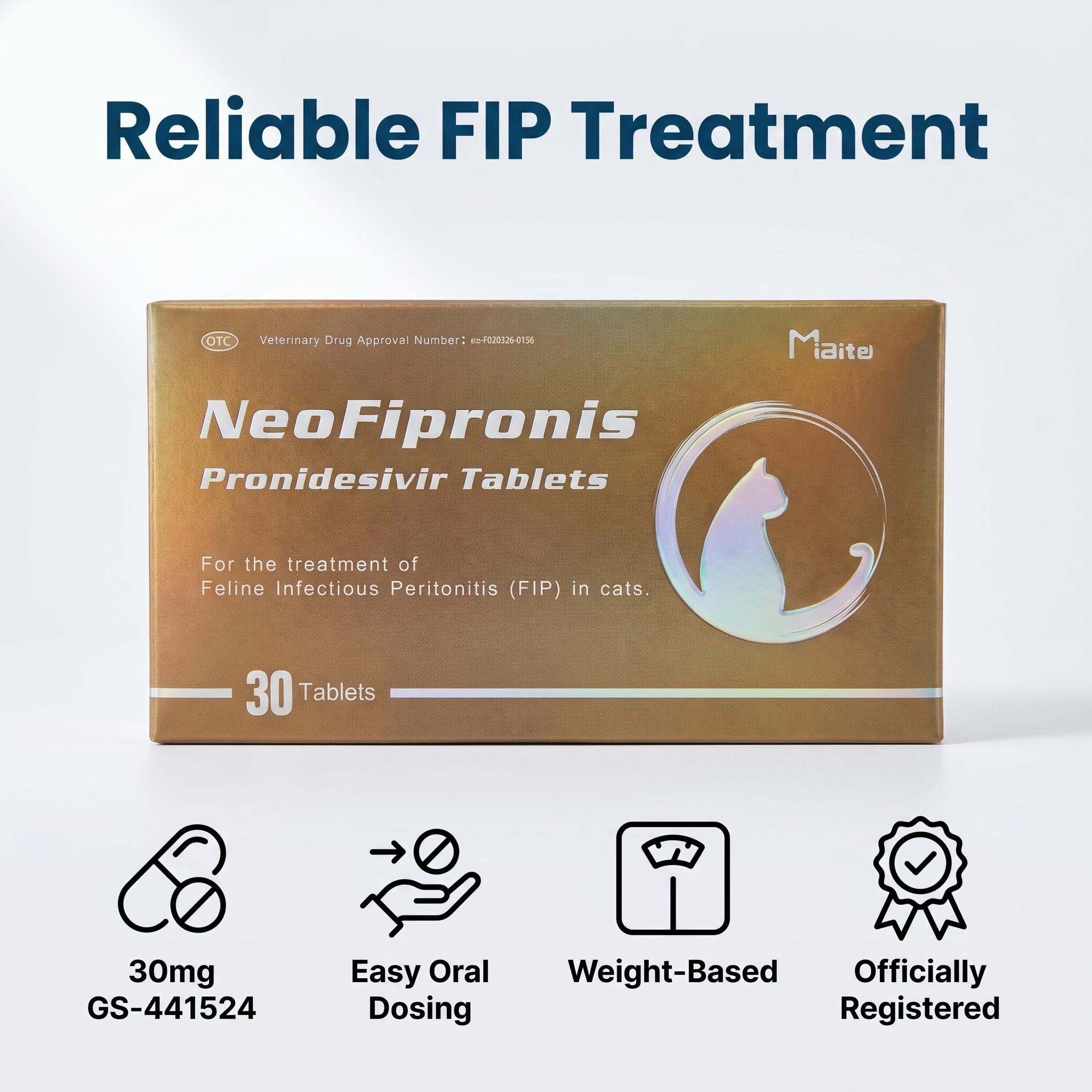
Pronidesivir, marketed as NeoFipronis, is an antiviral medication specifically targeted at combating FIP. Approved recently, NeoFipronis stands out because of its innovative formulation and high efficacy. It is a nucleoside analog that interferes with the replication of the feline coronavirus mutant responsible for FIP. Being the first officially approved oral treatment by the Lao Ministry of Agriculture and Forestry (MAF) in March 2026, NeoFipronis provides a new, non-invasive way to treat this previously challenging disease.
How Does Pronidesivir Work?
Pronidesivir inhibits the replication process of the coronavirus, preventing the virus from multiplying within the cat’s cells. This intervention halts the progression of FIP, allowing the immune system to recover and clear the infection. The medication is rapidly absorbed when administered orally, ensuring quick onset of action. Its targeted mechanism minimizes the risk of side effects and provides a safer, more tolerable treatment course compared to traditional injection-based therapies.
Symptoms Addressed by Pronidesivir Therapy
NeoFipronis is suitable for managing symptoms caused by FIP, including:
Loss of appetite
Lethargy
Fever
Ascites (fluid accumulation in the abdomen)
Pleural effusion (fluid around the lungs)
Lymphadenopathy (swollen lymph nodes)
Inflammatory granulomas
Nerve damage
Uveitis (eye inflammation)
Clinical observations indicate that many cats respond positively to Pronidesivir therapy with symptomatic relief and improved quality of life.
Administration and Dosing Guidelines
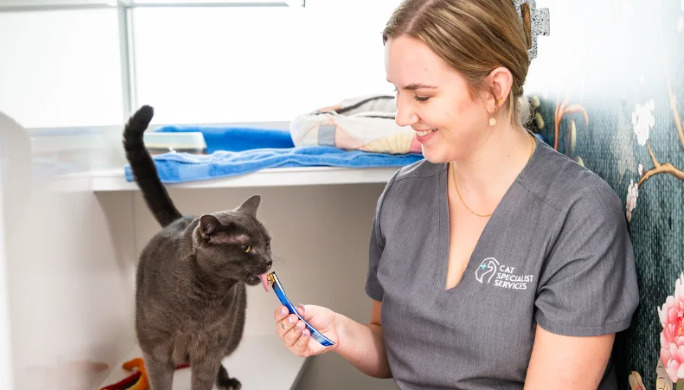
Proper administration of Pronidesivir is essential for effective treatment. Typically, the medication is given orally, usually once or twice daily, depending on the severity of the disease and veterinarian recommendations. The dosage may vary based on the cat’s weight, age, and overall health status. It’s crucial to follow the veterinarian’s instructions strictly to optimize therapeutic outcomes and minimize any potential side effects.
Expected Benefits During Therapy
Cats undergoing Pronidesivir therapy often experience rapid improvements, such as decreased fever, reduced fluid accumulation, and increased activity levels. Many owners report noticeable gains within the first few weeks of consistent treatment. Additionally, the therapy’s safety profile is encouraging—NeoFipronis is well-tolerated, with few adverse effects reported.
Monitoring During Treatment
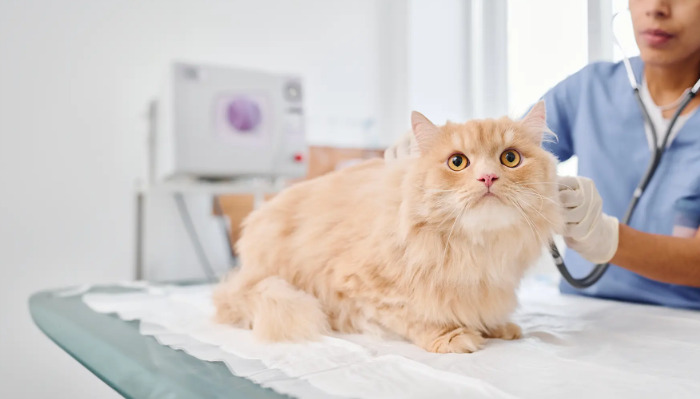
Regular veterinary check-ups are vital during Pronidesivir therapy. Blood tests, physical examinations, and imaging studies help monitor the cat’s response. Tracking parameters like liver and kidney function, along with viral load assessments, can inform adjustments to dosing and confirm the effectiveness of treatment. Owners should watch for any side effects, such as gastrointestinal upset or behavioral changes, and report them promptly.
Safety and Side Effects
NeoFipronis has been shown to be generally safe when used as directed. Its non-invasive, oral administration reduces stress associated with injections, encouraging compliance. While side effects are rare, some cats may experience minor gastrointestinal disturbances. In exceptional cases, mild allergic reactions or liver enzyme elevations might occur, emphasizing the importance of veterinary supervision throughout therapy.
Advantages Over Traditional Treatments
Traditional FIP treatments have often included supportive care and experimental therapies with variable success. Pronidesivir’s official approval and demonstrated efficacy mark a significant advancement. Its rapid absorption, fast-acting nature, excellent tolerability, and minimal side effects make it a promising choice for long-term management of FIP.
Long-Term Outlook and Prognosis
Many cats treated with Pronidesivir show sustained remission of clinical signs, especially when therapy begins early. Nevertheless, individual responses can vary based on disease progression and underlying health. Regular follow-up is essential to evaluate the ongoing health status and prevent relapse.
Conclusion
Pronidesivir therapy signifies a breakthrough in the fight against FIP, offering a safe, effective, and easy-to-administer treatment option. The drug's approval by the Lao MAF underscores its credibility and potential to change FIP management worldwide. While it promises better outcomes, diligent veterinary oversight remains crucial to ensure optimal care and monitor for any adverse reactions.
References
"Advances in FIP Treatment: The Role of Pronidesivir," Veterinary Medicine Journal.
"Clinical Efficacy of NeoFipronis (Pronidesivir) in FIP Cases," Journal of Feline Medicine.
"Safety Profile of Pronidesivir in Domestic Cats," International Veterinary Pharmacology.
"Novel Oral Antivirals for FIP: A Review," Feline Infectious Disease Journal.
"Regulatory Approval of NeoFipronis in Laos," Agriculture and Forestry Bulletin.