Can FIP Cause Anemia in Cats
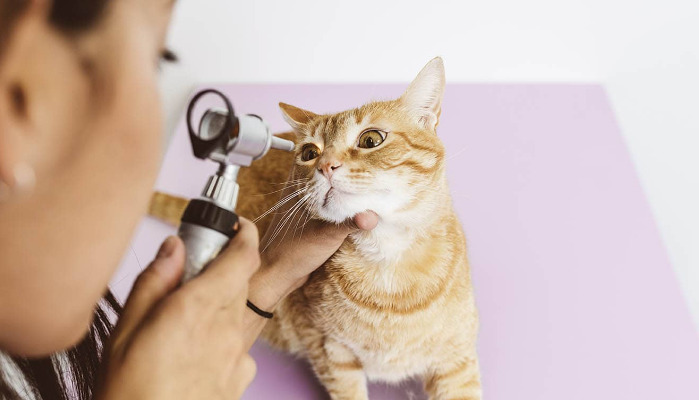
Feline Infectious Peritonitis (FIP) is one of the most complex and emotionally challenging diseases feline owners and veterinarians encounter. Emerging from a mutation in feline coronavirus, FIP is notorious for its varied clinical presentations and poor prognosis. Among the numerous complications FIP can trigger, anemia is a frequently discussed yet poorly understood aspect. Understanding the relationship between FIP and anemia is crucial for the timely intervention, comprehensive management, and care of affected cats.
What is FIP?
FIP develops in cats when feline coronavirus, normally causing mild gastrointestinal or respiratory symptoms, mutates and gains the ability to infect macrophages—cells pivotal in the immune response. This mutation allows the virus to spread throughout the cat's body, leading to immune-mediated damage. FIP is seen most often in young cats, and those living in close quarters such as shelters or multicat households. The presentation is highly varied, but is categorized broadly as "wet" (effusive) or "dry" (non-effusive) FIP based on the presence or absence of fluid accumulation in body cavities.
The Basis of Anemia
Red blood cells (RBCs) are responsible for transporting oxygen throughout the body. Anemia arises when RBC numbers, hemoglobin concentration, or both fall below normal, compromising the oxygen supply to tissues. Its severity ranges from mild, which may be clinically silent, to severe, manifesting as weakness, tachycardia, and pale gums. Causes of anemia are classified as decreased production, increased loss, or increased destruction of RBCs—processes that can originate from infections, chronic diseases, blood loss, immune-mediated destruction, or toxins.
How FIP May Lead to Anemia
The development of anemia in cats with FIP can reflect several underlying mechanisms:
1. Chronic Inflammation and Anemia of Chronic Disease
FIP is a classic "chronic inflammatory" disease. Chronic inflammation, regardless of the source, can alter iron metabolism and suppress red blood cell production in the bone marrow. Pro-inflammatory cytokines, including interleukin-6 (IL-6), often spike in FIP, inducing hepcidin production, which hinders iron absorption and release. The net result is "anemia of chronic disease," characterized by normocytic, normochromic anemia on bloodwork. Cats may show only mild to moderate anemia, but as the disease progresses, the anemia can worsen.
2. Immune-Mediated Hemolytic Anemia
FIP involves an aberrant immune response. In rare cases, autoantibodies produced can target red blood cells, leading to their premature destruction—a process known as immune-mediated hemolytic anemia. Laboratory tests may reveal spherocytes (smaller, more spherical red cells), elevated reticulocyte counts, and evidence of hemolysis, such as increased bilirubin. Cats may display jaundice, dark urine, and rapid clinical deterioration.
3. Hemorrhage Related to Vasculitis
The "wet" form of FIP manifests with extensive vasculitis—inflammation of blood vessels. This can disrupt vascular integrity and allow blood components to leak into abdominal or thoracic cavities. Severe or chronic bleeding can swiftly lead to anemia, with the clinical picture depending on the rate and site of blood loss. Effusions from FIP are typically straw-colored and protein-rich, but when blood leakage occurs, they may appear serosanguinous (blood-tinged).
4. Bone Marrow Suppression
Chronic viral infection and continuous inflammation may suppress bone marrow function. Furthermore, FIP-induced cytokines and immune complexes can infiltrate the bone marrow microenvironment, directly impairing the production of all blood cell lines—including red cells. This results in a non-regenerative or poorly regenerative anemia. On blood analysis, reticulocyte counts (immature red blood cells) may be low, and evidence of additional cytopenias (low white blood cells and/or platelets) is common.
5. Nutritional Deficiencies
Cats affected by FIP often suffer reduced appetite, weight loss, and possible gastrointestinal disturbances. Starvation or malabsorption can lead to deficiencies in iron, vitamin B12, or folic acid—all essential to red cell formation.
Clinical Signs of Anemia in FIP Cats
Recognizing anemia in cats with FIP adds critical dimension to diagnosis and prognosis. Physical observations include pale or white gums, rapid or labored breathing, lethargy, fainting episodes, or mild jaundice—especially if hemolysis is present. Some cats may seek warmth more often or become unusually inactive.
Diagnosing Anemia in Cats with FIP
A definitive diagnosis requires bloodwork. A complete blood count (CBC) reveals anemia by low hematocrit, hemoglobin, and RBC count. Additional findings may include elevated white blood cell counts, reflecting inflammation, and high protein levels, specifically globulins. Reticulocyte counts help distinguish regenerative versus non-regenerative anemia. Additional diagnostics might include evaluating serum iron, ferritin, bilirubin (for hemolysis), and bone marrow biopsies in complex, unexplained cases. Concurrent fluid analysis often supports FIP diagnosis, demonstrating protein-rich effusions with low cellularity.
Interpreting Diagnostic Findings
Most FIP cats demonstrate mild to moderate non-regenerative anemia. When hemorrhage or hemolytic anemia occurs, RBC indices will change accordingly. In rare immune-mediated cases, Coombs’ test may reveal RBC-bound antibodies. FIP itself is often a diagnosis of exclusion, relying on a combination of clinical signs, laboratory findings, effusion analysis, and imaging.
Does Anemia Affect Prognosis?
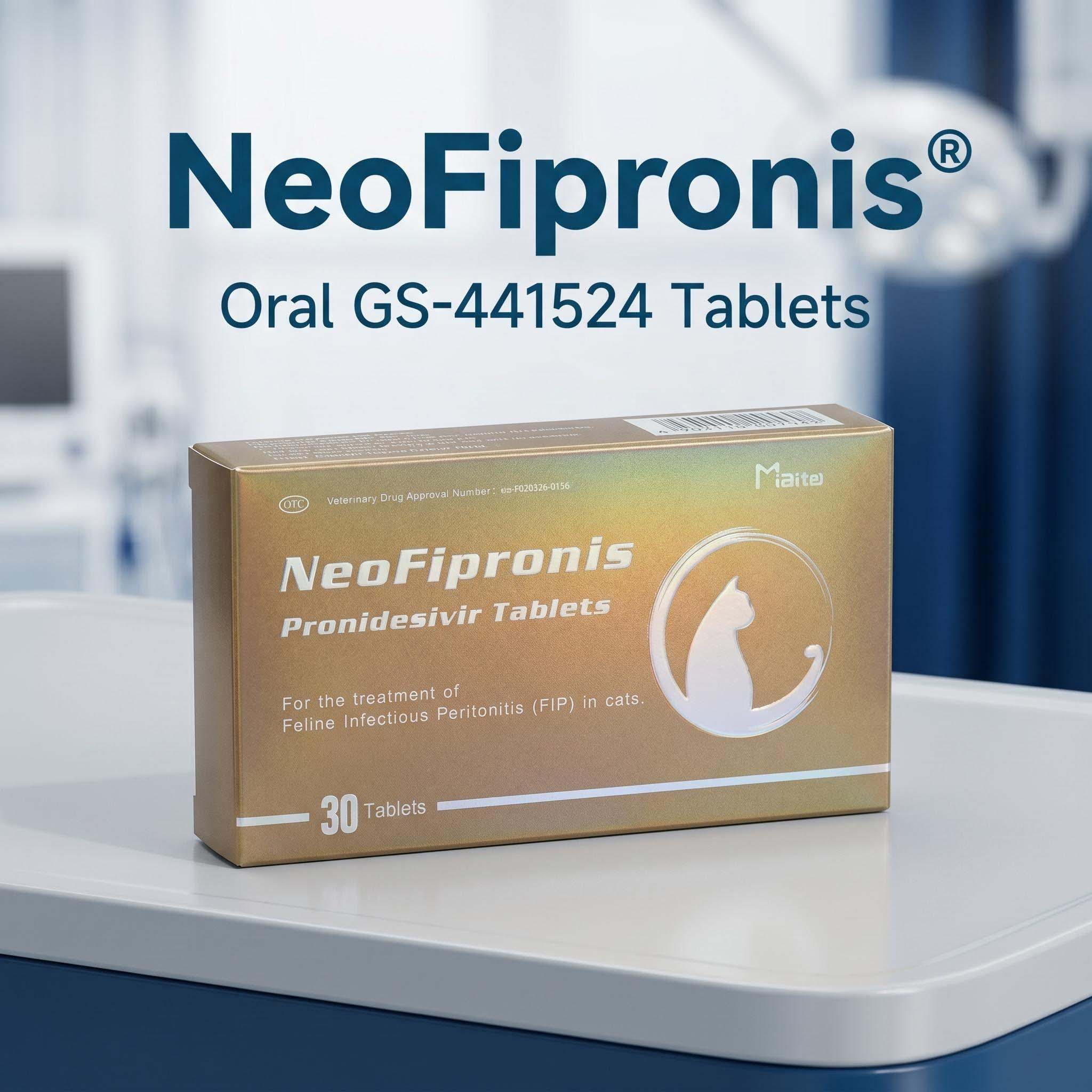
Anemia in FIP is generally considered a marker of disease severity, systemic inflammation, and overall poor prognosis. Cats with profound anemia often have advanced, multisystemic FIP, though mild anemia alone should not preclude aggressive diagnosis or even experimental treatment. Recently, antiviral therapies (such as GS-441524 and similar agents) have offered hope for remission in some cases, though supportive treatment—including blood transfusions—may be warranted for severe anemia.
Treatment Considerations
Managing anemia secondary to FIP involves a combination of disease-specific and supportive strategies. Antiviral drugs, immunomodulators, and anti-inflammatory medications are at the forefront. Blood transfusions may be needed for life-threatening anemia, but do not address the root cause. Iron or vitamin supplementation is only indicated if a specific deficiency is verified; otherwise, indiscriminate supplementation is ineffective and may cause harm. Appetite stimulants, nutritional support, and careful monitoring make up the remainder of supportive care.
Emerging Therapies and Research Directions
The paradigm for FIP treatment is rapidly evolving. Antivirals targeting mutated coronavirus, particularly nucleoside analogs like GS-441524, have produced dramatic effects in some cats, reversing anemia and systemic disease when administered early and for sufficient duration. Immunotherapy and adjunctive anti-inflammatory treatments continue to be explored, as does the timing of supportive interventions for coexisting anemia. Long-term remission is increasingly possible, underscoring the importance of early detection, comprehensive diagnostics, and holistic management.
The Role of the Veterinarian and Owner
Close observation and communication between cat owners and veterinarians are essential. Owners are best positioned to spot early signs of illness, while veterinarians must interpret laboratory tests objectively and design rational diagnostic and therapeutic plans. Both must appreciate the profound physical and emotional impact of FIP and its complications, such as anemia, to maximize the quality of life and survival chances for affected cats.
Preventive Strategies
Although FIP itself is difficult to prevent in multicat environments, minimizing stress, optimizing nutrition, controlling infectious outbreaks, and screening for feline coronavirus are helpful. Avoid overcrowding, prioritize hygiene, and promote routine health checks to ensure any clinical changes are addressed swiftly. Though no vaccine is currently fully effective, ongoing research may soon add more tools for prevention.
Key Points for Cat Owners
FIP’s link to anemia stems from chronic inflammation, hemorrhage, immune-mediated destruction, and suppressed bone marrow production. Anemia, when present, signals a need for urgent veterinary evaluation and may indicate advanced disease. Noticing subtle changes in a cat’s behavior, appetite, energy, or mucous membrane color is often essential for early diagnosis. Discuss the prospects and treatment options with your veterinarian and maintain hope, as new therapies and research are transforming the outlook for cats with FIP-related anemia.
Glossary of Terms
FIP: Feline infectious peritonitis, a mutated variant of feline coronavirus infection.
Anemia: A deficiency in the number or quality of red blood cells.
Cytokines: Immune system proteins involved in cell signaling.
Effusions: Abnormal fluid buildup in body cavities.
Hemolysis: Destruction of red blood cells.
Normocytic, normochromic anemia: Anemia in which red cells are normal in size and color but reduced in number.
Reticulocytes: Immature red blood cells, important in assessing bone marrow response.
Hematocrit: The proportion of blood volume occupied by red blood cells.
Spherocytes: Sphere-shaped red blood cells, suggestive of immune-mediated damage.
References
Pedersen NC. An update on feline infectious peritonitis: Diagnostics and therapeutics. Veterinary Journal.
Hartmann K. Feline Infectious Peritonitis: Diagnosis, Prevention, and Treatment. Veterinary Clinics of North America: Small Animal Practice.
Tasker S. Diagnosis and clinical management of feline infectious peritonitis. Journal of Feline Medicine and Surgery.
Paltrinieri S, Cammarata Parodi M, Celi A, et al. Possible role of anemia of chronic disease in cats infected with feline coronavirus. Veterinary Clinical Pathology.
Kipar A, May H, Menger S, et al. Morphological features and development of feline infectious peritonitis in barrier-reared cats after infection with FCoV. Journal of Comparative Pathology.
Drut A, Drut RM. Immune-mediated hemolytic anemia and FIP: Case documentation and literature review. Feline Practice.
Addie DD, Toth S, Herrewegh A, et al. Feline coronavirus in multicat households: role of the carrier cat. Journal of Feline Medicine and Surgery.
Stoddard RA, Palmisano P, Stott JL, et al. Cytokine patterns in effusions from cats with FIP. Veterinary Immunology and Immunopathology.
Felten S, Leutenegger CM, Balzer HJ, et al. Diagnostic value of real-time PCR assays for FIP. Journal of Feline Medicine and Surgery.