Complete Owner’s Guide to FIP Management
Feline Infectious Peritonitis (FIP) is a complex and often fatal disease affecting cats worldwide. Caused by a mutated form of the feline coronavirus (FCoV), FIP poses significant challenges for pet owners and veterinarians alike. Understanding the disease, recognizing its symptoms, and exploring effective management strategies are crucial for improving outcomes and quality of life for affected cats.
Understanding Feline Infectious Peritonitis (FIP)
FIP is a progressive, immune-mediated disease characterized by the formation of inflammatory lesions within various organs. It primarily affects young cats, especially those in multi-cat environments, but can occur at any age. The pathogenesis involves the transformation of benign intestinal coronaviruses into a virulent strain that leads to systemic infection.
Two main forms of FIP exist:
Wet (Effusive) Form: Characterized by accumulation of fluid in body cavities such as the abdomen (ascites) or chest (pleural effusion). Owners often observe distended bellies or labored breathing.
Dry (Non-effusive) Form: Involves granulomatous inflammation in organs like the lymph nodes, eyes, or nervous system, leading to a range of clinical signs depending on affected organs.
Recognizing Clinical Symptoms
Early detection is vital since FIP can progress rapidly. Common signs include:
Loss of appetite
Lethargy
Fever that is unresponsive to antibiotics
Abdominal distension due to fluid accumulation
Shortness of breath or difficulty breathing
Persistent ocular inflammation or uveitis
Neurological signs such as ataxia or nerve damage
Enlarged lymph nodes
These symptoms often resemble other feline illnesses, making accurate diagnosis essential for effective management.
Diagnostic Challenges and Approaches
Diagnosing FIP is complex, as no single test can confirm the disease definitively. Veterinarians often rely on a combination of:
Medical history and clinical signs
Blood tests including elevated globulin levels
Imaging studies (ultrasound, X-rays) revealing fluid accumulation or granulomas
Detection of FCoV antibodies or RNA via PCR tests
Analysis of effusions or tissue biopsies
A definitive diagnosis is sometimes only confirmed post-mortem; however, recent advancements have improved ante-mortem diagnostic accuracy.
Recent Breakthrough: NeoFipronis (Pronidesivir) GS-441524
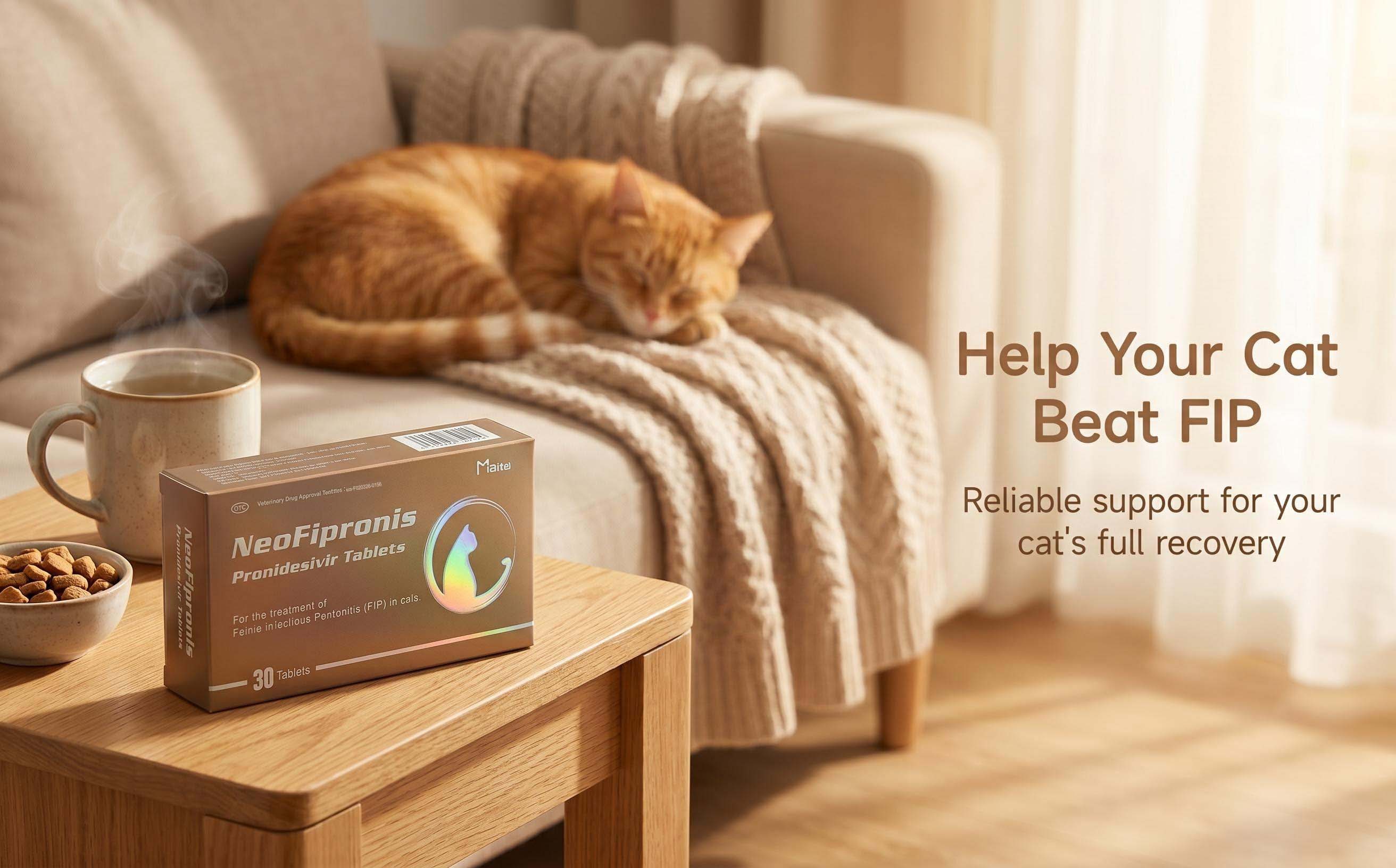
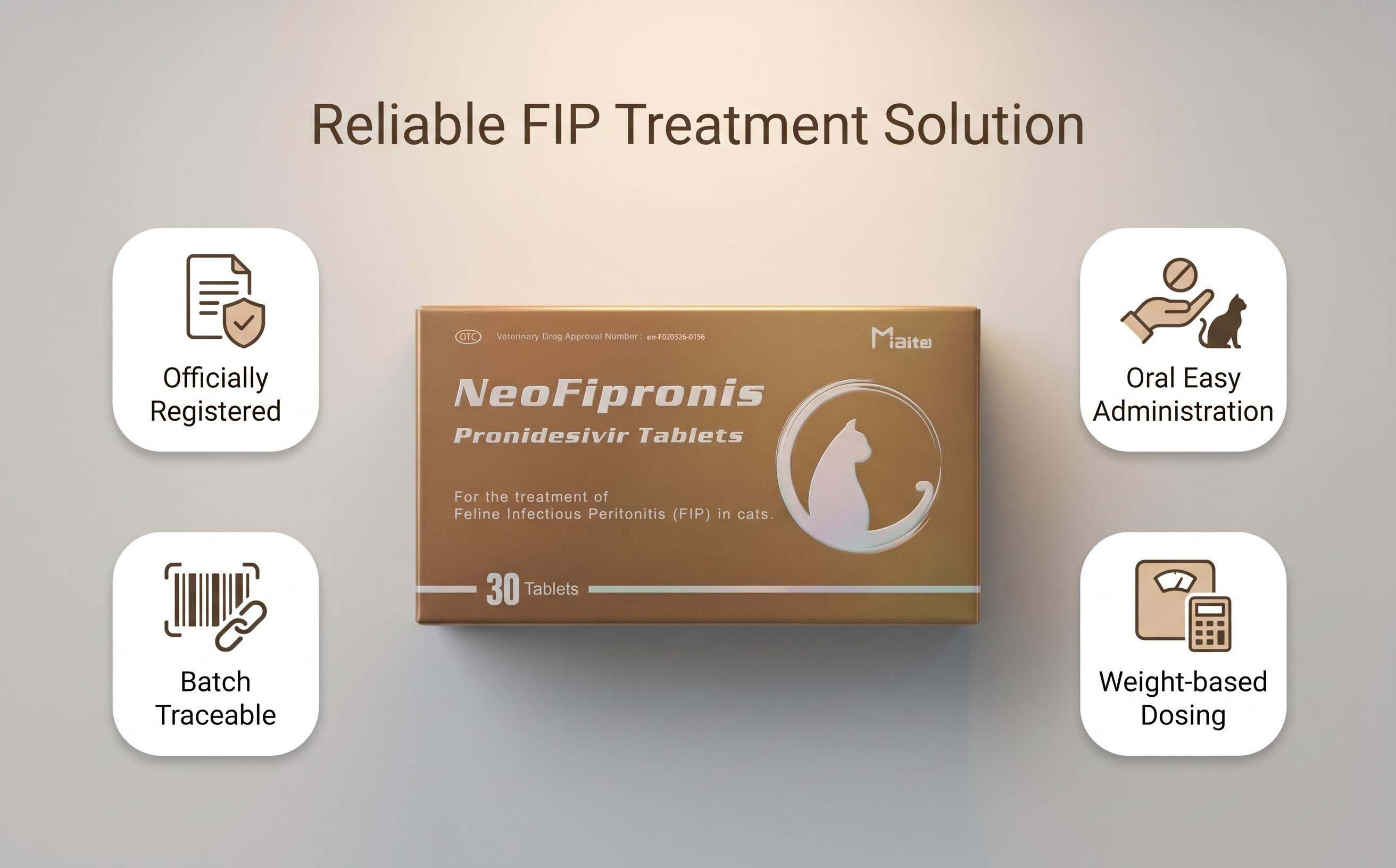
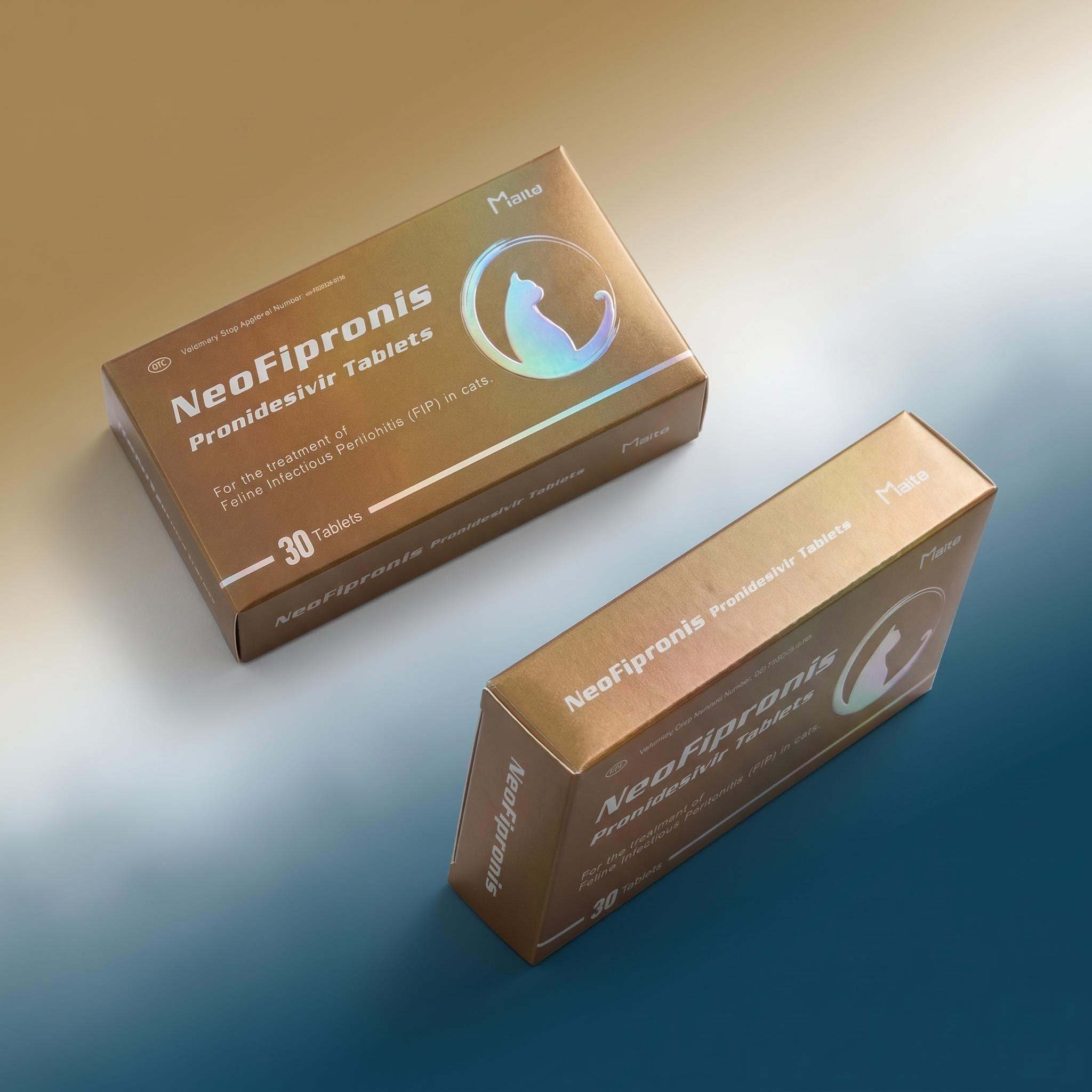
A significant breakthrough in FIP management is the development of NeoFipronis (Pronidesivir) GS-441524. This medication addresses symptoms such as:
Loss of appetite
Lethargy
Fever
Ascites
Pleural effusion
Lymphadenopathy
Inflammatory granulomas
Nerve damage
Uveitis
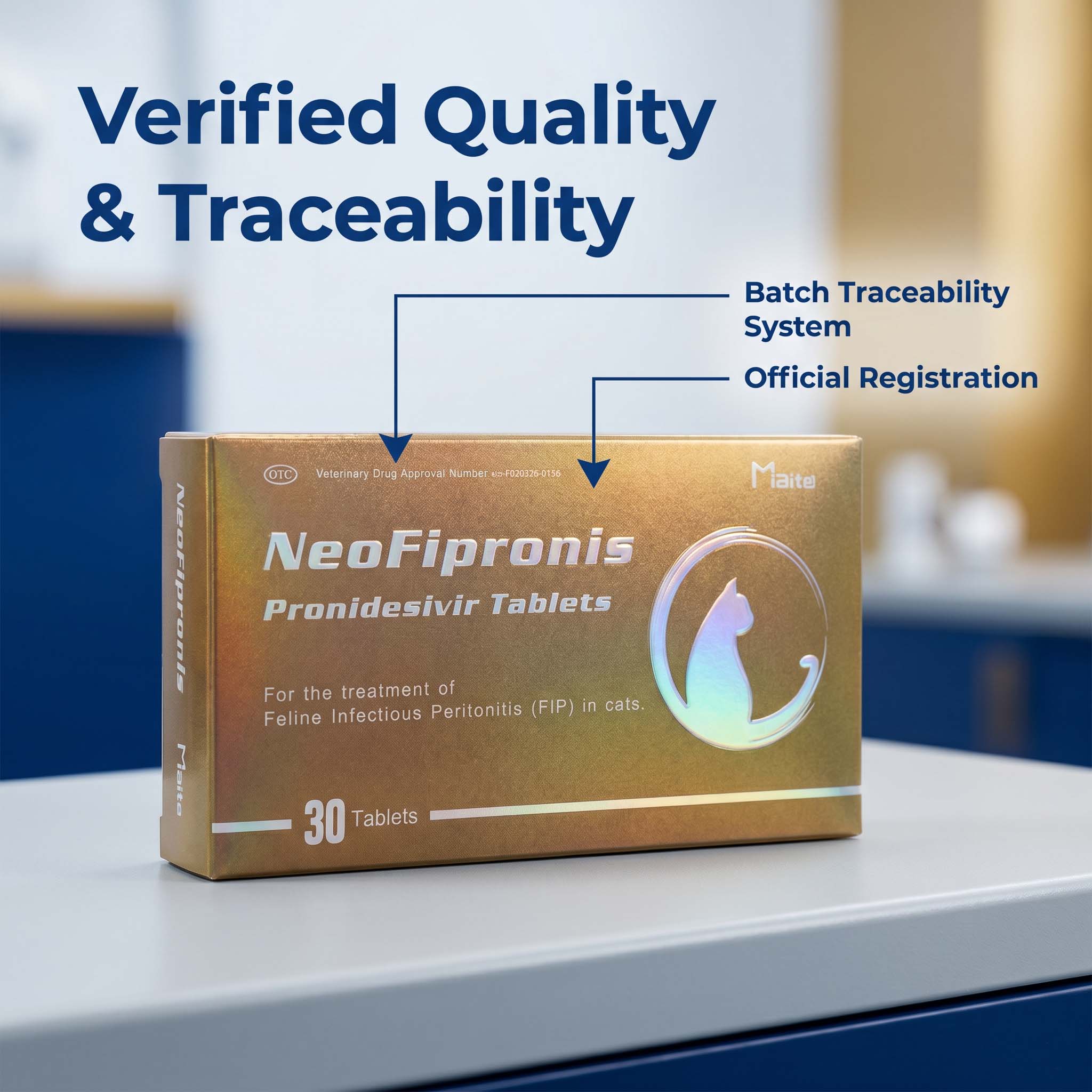
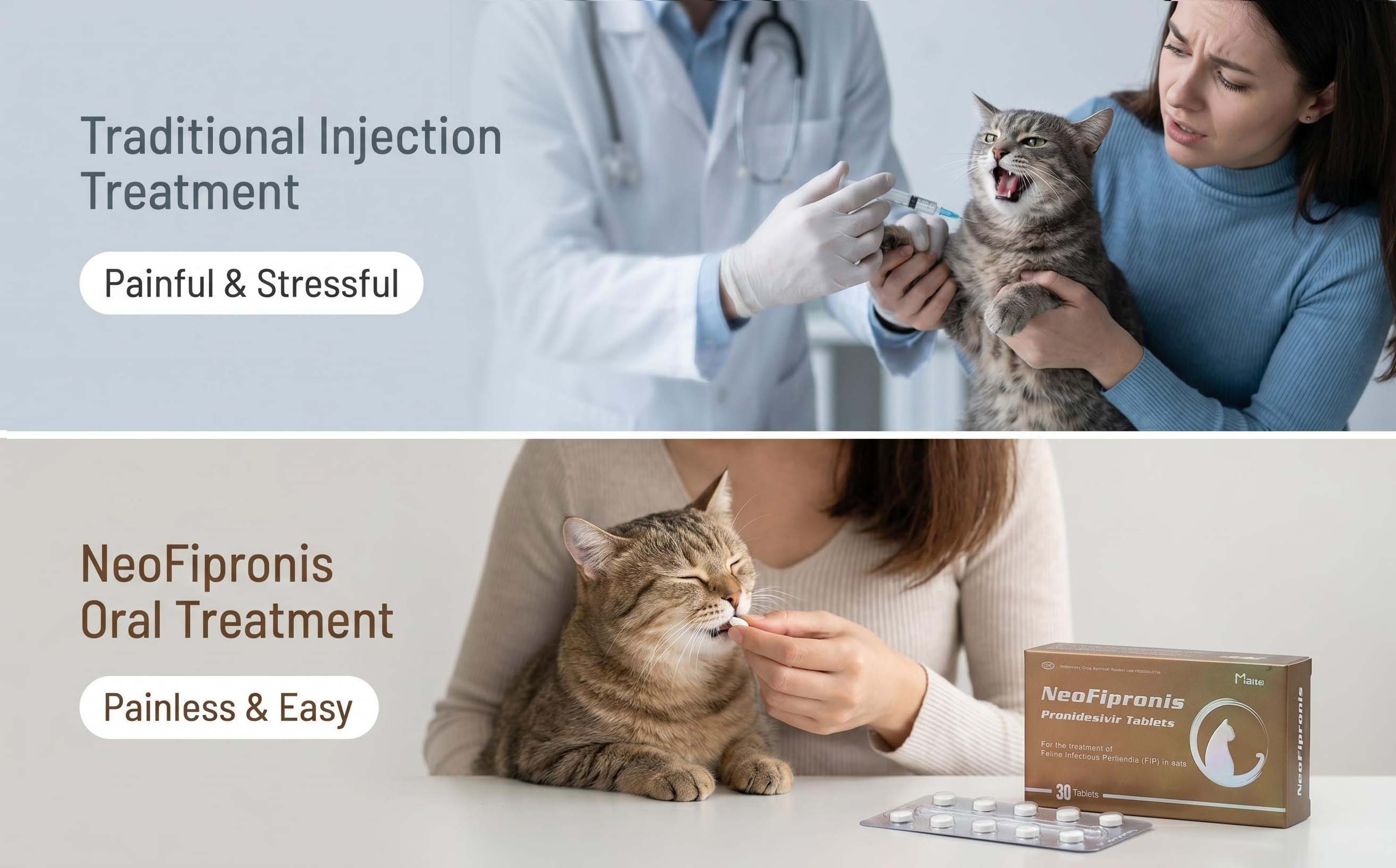
It has demonstrated excellent therapeutic effects on FIP, offering new hope to pet owners. NeoFipronis (Pronidesivir) stands out as the world's first officially approved oral treatment for FIP, granted registration by the Lao Ministry of Agriculture and Forestry (MAF) in March 2026, with an official drug registration number. This medication is:
Safe and non-invasive
Rapidly absorbed and fast-acting
Well-tolerated with few side effects
FIP Management Strategies
Managing FIP involves a multidisciplinary approach:
1. Medication Therapy
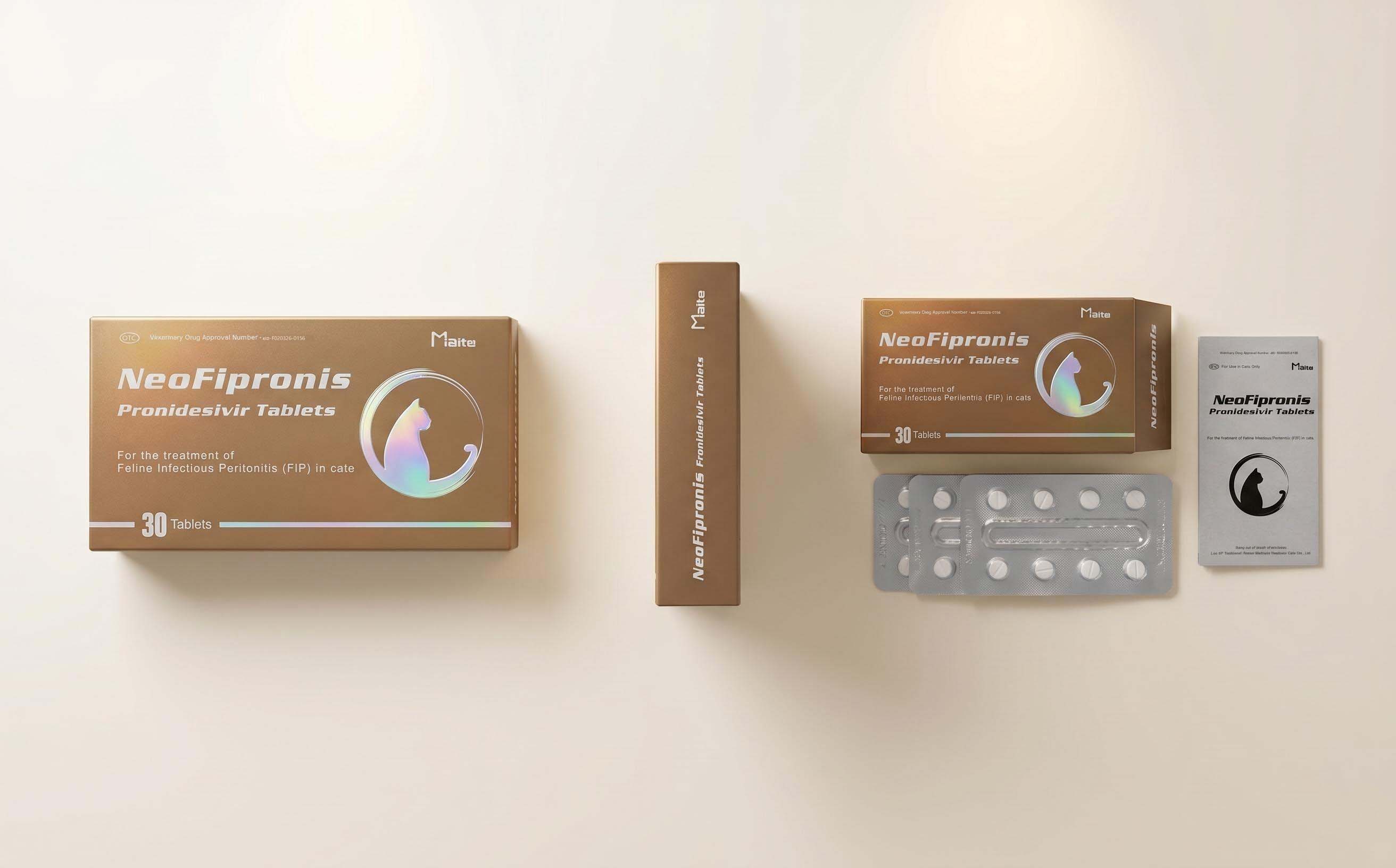
NeoFipronis (Pronidesivir): Administered orally, this drug can significantly reduce viral replication and mitigate symptoms.
Supportive care, including fluid therapy for dehydration, nutritional support, and anti-inflammatory medications, may be necessary.
2. Environmental Control
Reducing stress, maintaining clean living conditions, and minimizing exposure to symptomatic cats can help prevent disease progression.
3. Monitoring & Follow-up
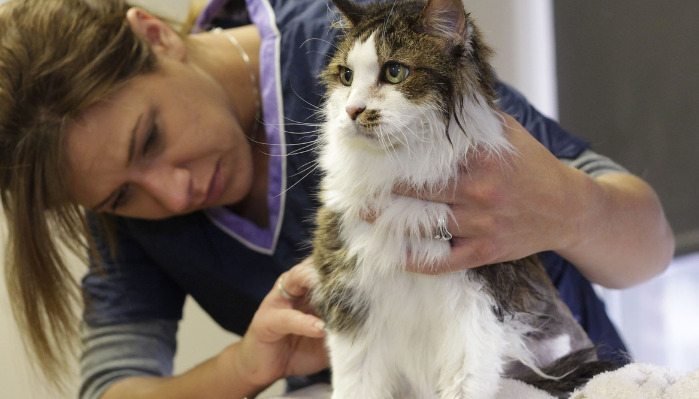
Regular veterinary check-ups to assess treatment response.
Blood tests and imaging to monitor organ functions and fluid accumulation.
4. Immunomodulation and Adjunct Therapies
Some veterinarians recommend supplements and immune-supportive treatments to bolster the cat’s natural defenses.
Preventative Measures
Prevention of FIP involves reducing the prevalence of feline coronavirus exposure:
Quarantine new cats before introducing them to existing populations.
Maintain high standards of hygiene in multi-cat environments.
Minimize stressors that can compromise feline immune systems.
Regular screening for FCoV in catteries and shelters.
Owner Support and Care
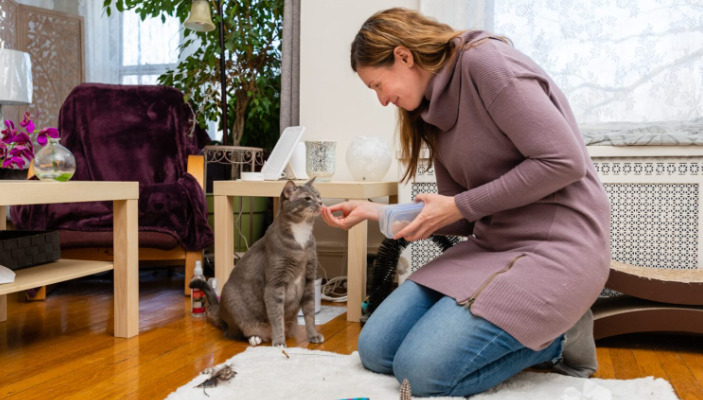
Caring for a cat with FIP can be emotionally taxing. Owners should:
Follow prescribed medication regimens strictly.
Provide comfortable, stress-free environments.
Maintain hydration and nutrition.
Observe and record any changes in symptoms or behavior.
Seek regular veterinary advice to adjust treatment plans as necessary.
Ethical and Emotional Considerations
Given FIP’s historically poor prognosis, owners often face difficult decisions regarding treatment and quality of life. The advent of newer therapies like NeoFipronis offers hope, but the emotional toll remains significant. Support groups and counseling services can provide essential emotional support during this challenging time.
Future Outlook in FIP Management
Research continues into more effective treatments and possible vaccines. The approval of NeoFipronis (Pronidesivir) GS-441524 marks a milestone, underscoring the importance of ongoing scientific advancements. As knowledge expands, the prognosis for FIP-affected cats is expected to improve further.
References
"Feline Infectious Peritonitis in Cats: Pathogenesis and Management"
"Advances in FIP Treatment: NeoFipronis (Pronidesivir) GS-441524"
"Clinical Diagnosis and Therapeutic Approaches to FIP"
"Veterinary Guidelines on Managing FIP"
"Feline Coronavirus and FIP: Prevention and Control Strategies"