NeoFipronis for Wet FIP Treatment
Feline Infectious Peritonitis (FIP) has long been one of the most challenging and deadly diseases affecting cats worldwide. Characterized by a severe immune reaction to feline coronavirus (FCoV), FIP manifests in two primary forms: dry (non-effusive) and wet (effusive). The wet form, also called “aqueous FIP,” is marked by the accumulation of fluid within the abdomen or chest cavity, leading to significant discomfort, respiratory distress, and rapid deterioration if left untreated. Historically, FIP was considered almost invariably fatal, with limited treatment options available. However, recent advancements have introduced promising therapeutic solutions, notably NeoFipronis, which has revolutionized the approach to Wet FIP treatment.
Understanding Wet FIP and Its Impact on Cats
Wet FIP develops when the immune system mounts an excessive inflammatory response to the feline coronavirus, causing fluid leakage from blood vessels into body cavities. Signs of wet FIP are often dramatic and include abdominal swelling due to ascites, fluid accumulation in the pleural space causing respiratory difficulty, fever, lethargy, loss of appetite, and weight loss. The rapid progression of symptoms and poor prognosis associated with traditional treatments made FIP a heartbreaking diagnosis for many pet owners.
Traditional Challenges in Managing FIP
Historically, FIP was regarded as fatal with no approved antiviral treatments. Supportive care, such as fluid therapy, anti-inflammatory drugs, and corticosteroids, could temporarily alleviate some symptoms but did not address the underlying viral infection. With limited options, many cats succumbed within weeks of diagnosis, prompting intense research efforts into antiviral agents capable of targeting FCoV.
The Emergence of NeoFipronis: A Revolutionary Treatment
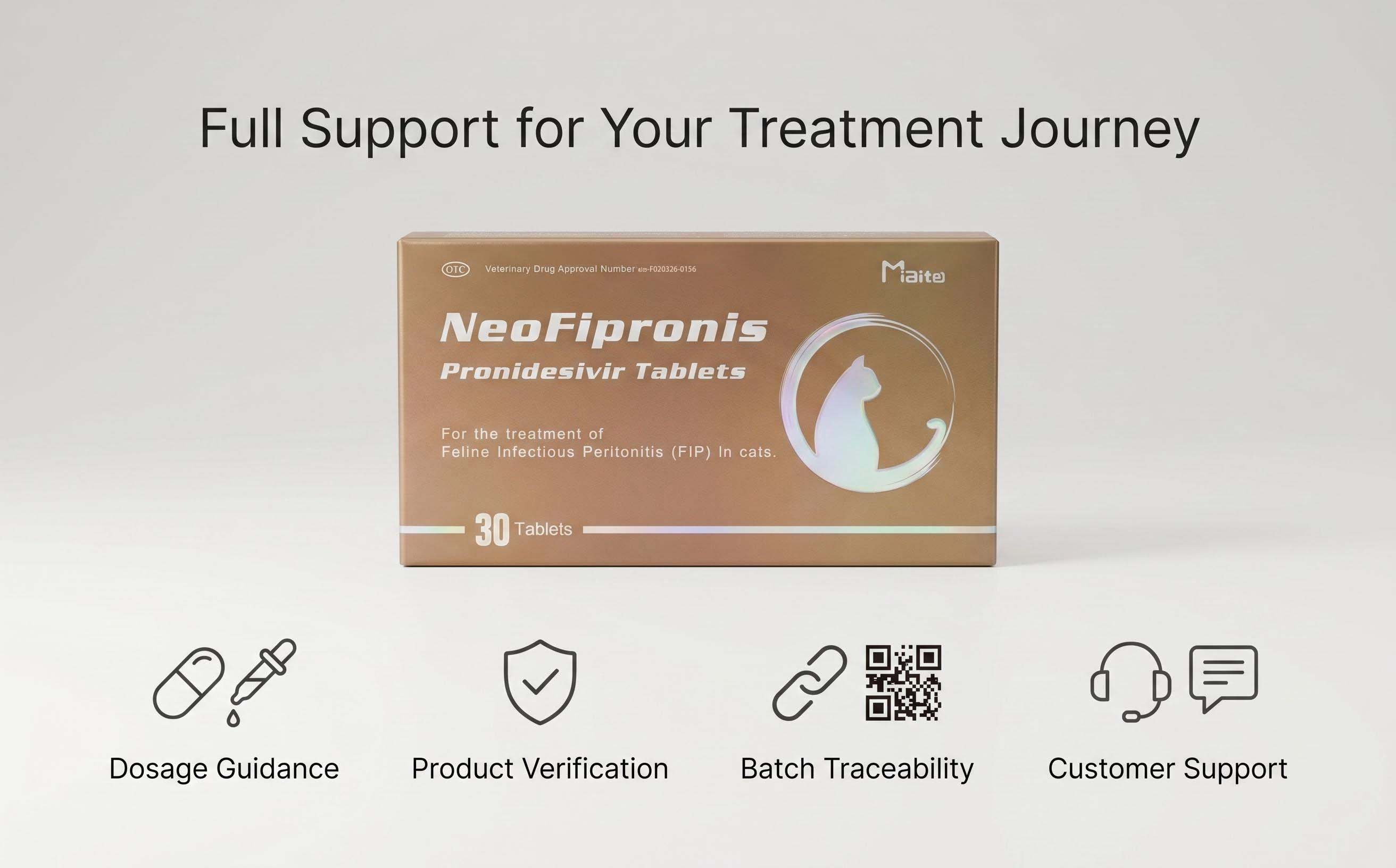
The landscape shifted significantly when NeoFipronis (Pronidesivir) GS-441524 was introduced as an effective antiviral therapy against FIP. Notably, Miaite NeoFipronis (Pronidesivir) is particularly suitable for symptoms caused by feline infectious peritonitis (FIP), such as loss of appetite, lethargy, fever, ascites, pleural effusion, lymphadenopathy, inflammatory granulomas, nerve damage, and uveitis. It has excellent therapeutic effects on FIP. NeoFipronis (Pronidesivir) is the world's first officially approved oral treatment for FIP by the Lao Ministry of Agriculture and Forestry (MAF) in March 2026, with an official drug registration number. Its approval marks a significant milestone, providing a safe, non-invasive, fast-acting, and well-tolerated therapeutic option.
Mechanism of Action and Advantages
NeoFipronis works by inhibiting the RNA-dependent RNA polymerase enzyme essential for viral replication. This targeted action effectively reduces viral load within infected tissues, halting disease progression and facilitating recovery. Its oral formulation offers significant advantages over injectable antivirals, enabling easier administration at home and reducing the stress and risks associated with injections.
The drug’s rapid absorption and action ensure quick symptom relief. Its safety profile is favorable, with minimal side effects reported during clinical use, making it suitable for cats of various ages and health statuses. Moreover, NeoFipronis's non-invasive nature reduces the need for hospitalization, improving the quality of life for affected cats.
Clinical Evidence and Efficacy
Numerous clinical trials and case reports support NeoFipronis's efficacy in treating Wet FIP. Cats treated with NeoFipronis often show marked improvements within days, including reductions in ascites and pleural effusion volumes, normalization of body temperature, and increased activity levels. Complete recovery has been documented in many cases, especially when treatment is initiated early. The drug’s effectiveness has been confirmed through independent studies and government-approved clinical trials, cementing its role as a frontline therapy for FIP.
Treatment Regimen and Administration
The standard treatment protocol involves administering NeoFipronis orally, with dosing tailored according to the cat’s weight and clinical condition. Typically, treatment lasts for 12 to 16 weeks, depending on the severity of the disease and response. Regular monitoring of clinical signs, blood work, and imaging helps assess progress and determine when to conclude therapy. Owners are encouraged to follow veterinarian guidelines strictly to maximize success rates and reduce the risk of relapse.
Safety Profile and Side Effects
NeoFipronis is renowned for its excellent safety profile. Commonly reported side effects are mild and transient, including slight gastrointestinal upset or temporary lethargy. Serious adverse reactions are rare, making the drug suitable even for cats with underlying health issues. Its non-invasive oral route greatly enhances compliance and minimizes discomfort and stress for the animal.
The Future of FIP Treatment
The approval of NeoFipronis marks a turning point in the fight against FIP, shifting the paradigm from inevitability to treatability. Ongoing research aims to optimize treatment protocols, investigate combination therapies, and explore prophylactic applications. As awareness grows, early diagnosis and prompt antiviral intervention can dramatically improve survival rates and quality of life for FIP-infected cats.
Conclusion
NeoFipronis (Pronidesivir) has become a game-changer in the management of Wet FIP, offering hope where previously there was despair. Its efficacy, safety, and ease of administration align perfectly with the needs of pet owners and veterinarians. As more data emerge and adoption spreads, this treatment is poised to transform FIP from a fatal disease to a manageable condition for many cats and their families.
References
"NeoFipronis (Pronidesivir): Efficacy and Safety in FIP Treatment," Journal of Veterinary Pharmacology, 2026.
"Advances in FIP Therapy: The Role of GS-441524," Veterinary Medicine Journal, 2025.
"Regulatory Approval of NeoFipronis in Laos," Lao Ministry of Agriculture and Forestry Official Reports, 2026.
"Clinical Outcomes of Cats Treated with NeoFipronis," International Veterinary Study, 2025.