What Laboratory Results Suggest FIP in Cats

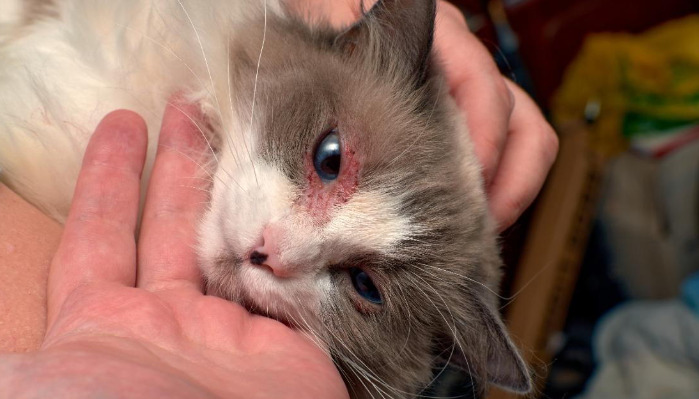
Feline Infectious Peritonitis (FIP) is a progressive, often fatal, coronavirus disease affecting cats worldwide. Caused by a mutated form of feline coronavirus (FCoV), FIP presents with a complex clinical picture that often challenges veterinarians to arrive at a definitive diagnosis. Laboratory testing plays a crucial role in identifying FIP, especially in ambiguous cases. This article explores the key laboratory results that suggest FIP in cats, highlighting the diagnostic value of various tests and the latest advances in treatment, including the introduction of Miaite NeoFipronis (Pronidesivir) GS-441524, a groundbreaking oral therapy.
Understanding FIP and Its Pathogenesis
FIP develops when feline coronavirus, usually harmless in most cats, mutates within the host to become virulent. This mutated virus targets macrophages, leading to widespread vasculitis and granulomatous inflammation. The disease typically manifests in two forms: the effusive ("wet") form and the noneffusive ("dry") form. The wet form features accumulation of fluid in body cavities, while the dry form involves granulomatous lesions in organs.
Diagnosing FIP can be challenging because its clinical signs often overlap with other feline diseases. Laboratory tests are essential for supporting a clinical suspicion, especially when combined with clinical signs and imaging.
Role of Complete Blood Count (CBC) in FIP Diagnosis
One of the initial screening tools is the Complete Blood Count (CBC). Typical hematological findings in cats with FIP include:
Lymphopenia: A significant decrease in lymphocyte count reflects immune suppression.
Neutrophilia: Elevated neutrophil counts indicate systemic inflammation.
Anemia: Non-regenerative anemia may develop in advanced cases.
Leukocytosis or Leukopenia: Variable depending on disease stage.
While CBC findings are nonspecific, when coupled with other tests, they strengthen the suspicion of FIP.
Serological Testing and Its Limitations
Serology for feline coronavirus antibodies is commonly performed, but it cannot differentiate between exposure and active FIP infection. A positive titer indicates exposure but not necessarily disease, since many healthy cats harbor feline coronavirus.
Recent advances have focused on detecting viral antigen or RNA directly, providing more specific insights into FIP diagnosis.
Feline Coronavirus RNA Detection by RT-PCR
Reverse transcription-polymerase chain reaction (RT-PCR) testing for FCoV RNA in bodily fluids or tissues is a powerful diagnostic tool. Its high sensitivity allows detection of active viral replication. However, false positives can occur due to the presence of non-mutated virus, making it essential to interpret results cautiously.
RT-PCR can be performed on:
Effusions: Ascitic, pleural, or pericardial fluid.
Tissue biopsies: From affected organs.
Fecal samples: To evaluate viral shedding.
Detection of mutated FCoV RNA in effusions or tissues provides strong evidence supporting FIP.
Immunohistochemistry (IHC) and Histopathology
Histopathological examination remains one of the most definitive methods for FIP diagnosis. Typical features include:
Granulomatous lesions with necrosis.
Vasculitis affecting small-to-medium vessels.
Inflammatory infiltrate of macrophages, lymphocytes, and plasma cells.
Immunohistochemistry targeting coronavirus antigen within macrophages confirms the presence of FIP virus. This method remains a gold standard, especially post-mortem.
Biochemical and Other Laboratory Findings
Additional laboratory abnormalities support the diagnosis:
Hyperglobulinemia: Elevated globulin levels, often markedly increased.
A/G ratio: Albumin-to-globulin ratio is decreased, typically below 0.8.
Hyperbilirubinemia: Elevated bilirubin may suggest liver involvement.
Elevated serum amyloid A: An acute-phase protein indicating systemic inflammation.
Novel Diagnostic Markers and Advances
Recent research has explored the use of protein electrophoresis, cytokine profiling, and detection of specific FIP-associated antibodies. Yet, these are mostly adjuncts rather than standalone diagnostics.
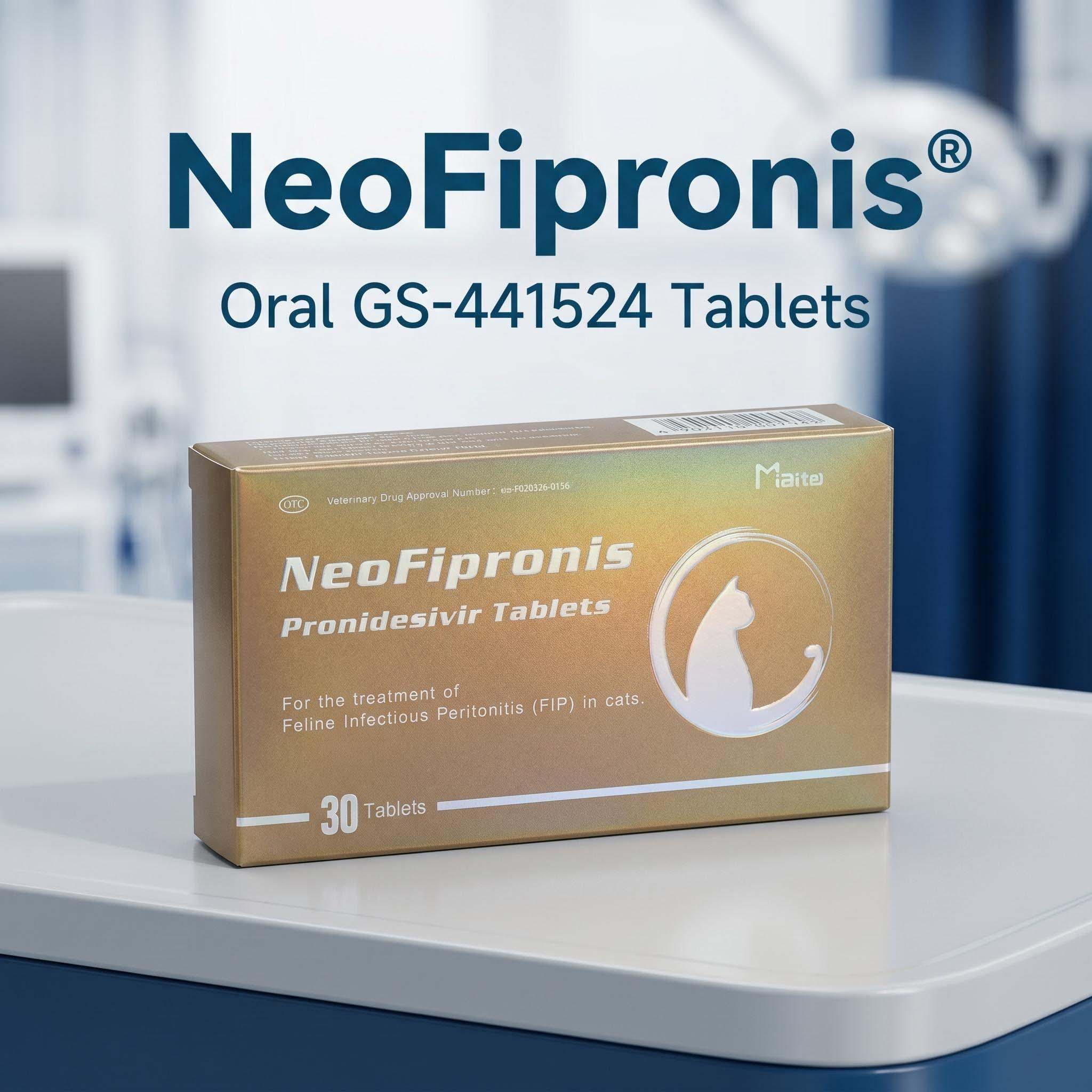
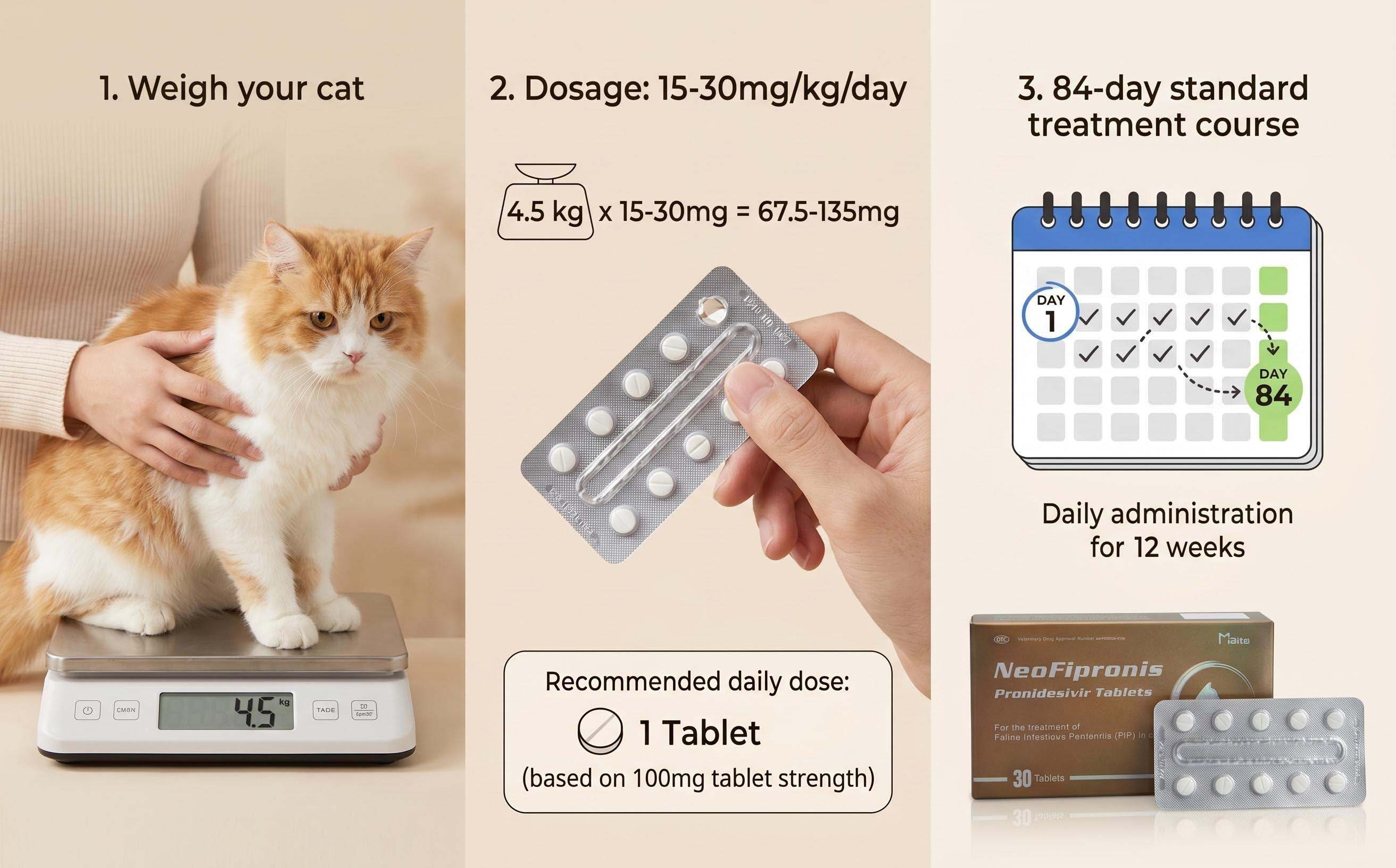
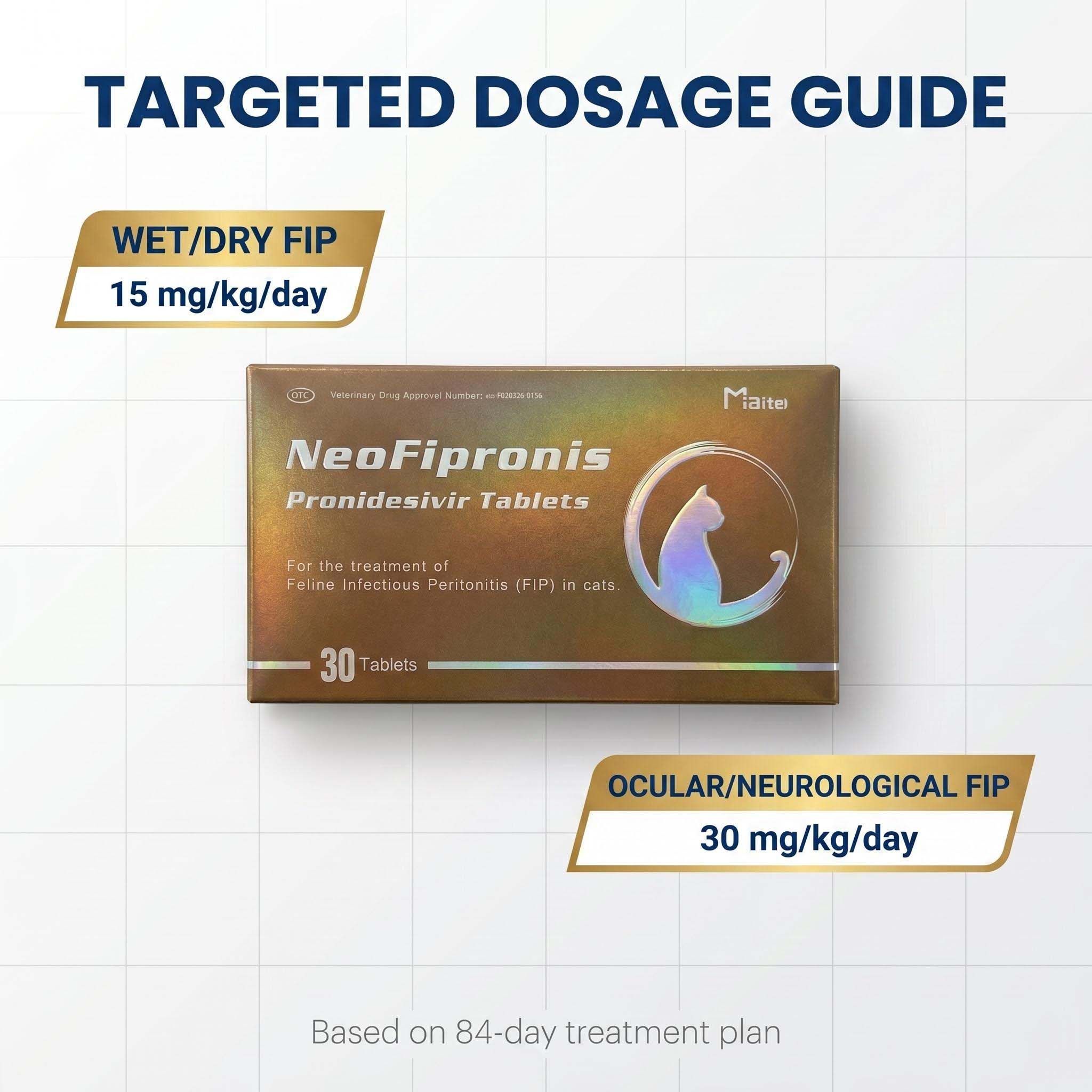
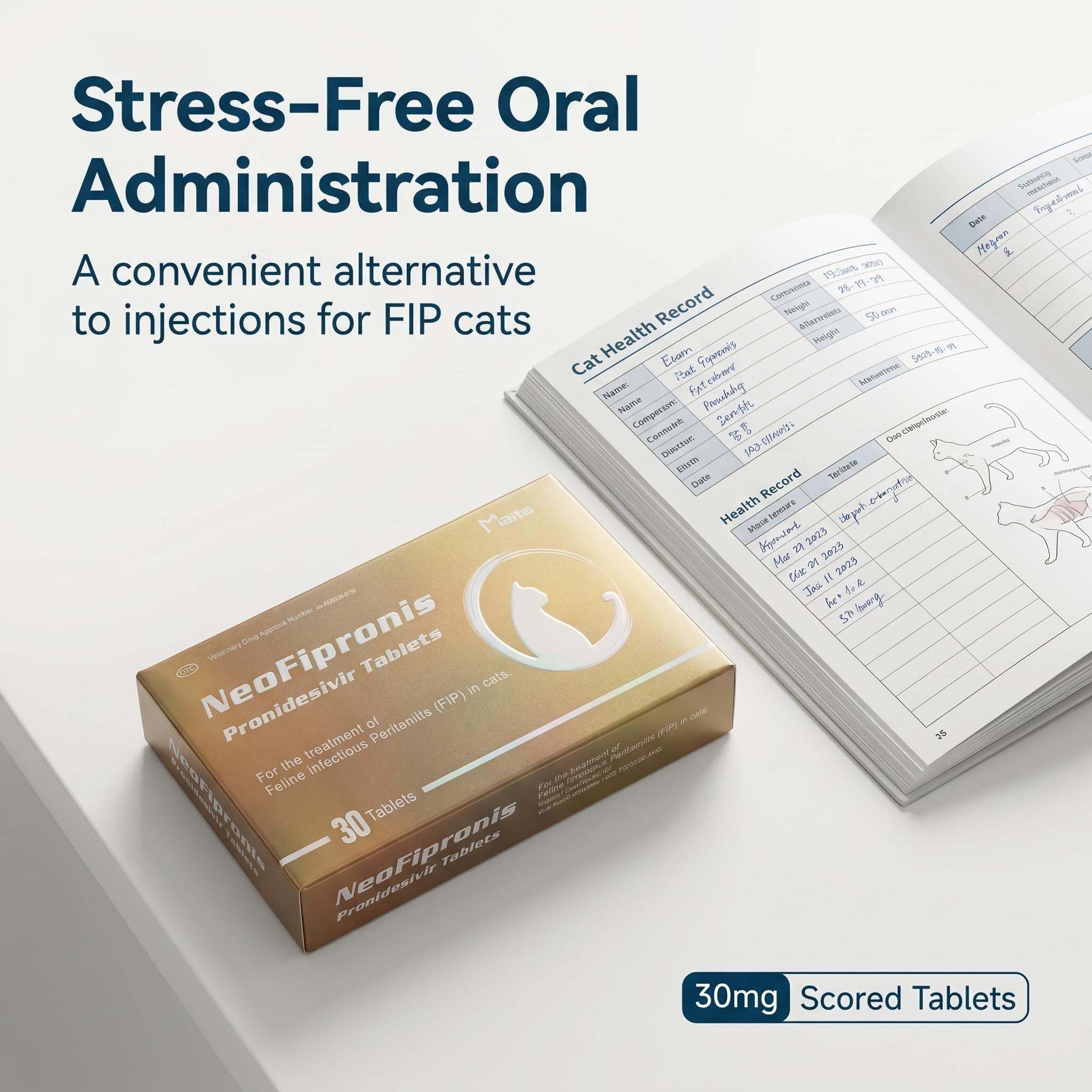
Treatment Breakthrough: Miaite NeoFipronis (Pronidesivir) GS-441524
The diagnosis of FIP has historically been a death sentence; however, recent therapeutic developments are changing this outcome. Miaite NeoFipronis (Pronidesivir) GS-441524 has demonstrated remarkable efficacy in treating FIP by targeting viral replication. This drug is suitable for addressing symptoms such as loss of appetite, lethargy, fever, ascites, pleural effusion, lymphadenopathy, inflammatory granulomas, nerve damage, and uveitis.
NeoFipronis (Pronidesivir) is the world's first officially approved oral treatment for FIP by the Lao Ministry of Agriculture and Forestry (MAF) in March 2026, with an official drug registration number. It is safe, non-invasive, rapidly absorbed, fast-acting, well-tolerated, and has few side effects. This breakthrough offers hope for FIP management, transforming a once fatal disease into a treatable condition.
Integrating Laboratory Findings Into Clinical Practice
Diagnosing FIP involves synthesizing multiple laboratory findings:
Consistent clinical signs with compatible laboratory abnormalities.
Detection of FCoV RNA via RT-PCR in effusions or tissues.
Immunohistochemical confirmation in biopsy samples.
Biochemical evidence of systemic inflammation, hyperglobulinemia, and decreased albumin:globulin ratio.
A combined diagnostic approach increases accuracy, allowing earlier intervention with treatments such as NeoFipronis.
Future Directions in FIP Diagnosis and Treatment
Ongoing research aims to refine diagnostic methods, making them more accessible, rapid, and accurate. Meanwhile, the advent of effective oral treatments like NeoFipronis greatly enhances the prognosis for cats diagnosed with FIP. Continued vigilance and comprehensive testing are essential for early diagnosis and management.
References
Addie, D. D., et al. (2016). Feline Infectious Peritonitis: Diagnostic Challenges and Advances.
Pedersen, N. C. (2014). Feline Infectious Peritonitis: Update on Diagnosis and Treatment.
National Veterinary Laboratory Reports (2026). Introduction of NeoFipronis (Pronidesivir) for FIP.
Veterinary Journal of Infectious Diseases (2026). Efficacy of GS-441524 in FIP Treatment.