What Are the Biggest Challenges During FIP Treatment
Feline Infectious Peritonitis (FIP) remains one of the most complex and formidable diseases affecting cats worldwide. Caused by certain strains of feline coronavirus, FIP manifests as a progressive, often fatal, inflammatory disease predominantly targeting the tissues and organs. Despite advances in veterinary medicine, treating FIP continues to pose significant challenges. These hurdles stem from the disease’s nature, diagnostic difficulties, limited treatment options, and the emotional toll on pet owners and veterinarians alike.
Understanding FIP and Its Pathogenesis
FIP develops through a mutation of the generally benign feline coronavirus (FCoV). While many cats carry FCoV asymptomatically, a subset undergoes viral mutation, leading to the development of FIP. The mutated virus triggers a severe immune response involving excessive inflammation, fluid accumulation in body cavities, and multi-organ damage. The disease exists primarily in two forms: effusive (wet) FIP, characterized by fluid buildup, and noneffusive (dry) FIP, marked by granulomatous lesions without significant fluid accumulation. Both forms pose diagnostic and therapeutic challenges, primarily because their clinical signs often mimic other feline diseases.
Diagnostic Difficulties
One of the earliest hurdles in FIP treatment is accurate diagnosis. Clinical signs are often nonspecific—weight loss, lethargy, fever, and neurological signs—making initial diagnoses difficult. Laboratory tests, such as blood work and imaging, can suggest FIP but are not definitive. The gold standards—histopathology and immunohistochemistry—require invasive procedures, which are not always feasible. Recent advancements include detection of viral RNA in tissues or bodily fluids via RT-PCR; however, false positives and negatives complicate interpretation. Consequently, veterinarians often face uncertainty in confirming an FIP diagnosis, delaying the initiation of treatment.
Limited Treatment Options and Efficacy
Historically, FIP has been considered nearly universally fatal, and for decades, no approved antiviral medications had proven effective. The advent of newer antiviral drugs, such as GS-441524 and remdesivir, has revolutionized the outlook for some cats. Nevertheless, these treatments are not officially approved by regulatory agencies like the FDA, and availability varies globally. High costs, lack of standardized dosing protocols, and potential side effects further complicate treatment strategies. Some cats respond favorably, but others exhibit partial or no response, highlighting the unpredictable nature of therapeutic outcomes.
Drug Administration Challenges
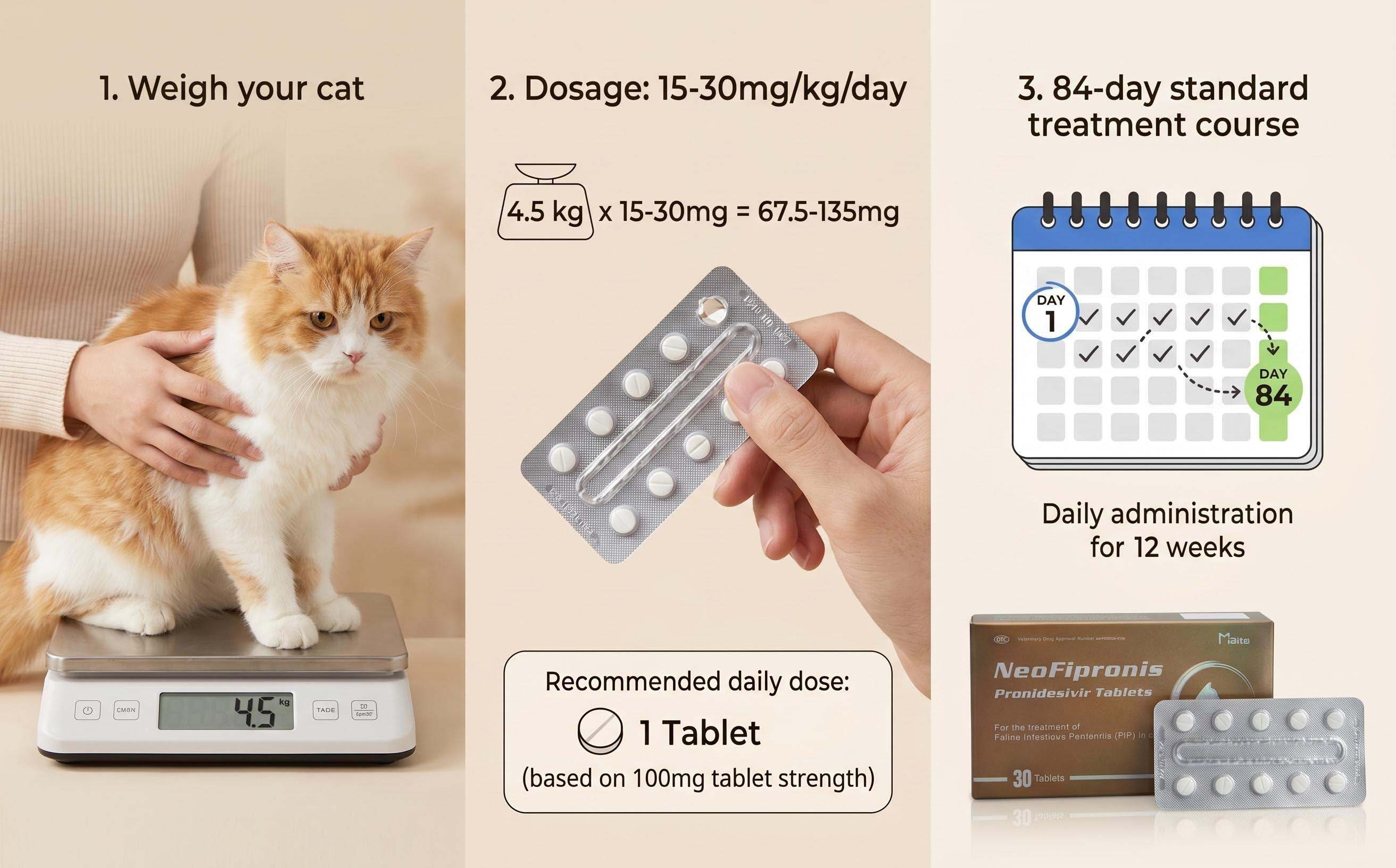
Administering antiviral medication, often via injections or oral medication, can be stressful for cats and stressful for their owners. Oral medications require daily administration, which may be difficult due to cats’ reluctance and potential side effects. Injections, while sometimes more reliable in ensuring absorption, pose challenges related to pain management, injection site reactions, and owner compliance. Medication adherence is crucial for effectiveness, but the complexity of treatment regimens and the emotional distress associated with caring for a sick cat can lead to inconsistent dosing.
Side Effects and Toxicity
The drugs used in FIP treatment, especially nucleoside analogs like GS-441524, can cause adverse effects. Common issues include mild gastrointestinal upset, elevated liver enzymes, or other organ toxicities. Monitoring for side effects requires regular veterinary visits, blood tests, and sometimes additional medication management. The potential for toxicity increases with longer treatment durations, which are often necessary to achieve remission, adding another layer of complexity to management.
Emotional and Financial Challenges
Diagnosing and treating FIP involves considerable emotional investment. Owners often experience hope, anxiety, and grief, especially given the disease’s historically bleak prognosis. The financial burden is significant—costs for diagnostics, medications, and ongoing monitoring can be prohibitive. This financial strain can influence treatment decisions, sometimes leading owners to opt against aggressive therapy, which may impact the cat’s prognosis.
Resistance and Viral Mutations
Another challenge involves the potential development of viral resistance. Mutations within the virus can reduce the effectiveness of antiviral drugs over time. This dynamic nature of the virus necessitates ongoing research into combination therapies and alternative treatment options. Resistance not only complicates individual cases but also poses broader concerns for antiviral efficacy.
Inconsistent Responses and Prognosis
Even with aggressive treatment, not all cats respond favorably. Some achieve remission, while others progress despite therapy. Factors influencing outcomes include the stage of disease at diagnosis, immune response, and individual variation. The unpredictable nature of FIP outcomes complicates decision-making and underscores the necessity for ongoing research to identify reliable prognostic markers and improved treatments.
Conclusion
Treating FIP remains a balancing act fraught with numerous challenges. From diagnostic uncertainties and limited effective drugs to administration hurdles and emotional stresses, each aspect influences the overall management of this deadly disease. Continued research and development are vital to improving diagnostic accuracy, expanding therapeutic options, and ultimately enhancing survival outcomes for affected cats.
References
1. Pedersen, N. C. (2014). An update on feline infectious peritonitis: Diagnostics and therapeutics. Veterinary Journal, 200(2), 151-157.
2. Felerca, L., & Millar, J. (2020). Emerging therapies for feline infectious peritonitis. Journal of Feline Medicine and Surgery, 22(11), 1007-1015.
3. Hartmann, K., & Addie, D. (2017). Feline infectious peritonitis: Update on diagnostics and treatments. Veterinary Clinics of North America: Small Animal Practice, 47(4), 759-773.
4. Meli, M., & Addie, D. (2021). Antiviral therapy for FIP: Current status and future prospects. Veterinary Research Communications, 45(1), 5-14.
5. Kipfer, S., & McDonald, D. L. (2019). Challenges in diagnosing and managing FIP. Journal of Feline Medicine and Surgery Open Reports, 5(2), 1-8.