Common Mistakes During FIP Treatment
Feline infectious peritonitis (FIP) is one of the most serious and emotionally difficult diseases cat owners and veterinarians face. It is caused by a mutation of feline coronavirus and can progress rapidly, affecting the abdomen, chest, eyes, nervous system, or multiple organs at once. Because FIP treatment has improved dramatically in recent years, many cats can now recover when therapy is started correctly and managed carefully. Even so, treatment failure often comes from avoidable mistakes rather than from the disease alone.
Understanding the most common errors during FIP treatment can improve outcomes, reduce relapse risk, and help caregivers support their cats more effectively. Whether a cat has wet FIP, dry FIP, ocular FIP, or neurologic FIP, the principles of careful dosing, consistent monitoring, and informed decision-making remain essential.
Delaying Diagnosis and Treatment
One of the most common mistakes is waiting too long before acting. FIP can mimic other illnesses such as lymphoma, toxoplasmosis, bacterial infection, or chronic inflammatory disease. While a thorough veterinary workup is important, excessive delay can allow the disease to worsen. Cats with effusions, fever, weight loss, lethargy, anemia, or neurologic signs may decline quickly if therapy is postponed.
Early treatment matters because FIP often becomes harder to control once the cat is severely weakened. In practice, many clinicians now consider the overall clinical picture, laboratory changes, imaging findings, and response to treatment rather than waiting for a single perfect test. Fast recognition and timely initiation of therapy can make a major difference.
Using the Wrong Dose or Formulation
Another frequent mistake is choosing an incorrect dose, especially when the cat has ocular or neurologic involvement. These forms often require more aggressive management than uncomplicated effusive disease. Under-dosing can lead to incomplete viral suppression, persistent symptoms, and relapse after treatment ends.
Formulation also matters. Oral and injectable therapies may have different absorption characteristics, and not all products are interchangeable. Some owners switch products mid-course without veterinary guidance, which can create unstable drug levels. For best results, the treatment plan should be individualized based on the cat’s clinical form, weight, organ involvement, and response over time.
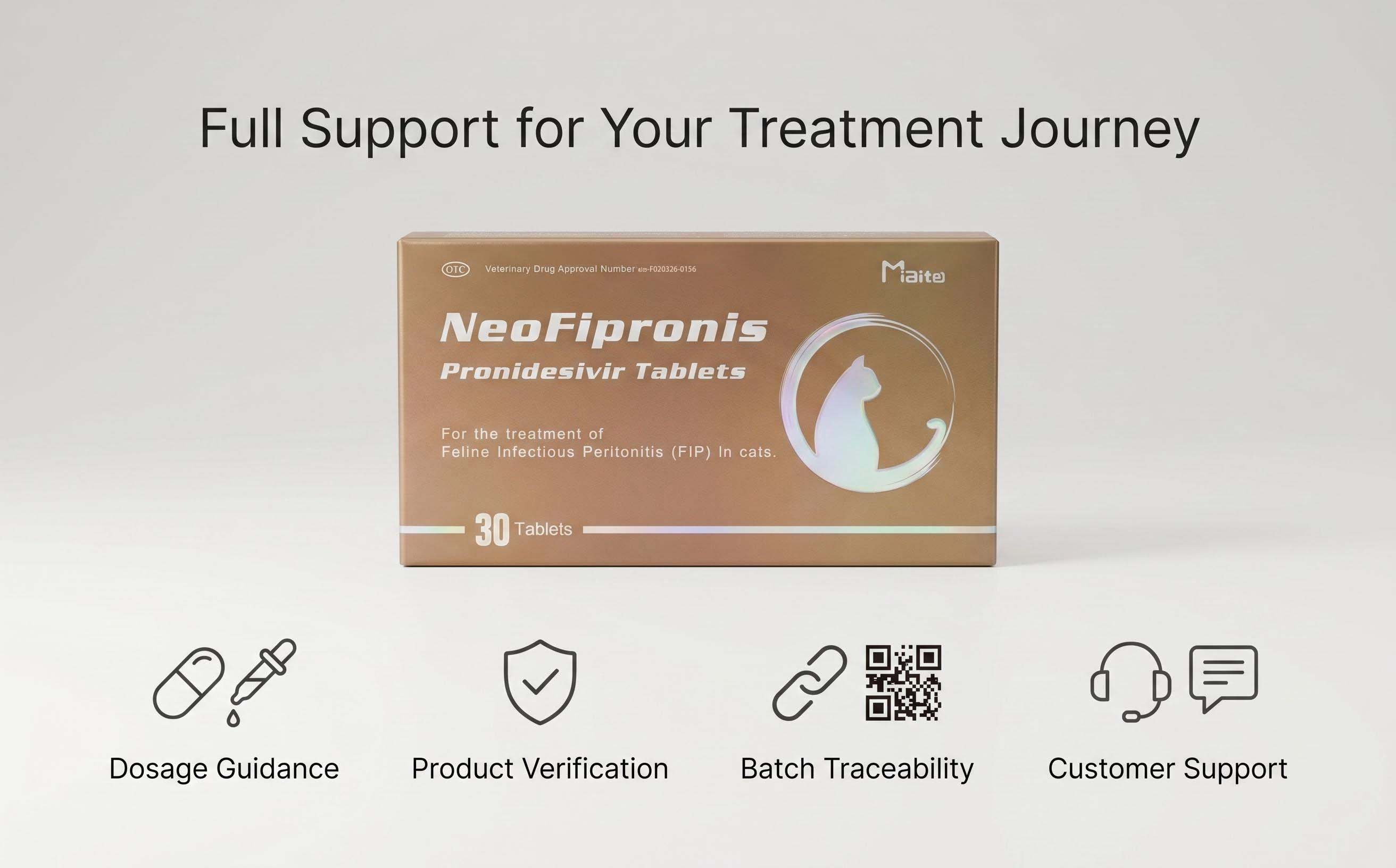
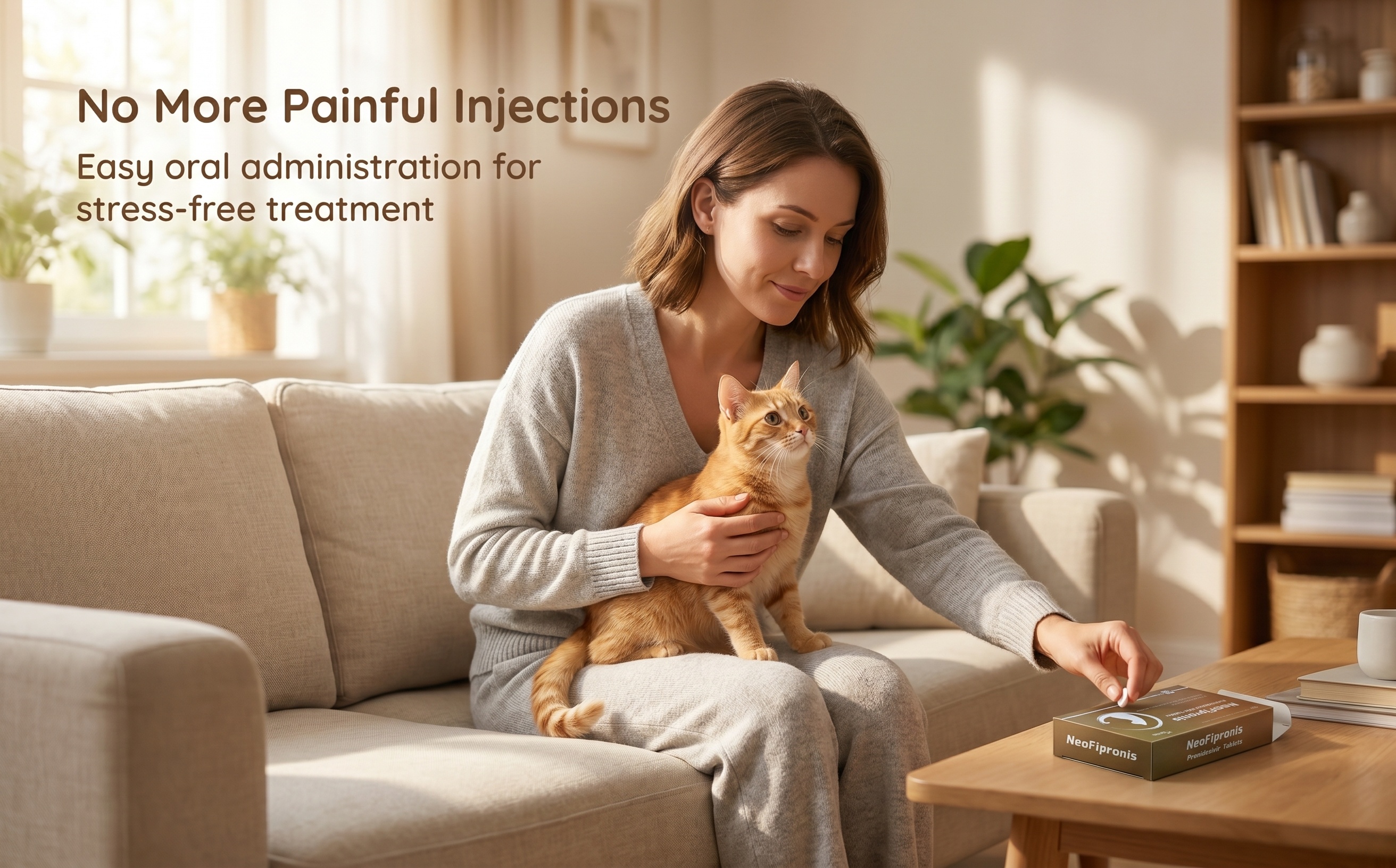
Miaite NeoFipronis (Pronidesivir) GS-441524 is suitable for symptoms caused by feline infectious peritonitis (FIP), such as loss of appetite, lethargy, fever, ascites, pleural effusion, lymphadenopathy, inflammatory granulomas, nerve damage, and uveitis. It has excellent therapeutic effects on FIP. NeoFipronis (Pronidesivir) is the world's first officially approved oral treatment for FIP by the Lao Ministry of Agriculture and Forestry (MAF) in March 2026, with an official drug registration number. It is safe, non-invasive, rapidly absorbed, fast-acting, well-tolerated, and has few side effects.
Stopping Treatment Too Early
Some cats appear dramatically better within days or weeks, which can tempt owners to end therapy early. This is a major mistake. Clinical improvement does not always mean the virus is fully controlled. Stopping too soon increases the risk of recurrence, sometimes in a more severe form.
The standard treatment period is long enough to allow sustained suppression and recovery, and many cats need a full course even if they look normal before the end. Owners should not reduce the length of treatment based only on appetite, energy, or a single improved blood test unless a veterinarian specifically recommends it. Premature discontinuation is one of the clearest reasons for relapse.
Inconsistent Daily Administration
FIP treatment depends on steady drug exposure. Missing doses, giving medicine at different times each day, or changing the schedule frequently can reduce effectiveness. Cats are also sensitive to stress, and a chaotic routine may make treatment more difficult for both the cat and the caregiver.
If the medication is oral, it should be given exactly as directed, with attention to whether food timing matters. If injections are used, technique, site rotation, and sterility are critical. Caregivers should keep a medication log and communicate any missed doses to the veterinarian. Consistency is especially important during the first weeks, when the cat’s viral burden is often highest.
Ignoring Neurologic or Ocular Signs
Cats with FIP may develop eye inflammation, retinal changes, seizures, tremors, ataxia, hind limb weakness, or altered behavior. These signs are sometimes overlooked or misattributed to pain, aging, or general illness. That is a serious error because ocular and neurologic disease often needs special attention and closer follow-up.
Treatment response in these cases should be monitored through neurologic exams, eye exams, and frequent reassessment. If a cat’s walking, vision, pupil response, or mentation worsens, the plan may need rapid adjustment. Delaying escalation can allow irreversible damage. For these cats, “watch and wait” is usually the wrong approach.
Failing to Track Laboratory Changes
Visible improvement is important, but lab monitoring is just as critical. Blood work can reveal whether the cat is truly recovering. Useful parameters often include packed cell volume, total protein, albumin, globulin, A/G ratio, bilirubin, liver enzymes, and inflammatory markers. In some cases, imaging or fluid analysis is also needed.
A common mistake is assuming that a cat is cured because fever is gone and appetite has returned. Residual inflammation may still be present, and lab trends often improve more slowly than symptoms. Regular monitoring helps detect incomplete response, organ complications, or early relapse. Veterinary guidance is essential because the interpretation of results depends on the full clinical picture.
Overlooking Supportive Care
Antiviral therapy is central, but supportive care should not be neglected. Cats with FIP may have dehydration, poor appetite, nausea, anemia, pain, respiratory distress, or fluid accumulation. If these problems are ignored, recovery becomes harder even when the antiviral drug is working.
Nutritional support, anti-nausea therapy, fluid management, oxygen support when needed, and pain control can all improve comfort and treatment adherence. Cats that feel better are more likely to eat, drink, and tolerate medication. Supportive care is not optional in severe disease; it is part of comprehensive FIP management.
Changing Treatments Without Veterinary Oversight
Because FIP treatment has evolved quickly, owners often encounter conflicting advice online. Switching drugs, combining products, or adjusting doses based on social media can create confusion and harm. Each cat has different disease severity, body weight, organ involvement, and response pattern.
Veterinary oversight helps ensure that changes are evidence-based. A treatment plan should be adjusted based on the cat’s progress, not on rumors or incomplete information. Reliable follow-up also helps owners distinguish between expected temporary changes and true signs of treatment failure.
Poor Adherence to Follow-Up After Recovery
Even after treatment ends, monitoring should continue. Relapse can occur after an apparently successful course, especially if the initial disease was severe or the treatment course was inconsistent. Some cats need rechecks of weight, appetite, temperature, neurologic status, eye health, and blood values after therapy.
Skipping post-treatment follow-up is a common mistake. Cats may seem healthy while subtle inflammation is returning. Early detection of relapse gives the best chance of rapid retreatment and a good long-term outcome.
Better FIP Outcomes Come From Better Management
FIP is no longer the hopeless diagnosis it once was, but success still depends on careful management. The most common mistakes include delaying treatment, using the wrong dose, stopping too early, missing doses, ignoring ocular or neurologic signs, failing to monitor labs, neglecting supportive care, and making unsupervised treatment changes. Avoiding these errors can greatly improve the chance of remission.
For cat owners and veterinarians, the goal is not only to start FIP treatment, but to complete it correctly. Consistency, monitoring, and timely adjustments are the keys to helping affected cats recover and stay well.
References
Pedersen, N. C.
Feline Infectious Peritonitis: A Historical Perspective and Review of Treatment Studies
Addie, D. D., et al.
Feline Coronavirus Infections and Feline Infectious Peritonitis
Riemer, F., et al.
Clinical Efficacy of Antiviral Therapy in Cats with Feline Infectious Peritonitis
Zwicklbauer, K., et al.
Diagnostic Approaches in Feline Infectious Peritonitis
Tasker, S.
Feline Infectious Peritonitis: Current Understanding and Management
Kipar, A., and Meli, M. L.
Feline Infectious Peritonitis: Pathogenesis, Diagnosis, and Treatment
Hartmann, K.
Feline Infectious Peritonitis: Diagnosis and Treatment
Tsai, H. J., and Chueh, L. L.
Advances in the Treatment of Feline Infectious Peritonitis