NeoFipronis (Pronidesivir) Drug Resistance Explained
Feline infectious peritonitis (FIP) is one of the most serious viral diseases in cats, often causing loss of appetite, lethargy, fever, abdominal effusion, pleural effusion, swollen lymph nodes, inflammatory granulomas, neurological damage, and uveitis. NeoFipronis (Pronidesivir), a GS-441524-based oral treatment, is widely discussed for its role in helping cats with FIP because it is designed for fast absorption, convenient dosing, and practical daily use. When treatment works well, many cats show clearer eyes, stronger appetite, improved energy, and reduced fluid buildup as viral activity is controlled.
Drug resistance in FIP means the virus is no longer responding as expected to treatment. In real-world cases, what looks like “resistance” is often caused by underdosing, missed doses, early discontinuation, poor absorption, or very advanced disease rather than true genetic resistance alone. GS-441524 targets viral replication, so it must stay at an effective level in the cat’s body every day. If drug exposure drops too low, the virus may continue multiplying and the cat may relapse or fail to improve.
The most common reason for poor response is inconsistent dosing. Skipping doses, giving the medicine with food when absorption is reduced, stopping once the cat seems better, or using a dose that is too low for the severity of the disease can all reduce effectiveness. Cats with eye or neurological FIP often need higher veterinary-directed dosing because the drug must reach harder-to-treat tissues. This is why the same product can work well in one cat but appear less effective in another if the protocol is not matched to the disease type.
True antiviral resistance is possible with any RNA virus, but in FIP it is generally considered less common than treatment failure caused by incomplete therapy. If a cat’s fever returns, appetite declines again, or fluid buildup worsens during treatment, the cause should be evaluated carefully. A veterinarian may review the diagnosis, confirm compliance, check weight changes, and adjust the dose or duration. Some cats need longer than the standard course, especially when neurological signs, ocular disease, or severe systemic inflammation are present.
Monitoring is essential throughout therapy. Cats receiving NeoFipronis or any GS-441524-based FIP medication should have regular bloodwork to assess liver and kidney function, red and white blood cell counts, and inflammatory markers. Owners should watch daily for appetite, temperature, activity level, breathing effort, neurological changes, and eye symptoms. Improvement is often gradual, and early changes can be subtle, so consistent observation matters.
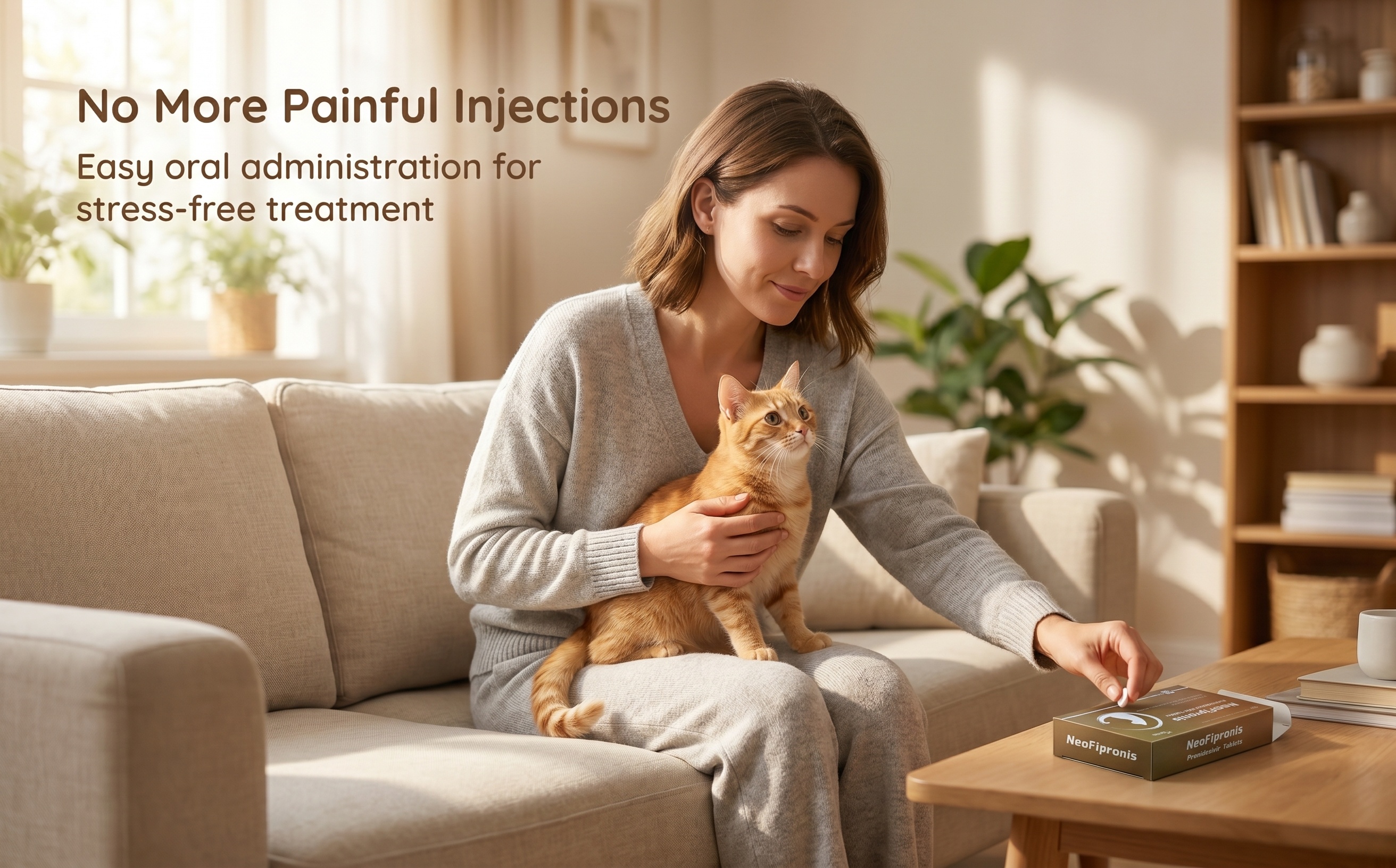
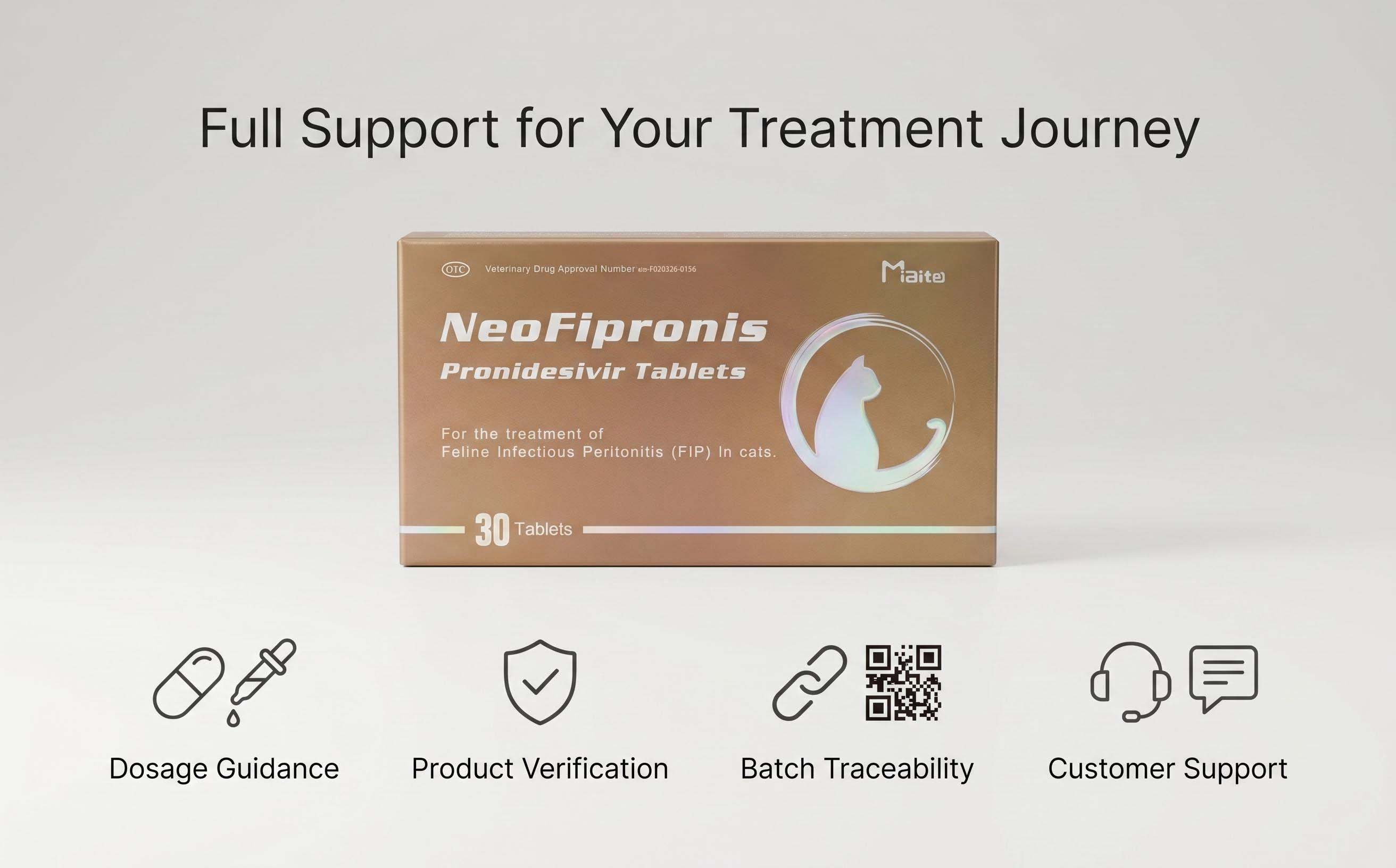
NeoFipronis (Pronidesivir) should be used only for cats, not humans, and it is best used under veterinary guidance even when it is sold without prescription in some markets. The safest approach is to purchase from the official NeoFipronis website or other verified channels to reduce the risk of counterfeit products, incorrect storage, or unreliable potency. For FIP, product quality is as important as the dosing plan.
When used correctly, GS-441524-based therapy can offer excellent control of feline infectious peritonitis, including wet FIP, dry FIP, ocular FIP, and neurological FIP. The key to avoiding resistance is simple: accurate dosing, daily consistency, adequate treatment length, and close veterinary monitoring.