Which FIP Symptoms Require Immediate Veterinary Attention

Feline Infectious Peritonitis (FIP) is a devastating viral disease that affects cats and presents unique challenges in diagnosis and management. While not every symptom requires emergency intervention, certain clinical signs signal potentially life-threatening complications demanding immediate veterinary attention. Understanding these urgent symptoms is critical for cat owners, veterinary professionals, and anyone involved in feline welfare. This article explores FIP's grave manifestations, emphasizing when swift action is essential, distinguishing between ambiguous early symptoms and those indicating critical deterioration.
What Is FIP and Why Is It so Dangerous?
FIP arises from a mutation of the feline coronavirus, though not every cat infected with the virus develops FIP. The mutated virus triggers an abnormal immune response, causing severe inflammation within the body's organs and tissues. FIP comes in two main forms: "wet" (effusive) and "dry" (non-effusive). The wet form involves accumulation of fluid within body cavities, while the dry form leads to inflammatory masses without fluid buildup. Both forms can be fatal without timely intervention. As FIP progresses, the symptoms can rapidly worsen. Recognizing when a cat is in acute distress can mean the difference between life and death.
Common Symptoms of FIP
Not all of the symptoms of FIP require immediate vet care, but certain signs do signal that a cat's condition is precarious. Here are the most frequently observed features:
Lethargy
Loss of appetite
Unexplained weight loss
Fever that fails to respond to antibiotics
Abdominal distension
At initial stages, these can mimic other feline diseases, which complicates early diagnosis. Owners should monitor and record these symptoms carefully, but many cases allow for scheduled vet visits unless symptoms escalate.
Essential Signs to Monitor Closely
Some signs signal imminent danger and fall outside the realm of standard illnesses. These urgent FIP symptoms demand emergency veterinary attention:
1. Breathing difficulties (Dyspnea): Rapid or labored breathing, gasping, or unusual chest movement may indicate that fluid is accumulating in the chest cavity (pleural effusion), reducing lung capacity and threatening oxygen levels.
2. Sudden, severe neurological signs: Cats with dry FIP can develop neurological issues such as seizures, collapse, marked incoordination, head tilt, or inability to walk. These acute neurological symptoms suggest central nervous system involvement and require immediate evaluation.
3. Accumulation of abdominal fluid: When the abdomen becomes suddenly distended, tight, and uncomfortable, the pressure from fluid can compromise organ function and cause pain. Sudden, severe abdominal swelling represents a medical emergency.
4. Jaundice: Yellowing of the gums, white of the eyes, or skin may signal liver failure due to rapid progression of the disease.
5. Persistent vomiting or diarrhea: Frequent vomiting or diarrhea, especially with dehydration, lethargy, or blood, can quickly worsen and lead to shock.
6. High, unrelenting fever: A fever above 104°F, not controlled by prescribed medication or that causes collapse, is especially dangerous.
7. Extreme lethargy or collapse: Cats that become non-responsive, unable to move, or collapse need urgent care.
If any of these symptoms appear, contacting a veterinarian immediately could be life-saving.
Why Are These Symptoms So Critical?
The above symptoms do more than cause discomfort; they signal potential shutdown of vital organ systems. Dyspnea, for instance, is often caused by accumulation of fluid—known as effusion—in either the chest (pleural effusion) or abdomen (ascites). Pleural effusion reduces a cat’s ability to breathe, leading to suffocation if not relieved. The abdominal tension from severe ascites can lead to circulatory collapse. Neurological symptoms can point to brain inflammation (meningoencephalitis), which may lead to seizures, coma, or death without aggressive intervention.
Differentiating Early FIP Symptoms from Emergencies
While vague signs like mild fever, low appetite, and subtle behavior changes often signal early FIP, emergencies occur when inflammation or fluid buildup suddenly compromises major organs. Cat owners should track daily symptoms, note changes in breathing pattern, abdominal size, gum color, and behavior intensity, and update veterinarians regularly. Any acute worsening signals a need for an urgent veterinary checkup.
How Veterinarians Respond to Acute FIP Cases
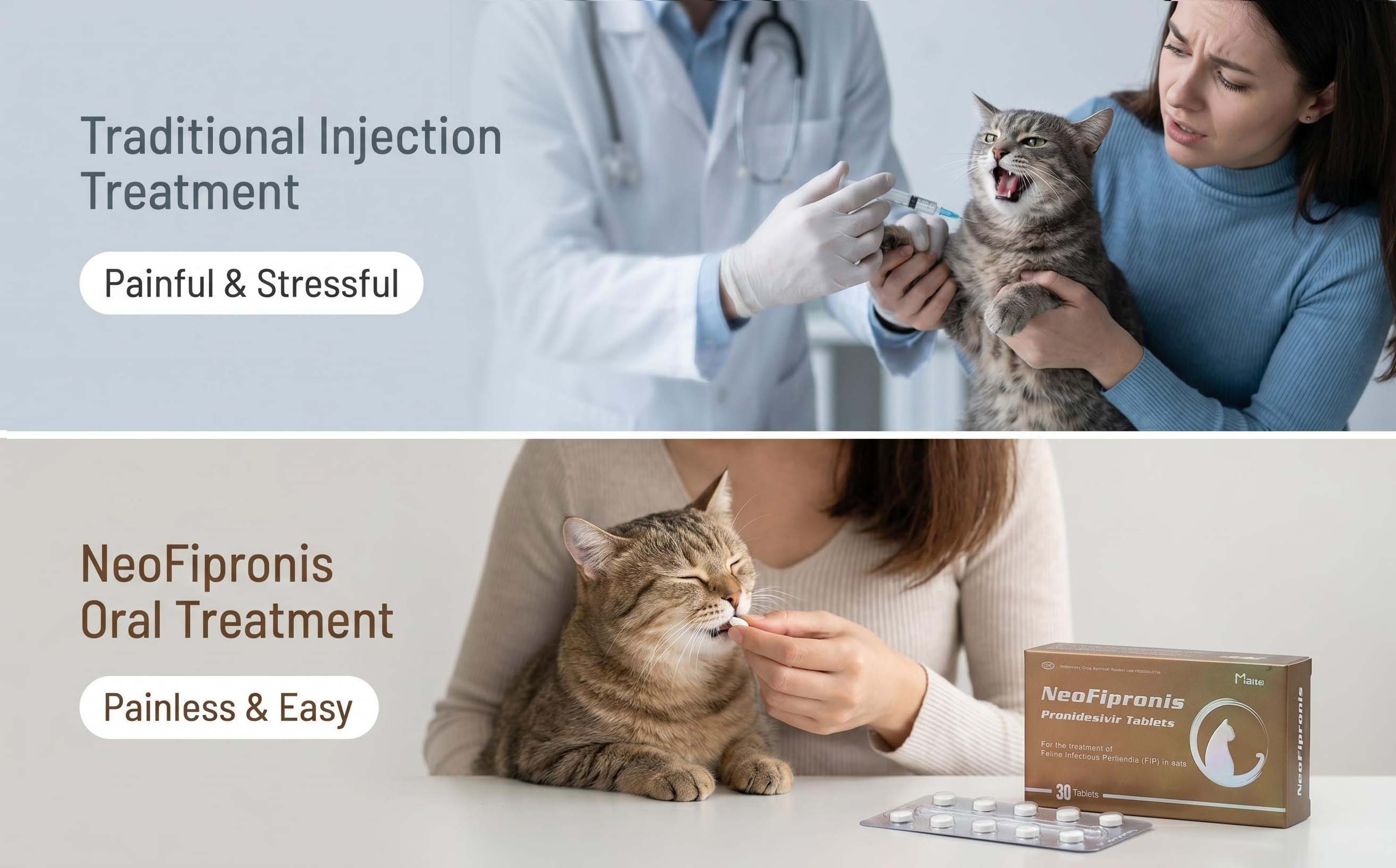
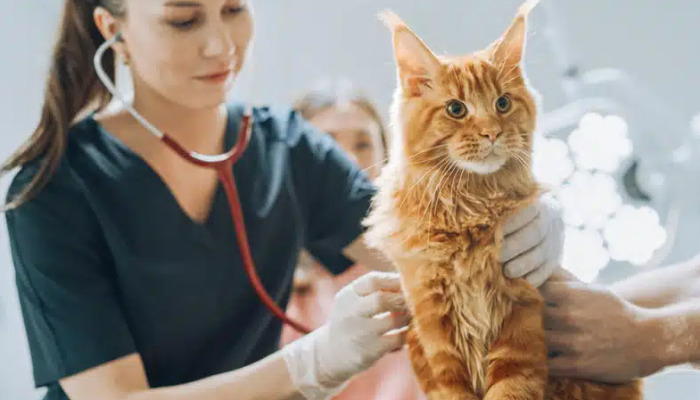
When a cat arrives at the clinic showing signs of a critical FIP crisis, veterinarians will focus on stabilization and immediate diagnostics. For breathing issues, emergency removal of chest fluid (thoracentesis) may be necessary to restore oxygenation. If neurological signs are present, supportive care, seizure control, and hospitalization may be required. For abdominal fluid, a controlled removal (abdominocentesis) can relieve pressure, but these procedures are always accompanied by diagnostic bloodwork and imaging. In recent years, certain antiviral drugs have shown promise, but the administration depends on rapid identification of FIP and exclusion of other conditions.
Risks of Delaying Veterinary Care
Delays in treating severe FIP symptoms often lead to irreversible organ damage or sudden death. Rapid progression from mild to catastrophic symptoms is common in FIP, underscoring the need for prompt attention. Even owners familiar with feline diseases can miss subtle signs, so erring on the side of caution is best when acute signs appear.
Chronic and Subtle Presentations—When Do They Become Urgent?
Some cats manage to compensate for mild FIP progression over weeks to months, making recognition of deteriorating status difficult. Chronic, slowly increasing abdominal swelling, worsening dehydration, or persistent but “stable” neurological deficits can suddenly tip into acute crisis if an infection worsens or the immune response escalates. If a cat’s condition changes unexpectedly—such as becoming non-responsive, losing coordination suddenly, or breathing with distress—the situation has become urgent.
Special Considerations for Young Cats and Multiple-Cat Households
Young cats (under age two) and those living in shelters or multi-cat homes are at increased risk for rapid FIP progression. In these populations, the disease can move from mild symptoms to emergencies within hours. Owners and rescue workers should keep emergency protocols accessible: the presence of sudden swelling, labored breathing, neurological collapse, or high fever always merits immediate veterinary call and transport.
Differential Diagnosis—When Are Symptoms Unique to FIP?
Although the emergency symptoms listed above may not be unique only to FIP, they are common to this disease and a handful of other conditions (heart failure, cancer, severe infections). However, the combination of fluid buildup, neurological deterioration, profound lethargy, and fever are highly suggestive of advanced FIP—especially in young cats or those with recent exposure to feline coronavirus. Veterinarians use laboratory analyses, imaging, and fluid testing to help distinguish FIP from other diseases. Cat owners should present detailed symptom journals to guide the diagnosis.
Preventive Approaches and Ongoing Monitoring
While there is no guaranteed method to prevent FIP in all cats, vigilant self-monitoring and immediate response to emergencies can improve outcomes. Owners should record symptom progression every day, seek regular veterinary checkups, and report any sudden breathing, abdominal, or neurological changes. Since FIP can progress rapidly, waiting for mild symptoms to worsen before acting may be dangerous.
Psychological Impact for Cat Owners
Emergencies related to FIP can be emotionally overwhelming for owners. Recognizing which symptoms require urgency and having a plan for transport and rapid access to veterinary care helps reduce panic and delays. Open communication with local vets about potential signs that necessitate emergency response is essential—especially for those caring for high-risk populations of kittens or shelter cats.
Treatment Options for FIP Emergencies
Although FIP was once considered untreatable, new antiviral medications (such as GS-441524 and related compounds) provide hope, particularly when started early. However, for cats already in crisis, treatment must address both the primary disease and the emergent symptoms—fluid removal, temperature stabilization, neurological support, and pain management. Timely use of these interventions—coupled with rapid diagnostic confirmation—can sometimes stabilize critical patients long enough for antiviral therapy to begin.
When Is Euthanasia Considered?
In some cases, despite aggressive intervention, a cat’s suffering and organ failure cannot be reversed. Veterinary teams will inform owners when quality of life is compromised beyond feasible recovery, allowing for humane euthanasia to prevent continued distress. This decision is never easy, but immediate veterinary examination and open discussion ensure that suffering is minimized.
Practical Steps for Cat Owners:
1. Create an emergency care plan outlining symptoms that demand instant veterinary action
2. Familiarize yourself with local 24/7 veterinary hospitals
3. Keep symptom logs and video records
4. Update your veterinarian with any rapid changes
5. Ensure transport arrangements for emergency visits, especially in multi-cat homes
Staying proactive and mindful of these steps may dramatically improve survival rates during critical episodes.
References
Hartmann, K. “Feline Infectious Peritonitis.” Veterinary Clinics of North America: Small Animal Practice, vol. 32, no. 6, 2002, pp. 1107-1124.
Pedersen, N.C. “An Update on FIP: Diagnostics and Therapeutics.” Journal of Feline Medicine and Surgery, vol. 16, no. 6, 2014, pp. 419-436.
De Groot-Mijnes, J.D.F., “Feline Coronavirus Infections: Mediation of Pathogenesis by Immune Response.” Veterinary Quarterly, vol. 29, no. 2, 2010, pp. 39-50.
Addie, D.D., “Feline Coronavirus–Myths and Facts.” Journal of Feline Medicine and Surgery, vol. 4, no. 2, 2002, pp. 133-142.
Sparkes, A.H., “Feline Infectious Peritonitis: A Review of Clinicopathological Changes and Immunopathogenesis.” Journal of Feline Medicine and Surgery, vol. 8, no. 3, 2006, pp. 109-117.
Meli, M., “Feline Infectious Peritonitis in Multi-Cat Environments.” Journal of Feline Medicine and Surgery, vol. 22, no. 12, 2020, pp. 1115-1123.