Can Routine Daily Observation Help Detect FIP Early

Feline Infectious Peritonitis (FIP) is one of the most challenging diseases faced by cat owners and veterinarians alike. It is a fatal, progressive viral disease caused by certain strains of the feline coronavirus (FCoV). While the disease's progression can be rapid once symptoms emerge, early detection remains elusive. In this context, routine daily observation may play a vital role in early identification, potentially improving outcomes and quality of life for affected cats.
Understanding FIP and Its Challenges
FIP develops when a mutated feline coronavirus infects macrophages, leading to severe inflammation, fluid accumulation, and multi-organ failure. The disease predominantly manifests in young, immunocompetent cats and those under stress or with compromised immune systems. Because initial symptoms are often vague—fever, lethargy, and decreased appetite—early recognition is difficult. By the time classical signs appear, the disease often advances rapidly, leaving limited treatment options.
This unpredictability makes early detection crucial. Early diagnosis can help in managing symptoms more effectively, delaying disease progression, and informing decisions about treatment options, including emerging antiviral therapies. Routine daily observation offers a proactive approach to catching subtle early indicators before overt clinical signs develop.
The Role of Routine Observation
Routine observation involves monitoring a cat's behavior, appetite, activity level, and physical condition daily. This can be performed easily by owners, caregivers, or veterinary staff, and may include noting any changes from the cat's baseline health.
1. Behavioral Changes: Subtle shifts such as decreased activity, hiding more frequently, or altered interaction with humans and other animals can indicate early illness. In the context of FIP, behavioral changes often precede physical symptoms and can be the first sign of disease onset.
2. Appetite and Weight: A reduction in appetite or unexplained weight loss can be early signs of systemic illness, including FIP. Owners who monitor daily feed intake and weight can spot these changes promptly.
3. Fever and Sleep Patterns: Elevated body temperature and altered sleep patterns may occur early in disease development. Routine observation allows for quicker detection of these signs, prompting timely veterinary assessment.
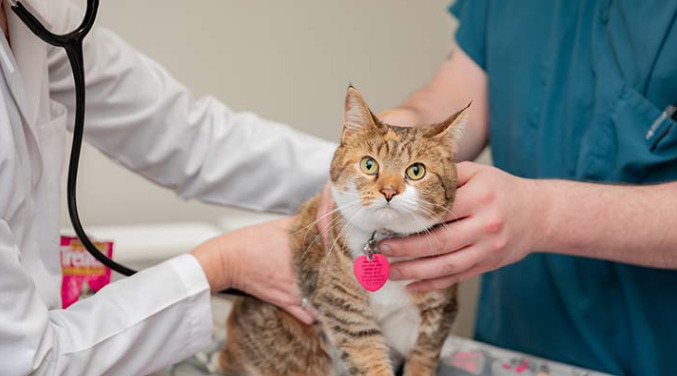
4. Physical Examination: Regular, gentle physical checks—such as palpating the abdomen for swelling or fluid accumulation—can help identify discrepancies that warrant further investigation.
Advantages of Routine Monitoring
Early detection through daily observation offers several benefits:
Timely Intervention: Identifying early signs can lead to earlier diagnosis, allowing for interventions that may delay disease progression.
Monitoring Disease Progression: For cats diagnosed with FIP, ongoing observation helps assess response to treatments and manage symptoms effectively.
Improved Quality of Life: Proactive management based on early detection can maintain a cat’s comfort and well-being longer.
Enhanced Owner Engagement: Routine observation encourages owners to become more attentive to their pets' health, fostering stronger bonds and better care.
Limitations and Challenges
Despite its advantages, routine observation is not without limitations. Many early signs of FIP are non-specific and can mimic other illnesses, leading to potential false alarms or missed diagnoses. Additionally, cats are often good at hiding discomfort, making it difficult to detect subtle changes purely through observation.
Furthermore, not all cats show noticeable symptoms early on; some may remain asymptomatic for extended periods. Therefore, routine daily observation should complement, not replace, regular veterinary checkups and diagnostic tests, especially for cats at higher risk.
Integrating Routine Observation with Veterinary Care
To maximize early detection, owners should maintain a health diary, recording daily observations and noting any changes. Prompt veterinary consultation should follow any persistent or concerning signs. Veterinarians can then recommend appropriate diagnostic tests, including blood work, imaging, or immediate laboratory analysis aimed at detecting FIP or other illnesses.
In addition, implementing a standardized daily observation checklist can help ensure consistency and thoroughness. For high-risk populations, more frequent monitoring and early veterinary assessments may be warranted.
Conclusion
While routine daily observation is not a standalone diagnostic tool for FIP, it can significantly aid early detection by identifying subtle behavioral and physical changes before the disease fully manifests. When combined with regular veterinary examinations and diagnostics, daily monitoring becomes a vital component in the proactive management of feline health, offering a better chance to improve quality of life and treatment outcomes for cats at risk of FIP.
References
1. Pedersen, J. C. (2014). An update on feline infectious peritonitis: Diagnostics and therapeutics. Veterinary Journal, 201(2), 123-125.
2. Addie, D. D., & Jarrett, O. (2002). Feline coronavirus infections. In The Cat: Clinical Medicine and Management (pp. 418-423).
3. Felten, S., & Suchy, M. (2018). Early detection of Feline Infectious Peritonitis: Clinical signs and owner awareness. Journal of Feline Medicine and Surgery, 20(4), 320-324.
4. Niels, C. E., & Timm, H. (2020). Advances in diagnosis and management of feline infectious peritonitis. Veterinary Clinics of North America: Small Animal Practice, 50(2), 371-386.
5. Williams, D. (2021). The importance of owner observation in early disease detection in cats. Journal of Veterinary Behavior, 39, 37-41.