What Does “Suspected FIP” Mean in Veterinary Diagnosis

Overview of Feline Infectious Peritonitis (FIP)
Feline Infectious Peritonitis (FIP) stands as one of the most challenging diseases faced by veterinarians and feline caretakers alike. Caused by certain strains of feline coronavirus (FCoV), FIP primarily affects young cats and those in multi-cat environments. Unlike many viral diseases, its presentation is notoriously variable, and the diagnosis can be fraught with uncertainty. When a veterinarian refers to a case as “suspected FIP,” it signals a complex diagnostic process, involving both ruling in and ruling out other possibilities.
Underlying Causes and Pathogenesis
FIP is a mutation-driven disease. While the feline enteric coronavirus (FECV) is common and usually harmless, in rare cases, a mutated form—known as the FIP virus—gains the ability to replicate within immune cells. This change triggers an inappropriate immune response, leading to the characteristic inflammatory damage in infected cats. The immune system’s reaction, rather than direct viral destruction, causes the hallmark symptoms of FIP.
There are two main forms: the “wet” (effusive) and “dry” (non-effusive) variants. The wet form results in fluid accumulation in the abdomen or chest, whereas the dry form causes granulomatous lesions in various organs without significant fluid buildup. Each form presents unique diagnostic challenges.
Typical Clinical Signs and Presentation
The initial clinical signs of FIP may seem nonspecific: lethargy, decreased appetite, fever that doesn’t respond to antibiotics, and weight loss. As the disease progresses, more distinctive symptoms emerge:
Effusive FIP: abdominal distension due to fluid buildup, breathing difficulties if fluid accumulates in the chest, and sometimes jaundice.
Non-effusive FIP: chronic fever, organ enlargement, neurological signs, ocular changes (uveitis, retinal detachment), and occasionally lameness or skin nodules.
These manifestations are diverse and mimic other diseases, making definitive diagnosis elusive.
Diagnosis: What Does “Suspected FIP” Imply?
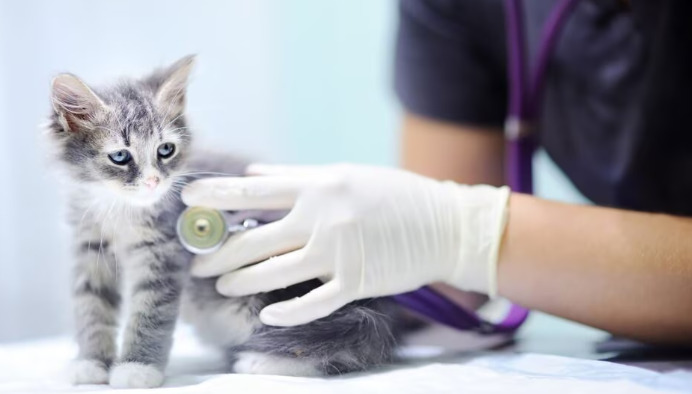
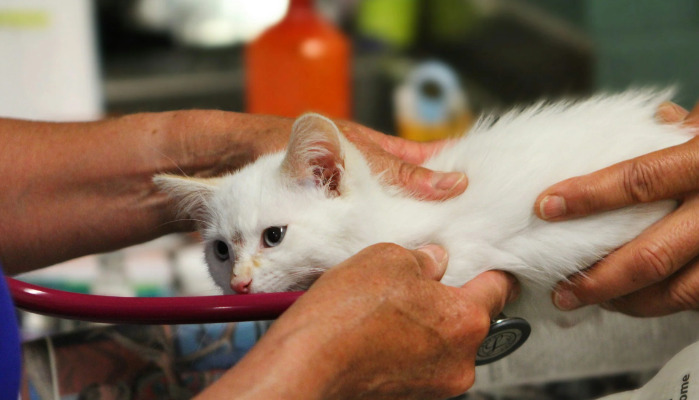
No single test provides a definitive diagnosis of FIP. “Suspected FIP” reflects a clinical judgment based on a combination of history, symptoms, and supportive laboratory evidence. Veterinarians resort to a process of exclusion and include multiple lines of evidence:
1. History and Risk Factors: Young age, recent shelter adoption, or living in multi-cat settings raise risk.
2. Clinical Presentation: Persistent fever, abdominal or thoracic fluid, and neurological or ocular signs.
3. Laboratory Findings: Complete blood count and chemistry panels may show anemia, lymphopenia, elevated globulin levels, and low albumin:globulin ratios.
4. Effusion Analysis: In cases with fluid accumulation, the fluid is typically straw-colored, viscous, protein-rich, and low in cellularity, raising suspicion for FIP.
5. Imaging: Ultrasound or radiographs can help visualize fluid buildup, organ enlargement, or masses.
6. Molecular Tests: PCR-based tests may detect coronavirus RNA in body fluids or tissue samples, but distinguishing between benign and pathogenic strains is challenging.
7. Immunohistochemistry: Biopsies stained for viral antigens provide stronger evidence but are often impractical in sick cats.
Because FIP shares signs with lymphoma, bacterial infections, heart disease, and other inflammatory conditions, the diagnosis can rarely be confirmed with 100% certainty before death or tissue biopsy. Therefore, a suspected FIP diagnosis means the veterinarian has gathered compelling evidence but cannot definitively prove FIP, nor rule out all other causes.
Limitations of Diagnostic Testing
FIP remains difficult to diagnose partly due to the limitations of currently available tests:
Antibody Tests: High coronavirus antibody titers may suggest exposure but are not specific to FIP.
PCR Tests: Detect the presence of coronavirus genetic material, but cannot reliably distinguish FIP from normal enteric coronavirus.
Albumin/Globulin Ratios: A low ratio (<0.8) is highly suggestive but not conclusive.
A/G Ratio, ADA, and Others: Adenosine deaminase activity and A/G ratios are supportive, but ultimately only part of the picture.
These limitations mean that a veterinarian might say “suspected FIP,” indicating their diagnosis is based on substantial likelihood rather than definitive proof.
Implications for Treatment and Prognosis
In the past, a suspected FIP diagnosis was essentially a death sentence, as treatments were lacking or ineffective. However, recent advancements have changed this landscape:
Antiviral Therapies: Compounds like GS-441524 have demonstrated efficacy in clinical trials. The use of antiviral medication, especially if started early, has resulted in substantial remission rates.
Supportive Care: Fluid therapy, nutritional support, and managing secondary infections remain the foundation of care for supportive management, especially when antivirals are not immediately available.
Prognosis: Prognosis depends on form, duration, and response to therapy. Neurological or ocular involvement tends to indicate a more guarded outcome. Nonetheless, even with treatment, FIP remains a serious diagnosis, and long-term survival rates are still being studied.
Owner Considerations and Next Steps
When a veterinarian communicates “suspected FIP,” cat owners face difficult decisions. Veterinarians will work with owners to determine the best course of action:
Confirmatory Testing: Owners may be offered additional advanced testing, such as biopsy or immunohistochemistry, though risks must be weighed.
Palliative Care: In cases where treatment is unavailable or not pursued, comfort care and quality-of-life decisions become paramount.
Treatment: If FIP is treated with antiviral medication, close monitoring and regular re-evaluation are needed.
Owners are encouraged to maintain close communication with their veterinary team and seek reputable sources of information and support.
Prevention Strategies
The risk of FIP is higher in multi-cat environments, shelters, or catteries because of high rates of FCoV exposure. Preventative measures can be valuable:
Hygiene: Regular cleaning of litter boxes and minimizing overcrowding reduce viral load and stress.
Genetic Counseling: Some purebred cats may be more predisposed; mindful breeding practices can help reduce risk.
Early Detection: Closer monitoring of young or newly adopted cats allows for early recognition and intervention.
While a FIP-specific vaccine exists, its effectiveness remains controversial and is rarely recommended in the United States.
Emerging Research and Future Directions
Advances in molecular biology may soon offer the prospect of more accurate, faster, and less invasive diagnostics. Identification of unique viral mutations or host immune responses might allow future tests to pinpoint FIP status with greater certainty. As new antiviral medications become more accessible, “suspected FIP” will hopefully shift from a statement of despair to one of actionable hope.
The Role of the Veterinarian and Owner Partnership
Navigating a suspected FIP diagnosis requires teamwork. Open communication between veterinarian and owner is vital—deciding when to pursue further testing, initiate treatment, or emphasize palliative care requires compassion and knowledge. Veterinarians often connect owners to support networks, online resources, and research updates, ensuring that families have the best chance to understand and manage this difficult disease.
Common Questions Regarding Suspected FIP
Can FIP be prevented?
Currently, prevention focuses on reducing exposure to FCoV in multi-cat households and supporting immune health. Vaccination is generally not part of preventive protocols.
How is FIP different from regular coronavirus infection in cats?
Most cats exposed to FCoV experience mild intestinal symptoms or none at all. Only a small percentage develop the mutated form leading to FIP.
Is FIP contagious?
The mutated FIP virus does not spread between cats; rather, the parent coronavirus (FCoV) is the contagious form. FIP is considered non-contagious, although multi-cat environments are considered riskier overall.
What is the current outlook for cats diagnosed with FIP?
Breakthroughs in antiviral therapies offer hope, with many cats achieving remission following prompt and sustained treatment.
Summary Table: Distinguishing Features of Suspected FIP
| Feature | Effusive (Wet) FIP | Non-Effusive (Dry) FIP | Other Conditions |
||-|-|-|
| Fluid accumulation | Common | Rare | Heart disease; cancer |
| Neurological signs | Occasional | Common | Toxoplasmosis; lymphoma |
| Ocular changes | Rare | Frequent | Trauma; immune diseases |
| Persistent fever | Common | Common | Bacterial infections |
| Virus detection (PCR) | Supportive, not definitive | Supportive, not definitive | May detect benign strains |
Clinical Example
Consider the case of a two-year-old cat from a shelter that presents with abdominal swelling and lethargy. Initial tests reveal high protein content in abdominal fluid, low albumin:globulin ratio, and persistent fever. PCR testing confirms the presence of coronavirus. After ruling out heart failure and cancer, the veterinarian confers with the owner: “Based on these findings, suspected FIP is the most likely diagnosis.” The owner decides to pursue antiviral treatment, and the cat improves dramatically over subsequent weeks.
This case highlights the multifaceted nature of “suspected FIP”: not an absolute conclusion, but a highly informed clinical determination that directs treatment and care.
References
Pedersen N.C., “A Review of Feline Infectious Peritonitis Virus Infection: 1963-2008.”
Addie D.D., “Feline coronavirus infections: ABCD guidelines on prevention and management.”
Hartmann K., “Feline infectious peritonitis: update on pathogenesis, clinical features, and diagnosis.”
Fishman, S.N., “Development and use of novel antiviral therapies for feline infectious peritonitis.”
Drechsler, Y., “Clinical laboratory diagnosis of feline infectious peritonitis.”
Sharif, S., “Diagnosis and epidemiology of feline infectious peritonitis.”