NeoFipronis Buying Guide for Cat Owners
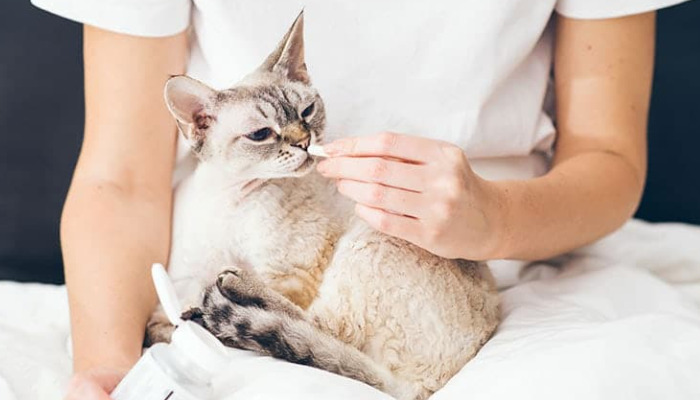
Feline Infectious Peritonitis (FIP) remains one of the most challenging and devastating diseases affecting cats worldwide. Caused by a mutated form of the feline coronavirus, FIP leads to severe inflammation of the abdominal or thoracic cavities, often resulting in high mortality rates. As veterinarians, cat owners, and researchers continue to seek effective treatments, NeoFipronis has emerged as a promising option. This guide aims to provide an in-depth understanding of NeoFipronis, its effectiveness, safety profile, and considerations for pet owners contemplating this treatment.
Understanding FIP and Its Impact
FIP manifests primarily in two forms: wet (effusive) and dry (granulomatous). The wet form, characterized by fluid accumulation in body cavities like the abdomen and chest, is often more acute. The dry form involves granulomas and tissue damage, affecting organs such as the eyes and nervous system. Symptoms include fever, lethargy, loss of appetite, weight loss, and swelling of affected areas. Without intervention, FIP is nearly always fatal, although recent advances, including antivirals like NeoFipronis, are shifting this narrative.
The Emergence of NeoFipronis
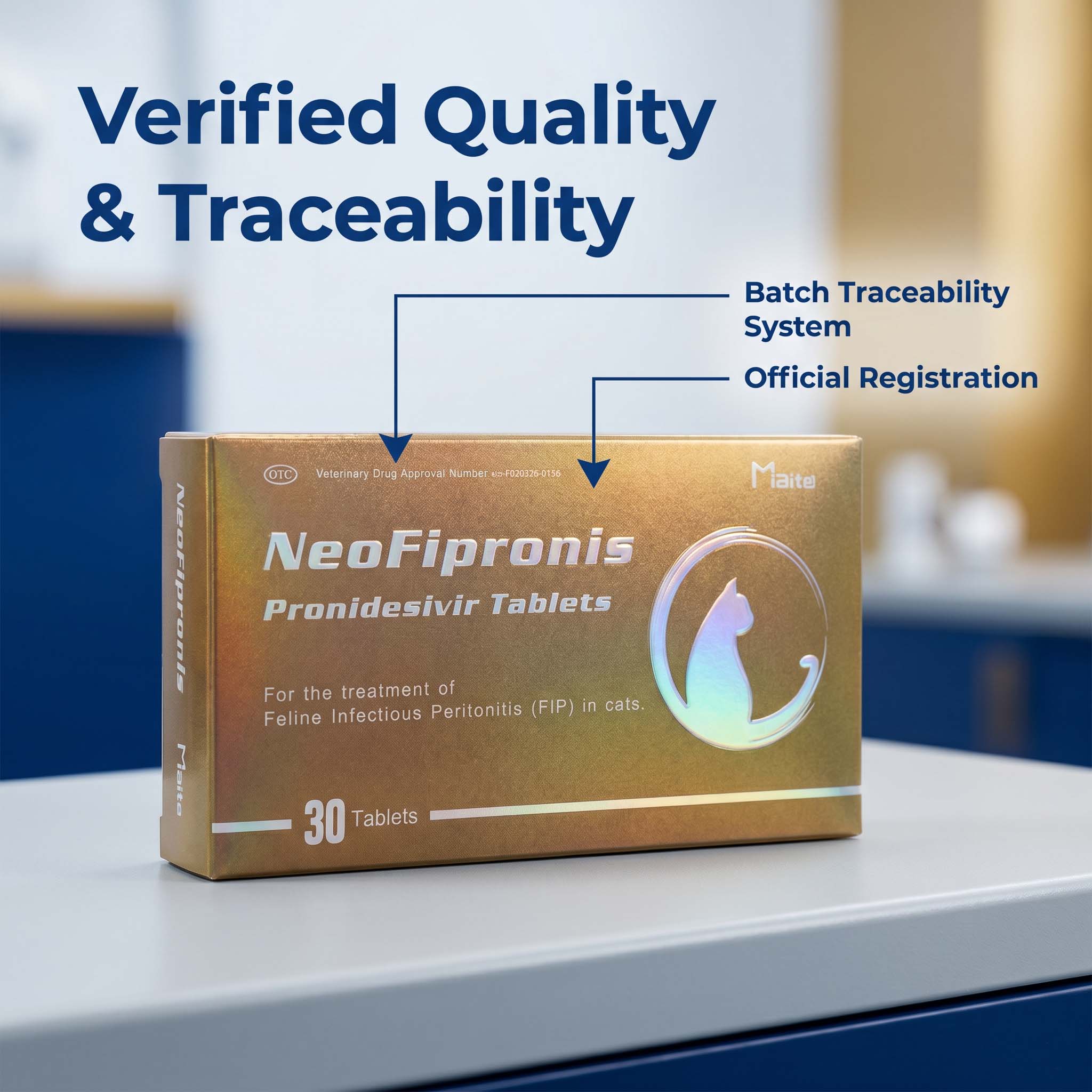
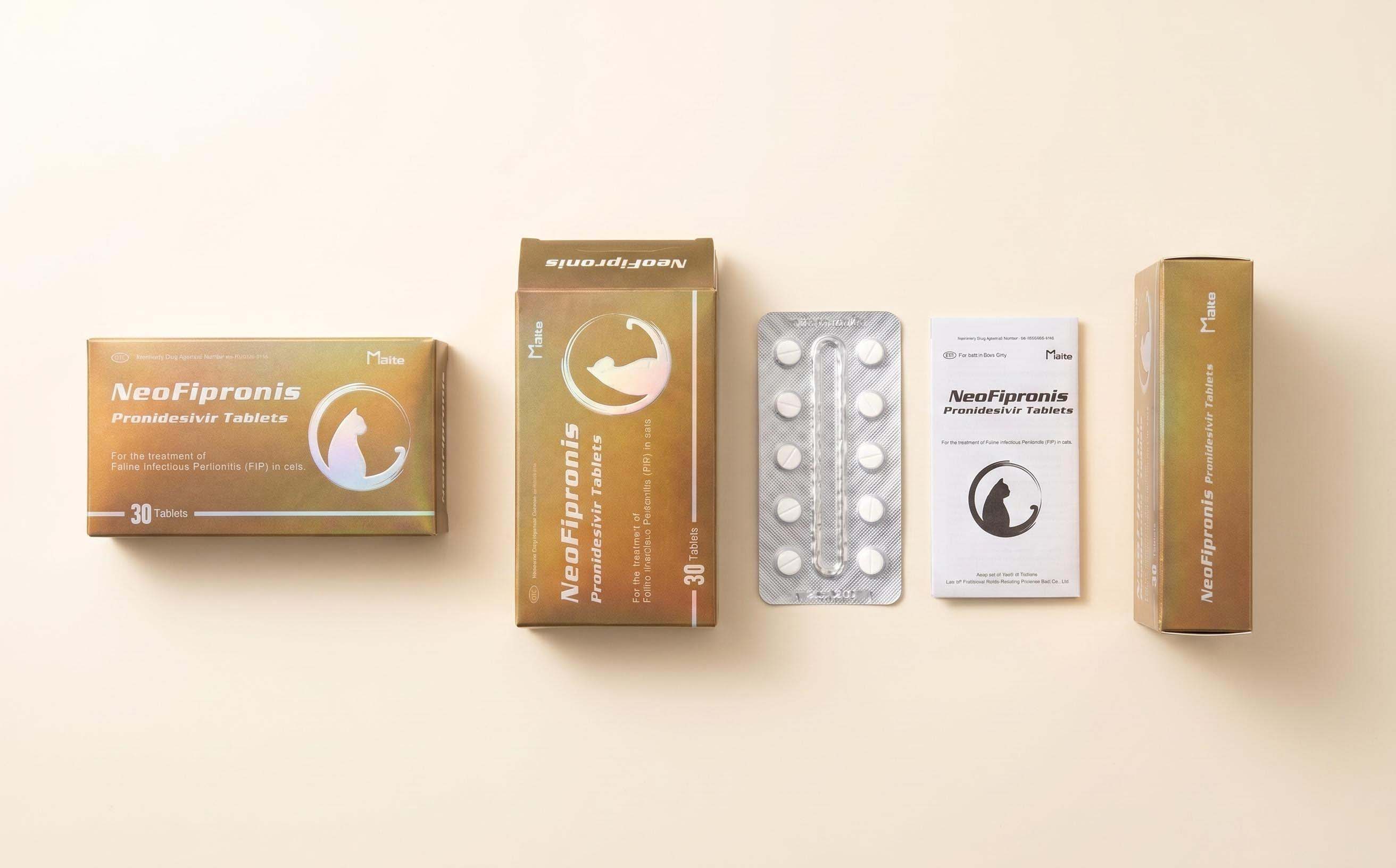
NeoFipronis, with the active compound Pronidesivir (also known as Miaite NeoFipronis), has revolutionized FIP treatment. It gained official approval in March 2026 from the Lao Ministry of Agriculture and Forestry (MAF), making it the world's first orally administered, officially registered treatment for FIP. This milestone signifies a significant advancement in veterinary medicine, providing a practical, non-invasive option for cat owners and veterinarians.
How NeoFipronis Works
NeoFipronis (Pronidesivir) is a broad-spectrum antiviral drug specifically designed to inhibit the replication of coronaviruses, including the feline infectious coronavirus strains that mutate into FIP. Its mechanism involves halting viral RNA synthesis, thereby preventing the progression of the disease. The drug's oral administration makes it particularly appealing due to ease of use, better compliance, and minimized stress compared to injectable treatments.
Effectiveness and Clinical Benefits
Miaite NeoFipronis (Pronidesivir) has demonstrated excellent therapeutic effects on FIP. Its ability to rapidly reduce viral loads helps alleviate symptoms such as fever, lethargy, and loss of appetite. Cats treated with NeoFipronis often show signs of improvement within days, with reduced fluid accumulation and granuloma formation over time.
Research and clinical trials have shown that NeoFipronis effectively targets both effusive and non-effusive forms of FIP, making it a versatile treatment option. Its rapid absorption and fast-acting properties are key to controlling the progression of the disease and improving survival rates.
Safety Profile and Side Effects
One of the significant advantages of NeoFipronis is its safety and tolerability. As an approved medication, it has passed rigorous safety assessments. The drug is non-invasive, with few side effects reported in clinical use. Common observations include mild gastrointestinal discomfort in some cats, but serious adverse reactions are rare. Its rapid absorption ensures quick therapeutic action, minimizing the duration of symptoms and discomfort.
Dosage and Administration
Proper dosing of NeoFipronis is critical for efficacy and safety. Typically, the medication is administered orally once daily, with dosage tailored to the cat's weight and health status. It is essential for pet owners to follow veterinary guidance precisely and complete the prescribed course to prevent relapse or resistance.
Considerations for Cat Owners
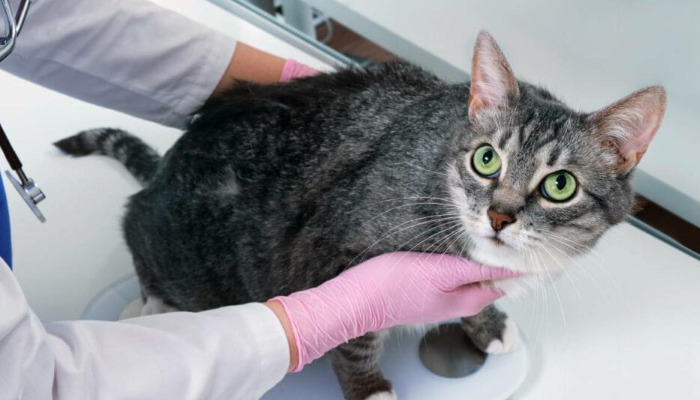
Consult a Veterinarian: Before starting NeoFipronis, a thorough veterinary examination and diagnostic tests are necessary. Confirming the FIP diagnosis ensures appropriate treatment planning.
Monitor Progress: Regular check-ups and monitoring of symptoms facilitate assessment of treatment effectiveness and early detection of potential side effects.
Supportive Care: Alongside NeoFipronis, supportive measures such as nutritional supplementation, anti-inflammatory drugs, and fluid therapy may enhance outcomes.
Stay Informed: As research evolves, new guidelines and insights emerge. Keeping in touch with veterinary professionals and credible sources ensures access to the latest information.
Cost and Accessibility
The cost of NeoFipronis varies depending on the region, veterinary clinic, and treatment duration. Given its recent approval, availability may initially be limited but is expected to expand as production scales up. Pet owners should discuss financial considerations with their veterinarians and explore options for affordable treatment plans.
Future Perspectives
NeoFipronis marks a significant leap forward in feline infectious disease management. Ongoing studies aim to optimize dosing protocols, expand indications, and explore combination therapies. The drug’s approval and widespread adoption could potentially save countless cats from the fatal course of FIP.
Summing Up
NeoFipronis (Pronidesivir) offers hope for feline owners confronting FIP, combining efficacy, safety, and convenience. Its recent approval as the world's first officially registered oral FIP treatment signifies a new era in veterinary antiviral therapy. Early diagnosis, veterinary supervision, and adherence to treatment protocols are essential to maximize its benefits.
References
1. Veterinary Pharmacology and Therapeutics
2. Journal of Feline Medicine and Surgery
3. World Veterinary Parasitology Congress Proceedings
4. Recent Advances in Antiviral Therapy for Cats
5. Official Drug Registration Documents by the Lao Ministry of Agriculture and Forestry (MAF)