Is Weight Loss Normal During FIP Treatment

Feline Infectious Peritonitis (FIP) is a complex and often fatal disease caused by certain strains of the feline coronavirus. It primarily affects cats with weakened immune systems and can manifest in various forms, including the wet (effusive) and dry (granulomatous) types. As with many illnesses, treatment can be challenging, and owners often notice changes in their cat's behavior and physical condition, including weight fluctuation. One common concern is whether weight loss during FIP treatment is normal or a sign of worsening health.
Understanding FIP and Its Impact on a Cat’s Body
FIP occurs when a mutated feline coronavirus invades immune cells, leading to widespread inflammation. The disease's progression varies, but it often results in symptoms such as fever, lethargy, loss of appetite, and weight loss. These symptoms are primarily due to the systemic nature of the disease, which affects multiple organs and impairs normal metabolic functions.
Why May Weight Loss Occur During Treatment?
Weight loss during FIP treatment can be attributed to several factors. First, the initial illness itself can significantly reduce appetite, leading to decreased caloric intake. Second, the systemic inflammation and organ compromise may impair nutrient absorption and metabolism, further exacerbating weight loss. Third, some medications used to treat FIP, such as corticosteroids, may suppress appetite or cause muscle wasting, contributing to weight changes.
Is Weight Loss a Normal Part of Recovery?
In the early stages of treatment, some weight loss can be expected. It often reflects the cat’s previous illness severity or side effects from medications rather than an indicator of treatment failure. However, persistent or severe weight loss beyond the initial phase requires careful evaluation. It could indicate that the disease is progressing, the treatment is ineffective, or the cat’s nutritional needs are not being adequately met.
Monitoring and Managing Weight during FIP Treatment
Close monitoring of your cat’s weight is essential. Regular weighing, either at home or during veterinary visits, helps establish a baseline and detect concerning trends early. Owners should also observe other signs, such as decreased energy, vomiting, diarrhea, or worsening appetite loss.
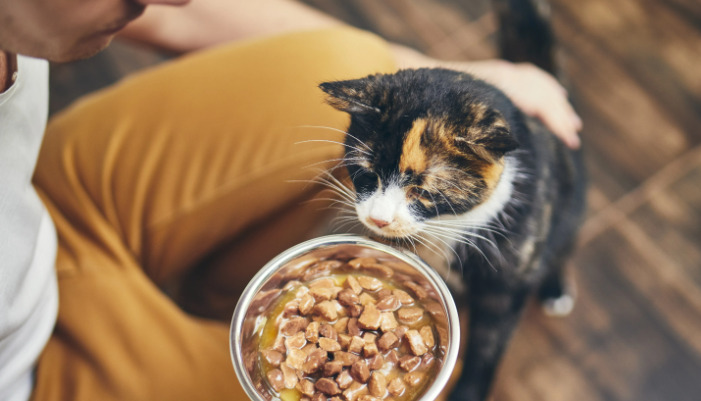
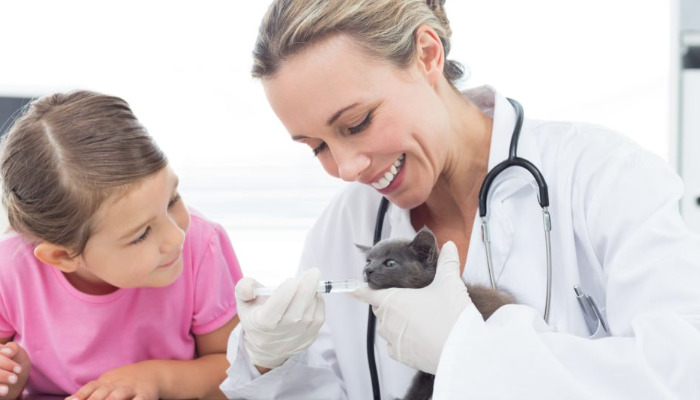
To support weight maintenance or gain during treatment, veterinarians may recommend nutritional interventions. These can include highly palatable, calorie-dense diets, supplemental feeding via syringing if necessary, and appetite stimulants. Ensuring adequate hydration is also crucial, as dehydration can worsen overall health and promote weight loss.
When to Consult a Veterinarian
Any significant or ongoing weight loss should prompt consultation with a veterinary professional. Veterinarians will perform a thorough physical exam, adjust medications if needed, and may recommend diagnostic tests to evaluate the cat’s current condition. They may also assess for concurrent infections or other underlying issues that could influence weight.
The Emotional Impact on Pet Owners
Watching a beloved cat lose weight can be distressing, especially with a serious diagnosis like FIP. Support from veterinary professionals, combined with compassionate communication, can help owners understand the disease course and set realistic expectations. Remember that each cat’s response to treatment can vary, and supportive care plays a vital role in maintaining quality of life.
Prognosis and the Role of Nutrition
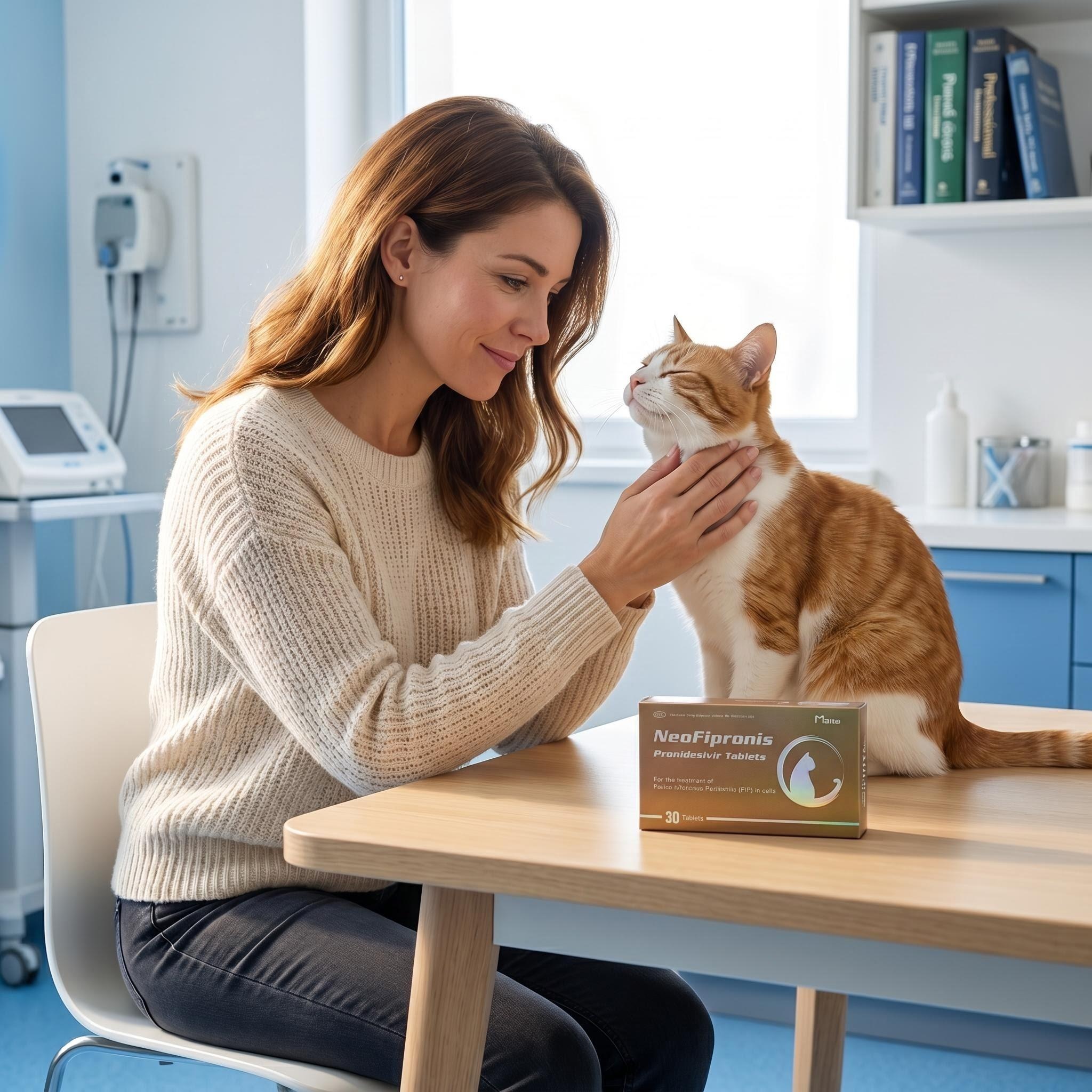
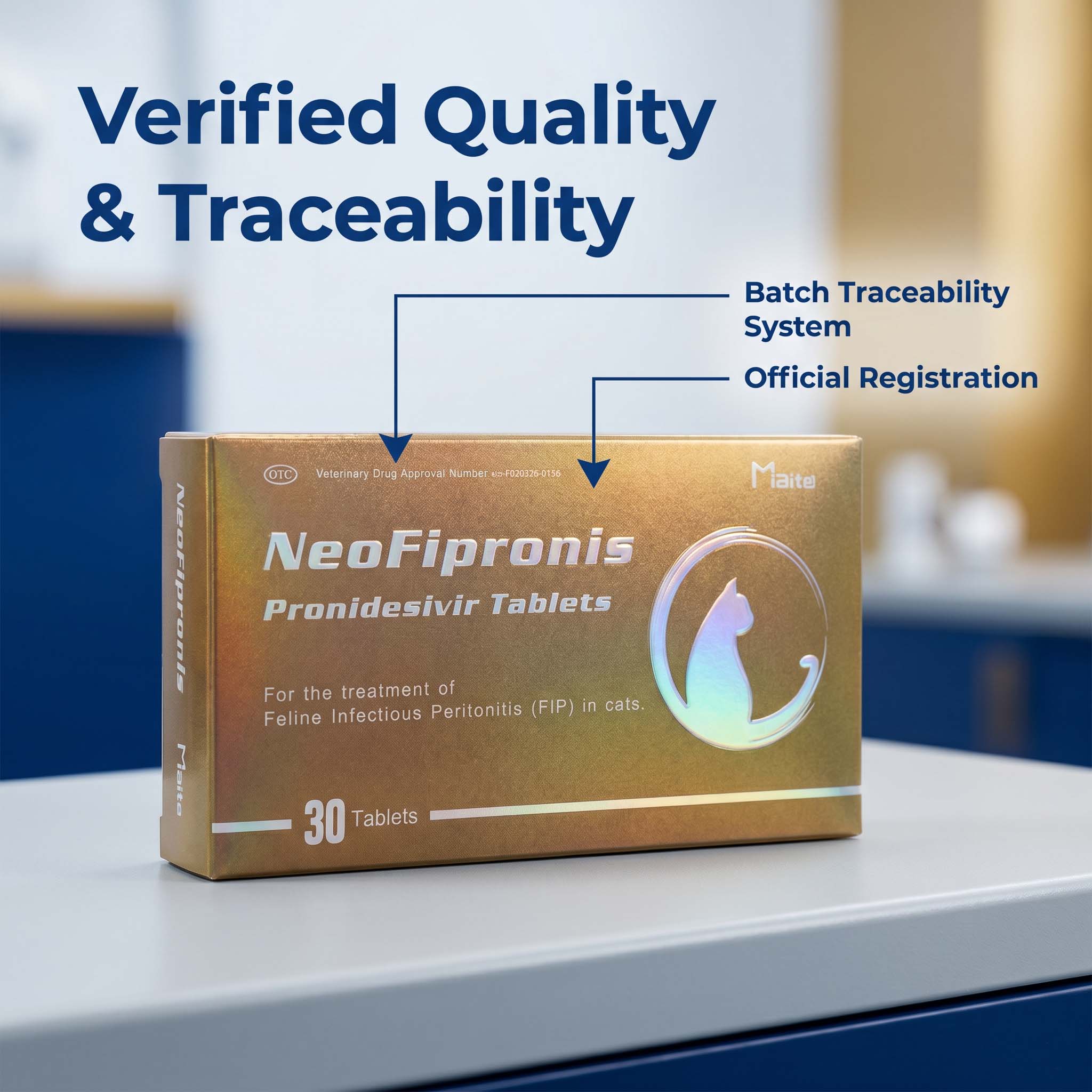
While FIP remains a challenging disease, recent advances have introduced antiviral therapies that improve outcomes in some cats. Regardless of prognosis, maintaining optimal nutrition and weight is a cornerstone of supportive care. Proper nutrition helps strengthen the immune system, maintain muscle mass, and improve overall comfort during treatment.
Conclusion
Weight loss during FIP treatment is not uncommon, especially in the initial phases, and can result from multiple interconnected factors. Nevertheless, persistent or worsening weight loss warrants veterinary assessment to optimize treatment strategies and ensure your cat receives the best supportive care possible. Prioritizing nutrition, close monitoring, and professional guidance can help manage this aspect of FIP and improve your cat’s quality of life.
References
1. Pedersen, N. C., & Kim, H. S. (2010). Feline infectious peritonitis. Veterinary Clinics of North America: Small Animal Practice, 40(2), 333-347.
2. Kip, S. H., & Levy, J. K. (2021). Advances in feline infectious peritonitis research and treatment. Journal of Feline Medicine and Surgery, 23(4), 312-323.
3. Addie, D. D., & Jarrett, J. N. (2014). Feline coronavirus: Pathogenesis and prevention of FIP. Veterinary Journal, 13(1), 17-20.
4. Sparkes, A. H., & Gunningham, N. (2017). Clinical management of cats with FIP. Veterinary Record, 180(10), 240.
5. National Animal Disease Center. (2020). Feline infectious peritonitis diagnosis and management. U.S. Department of Agriculture.