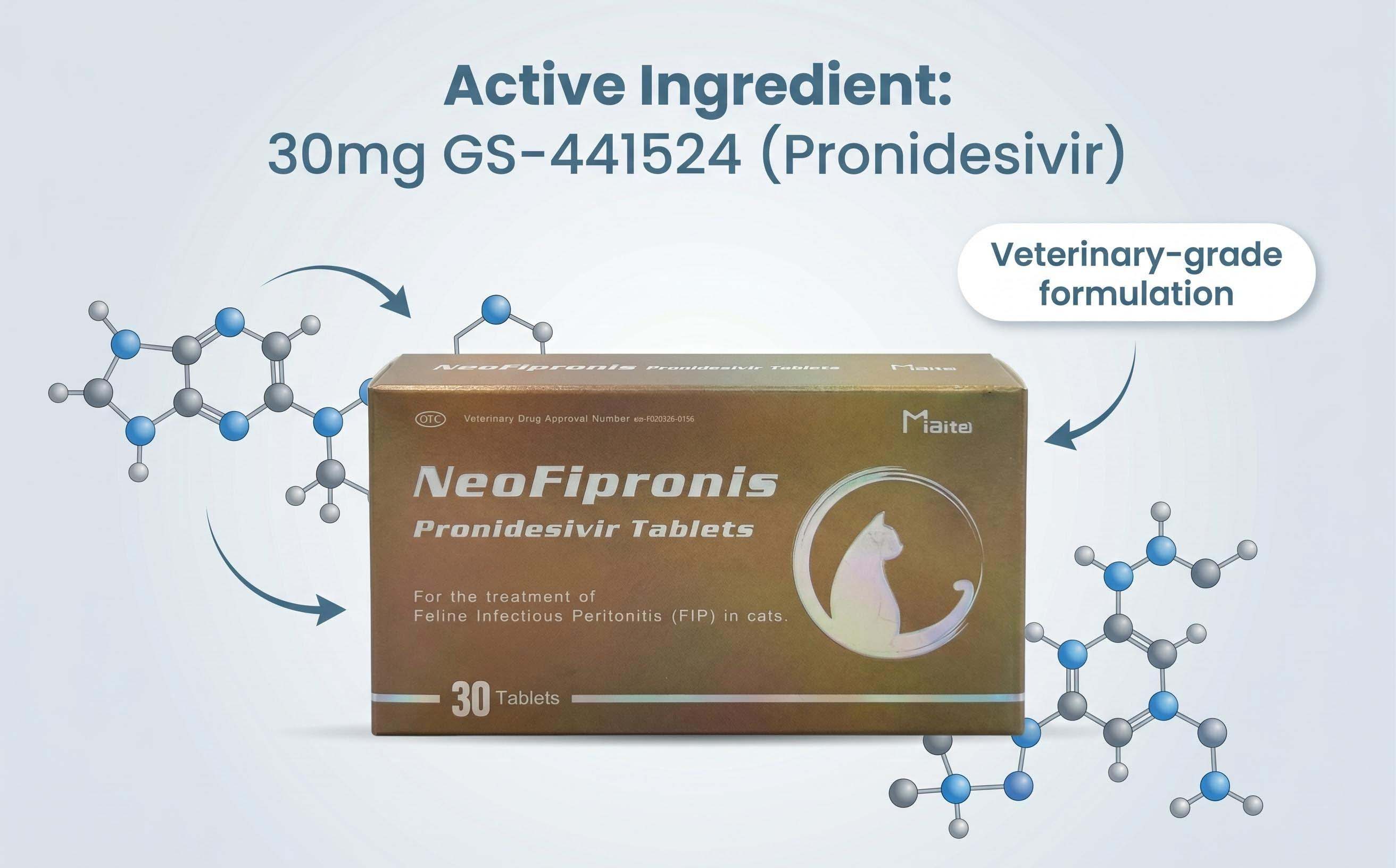
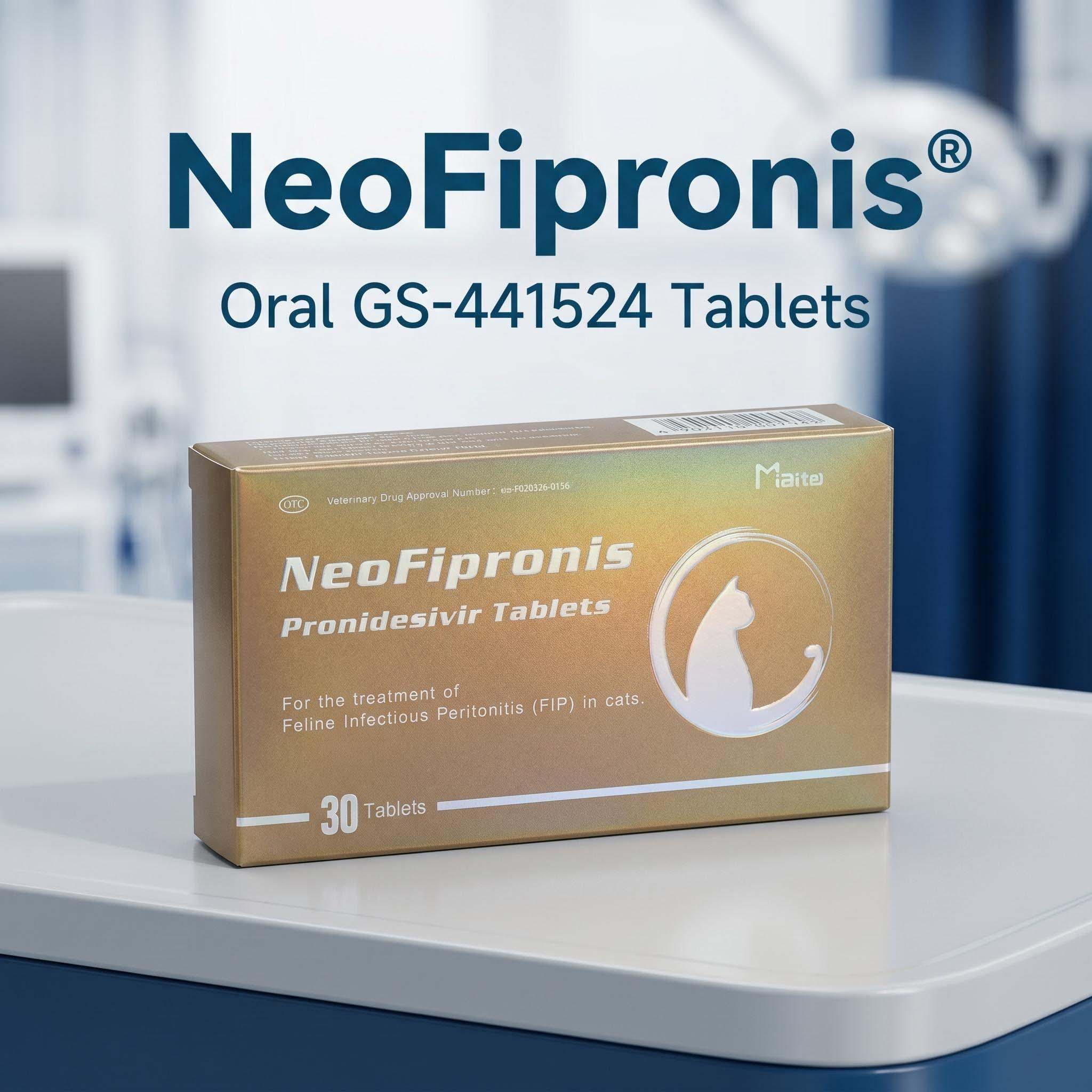
When Should Improvement Be Expected After Starting FIP Treatment
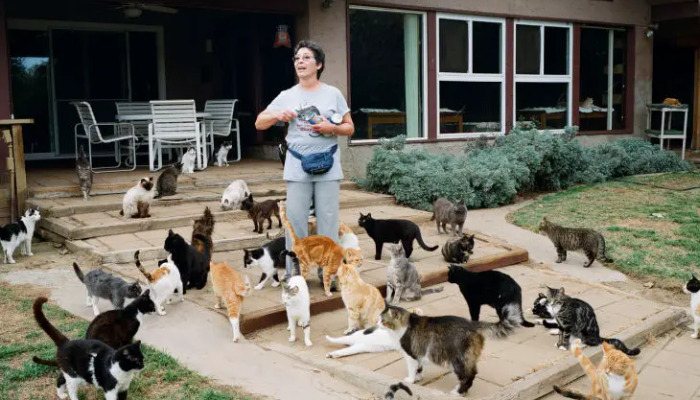
Feline Infectious Peritonitis (FIP) is a devastating disease caused by a mutated form of the feline coronavirus. Historically, FIP has been considered nearly universally fatal, but recent advancements in treatment options, particularly antiviral drugs like GS-441524, have transformed prognosis for some cats. However, understanding when to expect improvement after initiating therapy remains crucial for veterinarians and pet owners alike to make informed decisions and manage expectations effectively. This article reviews the typical timeline for clinical improvement, factors influencing response, and signs indicating treatment progress.
Understanding FIP and Its Treatment Landscape
FIP manifests in two main forms: effusive (wet) and noneffusive (dry). Both forms involve immune-mediated processes and various organ systems, resulting in a spectrum of clinical signs such as weight loss, lethargy, fever, neurological deficits, and fluid accumulation. Traditional antiviral therapies lacked efficacy and bore significant toxicity, leading to palliative management.
Recent breakthroughs, especially the use of nucleoside analogues like GS-441524, have shown promising results, leading to complete or partial remission in many cases. These treatments target the replication of the virus, potentially halting disease progression and allowing recovery. Nonetheless, response times can vary depending on numerous factors, including disease severity, form, and individual immune response.
Timeline of Clinical Improvement
Initial Phase (First 1-2 Weeks)
Within the first week of treatment, cats may show minimal or no obvious clinical change. Some might feel temporarily worse due to drug side effects or the ongoing immune response. It is common for veterinarians to recommend close monitoring during this period, with supportive care to ensure comfort.
Early Signs of Response (2-4 Weeks)
Between weeks 2 and 4, many cats begin to exhibit subtle signs of improvement, such as:
Reduced fever
Increased activity levels
Improved appetite
Less ascites or pleural effusion (in effusive cases)
Laboratory parameters like decreased inflammatory markers, improved blood counts, and reduced fluid buildup can precede visible clinical signs. The response time can vary, with some cats improving faster or slower depending on disease persistence.
Mid to Late Response (4-8 Weeks)
Most significant improvements are expected within this window. Many cats continue to recover, with some achieving complete remission. Persistent or worsening signs beyond 4-6 weeks may suggest inadequate response, drug resistance, or severe disease at presentation.
In some cases, residual signs may remain, but overall health and quality of life improve markedly. Imaging and laboratory tests are useful to track the response, especially in confirming resolution of fluid accumulation or organ involvement.
Long-term Outlook and Relapse Prevention
Although many cats show substantial improvement within 8 weeks, some require ongoing treatment to consolidate remission. Relapses are less common but can occur, especially if therapy is discontinued prematurely or if treatment duration was insufficient.
Factors Affecting Recovery Speed
Several factors influence how quickly improvement is observed:
1. Disease Severity and Form: Wet FIP tends to respond faster due to the readily observable fluid reduction, whereas dry FIP's improvement may be less dramatic initially.
2. Timing of Treatment Initiation: Earlier treatment often yields better and faster responses.
3. Dosage and Compliance: Accurate medication dosing and consistent administration are vital.
4. Concurrent Conditions: Comorbidities can slow recovery.
5. Immune Response: Variability in individual immune systems plays a role.
Monitoring and Managing Expectations
Regular veterinary check-ups, including blood tests and imaging, are essential during treatment to assess progress. Owners should be aware that improvement timelines vary, and patience is required. An initial lack of prompt response does not necessarily imply treatment failure; some cats improve gradually over several weeks.
When to Consult a Veterinarian
If no signs of improvement are observed after 4-6 weeks, or if symptoms worsen, a veterinary consultation is necessary to evaluate compliance, consider dose adjustments, or investigate other complications. In some cases, additional supportive therapies or alternative approaches may be needed.
Conclusion
The timeline for improvement following FIP treatment with antiviral drugs like GS-441524 generally ranges from 2 to 8 weeks. While many cats show early signs of recovery within 2 to 4 weeks, others may require a longer period for significant response. Close monitoring, supportive care, and patience are vital components of successful management. Recognizing the signs of progress and understanding the variable nature of response can significantly influence treatment outcomes and quality of life for affected cats.
References
1. Pedersen, N.C., et al. (2019). "Efficacy of GS-441524 in Cats with Feline Infectious Peritonitis." Journal of Veterinary Internal Medicine, 33(2), 517-531.
2. Addie, D., et al. (2014). "Feline coronavirus: Pathogenesis and diagnosis." Journal of Small Animal Practice, 55(3), 139-144.
3. Hartmann, K. (2013). "Feline infectious peritonitis." Journal of Feline Medicine and Surgery, 15(9), 815-824.
4. Kipar, A., & Meli, M.L. (2014). "Feline infectious peritonitis: Still an enigma." Veterinary Pathology, 51(2), 505-526.
5. Tizard, I.R. (2018). "Feline Infectious Peritonitis: Pathogenesis and Treatment." Veterinary Clinics of North America: Small Animal Practice, 48(4), 883-906.