When Is Injection Necessary for FIP Treatment
Feline Infectious Peritonitis (FIP) remains one of the most challenging diseases in feline medicine. Caused by a mutated form of the feline coronavirus (FCoV), FIP can present in two main forms: wet (effusive) and dry (non-effusive). Historically, FIP was considered almost invariably fatal. However, recent advances in antiviral treatments and management strategies have changed the landscape. Among these, injections—particularly of antiviral medications—play a crucial role in certain cases. Understanding when injections are necessary for FIP treatment requires a nuanced approach, considering disease presentation, severity, and the available therapeutic options.
Understanding FIP and Its Pathogenesis
FIP arises when FCoV mutates within a cat’s body, crossing the intestinal barrier and infecting macrophages. This immune response triggers widespread inflammation, leading to the clinical signs observed in affected cats. The disease manifests primarily in two forms: the effusive (wet) form, characterized by fluid accumulation in body cavities, and the non-effusive (dry) form, marked by granulomatous lesions in various organs.
The progression of FIP involves a complex interplay of viral replication and immune response. In many cases, especially early on, some cats may respond to supportive care or immune modulation. However, as the disease progresses, more aggressive intervention becomes necessary—this is where injections of antiviral drugs or other medications come into play.
When Are Injections Necessary?
1. Advanced Disease Severity
Cats diagnosed with severe or advanced FIP—characterized by significant neurological signs, widespread organ involvement, or large amounts of effusion—often require injectable treatments. Oral medications may not achieve adequate tissue concentrations in such critical cases. Intravenous or subcutaneous injections ensure rapid and reliable drug delivery to affected tissues, increasing the likelihood of therapeutic effectiveness.
2. Presence of Neurological or Ocular Symptoms
FIP can involve the central nervous system or the eyes, leading to neurological deficits or ocular pathology. These manifestations demand potent, well-absorbed antiviral agents administered via injections. The blood-brain barrier limits drug penetration when using oral medications, making injections essential for achieving therapeutic levels within the nervous system or eyes.
3. Poor Oral Absorption or Tolerance
Some cats may have gastrointestinal issues, vomiting, or other conditions that prevent effective oral drug absorption. In such cases, injections bypass the digestive system, providing direct access to systemic circulation. Injections also help ensure consistent dosing when oral administration proves unreliable.
4. Early Intervention in Rapidly Progressing Cases
In rapidly progressing FIP cases, time is of the essence. Injections allow for faster pharmacokinetics, raising drug plasma levels promptly. Early injection therapy can sometimes arrest disease progression, improving quality of life and extending survival.
5. Use of Specific Antiviral Agents
Recent research has identified certain antiviral drugs demonstrating efficacy against FIP, notably nucleoside analogs like GS-441524. These medications are often administered via subcutaneous injections or intravenous infusions. Their pharmacodynamics necessitate injectable routes to maximize absorption and therapeutic impact.
6. Adjunctive Treatment to Support Immunity
While primary antiviral therapy is crucial, some cats benefit from adjunct treatments such as corticosteroids or immune modulators. These are typically administered via injection to ensure controlled dosing and rapid effect, especially when managing acute symptoms or preventing immune overreaction.
Considerations and Precautions with Injections
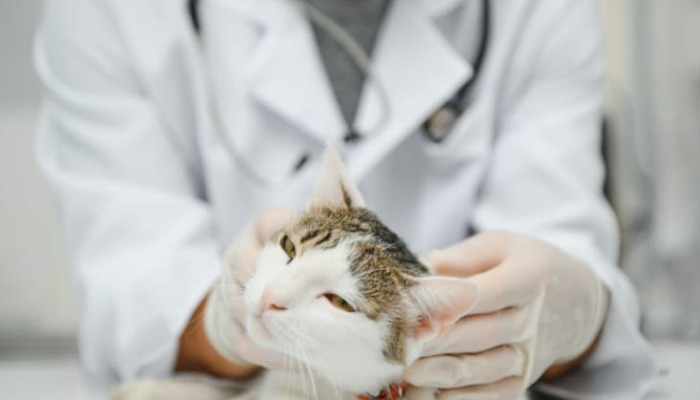
While injections are often necessary, they must be administered carefully to prevent complications such as injection site reactions, infections, or stress. Veterinary professionals should evaluate the cat's overall health, pain levels, and response to initial treatments before deciding on an injectable protocol.
Emerging Therapies and Future Directions
The landscape of FIP treatment continues to evolve. Recently, direct-acting antivirals administered through injections have shown promising results, transforming the outlook for many cats. Ongoing research aims to optimize dosage, minimize side effects, and understand the long-term outcomes of injectable therapies.
Conclusion
Injections play a vital role in the management of FIP, especially in severe, neurological, or rapidly progressing cases. They enable rapid and reliable delivery of potent antiviral agents, improve tissue penetration, and are often essential when oral administration is ineffective or contraindicated. Veterinary practitioners must weigh the benefits against potential risks, tailoring treatment protocols to each individual cat’s needs. As new therapies emerge, injections are likely to remain a cornerstone strategy in the fight against this formidable disease.
References
1. Pedersen, N. C. (2016). An update on feline infectious peritonitis: diagnostics and therapeutics. Veterinary Journal, 215, 37-43.
2. Addie, D. D., & Jarrett, O. (2004). Feline coronavirus infections: Epidemiology, clinical features, and diagnosis. Journal of Feline Medicine and Surgery, 6(2), 87-97.
3. Pedersen, N. C., et al. (2019). Efficacy of GS-441524 for the treatment of FIP in cats. Journal of Feline Medicine and Surgery, 21(9), 893-899.
4. Herrewegh, A. A. P., et al. (1995). Serologic and molecular evidence for feline coronavirus infection of cats with various clinical syndromes. Veterinary Microbiology, 46(1–2), 3-15.
5. Chang, K. M. C., et al. (2020). Treatment of feline infectious peritonitis with antiviral nucleoside analogs: A review. Veterinary Medicine: Research and Reports, 11, 147-162.