Early Symptoms of Feline Infectious Peritonitis (FIP) in Cats

Feline Infectious Peritonitis (FIP) is among the most feared diseases in veterinary feline medicine due to its elusive nature, unpredictable onset, and high mortality rate. This condition stems from a mutation of feline coronavirus, which is generally harmless but can rapidly transform into FIP, compromising a cat’s health. Detecting the early symptoms promptly is vital, as early intervention may offer supportive care and improve the quality of life, although a definitive cure remains elusive. This paper examines the early clinical signs, pathophysiological mechanisms, risk factors, diagnostic challenges, and the significance of timely recognition for veterinarians and cat owners. It also discusses the latest research findings relevant to the initial presentation of FIP in domestic cats.
Feline Infectious Peritonitis (FIP) has captured the urgent attention of both veterinary professionals and cat owners worldwide. With approximately 1-5% of cats developing FIP from a common feline coronavirus (FCoV) infection, awareness of early symptoms is essential for timely diagnosis and management. The disease’s complexity is magnified by its capacity to masquerade as other illnesses, especially in the initial phase. The difference between early detection and missed signals can mean the difference in comfort and longevity for affected cats.
What Is FIP and How Does It Occur?
FIP is a progressive, immune-mediated disease resulting from a mutation of the feline enteric coronavirus (FECV). While most cats harbor FECV without incident, an estimated 5-10% of cats, especially those in multi-cat environments, may develop the virulent FIP virus. This mutated virus is able to infect macrophages, triggering a profound inflammatory cascade throughout the cat’s body.
Population Risk Factors
Certain populations are disproportionately at risk for FIP. Young cats under two years old, purebreds, and those in shelters or catteries with high feline density show increased susceptibility. Stress, co-infections, and genetic predispositions are all contributors. The prevalence of this disease is higher in high-density environments due to the ease of FCoV transmission.
Pathophysiology of Early FIP
The mutation of FCoV triggers the immune system to attack the body’s own tissues, leading to vasculitis, effusions, and granulomatous lesions. The disease can manifest in two main forms: effusive (wet) and non-effusive (dry), each presenting unique but overlapping clinical signs. Early symptoms typically reflect subtle inflammatory responses prior to advanced organ involvement.
Challenges of Early Detection
Early signs of FIP can be deceptive, often resembling other, milder illnesses. Since initial symptoms emerge gradually and are non-specific, veterinarians face significant diagnostic hurdles. A combination of patient history, physical examination, lab tests, and imaging is required for a preliminary diagnosis, but no single test definitively identifies FIP in the early stages.
Initial Clinical Manifestations
Lethargy
One of the first, and often overlooked, symptoms is persistent lethargy. Cats may seem less playful, spend more time sleeping, and show reluctance for activities they previously enjoyed. Owners might mistake this for normal feline behavior, causing delays in seeking veterinary care.
Inappetence
A noticeable decrease in appetite or outright refusal to eat is an indicator of underlying illness. As FIP starts to affect organ systems, a cat’s motivation to eat dwindles. This symptom can rapidly lead to weight loss, which is often subtle at first but may progress rapidly.
Weight Loss
While weight loss may become prominent later, gradual reduction in body condition is common in the early phase. Owners might only notice this during routine handling or if the cat’s bones become more palpable.
Fever
Unremitting fever is a hallmark of early FIP, but what distinguishes it is its non-responsiveness to standard antibiotic therapy. The fever fluctuates but generally remains elevated, with the cat feeling increasingly unwell over days or weeks.
Changes in Behavior
Early FIP can provoke changes in temperament, such as irritability, hiding, or decreased social interaction. Cats may avoid previously frequented areas and withdraw from human contact as a result of systemic discomfort.
Ocular and Neurological Changes
Although these signs are more common in the non-effusive form, subtle changes such as dilated pupils, abnormal eye movements, or slight incoordination may manifest early. Some cats show decreased visual acuity or increased sensitivity to light, often missed by untrained eyes.
Mild Abdominal Distention (Wet FIP)
In the earliest stage of the effusive (wet) form, mild abdominal swelling from fluid accumulation may begin. Initially, this distention is subtle, fluctuating, and most easily observed in kittens or thin adult cats.
Respiratory Symptoms
Early respiratory symptoms such as rapid breathing, mild coughing, or slightly labored respiration might occur if thoracic effusion begins to develop. While severe lung involvement is rare in the initial stage, minor symptoms warrant concern if accompanied by other signs.
Laboratory Indicators of Early FIP
Early laboratory anomalies are pivotal in supporting the suspicion of FIP. These include:
Increased total protein, primarily globulins
Mild anemia
Lymphopenia and neutrophilia
Elevated liver enzymes (ALT, AST)
Hyperbilirubinemia in advanced early disease
Routine bloodwork may display hyperglobulinemia even before effusions are clinically evident, which alongside other findings can prompt further diagnostics.
Diagnostic Imaging Findings
Ultrasound and radiographic evaluation, although not specific for FIP, can reveal minimal effusions or early lymphadenopathy. Serial imaging is sometimes necessary to monitor progression as subtle changes may only be detectable over time.
Environmental Clues
A review of environmental factors is crucial. Recent introduction of new cats, overcrowded conditions, and history of gastrointestinal upsets among housemates can heighten suspicion of FIP when early clinical signs develop.
Differential Diagnosis
Given the non-specific symptoms, differential diagnosis is essential. Early FIP can mimic feline leukemia virus (FeLV), feline immunodeficiency virus (FIV), toxoplasmosis, and bacterial peritonitis. Clinicians should evaluate all possibilities using hematology, serology, and PCR testing.
Importance of Owner Vigilance
Owners play a critical role in early detection. Documenting changes in appetite, behavior, and physical condition, and sharing detailed observations with veterinarians, can facilitate prompt diagnosis. Awareness campaigns in shelters and catteries can educate caretakers about subtle warning signs.
Recent Advances in Early Diagnostics
Technological and research advances have improved the ability to diagnose FIP earlier. Current tools include Rivalta’s test for effusions, advanced PCR assays, and measurement of acute phase proteins, although false positives and negatives remain a challenge. Research into biomarkers and genetic testing may offer new hope.
Case Studies: Early Presentation and Outcome
In recent years, well-documented cases of early FIP highlight the subtleties in clinical presentation. One young cat, initially regarded as “just stressed” following adoption, developed unrelenting fever, inappetence, and abdominal distention. Early intervention provided supportive care and extended quality time, underscoring the importance of vigilance.
Management and Support for Early Symptom Cases
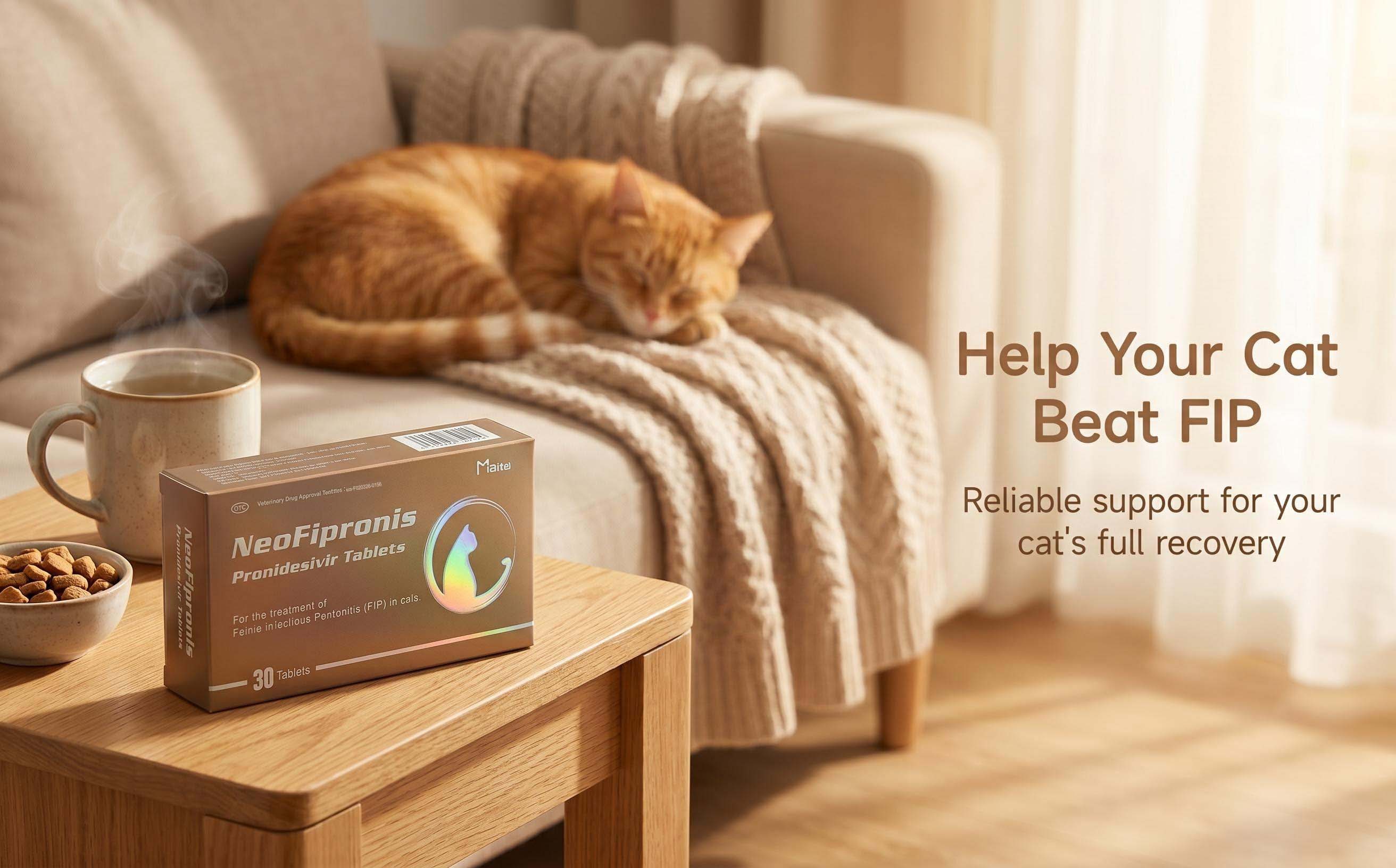
While definitive treatments for FIP are limited, supportive management in the early stage can include fluid therapy, nutritional support, and anti-inflammatory medications. Novel antiviral agents such as GS-441524 show promise, especially if therapy is initiated soon after symptom onset and confirmed diagnosis.
The Role of Genetic and Environmental Interactions
Research continues into how genetics determine susceptibility to early FIP. Purebreds—particularly Bengals, Abyssinians, and British Shorthairs—are disproportionately affected, potentially due to immune system variations. Environmental stressors amplify risk, especially in multi-cat households.
Preventive Measures Based on Early Recognition
Although no vaccine definitively prevents FIP, preventive efforts focus on minimizing stress, improving sanitation, reducing overcrowding, and segregating infectious cats. Early recognition of warning signs is instrumental in controlling outbreaks and reducing fatalities in catteries.
Integrating Early Symptom Awareness into Veterinary Practice
Veterinary practitioners are advised to maintain FIP on the list of differential diagnoses when encountering cats with unexplained fever, lethargy, or inappetence, especially in high-risk populations. Training and continuing education can enable clinics to act decisively in the initial symptom phase.
Owner Education and Public Health Implications
Increasing public awareness about early FIP symptoms can have far-reaching impacts on disease management and outcomes. Owner education, community outreach, and collaboration with shelters are pivotal to ensure that signs are neither missed nor dismissed.
Future Directions: Early Detection and Intervention
Ongoing research aims to refine early diagnostic tools, identify new biomarkers, and develop targeted therapies that may arrest FIP in its initial phase. Personalized veterinary care based on a cat’s risk profile is poised to play a growing role in the years ahead.
References
1. Pedersen NC. (2009). A review of feline infectious peritonitis virus infection: 1963–2008. Journal of Feline Medicine and Surgery, 11(4), 225-258.
2. Addie DD, Jarrett O. (2012). Feline coronavirus infections. Infectious Disease Clinics of North America, 26(1), 1-10.
3. Felten S, Hartmann K. (2019). Diagnosis of feline infectious peritonitis: A review of the current literature. Viruses, 11(11), 1068.
4. Kipar A, Meli ML. (2014). Feline infectious peritonitis: Still an enigma? Veterinary Pathology, 51(2), 505-526.
5. Tasker S. (2018). Feline infectious peritonitis: Update on pathogenesis and diagnosis. Veterinary Clinics: Small Animal Practice, 38(2), 287-306.
6. Baker SC. (2020). Advances in understanding feline infectious peritonitis. Veterinary Journal, 257, 105416.
7. Fishman M. (2019). Early diagnosis and clinical management of feline infectious peritonitis. Compendium: Continuing Education for Veterinarians, 41(6), 234-242.
8. Norris JM, et al. (2005). Feline infectious peritonitis: Disease trends in the United States. Journal of the American Veterinary Medical Association, 226(11), 1808-1814.
9. Dewerchin HL, et al. (2005). Characterization of early symptoms in cats with feline infectious peritonitis. Veterinary Microbiology, 105(2), 159-168.
10. Chang HW, et al. (2013). Pathogenesis of feline infectious peritonitis and early detection strategies. Advances in Veterinary Medicine, 56(2), 45-67.