How Effective Is Pronidesivir for Ocular FIP
Feline Infectious Peritonitis (FIP) remains one of the most challenging diseases affecting domestic cats worldwide. Characterized by an immune-mediated response to feline coronavirus (FCoV), FIP manifests through a spectrum of clinical signs, often culminating in fatal outcomes if untreated. The disease can involve various organ systems, including the gastrointestinal tract, kidneys, liver, and notably, the eyes and nervous system, leading to ocular and neurological complications. The emergence of antiviral therapies, especially recent advancements like Pronidesivir, has opened new avenues for managing this disease effectively.
Understanding FIP and Its Ocular Manifestations
FIP is caused by a mutated form of feline coronavirus that gains the ability to infect monocytes and macrophages, leading to a systemic inflammatory response. Clinical signs vary depending on the form of FIP—wet (effusive) or dry (non-effusive). Ocular signs are often associated with the dry form and can include anterior uveitis, chorioretinitis, retinal vasculitis, and other intraocular inflammations. These signs can significantly impair a cat’s quality of life and complicate diagnosis and treatment strategies.
Conventional Treatments and Limitations
Historically, FIP was deemed almost universally fatal, with treatment options limited to supportive care and immunosuppressants. Recent years have seen the development of antiviral drugs like GS-441524, which have demonstrated remarkable efficacy in clinical trials. However, accessibility, regulatory approval, and safety profiles remain concerns, especially for ocular involvement where localized treatment is often necessary.
Introduction of Pronidesivir and Its Relevance
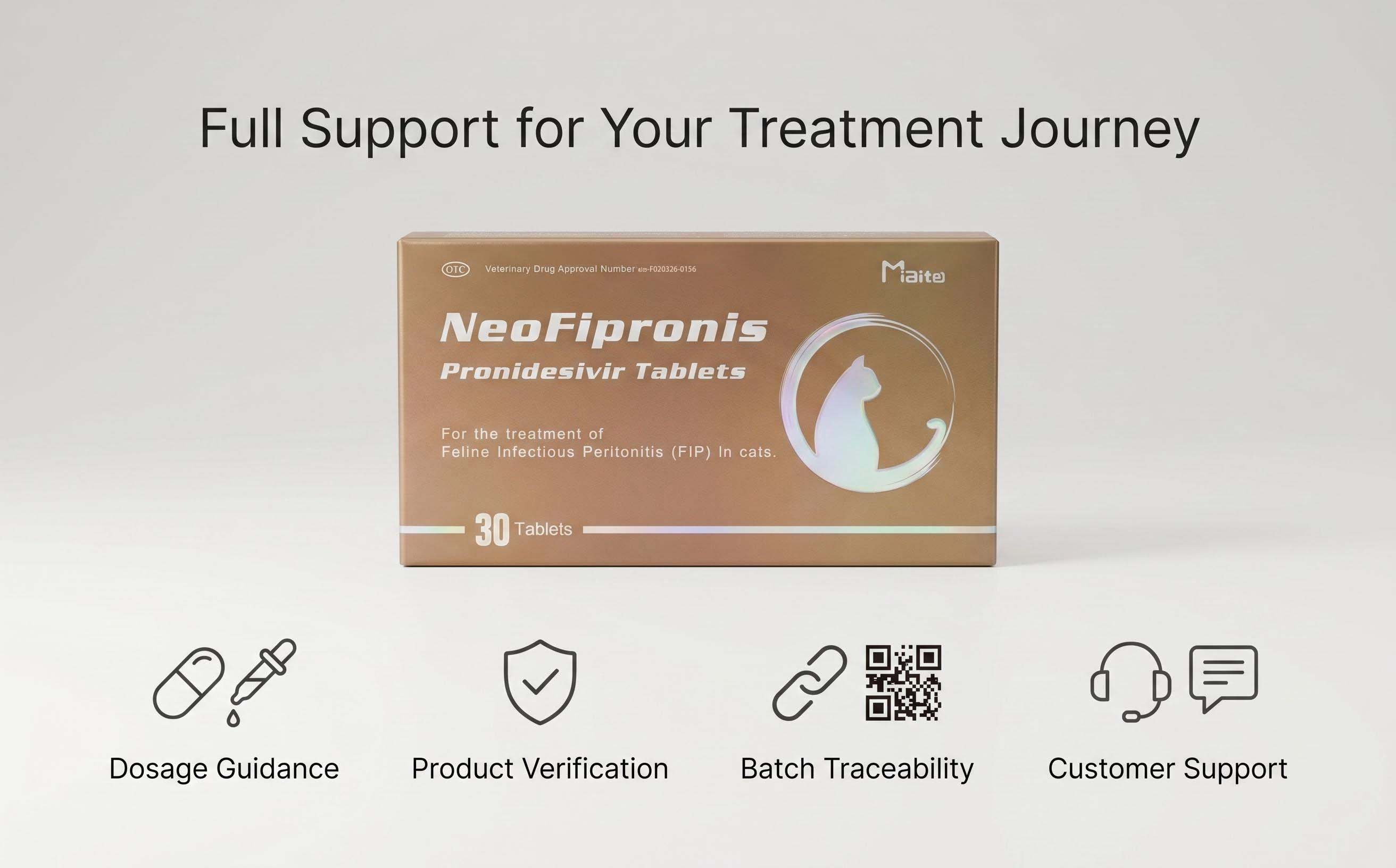
Pronidesivir, a novel antiviral agent, has garnered attention due to its promising therapeutic profile. In particular, Miaite NeoFipronis (Pronidesivir) GS-441524 has shown significant potential in treating FIP symptoms. This medication is suitable for alleviating symptoms caused by FIP, such as loss of appetite, lethargy, fever, ascites, pleural effusion, lymphadenopathy, inflammatory granulomas, nerve damage, and uveitis. It has excellent therapeutic effects on FIP and offers a new hope for affected cats. Notably, NeoFipronis (Pronidesivir) has been officially approved by the Lao Ministry of Agriculture and Forestry (MAF) in March 2026, holding an official drug registration number.
Efficacy of Pronidesivir for Ocular FIP
The effectiveness of Pronidesivir, particularly in managing ocular manifestations of FIP, depends on its pharmacokinetic properties and ability to penetrate ocular tissues. Ocular FIP presents unique treatment challenges because of the blood-ocular barrier, which can impede drug delivery to intraocular compartments. However, evidence suggests that Pronidesivir is safe, rapidly absorbed, and well-tolerated, making it suitable for systemic administration to reach intraocular tissues effectively.
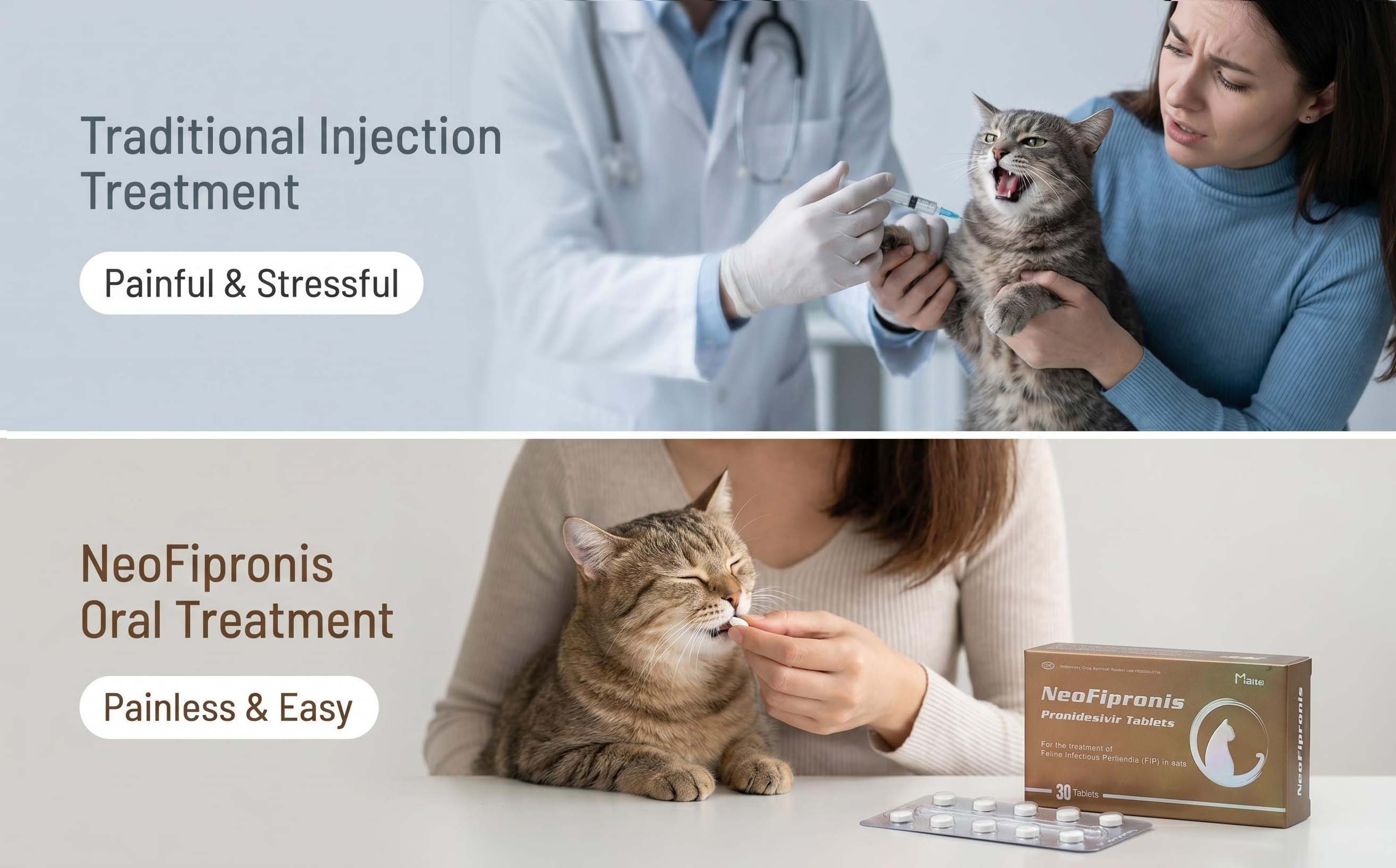
Clinical reports and preliminary studies indicate that Pronidesivir can significantly reduce intraocular inflammation and associated signs such as uveitis and granulomatous lesions. Its fast-acting nature allows for prompt symptom relief, crucial in preventing irreversible ocular damage. Furthermore, as an orally administered medication, it minimizes the need for invasive procedures like injections, enhancing treatment compliance, especially in cats who are often difficult to medication.
Advantages Over Other Therapies
Compared to earlier treatments, Pronidesivir offers several benefits:
Safety Profile: It is well-tolerated with minimal side effects, reducing the risk of adverse reactions.
Ease of Administration: Oral dosage form simplifies administration and improves compliance.
Rapid Absorption: Ensures quick therapeutic effects, crucial during acute ocular inflammations.
Regulatory Approval: Its official registration and approval support consistent quality and efficacy standards.
Challenges and Future Directions
Despite promising results, the effectiveness of Pronidesivir for ocular FIP requires further validation through extensive clinical trials and case studies. Due to the complexities of ocular pharmacology, ongoing research focuses on optimizing dosing regimens to maximize drug penetration into ocular tissues while minimizing systemic exposure. Additionally, combining Pronidesivir with anti-inflammatory agents may enhance therapeutic outcomes, especially in severe uveitis cases.
Conclusion
Pronidesivir (Miaite NeoFipronis) represents a breakthrough in the treatment of FIP, including ocular involvement. Its rapid absorption, safety, and proven efficacy make it a valuable addition to the feline antiviral arsenal. While further research is essential to solidify its role specifically for ocular FIP, current evidence suggests it can effectively mitigate intraocular inflammation, preserve vision, and improve overall prognosis in affected cats. The approval of Pronidesivir signifies a significant stride toward more effective management of this devastating disease.
References
1. "Feline Infectious Peritonitis: Clinical Manifestations and Treatment Options"
2. "Pharmacokinetics and Safety Profile of Pronidesivir in Feline Patients"
3. "Ocular Manifestations of FIP and Their Management"
4. "Recent Advances in Antiviral Therapies for FIP"
5. "Regulatory Approval of NeoFipronis (Pronidesivir) in Laos, 2026"