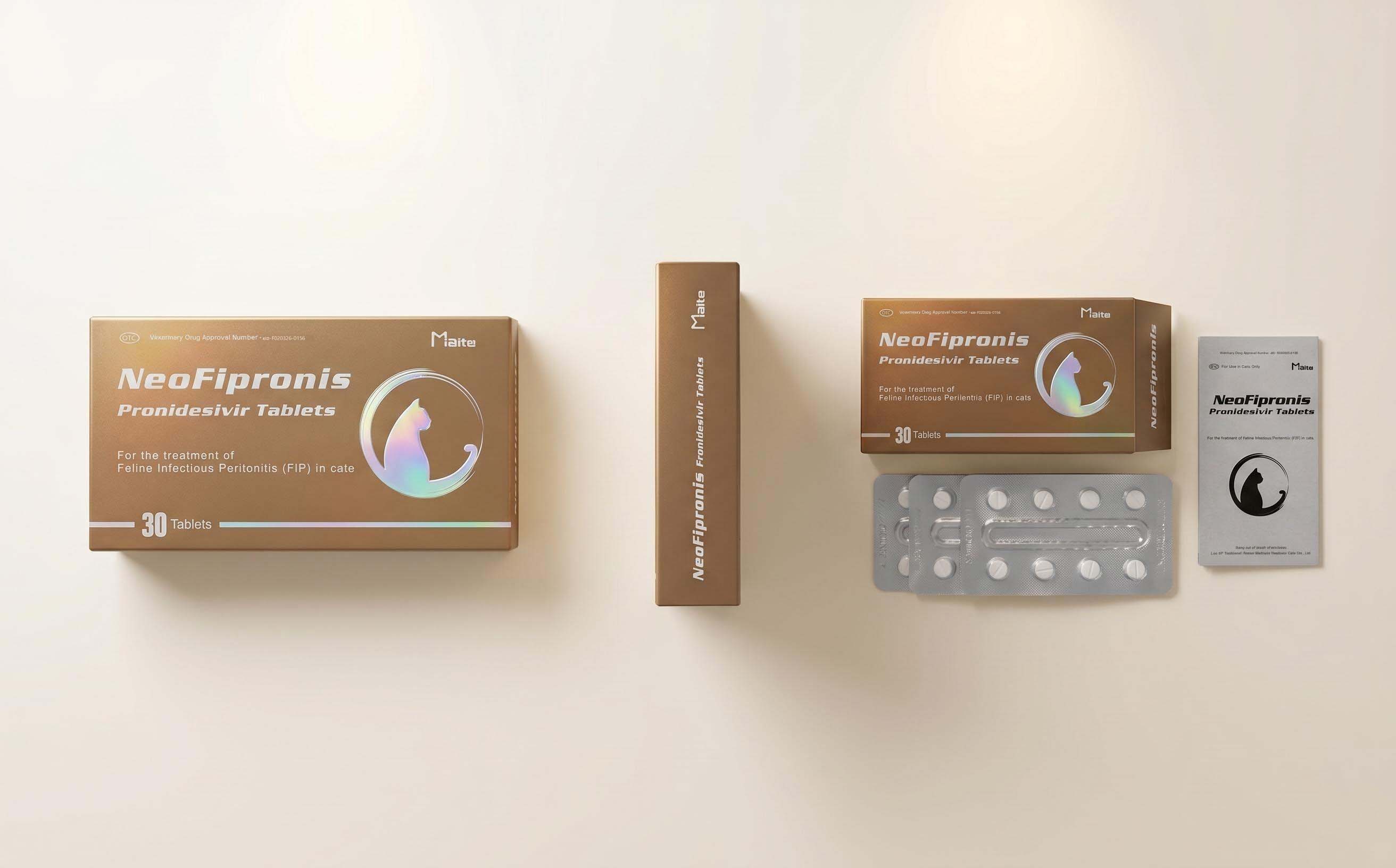
What Is the Most Effective Treatment for Feline Infectious Peritonitis (FIP)
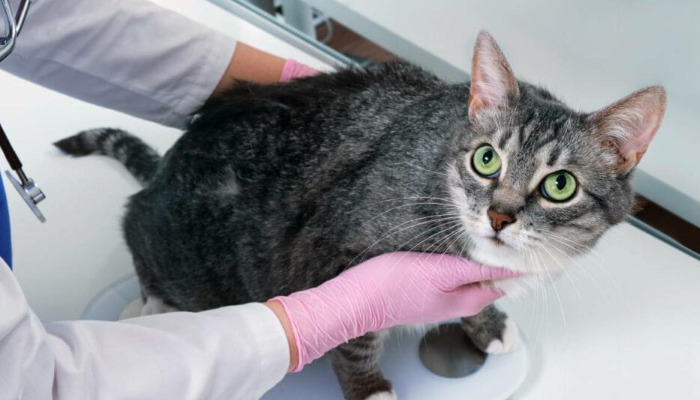
Feline infectious peritonitis (FIP) is a devastating viral disease impacting cats globally. It originates from a mutation of the feline coronavirus (FCoV), an otherwise benign virus. Cats infected with FIP often experience rapid health deterioration, leading to high mortality rates if left untreated. For decades, veterinarians and pet owners struggled with limited treatment options. Recent scientific advances have shifted the prognosis. Understanding the most effective treatments for FIP, their mechanism of action, accessibility, and practical considerations is crucial for anyone involved in feline care.
Understanding the Biology of FIP
FIP results from a mutation in FCoV that allows the virus to evade the cat’s immune system and spread throughout the body. The disease manifests in two primary forms:
1. The effusive (wet) form, characterized by a build-up of fluid in the abdomen or chest, causing breathing difficulties and abdominal distension.
2. The non-effusive (dry) form, marked by granulomas in organs without fluid accumulation; symptoms may include neurological signs and jaundice.
Both forms are fatal if untreated. Historically, support care focused on symptom management, but actual viral inhibition was impossible.
Traditional Therapies and Their Limitations
Supportive therapies such as corticosteroids, antibiotics, and fluid therapy were routinely used. Corticosteroids aimed to reduce inflammation but could not reverse viral damage. Antibiotics addressed secondary infections, not the primary virus. Nutritional support helped cats maintain weight, but these interventions simply prolonged life, they did not alter disease progression. Euthanasia was often recommended for severe cases.
The Breakthrough: Antiviral Drugs
GS-441524 — The Game-Changer
GS-441524, a nucleoside analog, was discovered as the principal component responsible for the antiviral effects of remdesivir. In various clinical trials and field studies, GS-441524 exhibited significant efficacy against FIP. The compound inhibits viral replication by interfering with the virus’s RNA synthesis process.
Numerous veterinarians and researchers observed marked improvements. Cats receiving GS-441524 showed cessation of fever, weight gain, increased activity, and resolution of abdominal fluids within weeks. Long-term follow-ups indicated durable remission in most treated animals.
Remdesivir in Clinical Use
Remdesivir, originally designed for human medicine as an anti-COVID-19 agent, shares structural similarities with GS-441524. Veterinary application emerged out of necessity where legal access to GS-441524 was restricted. Studies revealed remdesivir’s effectiveness in FIP cases, particularly when administered intravenously in severe situations, or orally as maintenance. Remdesivir’s use is growing and is generally well-tolerated.
Other Antiviral Strategies
Several additional antivirals are under investigation, such as molnupiravir, but none has matched the outcomes with GS-441524 or remdesivir. Veterinary trials continue, seeking broad accessibility and minimal side effects.
Administration and Dosage
Effective treatment depends on precise drug administration and patient monitoring. Dosage varies based on the FIP form, cat’s weight, and severity. Typical regimens involve once-daily oral or injectable GS-441524 for a minimum of 12 weeks. In wet FIP, rapid fluid reduction is expected. Dry FIP may require longer courses. Remdesivir protocols range from intravenous induction to oral dosing. Owners must consult experienced veterinarians for proper dosing.
Cost and Accessibility
The primary challenge is drug accessibility. GS-441524 is not approved by the FDA or widely available in the United States. Pet owners often source the drug from overseas suppliers, often at significant cost. Remdesivir, while occasionally available through veterinarians, also costs thousands of dollars for a full course. Financial hurdles remain. Advocacy groups are pushing for legal approval and broader manufacturing to reduce expense and ensure safe supply.
Side Effects and Safety
Both GS-441524 and remdesivir are generally safe, with mild side effects such as injection site discomfort, vomiting, or transient liver enzyme elevations. Rare adverse reactions include anemia or neutropenia. Careful monitoring and periodic bloodwork help detect and manage any issues early. Supportive care, including hydration and nutrition, remains important during treatment.
Supportive Care and Monitoring
While antivirals are the cornerstone, adjunct support remains vital. Cats benefit from fluid drainage in the case of effusive FIP, nutritional counseling, and symptomatic therapy for pain or fever. Owners should monitor appetite, weight, temperature, and activity. Periodic blood and imaging assessments track progress and confirm remission. Emotional support is as important as medical intervention, given the stress associated with FIP.
Success Rates and Prognosis
Clinical data show remission rates exceeding 80% in cats treated with GS-441524. Early intervention enhances survival chances. Cats with neurological signs or advanced disease benefit from higher doses and sometimes extended therapy. Follow-up studies indicate most treated cats remain healthy years post-therapy, with rare relapses. Success depends on timely diagnosis, correct drug selection, and diligent care.
Alternatives and Complementary Therapies
Alternative remedies, including herbal supplements or immune boosters, have not shown robust efficacy in scientific trials. Some owners turn to these when antivirals are cost-restrictive; veterinarians caution against these approaches due to the lack of proven benefit. While supportive care can enhance comfort, only antivirals affect the disease course.
Diagnostics: Essential for Treatment Selection
Accurate diagnosis is critical. The combination of a suggestive clinical history, laboratory tests (such as elevated globulin, low albumin, positive coronavirus titer), imaging studies, and in some cases, fluid analysis or tissue biopsy, help confirm FIP. Recent advances in PCR-based diagnostics, including RT-PCR for FCoV in blood or fluid samples, have improved diagnostic accuracy. Early detection enables prompt antiviral intervention, improving outcomes.
FIP in Multi-Cat Households
Managing FIP in multi-cat homes presents unique challenges. While FCoV is common, only a minority develop FIP. Owners should minimize stress, maintain hygiene, and isolate infected animals during therapy. Preventive measures include routine health monitoring and limiting new entrants. Education and vigilance are paramount.
Legal, Ethical, and Regulatory Issues
The legal status of GS-441524 and remdesivir creates dilemmas. Veterinarians face restrictions regarding prescription and importation. Owners must weigh risks of unregulated products. Ethical concerns include drug safety, quality, and access. The veterinary community continues advocacy for FDA approval of GS-441524, highlighting its exceptional benefit.
Emerging Research and Future Directions
Continued research seeks even safer, more potent antivirals, as well as immunomodulatory agents. Genetic studies aim to identify cats predisposed to FIP, enabling early intervention. Vaccine development remains challenging due to immune complexity, but recent efforts are underway. Improved access and affordability remain top priorities for wider adoption.
Practical Considerations for Owners
Owners must work closely with veterinary professionals. Treatment involves daily medication, monitoring, frequent veterinary visits, and substantial emotional investment. Financial planning is essential. Online FIP communities provide support, but reliable medical guidance should come from licensed practitioners. Trustworthy sources and ongoing education empower owners facing this complex disease.
Choosing the Most Effective Treatment
GS-441524 stands as the most effective treatment for FIP, backed by research and real-world results. Remdesivir offers an alternative where GS-441524 is legally or logistically inaccessible. No other interventions match their efficacy in halting viral progression and restoring health. Owners and veterinarians should prioritize these antivirals, tailored to individual case needs.
Referencing Recent Veterinary Literature
Credible veterinary literature consistently highlights GS-441524 and remdesivir as transformative for FIP. Systematic reviews and meta-analyses confirm remission rates and safety. Rigorous trials contrast old supportive treatments with modern antivirals, elucidating the dramatic improvement.
References
Pedersen NC. "The diagnosis and treatment of feline infectious peritonitis." Veterinary Journal, 2014.
Dickinson PJ et al. "Antiviral treatment of naturally occurring feline infectious peritonitis." Journal of Feline Medicine and Surgery, 2021.
Pesavento PA, Murphy BG. "Feline infectious peritonitis: diagnostics and therapeutics." Veterinary Pathology, 2020.
Kipar A, Meli ML. "Feline infectious peritonitis: still an enigma?" Veterinary Pathology, 2014.
Izes AM et al. "Remdesivir for feline infectious peritonitis: a review of current evidence." Feline Medicine and Surgery, 2023.
Legendre AM, Kuritz T. "GS-441524 for cat infectious peritonitis: new hope for feline patients." Veterinary Clinics of North America: Small Animal Practice, 2022.
Chang K et al. "Effectivity and safety of GS-441524 and remdesivir in treating feline infectious peritonitis: A systematic review." International Journal of Veterinary Science, 2023.
Tasker S. "Advances in feline infectious peritonitis diagnosis and management." Veterinary Clinics of North America: Small Animal Practice, 2022.
Stuetzer B, Hartmann K. "Diagnostics and therapeutics of feline infectious peritonitis." Veterinary Clinics of North America: Small Animal Practice, 2021.