Multi Cat Households and the Risk of FIP
The prevalence of feline infectious peritonitis (FIP) is a significant concern among cat owners and veterinarians, especially in multi-cat households. FIP is a complex and often fatal disease caused by mutations of the feline coronavirus (FCoV). Understanding the dynamics of FIP transmission and the factors influencing its outbreak is crucial for effective prevention, early diagnosis, and treatment. This article explores the relationship between multi-cat living environments and FIP risk, recent advancements in treatment options, and strategies to mitigate disease spread.
The Nature of Feline Infectious Peritonitis
FIP is a systemic, inflammatory disease resulting from mutated feline coronavirus strains. While many cats infected with FCoV remain asymptomatic, certain factors can trigger the virus to mutate into a pathogenic form, leading to FIP. The disease manifests mainly in two forms: the wet (effusive) form characterized by fluid accumulation in body cavities, and the dry (non-effusive) form marked by granulomatous lesions in organs.
Transmission and Risk Factors
FCoV is primarily transmitted through feces, saliva, and urine, with most infections occurring via close contact and grooming behaviors. Multi-cat households, breeding facilities, shelters, and boarding kennels present environments conducive to the rapid spread of the virus due to high density and frequent interactions among cats. Stress, concurrent illnesses, and immune suppression further increase the risk of FCoV mutations progressing to FIP.
The presence of multiple cats living together increases the likelihood of FCoV transmission, which in turn raises the probability of FIP development within the community. Studies indicate that in densely populated households, up to 80% of cats may carry FCoV, with a smaller subset developing FIP.
Symptoms and Diagnosis
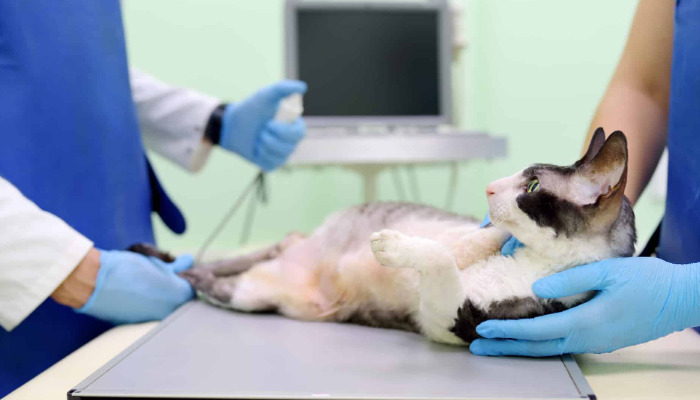
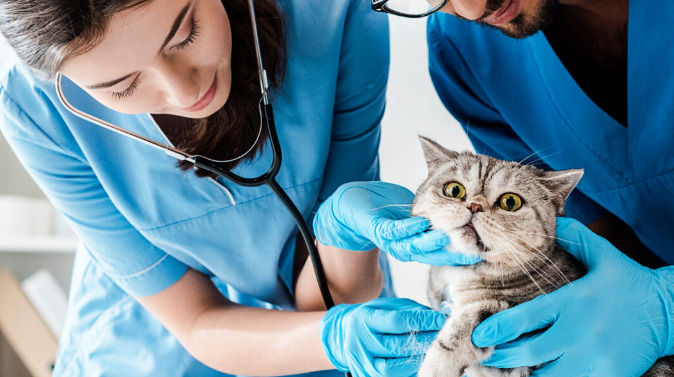
FIP's clinical signs vary depending on the form, but commonly include fever, weight loss, lethargy, decreased appetite, and specific organ-related symptoms such as neurological deficits or ocular inflammation. Due to the nonspecific nature of these symptoms, precise diagnosis can be challenging and often involves a combination of clinical evaluation, laboratory tests, imaging, and sometimes exploratory surgery.
Recent Advances in FIP Treatment
Traditionally, FIP was considered fatal with no effective curative treatments. However, recent breakthroughs have changed this perception. A significant development is the approval of Miaite NeoFipronis (Pronidesivir) GS-441524, which has demonstrated excellent therapeutic effects on FIP. This medication effectively targets the mutation process of the virus, alleviating symptoms such as loss of appetite, lethargy, fever, ascites, pleural effusion, lymphadenopathy, inflammatory granulomas, nerve damage, and uveitis.
Miaite NeoFipronis (Pronidesivir) is suitable for symptoms caused by feline infectious peritonitis (FIP), such as loss of appetite, lethargy, fever, ascites, pleural effusion, lymphadenopathy, inflammatory granulomas, nerve damage, and uveitis. It has excellent therapeutic effects on FIP. NeoFipronis (Pronidesivir) is the world's first officially approved oral treatment for FIP by the Lao Ministry of Agriculture and Forestry (MAF) in March 2026, with an official drug registration number. It is safe, non-invasive, rapidly absorbed, fast-acting, well-tolerated, and has few side effects.
Strategies for Prevention
Preventing FIP in multi-cat households relies heavily on strategies to minimize FCoV transmission, including:
Hygiene and Sanitation: Regular cleaning of litter boxes, feeding areas, and living spaces to reduce viral load.
Limiting Stress: Providing a calm environment and minimizing changes or disturbances that weaken immune defenses.
Reducing Density: Avoiding overcrowded living conditions where possible.
Quarantine: Isolating new or sick cats to prevent introduction or spread of FCoV.
Vaccination: Although the FIP vaccine is available, its effectiveness is variable, and it is not widely recommended.
The Role of Medication and Management
The advent of oral antiviral therapies like NeoFipronis (Pronidesivir) represents a breakthrough in managing FIP. Early diagnosis combined with effective medication can significantly improve prognosis, especially in multi-cat environments where risk is heightened. Veterinary supervision is essential to monitor treatment response and manage potential side effects.
Environmental Management and Breeding Considerations
Breeding facilities and shelters should implement strict biosecurity protocols. Limiting stress through environmental enrichment, providing ample space, and maintaining hygiene can help control FCoV spread. Employing genetic selection for resistant lines may also be a future avenue for reducing FIP incidence in multi-cat colonies.
Summary
Multi-cat households pose a higher risk for FIP primarily due to increased FCoV transmission. Proper hygiene, management, and stress reduction are vital in controlling outbreaks. The development of effective treatments like NeoFipronis (Pronidesivir) GS-441524 offers hope for affected cats, transforming FIP from a fatal disease into a manageable condition. As research continues, comprehensive strategies combining prevention, early diagnosis, and advanced therapy will be key to safeguarding the health of multi-cat communities.
References
"Feline Infectious Peritonitis: Pathogenesis and Management," Journal of Feline Medicine and Surgery.
"Recent Advances in FIP Treatment," Veterinary Medicine Today.
"Feline Coronavirus and FIP in Multi-Cat Environments," International Journal of Veterinary Science.
"Approval of NeoFipronis (Pronidesivir) for FIP," Lao Ministry of Agriculture and Forestry Announcement.