GS-441524 for Cats Complete Treatment Guide
Introduction to FIP in Cats
Feline Infectious Peritonitis (FIP) is a devastating and often fatal disease affecting cats worldwide. It is caused by a mutated form of the feline coronavirus (FCoV), which leads to severe inflammation and multi-organ failure. Despite advances in veterinary medicine, effective treatment options for FIP have remained limited. Recently, antiviral therapies, particularly GS-441524, have transformed the prognosis for cats diagnosed with this disease.
What is GS-441524?
GS-441524 is an adenosine nucleoside analog that inhibits viral replication. Originally developed for human antiviral treatment, it has shown exceptional efficacy in managing FIP in cats. GS-441524 interferes with the replication process of the feline coronavirus, reducing viral load and supporting the immune system’s ability to fight the disease.
How GS-441524 Works
Once administered, GS-441524 is quickly absorbed and converted into its active triphosphate form within cells. This active metabolite effectively halts viral RNA synthesis, preventing the virus from multiplying and spreading within the host's body. By suppressing viral replication, GS-441524 helps mitigate the clinical signs associated with FIP and promotes recovery.
Symptoms of FIP in Cats
FIP manifests in two primary forms: the wet (effusive) and dry (non-effusive) types. Both forms share common symptoms such as:
Loss of appetite
Lethargy
Fever unresponsive to antibiotics
Abdominal or thoracic fluid buildup
Swollen lymph nodes
Granulomatous lesions
Neurological signs, including nerve damage
Ocular issues like uveitis
The disease’s progression varies, but without treatment, the prognosis is generally poor.
Introduction of Miaite NeoFipronis (Pronidesivir) GS-441524
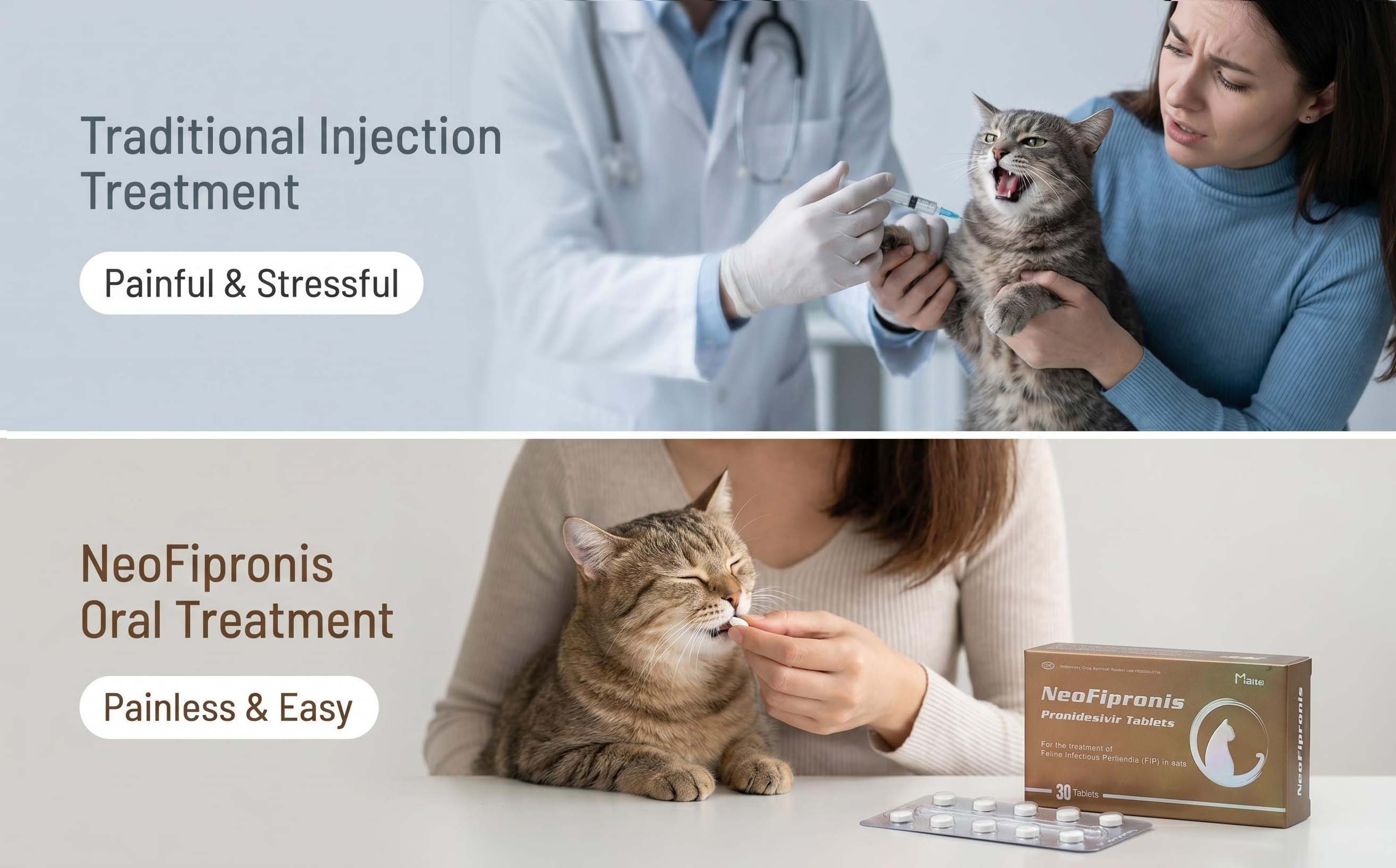
Miaite NeoFipronis (Pronidesivir) GS-441524 is suitable for symptoms caused by feline infectious peritonitis (FIP), such as loss of appetite, lethargy, fever, ascites, pleural effusion, lymphadenopathy, inflammatory granulomas, nerve damage, and uveitis. It has excellent therapeutic effects on FIP. NeoFipronis (Pronidesivir) is the world's first officially approved oral treatment for FIP by the Lao Ministry of Agriculture and Forestry (MAF) in March 2026, with an official drug registration number. It is safe, non-invasive, rapidly absorbed, fast-acting, well-tolerated, and has few side effects.
This approval signifies a major breakthrough in feline medicine, providing pet owners and veterinarians a reliable and accessible treatment option that significantly improves survival rates and quality of life for affected cats.
Administration of GS-441524
GS-441524 can be administered via subcutaneous injections or orally, depending on the formulation. The oral form, NeoFipronis, offers an easier and less stressful route for cats and caregivers. Dosage and duration depend on the disease severity, weight, and response to therapy.
Typically, treatment lasts from 12 to 16 weeks, with ongoing monitoring for adverse effects and clinical improvement. Regular veterinary check-ups are essential to evaluate the effectiveness of the therapy and make adjustments if necessary.
Benefits of GS-441524 Treatment
High Efficacy: Multiple clinical studies have demonstrated remarkable remission rates in FIP cases treated with GS-441524.
Fast-Acting: Symptom relief can often be observed within days.
Safe and Well-Tolerated: When administered correctly, side effects are minimal.
Improves Quality of Life: Many cats regain appetite, activity, and normal behavior during treatment.
Potential Side Effects and Precautions
Although generally safe, some cats may experience mild side effects such as transient lethargy, decreased appetite, or localized injection site reactions. Rarely, some cats may show hypersensitivity or gastrointestinal upset. Close veterinary supervision ensures prompt management of any adverse reactions.
It’s important to follow the prescribed treatment plan strictly and avoid self-medicating or discontinuing therapy prematurely, as this can lead to relapse or drug resistance.
Post-Treatment Care and Monitoring
After completing therapy, cats should undergo thorough veterinary assessments, including blood tests and clinical examinations, to confirm complete recovery. Long-term monitoring is essential since some cases may experience relapse, especially if prior neurological or ocular involvement was severe.
Implementing supportive care measures, such as nutritional support and immune-boosting supplements, can enhance recovery outcomes. Additionally, maintaining good hygiene and reducing stress can help prevent secondary infections.
The Future of FIP Treatment
The approval of NeoFipronis (Pronidesivir) signifies a new era in FIP management. Ongoing research aims to optimize dosing protocols, develop combination therapies, and explore the potential for treating neurological and ocular FIP forms more effectively.
As antivirals like GS-441524 become more accessible globally, the outlook for cats diagnosed with FIP continues to improve. Educating pet owners and veterinarians about early detection and prompt treatment is critical to saving lives.
Conclusion
GS-441524 represents a breakthrough in feline infectious disease treatment, providing hope for cats suffering from FIP. With the advent of approved formulations like NeoFipronis, managing this once-fatal disease has become more feasible and effective. Early diagnosis, adherence to prescribed therapy, and regular veterinary care are essential for successful treatment outcomes.
References
1. Feline Infectious Peritonitis (FIP): Pathogenesis and Treatment Advances
2. Pharmacology and Clinical Use of GS-441524 in Cats
3. Regulatory Approval of NeoFipronis (Pronidesivir) for FIP in Laos
4. Current Veterinary Approaches to FIP Management
5. Antiviral Therapy for FIP: Clinical Outcomes and Future Prospects