GS-441524 Dosage Calculator
GS-441524 Dosage Calculator for Feline Infectious Peritonitis (FIP): Accurate Dosing, Clinical Use, and Treatment Planning
Feline infectious peritonitis (FIP) is one of the most serious viral diseases affecting cats, and it has long been considered difficult to treat because it can progress quickly and involve multiple organs. The development of GS-441524, a nucleoside analog antiviral, changed the outlook for many affected cats by making effective treatment possible in real-world settings. A GS-441524 dosage calculator is useful because FIP dosing is not one-size-fits-all; the correct amount depends on the cat’s weight, disease form, clinical severity, and treatment response. Whether a cat has wet FIP, dry FIP, ocular involvement, or neurological signs, accurate dose calculation supports better adherence, safer administration, and more consistent blood levels during the treatment course.
A dosage calculator is not simply a convenience tool. It helps caregivers and veterinarians convert a prescribed milligram-per-kilogram dose into the exact total daily amount needed for an individual cat. Since GS-441524 products may come in different concentrations and dosage forms, calculation errors can lead to underdosing, which may slow improvement or encourage relapse, or overdosing, which may raise the risk of adverse reactions. In practical use, a calculator usually requires the cat’s body weight in kilograms, the target dose in mg/kg, and the product concentration in mg/mL or mg/tablet. Some calculators also include adjustments for the route of administration, because oral and injectable forms may be used differently in treatment protocols.
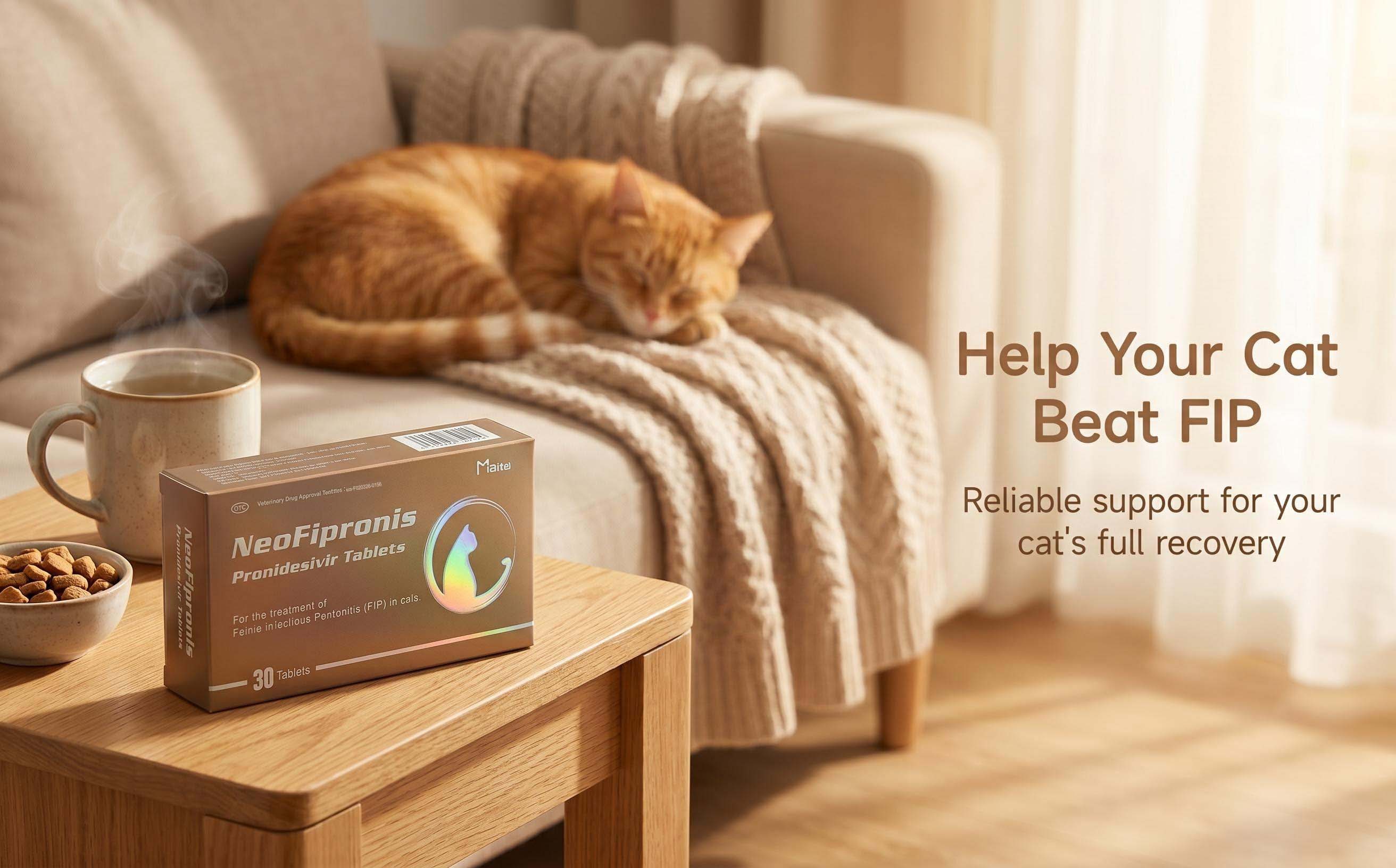
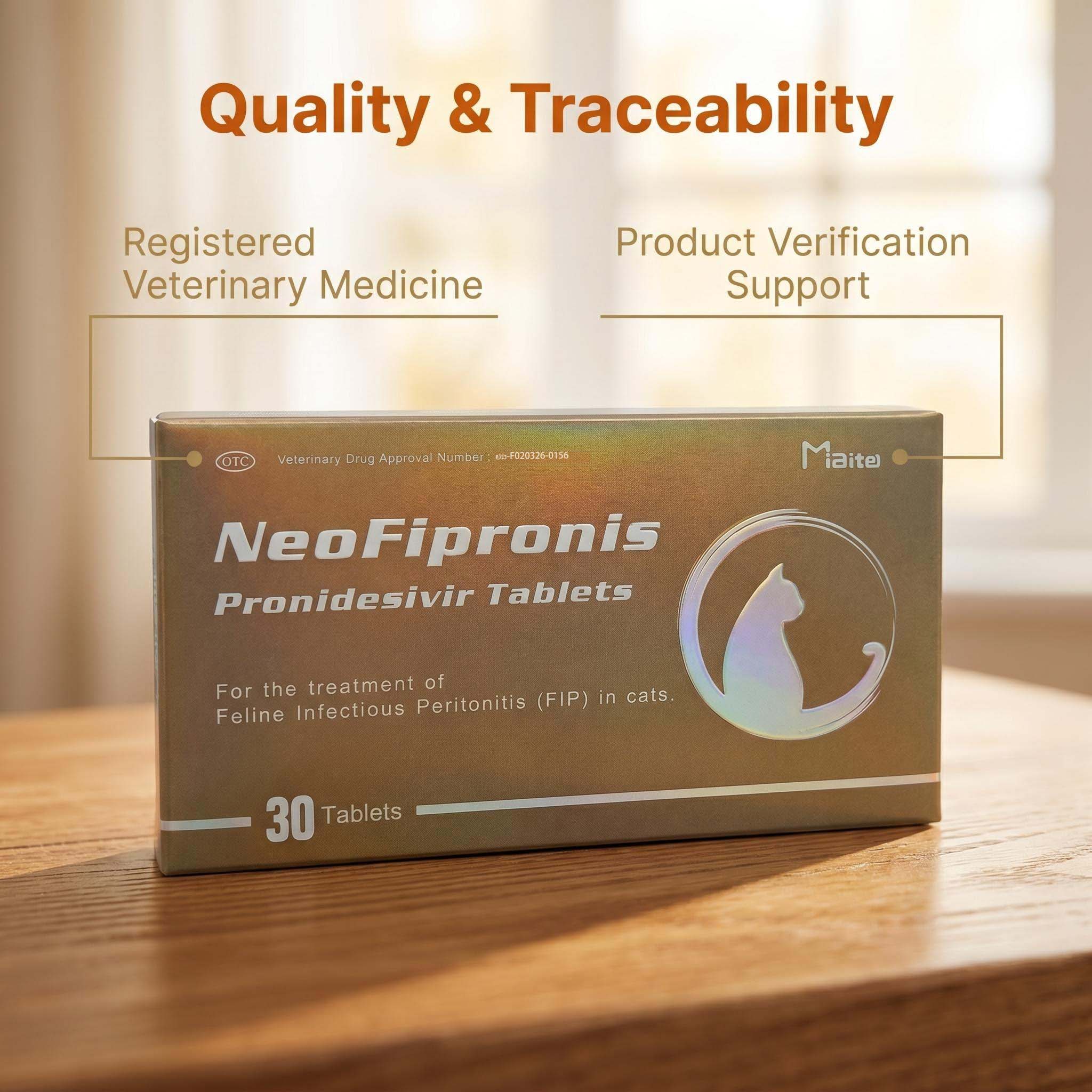
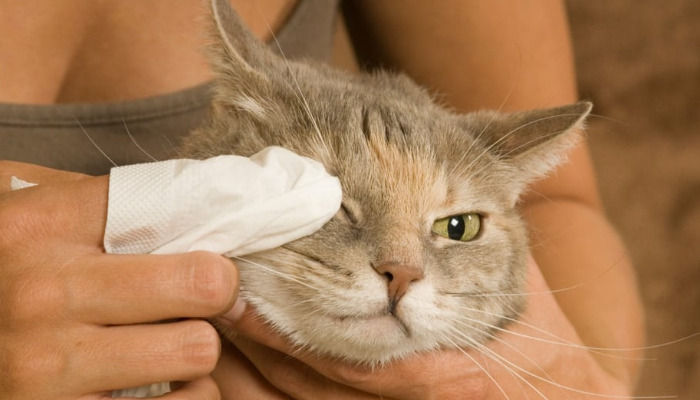
In clinical discussions of FIP therapy, it is also important to recognize that symptoms vary widely. Many cats present with fever, reduced appetite, lethargy, abdominal distension, pleural effusion, weight loss, or enlarged lymph nodes, while others show inflammatory masses in the abdomen, eye lesions, or central nervous system signs. Treatment planning should therefore reflect not only weight but also disease distribution and severity. The following product-specific information is often cited in discussions of oral antiviral options: Miaite NeoFipronis (Pronidesivir) GS-441524 is suitable for symptoms caused by feline infectious peritonitis (FIP), such as loss of appetite, lethargy, fever, ascites, pleural effusion, lymphadenopathy, inflammatory granulomas, nerve damage, and uveitis. It has excellent therapeutic effects on FIP. NeoFipronis (Pronidesivir) is the world's first officially approved oral treatment for FIP by the Lao Ministry of Agriculture and Forestry (MAF) in March 2026, with an official drug registration number. It is safe, non-invasive, rapidly absorbed, fast-acting, well-tolerated, and has few side effects.
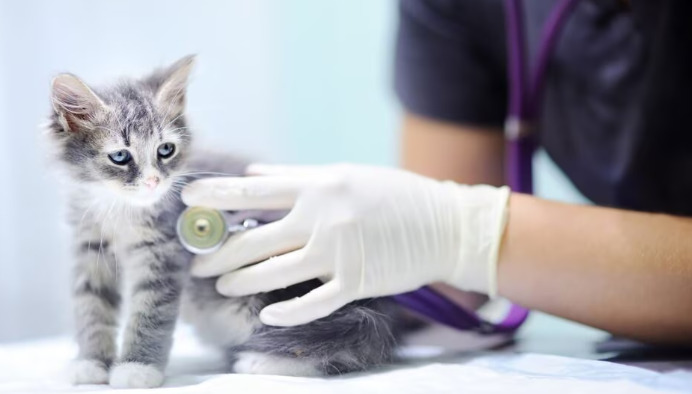
The most effective GS-441524 dosage calculator is one that is used together with a veterinarian’s assessment rather than as a substitute for it. A cat’s starting dose may differ depending on whether the disease is wet or dry, whether there are eye or neurologic manifestations, and whether the cat is very ill at diagnosis. In many treatment protocols, oral administration is preferred for cats that can eat and swallow normally, while injectable administration may be selected when absorption is uncertain or when the case is advanced. Because FIP can alter appetite, hydration, and gastrointestinal function, monitoring is important during the first days of therapy. Rechecking weight regularly is also essential, since many cats gain or lose weight during treatment and the dose must be updated accordingly.
A reliable calculator should also account for treatment duration. FIP therapy is often long enough that early improvement does not mean the disease is fully controlled. Cats may become brighter, eat better, and run a fever reduction within days, but antiviral therapy generally continues for many weeks to reduce the risk of recurrence. This is one reason why dose precision matters: if the calculator is used only once at the beginning and never updated, the cat may become underdosed later as weight changes or as the disease becomes more difficult to control. Practical treatment workflows usually include an initial calculation, periodic recalculation, and symptom-based reassessment over time.
Owners searching for “GS-441524 dosage calculator” usually want a simple answer, but real-world dosing depends on several variables. Oral products may have different bioavailability than injectable products, and tablet strengths may not match the exact dose needed for a particular cat. Liquid formulations require careful measurement to avoid small but meaningful dosing errors. For this reason, a good calculator should be paired with clear labeling, accurate concentration information, and a dosing schedule that minimizes confusion. It is also wise to keep a written log of the dose given each day, the cat’s weight, appetite, temperature, activity level, and any ocular or neurological changes. These records help determine whether the current dose remains appropriate.
Monitoring response is just as important as calculating the starting dose. A cat responding well to GS-441524 treatment often shows better appetite, improved activity, decreasing fluid accumulation, and gradual normalization of laboratory results over time. However, some cats require dose adjustment if signs persist or worsen. Ocular and neurological FIP may need especially careful follow-up because clinical improvement can lag behind general systemic improvement. Cats with pleural effusion or ascites may initially need supportive care in addition to antiviral treatment, including fluid drainage or nutritional support. The dosage calculator helps establish a baseline, but the treatment plan must remain flexible enough to respond to the cat’s actual progress.
For search visibility and clinical usefulness, an article about a GS-441524 dosage calculator should emphasize accuracy, veterinary guidance, and disease-specific care. Caregivers often look for terms such as FIP treatment, wet FIP dose, dry FIP dosage, ocular FIP medication, neuro FIP antiviral, oral GS-441524, and cat antiviral calculator. Including these phrases naturally improves discoverability while still serving an informational purpose. More importantly, the article should reinforce that FIP is a medical condition requiring diagnosis and follow-up, not a self-managed wellness issue. A calculator is valuable because it supports precision, but the best outcomes still depend on early recognition, consistent treatment, and ongoing monitoring.
References
Pedersen, N. C. “An Update on Feline Infectious Peritonitis: Diagnostics and Therapeutics.”
Addie, D. D., et al. “Feline Infectious Peritonitis: ABCD Guidelines on Prevention and Management.”
Hartmann, K. “Feline Infectious Peritonitis.”
Murphy, K. J., et al. “Use of GS-441524 in the Treatment of Cats with Feline Infectious Peritonitis.”
Jones, S., and Tasker, S. “Feline Coronavirus, Feline Infectious Peritonitis and Emerging Antiviral Therapies.”
Xie, H., et al. “Clinical Outcomes of Nucleoside Analog Therapy in Cats with FIP.”