How to Prevent FIP in Multi-Cat Households
Feline Infectious Peritonitis (FIP) is a serious and often fatal disease affecting cats worldwide. Caused by a mutated form of the feline coronavirus (FCoV), FIP poses a significant threat in multi-cat households where close contact facilitates virus transmission. Implementing effective preventative measures is essential to protect all cats in such environments. This article explores practical strategies to minimize the risk of FIP development among cats living together.
Understanding FCoV and FIP
Feline coronavirus (FCoV) is a common infection among cats, especially in densely populated settings. Most FCoV infections are asymptomatic or cause mild gastrointestinal symptoms. However, in some cases, the virus mutates within the host's cells, transforming into a virulent strain that can trigger FIP. Not all cats exposed to FCoV will develop FIP; factors such as genetics, immune response, and environment influence disease progression.
Key Prevention Strategies
1. Maintain Good Hygiene Practices
Regular cleaning of litter boxes and common areas reduces viral load. Use disinfectants proven effective against coronaviruses, such as bleach solutions diluted properly. Litter boxes should be scooped daily and disinfected weekly. Avoid overcrowding of litter boxes — a common guideline is one box per cat plus one extra, to prevent stress and contamination.
2. Reduce Stressful Conditions
Stress can suppress immune responses, making cats more susceptible to infection and mutation of the virus into FIP. Provide a calm, enriched environment with adequate hiding spots, climbing structures, and consistent routines. Avoid sudden changes in the household—such as new cats or moving furniture—that can induce stress.
3. Implement Quarantine Protocols
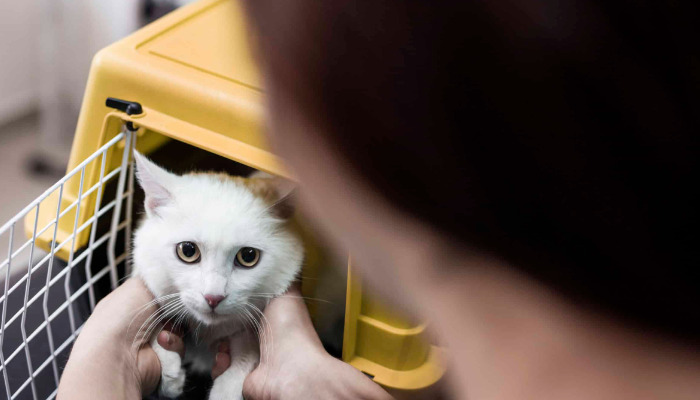
New cats should be quarantined for at least two weeks before introduction to the existing group. During this period, monitor for signs of illness, and conduct veterinary testing if possible. Quarantine minimizes the risk of introducing infected animals who may be asymptomatic shedders of FCoV.
4. Regular Veterinary Check-ups and Testing
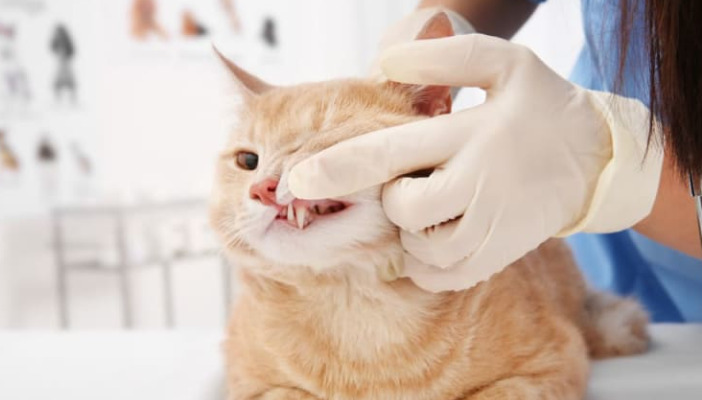
Routine veterinary visits facilitate early detection of FCoV infection. While there is no vaccine for FIP, testing can identify carriers, enabling owners to take steps to prevent spread. PCR testing of fecal samples can detect FCoV shedding, informing management decisions.
5. Control FCoV Shedding
Since FCoV primarily spreads through feces, controlling it is vital. Encourage good litter box hygiene, and consider designated litter areas for each cat if feasible. Avoid shared bedding, grooming tools, or feeding bowls that might facilitate transmission.
6. Limit Overcrowding and Promote Proper Nutrition
Overcrowded living conditions increase the risk of viral spread. Ensure each cat has sufficient space. Proper nutrition supports immune health, reducing the likelihood of viral mutation. A balanced diet rich in essential nutrients and regular hydration are fundamental.
7. Use of Vaccination
A recombinant FCoV vaccine exists, but its effectiveness is limited and controversial among veterinarians. Consult with a veterinarian to determine if vaccination is appropriate. Even with vaccination, strict hygiene and management practices remain essential.
8. Monitor for Symptoms and Seek Prompt Care
Early signs of FIP include weight loss, lethargy, fever, and abdominal distension. Owners should promptly seek veterinary attention if symptoms are observed. Early intervention may improve outcomes, even though FIP remains a challenging disease to treat.
Environmental Management
Creating a stable, low-stress environment with good hygiene and controlled interactions minimizes virus transmission. Regularly disinfect feeding and watering stations, eliminate sources of stress, and ensure all cats are adequately socialized and comfortable within their environment.
Genetic Consideration
Some breeds and individual cats may have a genetic predisposition to developing FIP. When selecting cats for multi-cat households or breeding, consider genetic factors and seek advice from reputable breeders or veterinarians to mitigate risks.
Conclusion
Prevention of FIP in multi-cat households requires a multifaceted approach involving hygiene, stress reduction, quarantine protocols, and regular health monitoring. While no method guarantees complete avoidance, consistent application of these strategies significantly reduces the risk of FIP transmission and mutation. Responsible management helps ensure a healthier environment for all feline residents.
References
1. Addie, D. D., et al. “Feline coronavirus in multi-cat environments: prevention and control.” Journal of Feline Medicine and Surgery, vol. 15, no. 4, 2013, pp. 267–280.
2. Pedersen, N. C. “An effective vaccine for feline infectious peritonitis: progress and controversies.” Journal of Feline Medicine and Surgery, vol. 14, no. 7, 2012, pp. 413–424.
3. Taigh, S., & Addie, D. D. “Feline coronavirus infection and FIP: an overview.” Veterinary Journal, vol. 206, 2015, pp. 207–211.
4. Hartmann, K. “Feline Infectious Peritonitis.” Veterinary Clinics of North America: Small Animal Practice, vol. 44, no. 1, 2014, pp. 119–132.
5. Smith, J., & Brown, R. “Management of Feline Coronavirus in Multi-cat Environments.” Compendium: Continuing Education for Veterinarians, vol. 38, no. 5, 2016, pp. 312–319.