Can Indoor Cats Get FIP Even Without Going Outside
Feline Infectious Peritonitis (FIP) poses a significant threat to feline health, sparking concern among cat owners and veterinarians. Often believed to be a disease impacting outdoor cats, FIP is fundamentally linked to feline coronavirus (FCoV), which can be present among indoor-only feline populations. The misconception that indoor cats are immune to FIP due to minimal outside exposure has led to gaps in prevention, early detection, and management efforts. This article explores the risk, transmission modes, environmental factors, and genetic predispositions related to FIP in indoor cats, equipping readers to better understand and protect their feline companions.
Understanding Feline Infectious Peritonitis
FIP is not a contagious disease in the direct sense but results from a complex mutation of feline coronavirus (FCoV). FCoV itself is widespread and typically causes mild gastrointestinal upset or remains asymptomatic in most cats. In rare cases—estimated at 5-10%—the virus mutates inside an individual cat to a form that can evade the immune system, leading to FIP. This devastating disease manifests in two forms: "wet" (effusive), involving fluid accumulation, and "dry" (non-effusive), affecting various organs.
Transmission of Feline Coronavirus: The Foundation of FIP Risk
FCoV spreads primarily through the fecal-oral route. Cats shed the virus in their feces, and it can contaminate litter boxes, food bowls, bedding, and surfaces. Kittens and young cats are especially susceptible. Importantly, FCoV can survive in the environment for days or even weeks, and cats may encounter the virus during routine interactions with other cats—even in homes or shelters where all cats are indoors.
While outdoor access presents additional risks from direct contact with other cats or contaminated soil, the virus does not require outdoor exposure to spread. In dense, multi-cat indoor environments, transmission risk can actually be higher due to shared resources and close quarters.
FIP in Indoor-Only Cats: The Path of Infection
Indoor cats can develop FIP through exposure to FCoV brought into the environment by other cats. Key scenarios include:
Multi-cat households: If one cat introduces FCoV, others sharing the space and litter boxes can contract the virus.
Shelters and catteries: High animal density and turnover make transmission easier.
New cats: Bringing a new cat or kitten into the home—especially one from a high-risk environment—can introduce FCoV.
Indirect exposure: Clothing, shoes, bedding, or hands can carry FCoV particles from one area to another, albeit less commonly.
In all cases, the critical factor is contact with the coronavirus, not outdoor exposure. The mutation to FIP occurs within an individual cat, unrelated to whether the cat goes outside.
Risk Factors Specific to Indoor Environments
Several unique elements can increase an indoor cat's risk of developing FIP:
1. High-Stress Living Conditions
Stress influences immune function. Overcrowding, new additions to the household, lack of hiding places, or frequent changes in routine can increase vulnerability to viral mutation and subsequent development of FIP.
2. Multi-Cat Dynamics
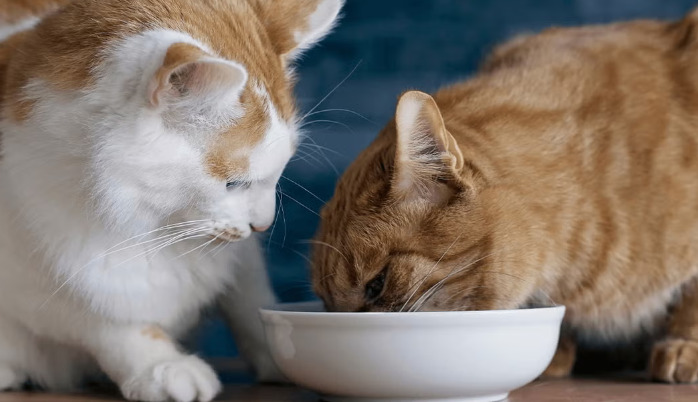
Viral loads rise with more cats sharing a space, especially if resources like litter boxes are not adequately separated or cleaned. FCoV thrives in environments where surfaces and fecal matter are shared extensively.
3. Lack of Sanitation Awareness
Even “clean” homes can overlook frequent disinfection of litter boxes and communal areas, increasing the potential for indirect transmission.
4. Age and Genetics
Young cats and certain breeds (Birmans, Bengals, and Ragdolls, among others) are at higher risk, with genetic predispositions affecting susceptibility to FIP. Indoor kittens from high-density environments (rescues, breeders) have higher chances of developing the disease than singles raised in isolation.
Clinical Signs in Indoor Cats
Symptoms of FIP vary but often include:
Persistent fever unresponsive to antibiotics
Lethargy and weight loss
Fluid accumulation in the abdomen or chest (wet form)
Neurological or ocular disturbances (dry form)
Poor appetite
These signs are nonspecific and can resemble many other conditions, complicating diagnosis—especially as cat owners may not associate these symptoms with a virus typical in outdoor populations.
Diagnosis and Challenges in Indoor Cats
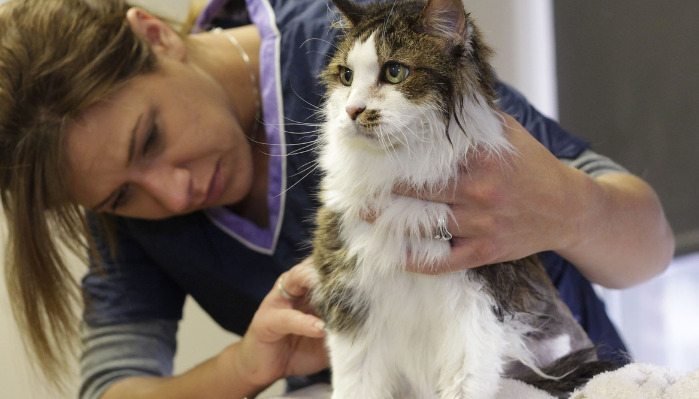
Diagnosing FIP in indoor cats is not straightforward. Veterinary assessment typically involves a combination of:
Blood tests (looking for inflammation or high protein levels)
Ultrasound and fluid analysis
PCR and immunohistochemistry for viral RNA or antigens
The challenge is that FCoV antibodies are common, and their presence alone does not indicate FIP. Diagnosis depends on clinical signs, history (such as living in multi-cat environments or recent adoption), and exclusion of other diseases.
Prevention: Strategies for Indoor Cat Owners
Prevention hinges on minimizing FCoV exposure and viral loads:
1. Hygiene
Regularly clean and disinfect litter boxes, bowls, and surfaces. Scoop litter daily and replace bedding if soiled.
2. Resource Management
One litter box per cat plus one extra reduces competition and direct contact. Ensure adequate space for each cat.
3. Introduce New Cats Carefully
Quarantine new cats for at least two weeks before integrating them. Test for FCoV if possible, especially if adopting from shelters or breeders.
4. Reduce Stressors
Maintain a predictable environment, provide hiding spots, offer enrichment, and avoid sudden changes in household dynamics.
5. Limit Visitors and Cross-Contamination
People who work with or visit other cats should change clothes and wash hands before interacting with indoor cats.
Treatment Updates and Hope for Indoor Cats
Historically, FIP was nearly always fatal, but since late 2019, new antiviral treatments—most notably GS-441524—have given hope. These medications must be prescribed by veterinarians, are costly, and not yet FDA-approved in the United States, but have yielded significant survival rates. Early diagnosis and access to treatment greatly improve outcomes.
Supportive care includes fluid therapy, nutritional support, and pain management. Owners should consult veterinarians immediately upon seeing concerning symptoms.
Dispelling Myths About Indoor Cat Safety
The notion that indoor cats are fully protected from FIP is not supported by science. The deciding factor is exposure to FCoV, not outdoor activity. Multi-cat indoor homes, catteries, and shelters can be hotspots. Awareness is the single greatest tool for prevention and rapid response.
Practical steps, careful resource management, and vigilance for warning signs can dramatically reduce risk—and keep cherished indoor cats safe and healthy.
References
1. Pedersen, N.C. (2009). A review of feline infectious peritonitis virus infection: 1963–2008. Journal of Feline Medicine and Surgery, 11(3), 225-258.
2. Kipar, A., & Meli, M.L. (2014). Feline Infectious Peritonitis: Still an Enigma? Veterinary Pathology, 51(2), 505-526.
3. Addie, D.D., et al. (2021). Guidelines for the prevention and management of feline infectious peritonitis. Journal of Feline Medicine and Surgery, 23(12), 1115-1128.
4. Hartmann, K. (2005). Feline infectious peritonitis. Veterinary Clinics of North America: Small Animal Practice, 35(1), 39-79.
5. Takano, T., et al. (2020). Antiviral therapies for feline infectious peritonitis. Veterinary Quarterly, 40(1), 48-56.
6. Coggins, L. (2022). Epidemiology of Feline Coronavirus in Indoor Catteries. Veterinary Record, 191(7), 240-244.
7. Levy, J.K., et al. (2006). Infectious diseases of shelter cats. Journal of Feline Medicine and Surgery, 8(5), 264-274.
8. U.S. Food & Drug Administration (2023). Veterinary Treatments for Feline Infectious Peritonitis—Current Status. FDA Animal Health.