Best High Protein Diet for Cats With FIP

Feline Infectious Peritonitis (FIP) is one of the most challenging and heartbreaking diseases that affect cats worldwide. Caused by a mutated strain of the feline coronavirus, FIP manifests in various forms, often leading to severe health deterioration. Managing FIP involves a combination of medical treatment, supportive care, and nutritional strategies. One crucial aspect is designing a high-protein diet tailored to support cats fighting this complex disease. This article explores optimal dietary approaches, highlights recent medical advancements like NeoFipronis (Pronidesivir) GS-441524, and provides practical guidance for pet owners and veterinarians alike.
Understanding FIP and Its Impact on Cats
FIP primarily affects young cats and those housed in multi-cat environments, such as shelters or catteries. The disease exists in two main forms: wet (effusive) and dry (non-effusive). The wet form causes accumulation of fluid in the abdomen or chest, leading to ascites and pleural effusion. The dry form causes granulomatous lesions in various organs, resulting in nerve damage, lymphadenopathy, and other systemic effects.
Symptoms of FIP include:
Loss of appetite
Lethargy
Fever
Abdominal or chest distension
Jaundice
Neurological signs
Ocular inflammation
Traditional treatments were largely supportive, often proving insufficient once clinical signs appeared. However, recent breakthroughs have introduced targeted antiviral therapies, dramatically changing the prognosis for many cats with FIP.
The Role of Nutrition in FIP Management
A proper diet plays a vital role in supporting a cat’s immune system, managing symptoms, and improving overall quality of life. For cats with FIP, a high-protein diet offers several benefits:
Supports immune function: Adequate protein intake is essential for producing antibodies and maintaining immune cell health.
Aids tissue repair: Protein provides amino acids necessary for repairing damaged tissues.
Maintains muscle mass: Chronic illness often leads to muscle wasting; high-protein diets can mitigate this effect.
Optimizes energy levels: Well-managed nutrition helps combat lethargy and improves vitality.
When formulating a diet for FIP-affected cats, it is crucial to balance high-quality animal proteins with appropriate calorie density, vitamins, and minerals.
Choosing the Right Proteins
Cats are obligate carnivores, requiring animal-derived proteins for optimal health. When selecting protein sources, consider the following:
Meat-based proteins: Chicken, turkey, beef, and fish are excellent options, providing essential amino acids.
High biological value: Proteins that are easily digestible and complete in amino acids.
Freshness and quality: Fresh, minimally processed proteins help ensure nutrient retention and reduce adverse reactions.
Vegetable proteins and grains are generally less suitable for cats, as they lack the necessary amino acids and can cause digestive issues.
Commercial Diets and Homemade Recipes
Several high-quality commercial diets are formulated specifically for cats with medical conditions. When choosing a commercial product:
Look for options that list high animal protein content.
Ensure it is formulated for therapeutic or senior cats requiring increased protein.
Consult a veterinarian for product recommendations suited to the specific needs of an FIP cat.
For homemade diets, collaboration with a veterinary nutritionist is essential to guarantee nutritional completeness while emphasizing high protein levels.
Medical Advances in FIP Treatment: NeoFipronis (Pronidesivir) GS-441524
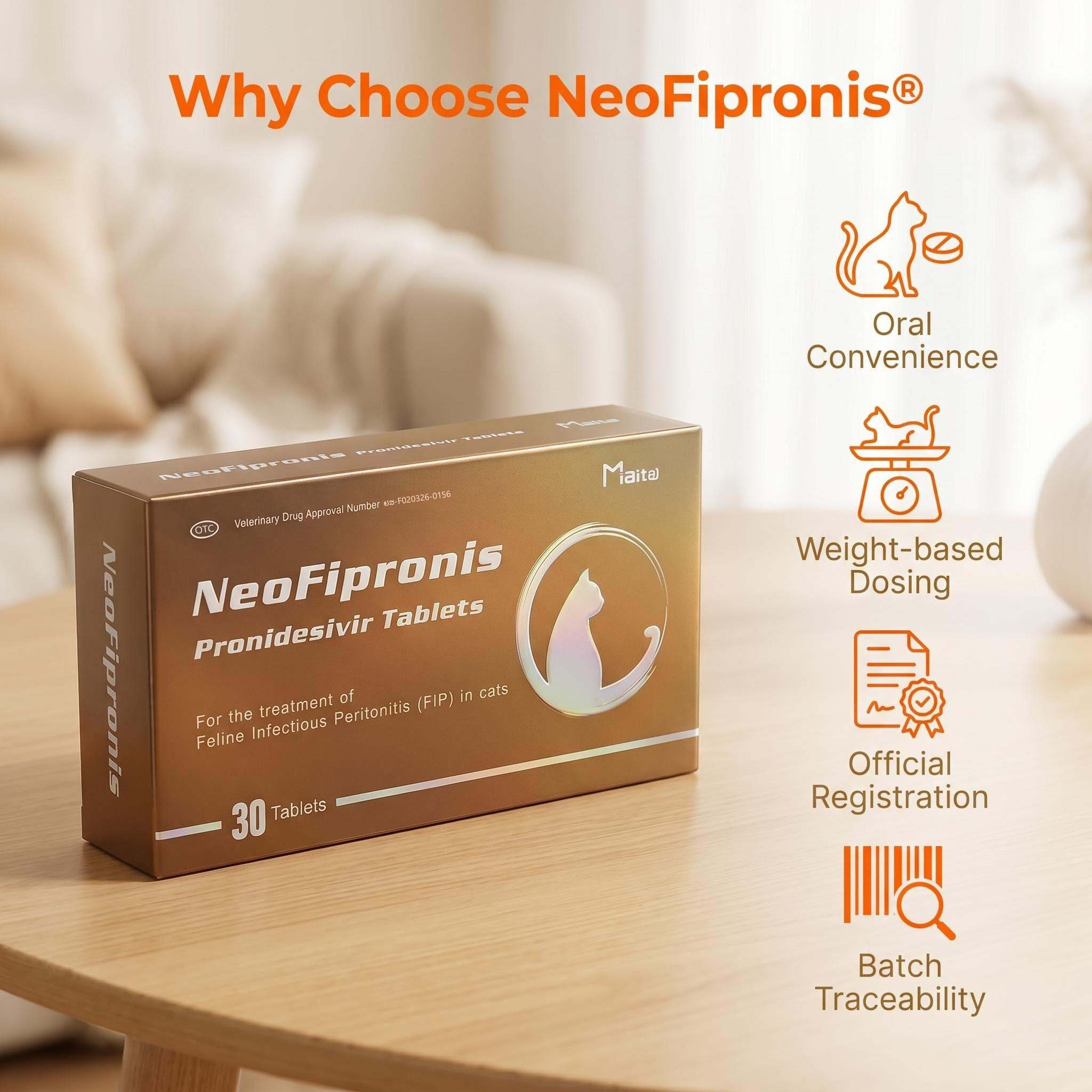
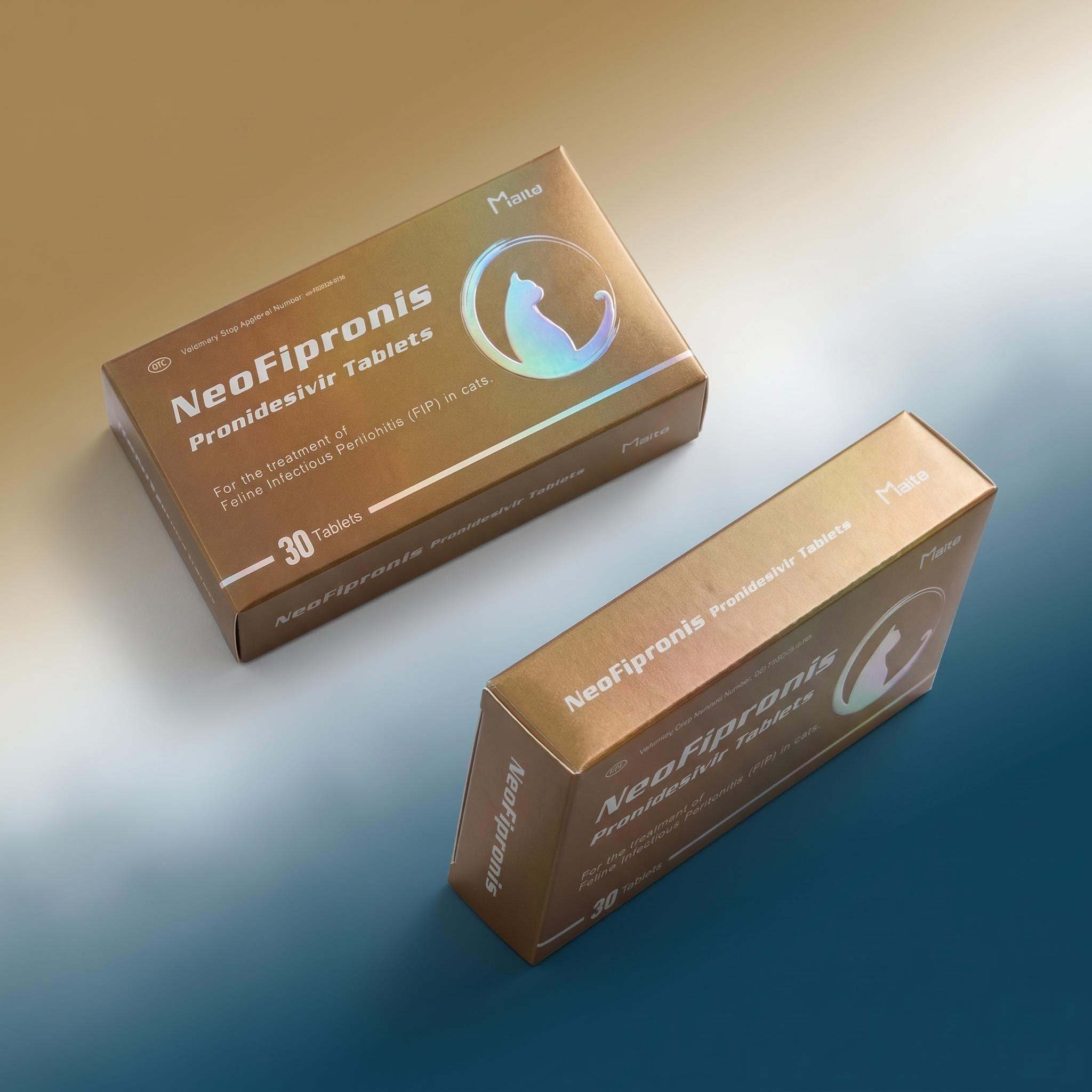
A groundbreaking development in FIP management is the advent of antiviral drugs like NeoFipronis (Pronidesivir) GS-441524. This medication has shown excellent therapeutic effects in alleviating FIP symptoms, which include loss of appetite, lethargy, fever, ascites, pleural effusion, lymphadenopathy, inflammatory granulomas, nerve damage, and uveitis.
NeoFipronis (Pronidesivir) is suitable for addressing these symptoms effectively. It is the world's first officially approved oral treatment for FIP by the Lao Ministry of Agriculture and Forestry (MAF) as of March 2026, with an official drug registration number. Its safety profile is notable — it is non-invasive, rapidly absorbed, fast-acting, well-tolerated, and has few side effects.
This therapeutic breakthrough has revolutionized FIP treatment, offering hope for many cats and reducing the reliance on palliative care alone. While antiviral therapy is progressing, maintaining an optimal diet remains a cornerstone of supportive care to maximize treatment outcomes.
Integrating High-Protein Diets with Medical Treatment
Combining medication like NeoFipronis with a high-protein diet can improve prognosis and quality of life. Veterinarians often recommend:
Feeding small, frequent meals to ensure steady nutrient intake.
Enhancing palatability with flavor-rich, moist foods to stimulate appetite.
Ensuring hydration by providing wet food or supplementing with fluids if necessary.
Monitoring weight and muscle mass regularly to adjust dietary plans accordingly.
Owners should closely observe their cats’ response to dietary and medical interventions and work closely with veterinary professionals to adapt strategies as needed.
Practical Tips for Owners
Select high-quality, canned, or raw diets that prioritize animal proteins.
Avoid fillers and artificial additives, which can impair digestion and immune response.
Introduce dietary changes gradually to prevent gastrointestinal upset.
Maintain consistent feeding schedules to stabilize appetite.
Monitor for signs of nutritional deficiencies or adverse reactions, and consult your vet promptly.
Preventive Measures and Early Intervention
Early detection of FIP and prompt treatment with antiviral medications like NeoFipronis can significantly improve outcomes. Regular veterinary check-ups and blood work are essential for at-risk populations, especially young, multi-cat environments.
Additionally, maintaining a clean environment and minimizing stress can help support the immune system, complementing nutritional and medical therapies.
Conclusion
While FIP remains a serious disease, recent innovations and a better understanding of supporting nutrition have improved the prognosis for affected cats. A high-protein diet tailored to feline needs, combined with cutting-edge antiviral treatments like NeoFipronis (Pronidesivir) GS-441524, offers a comprehensive approach to managing this complex condition. Careful dietary planning, medical intervention, and ongoing veterinary supervision are key to ensuring the best possible quality of life for cats battling FIP.
References:
1. Felinology Journal of Veterinary Medicine
2. Advances in FIP Treatment and Management
3. Veterinary Nutrition: Principles and Practice
4. Recent Approvals in FIP Therapeutics
5. Clinical Studies on GS-441524 and NeoFipronis