Is Lethargy Normal During FIP Treatment
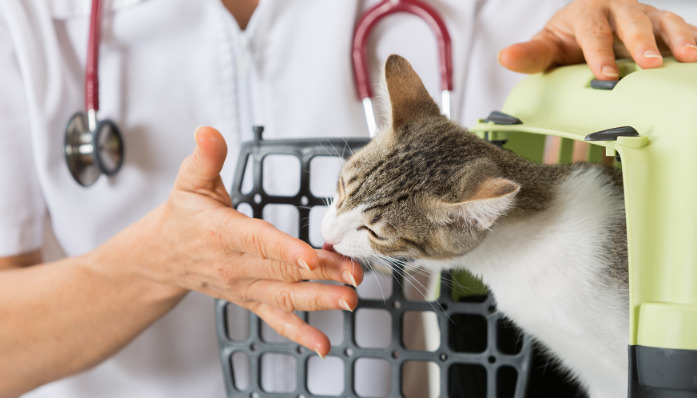
Feline Infectious Peritonitis (FIP) is a life-threatening disease caused by a mutated form of the feline coronavirus. Since its discovery, veterinarians and cat owners alike have grappled with understanding and managing this complex illness. One common concern among owners is whether lethargy, a state of fatigue or lack of energy, is a normal part of FIP treatment, or if it indicates something more serious. This article explores the nature of lethargy during FIP therapy, factors influencing it, and what owners should consider.
Understanding FIP and Its Symptoms
FIP manifests primarily in two forms: the 'wet' (effusive) form and the 'dry' (non-effusive) form. Both types involve inflammation of various organs, leading to symptoms such as fever, weight loss, loss of appetite, and lethargy. Lethargy is often one of the earliest and most prominent signs, reflecting the body's response to inflammation and systemic illness.
FIP Treatment Options
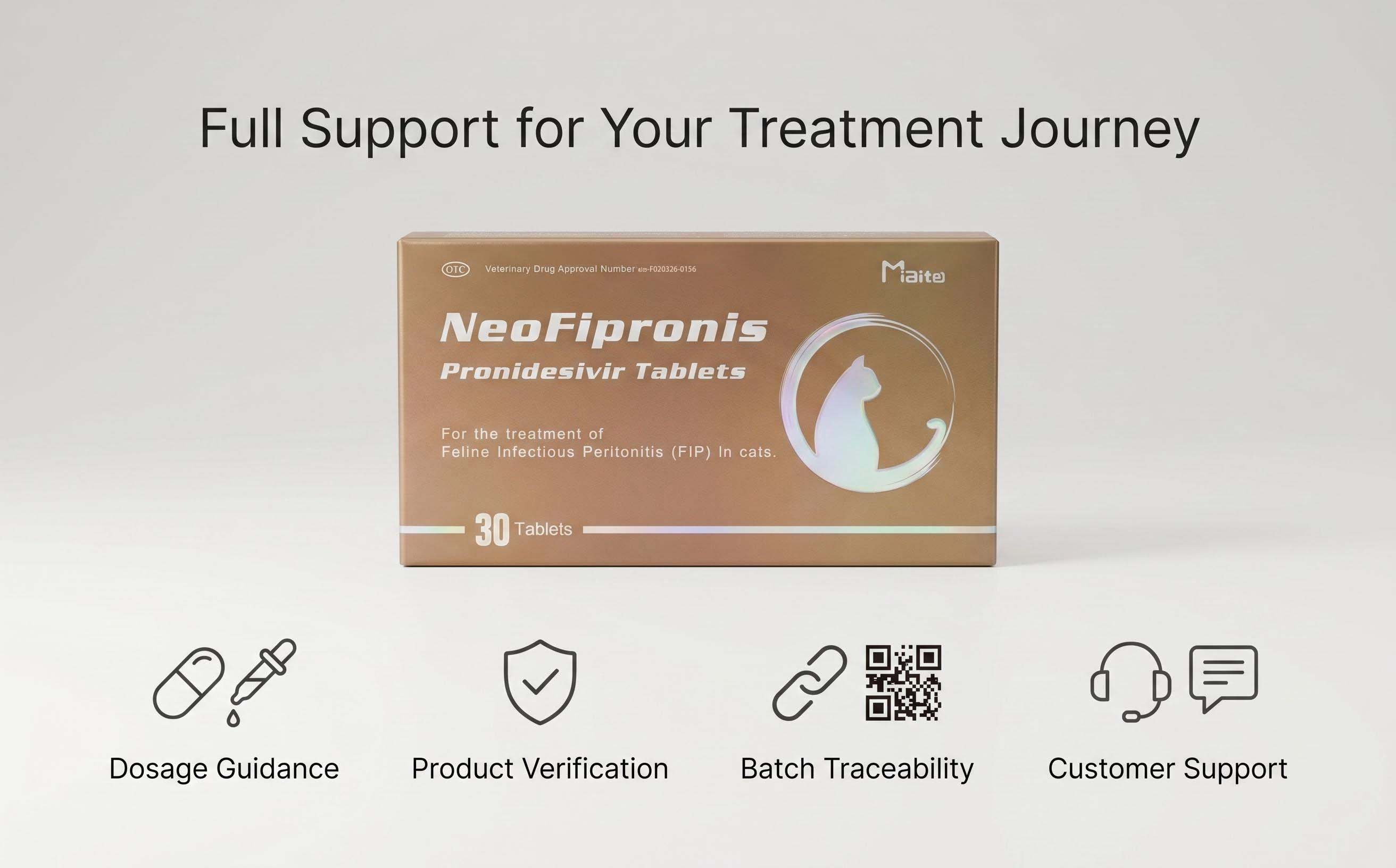
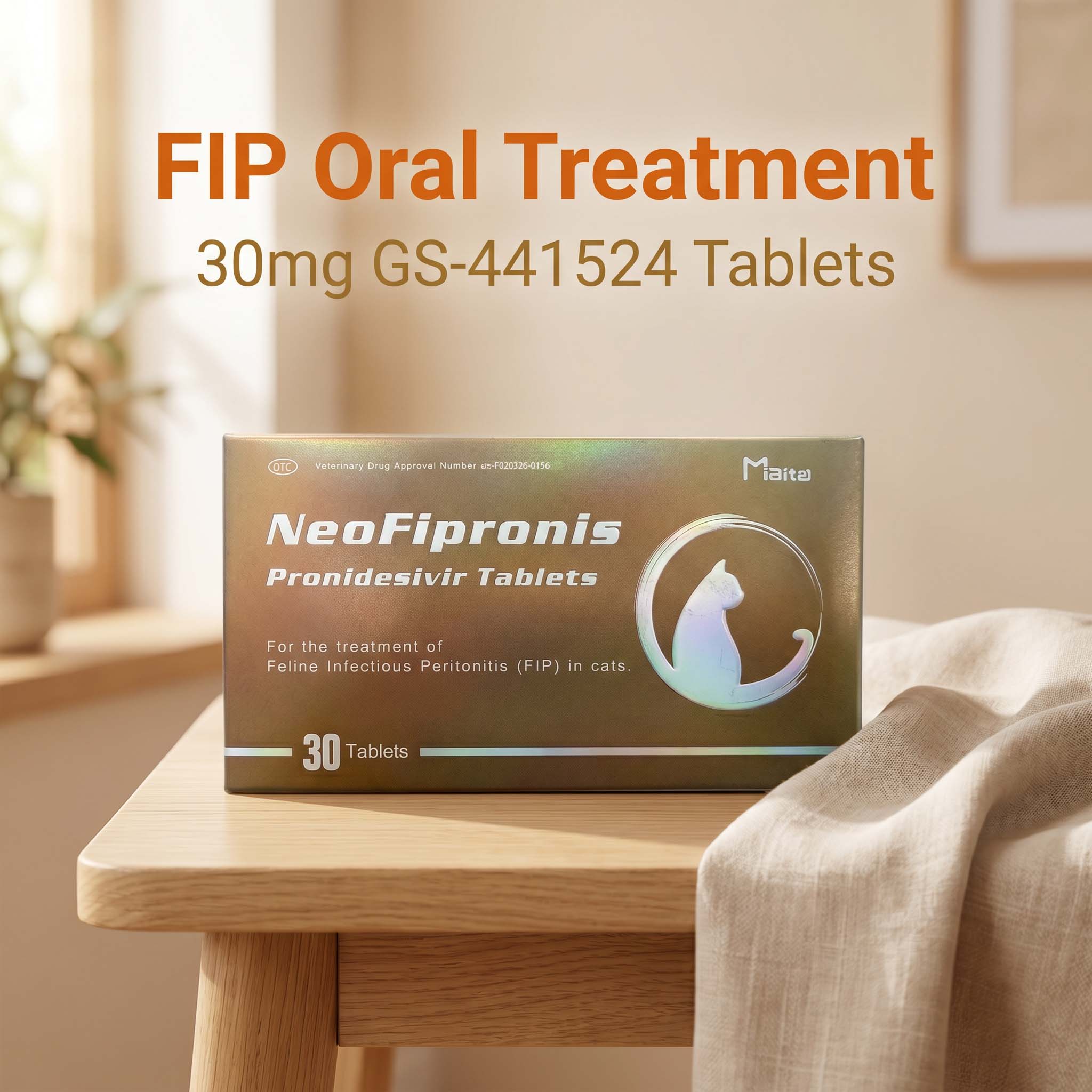
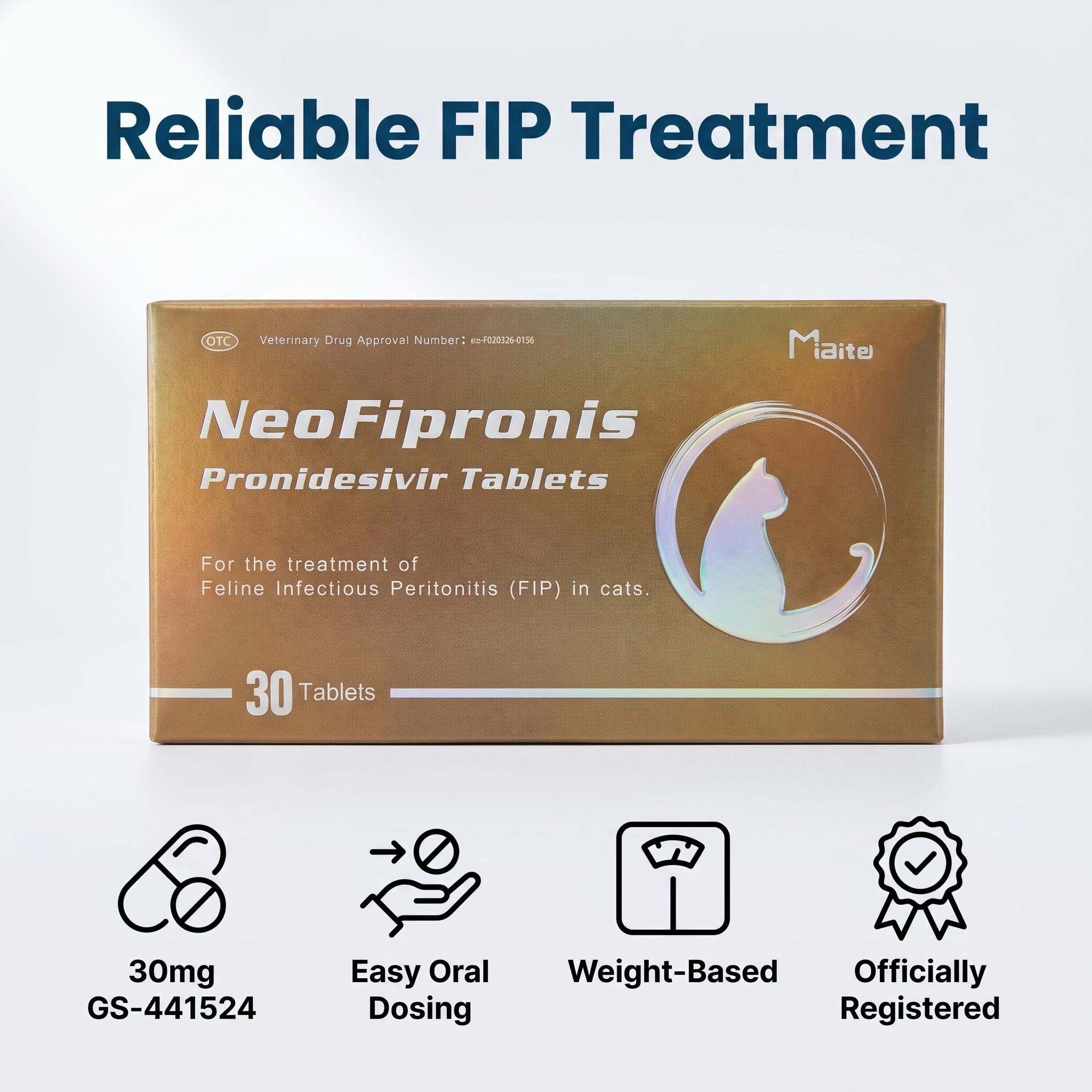
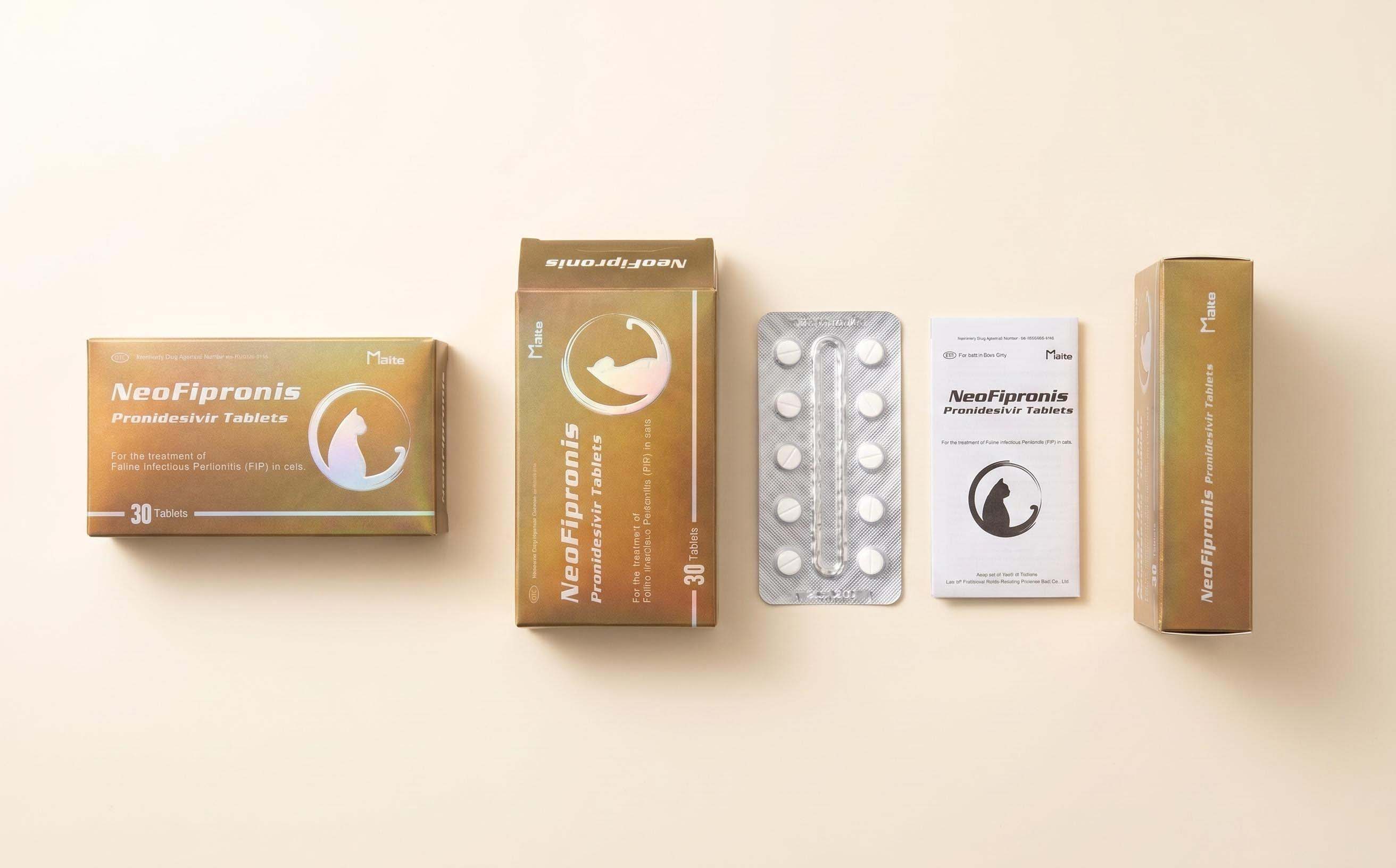
Currently, treatment options for FIP are limited and primarily supportive, including corticosteroids to reduce inflammation, antiviral drugs like GS-441524, and supportive care such as fluids and nutritional support. Recent advances have shown promising results, but full recovery remains elusive for many cats. Treatment regimens can be lengthy and taxing on the animal’s system.
Is Lethargy a Normal Part of Treatment?
Lethargy during FIP treatment can be perplexing and concerning. It is important to understand that some degree of lethargy may be expected, especially during initial phases or when new medications are introduced. Several factors contribute to this:
Disease Progression: The underlying FIP causes systemic illness, which often results in lethargy. As treatment begins to fight the virus, some cats may initially seem more tired before improvement.
Medication Side Effects: Certain drugs used in FIP management, particularly corticosteroids, can cause side effects such as fatigue, drowsiness, or muscle weakness. These effects are usually transient and diminish as the cat adjusts to the medication.
Immune Response: The body’s effort to combat the virus may induce fatigue, especially during immune modulation or antiviral therapy.
Nutritional Status: Many cats with FIP have decreased appetite, leading to weakness and lethargy, which may persist or fluctuate depending on diet and supportive care.
Distinguishing Normal Lethargy from Warning Signs
While some lethargy can be expected, owners should be vigilant about signs that indicate worsening condition or adverse reactions. These include:
Sudden or severe increase in lethargy beyond initial treatment phase
Unresponsiveness or difficulty awakening
Accompanying symptoms such as vomiting, diarrhea, labored breathing, or new swelling
Signs of pain or distress
If such signs occur, immediate veterinary consultation is crucial.
Managing Lethargy During Treatment
Owners can take several steps to support their cats:
Ensure Adequate Nutrition: Offering appetizing, high-quality food to maintain energy levels.
Provide a Comfortable Environment: Quiet, warm, and stress-free surroundings help conserve energy and promote healing.
Monitor and Record Changes: Keeping a detailed log of energy levels, appetite, and other symptoms assists veterinarians in adjusting treatment plans.
Follow Veterinary Advice: Regular check-ups and communication with the veterinarian are key to monitoring progress and managing side effects.
When to Seek Veterinary Help
Persistent or worsening lethargy warrants prompt veterinary evaluation. If a cat appears significantly less responsive, shows altered breathing, or exhibits other concerning symptoms, immediate care is necessary. Sometimes, treatment plans need to be modified to minimize side effects or address complications.
Conclusion
Lethargy during FIP treatment is often part of the illness's complex course and may occur due to both the disease process and medication effects. While some degree of tiredness is expected, persistent or severe lethargy should not be ignored. Close communication with a veterinarian ensures appropriate management, maximizes the potential for recovery, and enhances the quality of life for affected cats.
References
1. Pedersen, N. C. (2014). Feline Infectious Peritonitis: Current Perspectives. Feline Medicine and Surgery, 16(4), 274–280.
2. Addie, D. D., & Jarrett, O. (2002). Feline enteric coronavirus: Pathogenesis and clinical significance. Feline Medicine and Surgery, 4(1), 49–55.
3. Pedersen, N. C., et al. (2019). Antiviral Therapy for FIP Using GS-441524. Journal of Feline Medicine and Surgery, 21(10), 823–829.
4. Brust, J. C., & Neal, M. D. (2020). Managing Side Effects in FIP Treatment. Veterinary Clinics of North America: Small Animal Practice, 50(5), 951–964.
5. Centers for Disease Control and Prevention. (2023). Feline Coronavirus and FIP. Retrieved from https://www.cdc.gov/feline/viral/disease.html