Is an FIP Diagnosis Always a Poor Prognosis

Feline Infectious Peritonitis (FIP) has long haunted cat owners and veterinarians as one of the most feared and misunderstood diseases in feline medicine. For decades, a diagnosis of FIP was synonymous with inevitable loss. With the ongoing discoveries in veterinary science, there is now a growing perspective that the outcome of FIP may not be as hopeless as once believed. Modern therapies, innovative diagnostic techniques, and deeper biological understanding are shifting the narrative. This article explores whether an FIP diagnosis is always a poor prognosis, analyzing scientific breakthroughs, treatment innovations, and factors that affect individual outcomes.
Understanding FIP: Causes and Pathogenesis
FIP is caused by a mutation of feline coronavirus (FCoV). Most cats infected with FCoV remain healthy or develop only mild intestinal signs. However, in a minority of cases, the virus mutates to a virulent form that is able to survive inside white blood cells, leading to systemic infection and widespread inflammation. FIP manifests in two main forms: the wet (effusive) form, characterized by fluid accumulation in the abdomen or chest, and the dry (non-effusive) form, involving granulomatous lesions in organs without significant fluid buildup. This complexity in clinical presentation often makes FIP hard to diagnose and treat.
Diagnostic Challenges
Diagnosing FIP is notoriously difficult due to overlapping symptoms with other diseases and the lack of singular definitive tests. Common signs include persistent fever, lethargy, anorexia, weight loss, and abdominal distension. Blood tests may reveal elevated total protein or globulins, decreased albumin:globulin ratio, and lymphopenia. Imaging can show fluid accumulation, but these findings are not exclusive to FIP. Definitive diagnosis historically required invasive biopsies or post-mortem examinations, leading to delays in treatment decisions. Emerging diagnostic tools, such as RT-PCR for FCoV RNA in effusions or tissues, and immunostaining for viral antigens, have improved diagnostic accuracy. Still, early detection remains challenging, influencing prognosis.
Historical Perspective on FIP Prognosis
Between its discovery in the 1960s and the late 2010s, an FIP diagnosis meant near-certain mortality. The disease was nearly always fatal within days to weeks, regardless of supportive care. This grim outlook perpetuated the myth that nothing could be done. Owners and veterinarians faced ethical dilemmas about prolonged suffering and quality of life. Since supportive treatments only targeted symptoms and immunity-boosters had limited effects, euthanasia was often considered the most humane option. This history created a sense of hopelessness that has only recently begun to shift.
Breakthroughs in FIP Treatment: The GS-441524 Revolution
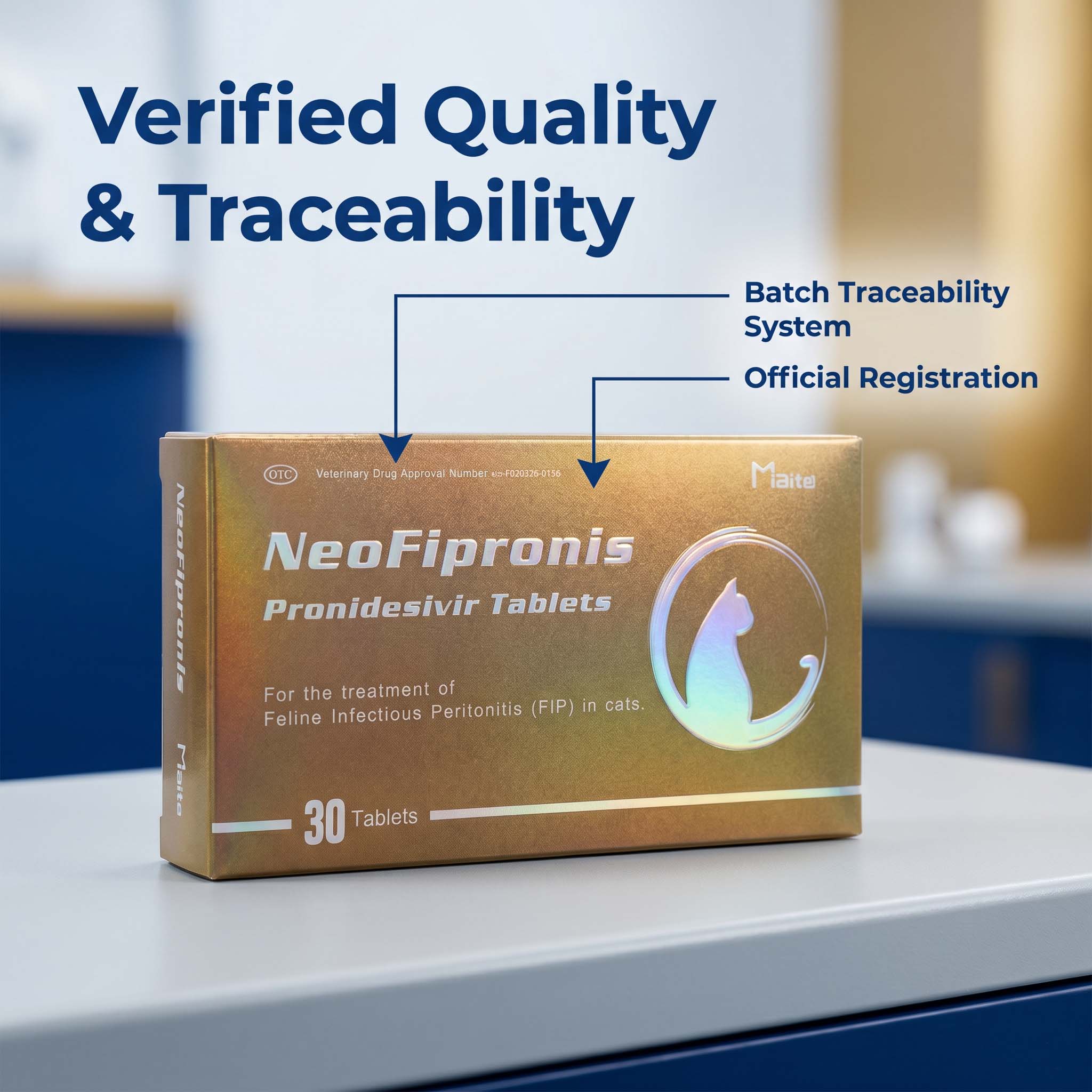
The discovery and experimental use of GS-441524, a nucleoside analog antiviral, revolutionized the landscape for FIP. GS-441524 targets the replication of the coronavirus, and studies have shown remission rates of up to 80-90% when administered appropriately. Though not yet FDA-approved in some regions, its use under compassionate circumstances has saved thousands of cats worldwide. Oral and injectable versions of this treatment have made it accessible and tolerable for both cat and owner. Clinical guidelines now outline dosing protocols based on disease form and severity. Relapses can occur, especially with neurological or ocular forms, but extended treatment regimens or dose escalation often result in secondary remission. GS-441524’s success has inspired ongoing development of similar drugs and combination therapies, including GC376 and remdesivir.
The Emergence of Remdesivir and Other Antivirals
Remdesivir, another antiviral agent originally developed against human coronaviruses, shows promise for FIP treatment, particularly in countries where GS-441524 remains unapproved. Like its predecessor, remdesivir inhibits viral RNA synthesis. Case reports and preliminary studies indicate efficacy in achieving remission, even in cases with neurological involvement. Combination protocols integrating immunomodulators, corticosteroids for acute inflammation control, and nutritional supplementation are being refined. As access to antiviral medications expands, the fatality rate of FIP is decreasing, challenging the paradigm that a diagnosis is always terminal.
Factors That Influence Prognosis
While the introduction of targeted antivirals has dramatically improved outcomes, prognosis still varies by multiple factors:
1. Disease Form: Wet FIP often responds faster to treatment than dry forms, particularly those with neurological or ocular signs, which require higher medication doses and longer treatment duration.
2. Early Diagnosis: Cats treated before advanced organ failure or severe weight loss have higher survival rates.
3. Age and General Health: Kittens and immunocompromised cats, such as those co-infected with feline leukemia virus (FeLV), typically have a more aggressive disease course and poorer prognosis.
4. Access to Therapy: The cost and availability of effective antiviral drugs remain hurdles for some families, impacting outcomes.
5. Relapse or Resistance: Some cases necessitate repeat treatments or alternative drugs if resistance develops.
Clinical Case Studies: Evidence in Practice
Recent clinical literature and real-life reports document myriad cases where cats with confirmed FIP have returned to normal health post-treatment. Veterinary forums and peer-reviewed journals report robust remissions, with cats regaining appetite, energy, and weight within weeks of therapy initiation. Some survivors have remained disease-free for years after completing treatment. Nevertheless, monitoring is essential, as late relapses—while uncommon—can occur, typically within the first 3-6 months after stopping therapy. These outcomes illustrate the potential for positive prognosis when accurate diagnosis and access to cutting-edge treatment are available.
Quality of Life Considerations
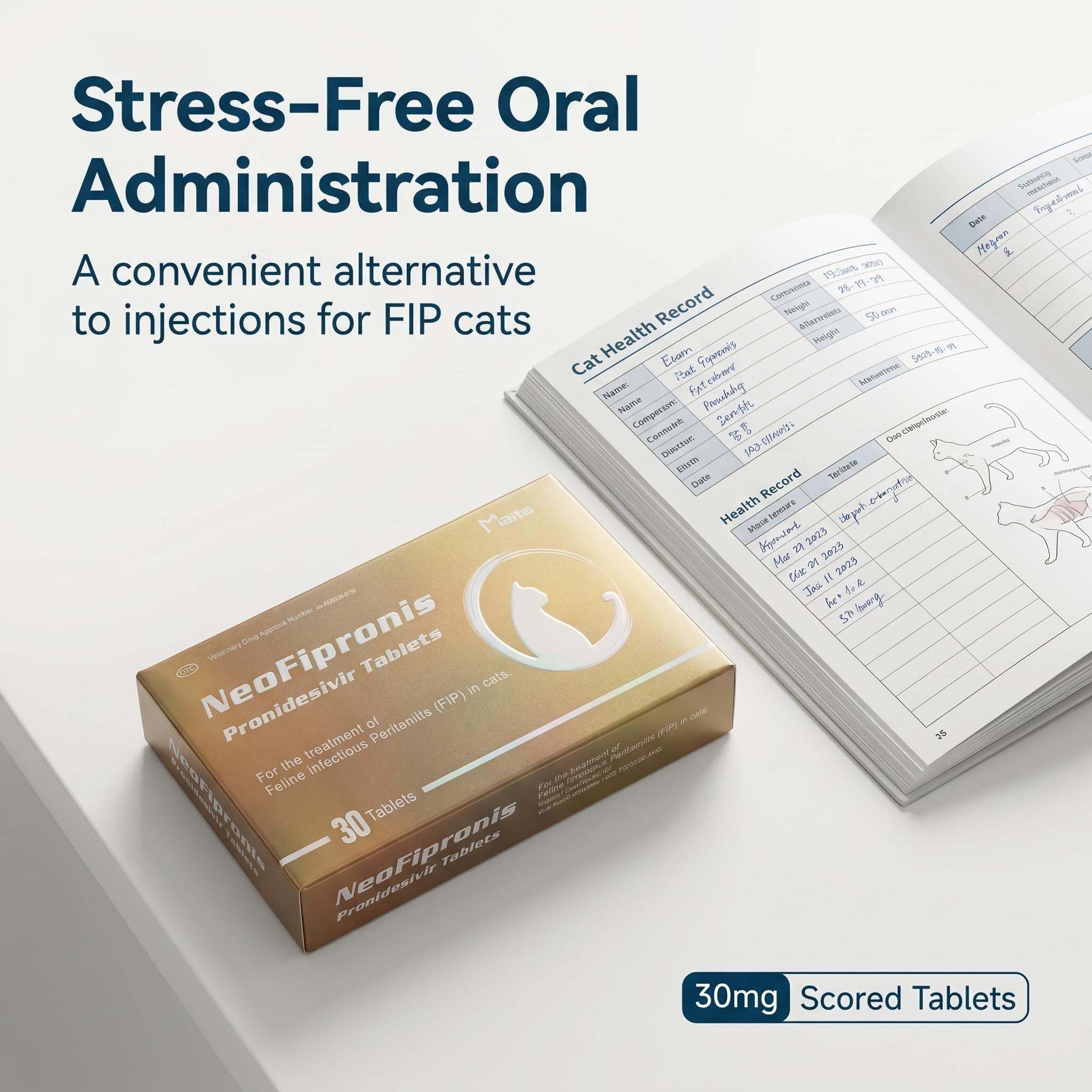
Treatment decisions should always center around the cat’s quality of life. GS-441524 and similar therapies typically require daily medication for 12 or more weeks, with regular veterinary check-ups and bloodwork. The stress of oral or injectable administration is generally outweighed by rapid clinical improvement and restored vitality. Owners must be counselled on potential drug side effects, such as site reactions, mild gastrointestinal upset, or, rarely, liver enzyme elevation. Supportive care—including pain management, nutrition, and fluid therapy—remains important adjunctively. Ultimately, a tailored approach considering both medical efficacy and the welfare of the cat shapes the overall prognosis.
Ongoing Research and the Future of FIP
Scientists continue to investigate new therapeutic targets, vaccines, and immune-based interventions for FIP. Refinements in genetic sequencing of feline coronavirus will increasingly enable veterinarians to distinguish between benign and virulent strains, improving both prevention and early identification. Investigational agents, including monoclonal antibodies and host-directed therapies, show potential in laboratory models. New oral drugs, improved formulations, and potential FDA approvals will likely further reduce fatality rates in the coming years. Educational campaigns are also empowering veterinarians and pet owners to spot signs early and pursue treatment instead of premature euthanasia.
Prevention: Reducing the Risk of FIP
Although FIP cannot be completely prevented, practical measures can reduce risk. Maintaining good hygiene in catteries and shelters, minimizing overcrowding and stress, and segregating kittens from adult carriers can lower FCoV transmission. Routine screening, especially in multi-cat households, helps identify carriers. Vaccination studies to date have shown limited protection, but ongoing research aims for better preventive options. Encouraging responsible breeding and early intervention in high-risk kittens offers another layer of defense.
Emotional Impact and Community Support
Beyond medical facts, FIP’s reputation as a “death sentence” has deeply affected cat owners. The emotional toll includes grief, guilt, and financial strain. However, the rise of online communities, support groups, and experienced veterinarians is changing the conversation. Success stories, shared protocols, and resource sharing have created a culture where hope is realistic and attainable for many. For those confronting an FIP diagnosis, knowledge and community are as vital as medication in overcoming despair.
Cost and Accessibility Barriers
Despite therapeutic breakthroughs, economic and regulatory barriers persist. Many antiviral treatments require substantial financial investment over months of care. Regulatory issues in some countries limit legal access to cutting-edge medications, leading owners to seek unregulated or black-market sources. Veterinarians and advocacy groups are lobbying for expanded approval and compassionate access, but challenges remain. Financial aid and fundraising resources are increasingly available, reflecting the growing awareness and advocacy for treating FIP as a manageable—rather than fatal—disease.
Veterinarian-Owner Partnership
Successful navigation of an FIP diagnosis hinges on trust and continual communication between veterinarian and cat owner. Education about evolving treatment options, realistic prognosis discussions, and shared decision-making are key. Owners should be empowered with the latest evidence and connected to specialist support if possible. Compassionate care, transparency around costs, and technical guidance in medication administration make a significant difference in outcomes.
Hope Versus Hype: Realistic Perspectives
It is important to maintain realistic optimism. While survival rates have improved substantially for many cats, FIP remains a serious and complex illness. Not all cases respond to treatment, and some will succumb despite best efforts. Pseudoscientific “cures” and miracle claims proliferate online; sourcing medications only from reputable veterinary sources and adhering to evidence-based protocols are crucial. Balanced, up-to-date information strengthens owner resolve in choosing appropriate therapies without false hope.
Summary Tables: Prognosis Factors and Survival Rates
| Factor | Improved Prognosis | Worsened Prognosis |
|-|||
| Early Treatment | Yes | No |
| Age (young adult) | Yes | Very young/old cats |
| Wet (effusive) form | Yes | Dry/neuro/ocular forms |
| Access to antivirals | Yes | Limited/no access |
| Strong general health | Yes | Immunosuppression |
| Prompt owner intervention | Yes | Delays in diagnosis |
| Treatment Era | Median Survival |
|||
| Before 2018 | 7-21 days (untreated) |
| Modern antivirals | >80% survive >1 year |
| Neurological form | 50-70% survive >1 year (with high-dose treatment) |
Current Guidelines for FIP Management
Modern FIP management follows a rapidly evolving set of guidelines. The International Society of Feline Medicine (ISFM), the American Association of Feline Practitioners (AAFP), and peer-reviewed veterinary literature encourage the use of GS-441524-derived compounds or remdesivir as first-line therapy when available. Supportive care remains essential for hydration, nutrition, and management of secondary infections. Prognostic indicators and monitoring protocols now factor into individualized care plans.
Implications for Veterinary Education and Policy
The changing prognosis of FIP is influencing veterinary education curricula and public health policy. Future veterinarians receive training in both conventional diagnostics and modern therapies, while regulatory agencies debate the need for faster approval of life-saving medicines. Policies supporting financial assistance, increased research funding, and community awareness campaigns are necessary to ensure all cats—and their owners—have fair access to hope.
Knowledge Empowers Choice
The tide has turned for FIP, but there is much work ahead. Veterinary teams, researchers, and dedicated owners are partners in every remission. With continued advocacy, expanded access to medicines, and persistent scientific inquiry, even more cats will have the chance to thrive after FIP diagnosis. What was once a foregone conclusion can now be a fight worth waging—and, increasingly, one that can be won.
References
1. Pedersen, N. C. "An update on feline infectious peritonitis: diagnostics and therapeutics." The Veterinary Journal.
2. Hartmann, K. "Feline infectious peritonitis." Veterinary Clinics of North America: Small Animal Practice.
3. Murphy, B. G. et al. "The nucleoside analog GS-441524 strongly inhibits feline infectious peritonitis (FIP) virus in tissue culture and experimental cat infection studies." Veterinary Microbiology.
4. Kim, Y. et al. "Re-evaluation of antiviral therapy for feline infectious peritonitis." Current Opinion in Virology.
5. Addie, D. D. et al. "Guidelines for the diagnosis and management of feline infectious peritonitis." Journal of Feline Medicine and Surgery.
6. Tasker, S. "Diagnosis of feline infectious peritonitis: update on evidence supporting laboratory tests." Journal of Feline Medicine and Surgery.
7. Ishida, T. et al. "Use of recombinant feline interferon and glucocorticoid in the treatment of feline infectious peritonitis." Journal of Feline Medicine and Surgery.
8. Gunn-Moore, D. "Changing paradigms in feline infectious peritonitis management." Veterinary Record.
9. Felten, S., & Hartmann, K. "Clinical outcome of cats with FIP treated with GS-441524." Journal of Veterinary Internal Medicine.
10. Cave, T. A. et al. "Current perspectives on feline coronavirus and FIP." Journal of Feline Medicine and Surgery.