What Is the Total Cost of a Full Course of FIP Treatment
Feline Infectious Peritonitis (FIP) has long been a devastating diagnosis for cat owners and veterinarians alike. Once considered universally fatal, the emergence of antiviral therapies over the last decade has revolutionized the prognosis for affected cats. However, new treatments come with significant costs, both financial and emotional. This comprehensive guide details the true cost of a full course of FIP treatment in the United States, accounting for medication, veterinary care, diagnostics, and all associated expenses.
Background: What Is FIP and Why Does Treatment Matter?
FIP arises from a mutation of the feline coronavirus, leading to severe inflammation and organ failure. Two major forms manifest: effusive (wet) and non-effusive (dry). Both forms were, until recently, almost always fatal. In 2019, researchers discovered that GS-441524, an antiviral compound, could induce remission in many cases. Since then, additional treatments and protocols have emerged, though none are FDA-approved. Their lifecycle—from development to black-market import and finally, clinical use—has shaped both access and pricing.
Breakdown of Treatment Phases and Costs
Treatment for FIP involves several phases, each with its own financial implications:
1. Initial Diagnosis and Pre-Treatment Workup
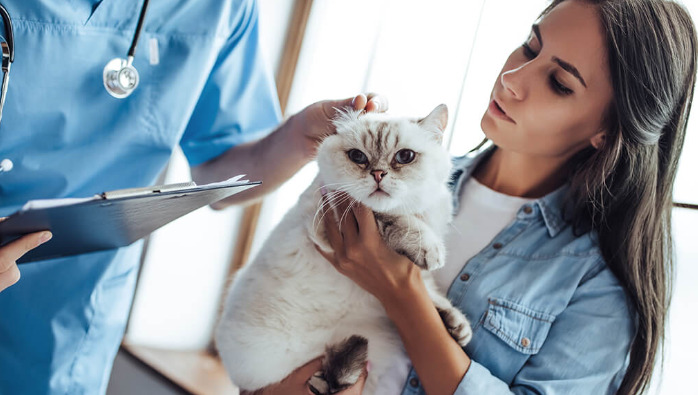
Early diagnosis often involves several veterinary visits, blood work (CBC, chemistry panel), imaging (ultrasound, x-ray), and specialized diagnostics (PCR testing or rival tests for coronavirus). Costs vary depending on location and the complexity of the case. On average, cat owners can expect the following breakdown:
Office visits: $75–$200 per visit
Blood and chemistry panels: $100–$300
Imaging (ultrasound or x-rays): $200–$500
FIP-specific tests (PCR, antibody titers): $75–$250
In total, initial diagnosis can cost between $500 and $1,200.
2. Medication: GS-441524 and Alternatives
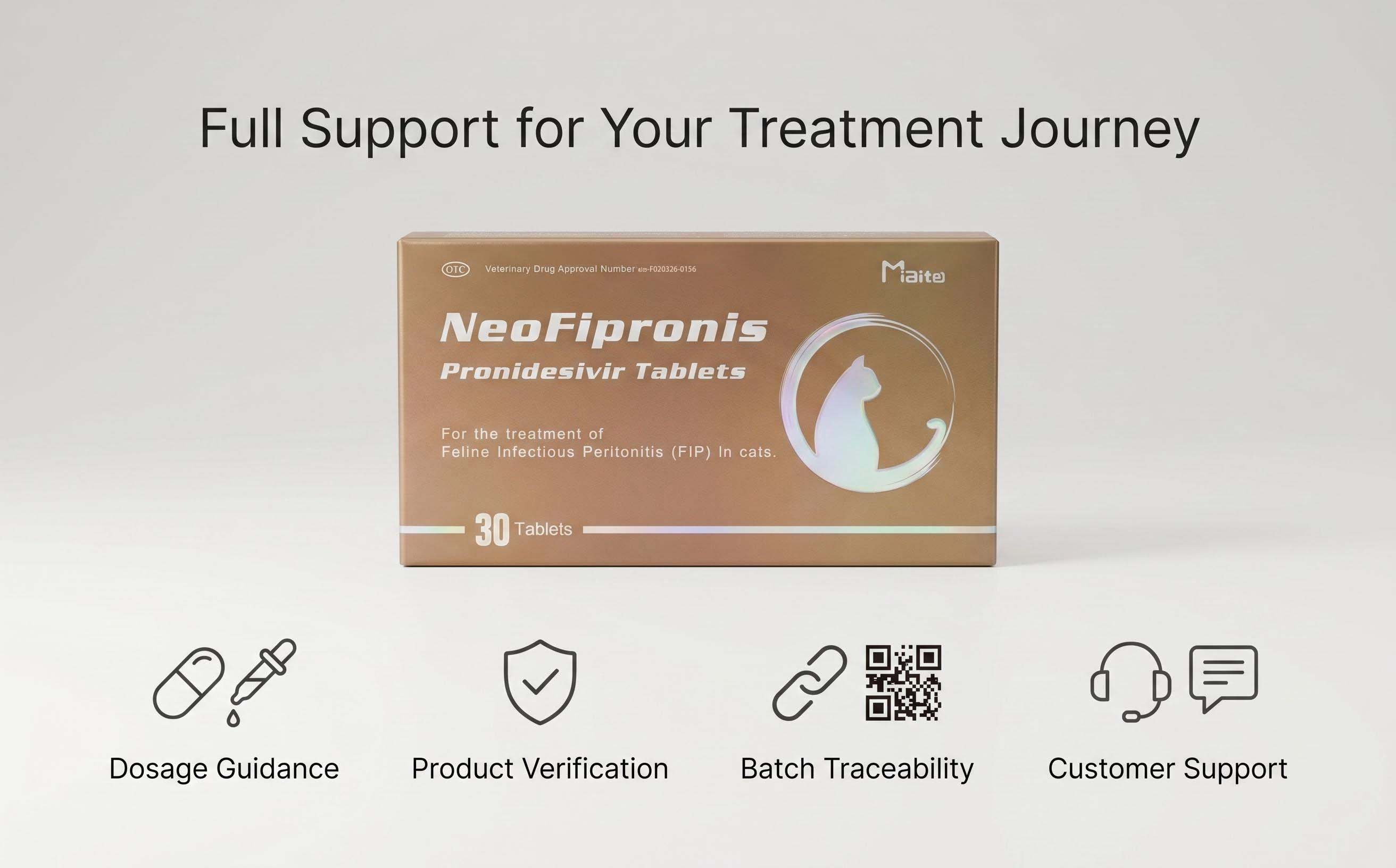
The largest single cost in FIP therapy is antiviral medication. GS-441524, the drug most commonly used, is not FDA-approved in the U.S. and is typically sourced from overseas manufacturers. Its price fluctuates based on supply, demand, concentration, and quality assurance. As of 2024:
GS-441524 injectable or oral: $60–$120 per 25 mg vial/tablet
Dosage: 4–8 mg/kg once daily, for 12 weeks (84 days)
Typical cat weight: 3–6 kg; average daily dose: 20–48 mg
For an average 4 kg cat requiring 32 mg daily for 84 days, the calculation is:
Tablet/vial cost: 84 doses × $80 = $6,720
Bulk discounts, dosing differences, and alternative drugs (such as remdesivir, molnupiravir, or sofosbuvir) can adjust the price, but most owners report expenses of $5,000–$10,000 for medication alone.
3. Ongoing Veterinary Support
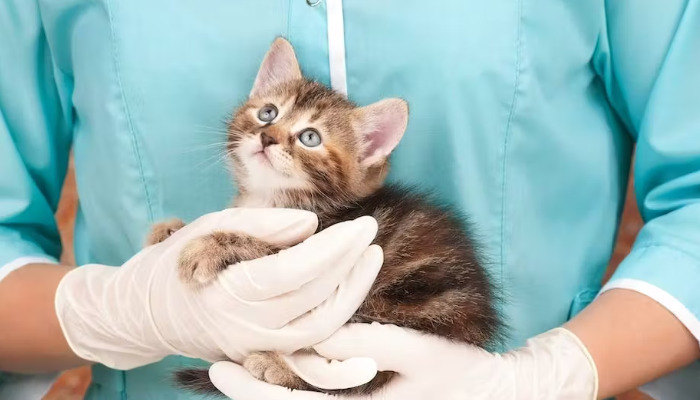
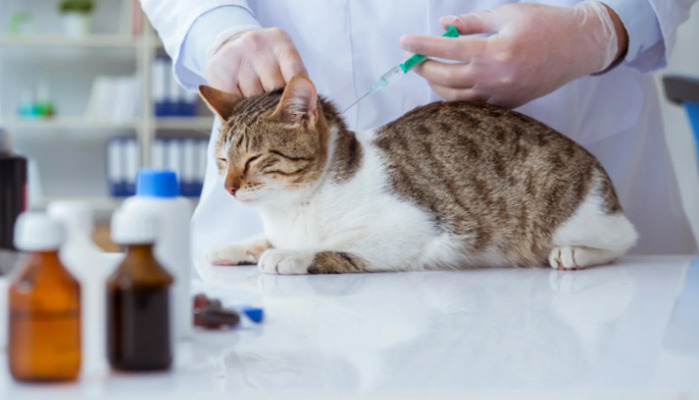
Successful management of FIP extends beyond antivirals. Cats often need regular monitoring, supportive care (for anemia, dehydration, liver or kidney issues), and management of side effects.
Follow-up visits: $75–$200 per visit (4–6 visits, $300–$1,200)
Monitoring labs and imaging: $100–$300 per round ($400–$1,200 total)
Symptomatic medications (antibiotics, antiinflammatories, fluids): $200–$400
Complications (secondary infections, fluid aspiration, nutritional support) can add $500–$2,000 if hospitalization is required.
4. Ancillary Costs
Many owners choose to supplement therapy with high-quality foods, vitamin supplements, and immune boosters, creating another layer of expense. Boarding, home care visits, and transportation to specialty centers may be required.
Specialty food, supplements: $200–$500
Travel, boarding: $100–$600
In rare cases, advanced diagnostics (CT, MRI, biopsy) add $1,000+.
Total Estimated Cost
Summing the above, the average total cost of a full 84-day FIP course in the United States is:
Low end: $5,500–$7,000 (minimal complications, basic care, efficient dosing)
High end: $10,000–$15,000 (complex case, advanced care, hospitalization, high-dose therapy)
Cases with complications or high body weight (requiring extra medication) push costs higher. Geographic location also impacts price—urban veterinary hospitals tend to charge more than rural clinics.
Cost Variation by Medication Route and Packing
GS-441524 is available in injectable and oral forms. Oral tablets, formulated at precise dosages, ease administration and may reduce costs, particularly for smaller cats. Injectable solutions, associated with precise dosing and rapid absorption, are more expensive due to manufacturing and import fees. Some compounding pharmacies, mostly overseas, offer discounts or bulk pricing. Remdesivir and similar alternatives are often less expensive in Australia, the UK, and Singapore due to regulatory differences.
Access, Legal Considerations, and Black Market Dynamics
Because GS-441524 and similar drugs are not licensed for feline use in the U.S., cat owners frequently rely on informal supply networks. Private Facebook groups, social media pages, and specialized vendor websites facilitate purchasing, but lack FDA oversight. This creates risk—counterfeit, contaminated, or low-quality products can undermine treatment. Some veterinary hospitals will not participate in black market therapy, and owners sometimes administer medication themselves. This dynamic adds to stress, potential errors, and costs if switching suppliers or brands.
Long-Term Outcomes and Relapse Costs
While many cats recover fully after a single course, relapse occurs in 10–20% of cases. Some cats require a second course, or intermittent supportive therapy. Most relapses are less expensive due to early detection and lower dosing, but costs may still reach $1,000–$3,000. Cats with neurological or ocular manifestations demand higher-dose therapy, escalating costs by 20–40%.
Financial Assistance and Insurance Coverage
Because drugs are unlicensed, most pet insurance providers in the U.S. will not reimburse FIP antiviral therapy. Some plans may cover diagnostics, supportive care, or off-label medication if prescribed by a licensed veterinarian. Charities and crowdfunding have emerged as key supports—GoFundMe, Facebook Fundraisers, and local non-profits provide temporary assistance, though demand often far exceeds supply.
Strategies to Minimize Cost
To mitigate expenses, cat owners and veterinarians recommend these strategies:
Early diagnosis: Catching FIP before advanced symptoms saves money in both medication and supportive care, as lower doses and fewer hospitalization days are needed.
Bulk purchasing: Buying medication in full-course batches can unlock discounts.
Community support: Online groups facilitate knowledge sharing, help with dosing, and recommend reputable suppliers.
Home administration: Owners often learn to administer injections or tablets, avoiding repeated veterinary fees.
Multiple quotes: Shopping pharmacy sources for competitive prices; compare quality, concentration, and shipping reliability.
Clinical trials: Participation may offset or eliminate medicine costs, though eligibility is limited.
Summary Table: Typical Costs of FIP Treatment in the U.S.
| Category | Cost Range | Notes |
||||
| Diagnostics | $500–$1,200 | Initial blood, imaging, PCR testing |
| Antiviral medication | $5,000–$10,000 | GS-441524, 12-week course, dose varies |
| Veterinary monitoring | $800–$2,000 | Lab work, follow-up exams, supportive therapy |
| Complication management | $500–$2,000 | Hospitalization, advanced support, specialty treatments |
| Ancillary/supportive care | $200–$600 | Foods, supplements, transportation |
| Total | $7,000–$15,000 | Case complexity, region, drug source |
Comparison to Standard Cat Illnesses
Typical cat illness (kidney disease, diabetes, cancer) may cost $2,000–$5,000 per year for chronic care. FIP treatment is compressed into a 3–4 month cycle, yielding a front-loaded expense much higher than most acute or chronic illnesses. For uninsured owners or those with multiple cats at risk, these costs can be prohibitive.
Ethical and Emotional Factors
Cost is more than dollars; the emotional strain of frequent vet visits, self-administration, and diagnostic setbacks is substantial. Many families struggle to balance financial limits with the desire to provide the best possible care. Some choose palliative therapy or euthanasia if costs are too high or the cat’s prognosis is poor. The community of FIP caregivers on social media often cites the “hidden” cost to mental health—an important but rarely quantified component.
Future Outlook: Toward FDA Approval and Wider Access
Veterinarians hope for increased domestic supply of GS-441524 and related drugs via FDA approval. Clinical trials continue in university settings; governmental fast-tracking could bring costs down by improving access, safety, and insurance coverage. Until then, FIP remains among the most expensive feline diseases to treat, with price fluctuations dictated by global supply chains, regulation, and emerging research.
References
1. Pedersen, N. C. (2019). "The history of feline infectious peritonitis: 1963–2008." Journal of Feline Medicine and Surgery, 11(3), 225–258.
2. Dickinson, P. J., & Pedersen, N. C. (2020). "GS-441524 therapy of feline infectious peritonitis: A clinical trial." Veterinary Microbiology, 268, 109152.
3. U.S. Food and Drug Administration. (2023). "Animal Drug Approval Process." Retrieved from https://www.fda.gov/animal-veterinary.
4. Addie, D. D., et al. (2022). "Feline coronavirus infections: diagnostics and management." Journal of Veterinary Internal Medicine, 36(1), 70–82.
5. FIP Warriors® USA. (2023). "Treatment Guidelines and Resources." Retrieved from https://fipwarriors.com/
6. Veterinary Partner. (2024). "FIP Treatment Cost Guide." Retrieved from https://veterinarypartner.vin.com
7. Levy, J. et al. (2021). "Outcome of cats treated for FIP with antiviral therapy: Survey data." Journal of the American Veterinary Medical Association, 259(11), 1260–1270.
8. Facebook FIP Global Support Group. (2024). "Price Comparison and Vendor List." Retrieved from https://facebook.com/fipglobalsupport
9. American Association of Feline Practitioners. (2023). "Guide to FIP Management." Retrieved from https://catvets.com
10. Niels C. Pedersen Laboratory, UC Davis. (2022). "GS-441524 FAQs." Retrieved from https://ccah.vetmed.ucdavis.edu/